
就业市场困境

Search documents
北大复旦毕业,50%干教培,鸡娃的意义何在?
Sou Hu Cai Jing· 2025-10-24 09:20
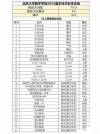
Core Insights - The employment outcomes for graduates from prestigious universities like Peking University and Fudan University reveal a significant trend towards the education and training sector, with a large portion of graduates opting for teaching and training roles rather than traditional high-paying jobs in finance or technology [1][4][10]. Group 1: Employment Trends - Among the 213 graduates from Peking University's Mathematics Department, only 32 secured jobs, with 14 (43%) entering the education sector [1][2]. - In Fudan University's Chinese Language and Literature Department, out of 107 graduates, 12 became teachers and 5 joined training companies, indicating a similar trend towards education-related positions [8][9]. - The data suggests that even top-tier graduates are increasingly finding it difficult to secure desirable employment, leading many to pursue careers in education [4][10]. Group 2: Salary and Job Satisfaction - The salary for teaching positions in the training sector has become competitive, with first-year salaries for competition coaches and specialized instructors ranging from 400,000 to 700,000 yuan, surpassing many traditional roles [11][14]. - The education sector offers a more stable and flexible work environment compared to the high-pressure demands of finance and technology jobs, making it an attractive option for graduates [14][19]. Group 3: Changing Perceptions of Employment - The trend of graduates from elite institutions entering the education sector reflects a broader anxiety about the diminishing availability of "decent" jobs, as the value of higher education is perceived to be declining [21][24]. - The increasing number of graduates competing for limited positions has led to a situation where even top graduates are considering roles in education as a viable career path [26][27]. - The shift towards education roles among high-achieving graduates indicates a significant change in the job market, where traditional pathways to success are becoming less accessible [30][35].

德国8月报告失业人数超300万
Zhong Guo Xin Wen Wang· 2025-08-29 15:34
Group 1 - The unemployment rate in Germany increased to 6.4% in August, with the number of unemployed rising by 46,000 to 3.025 million, marking the first time since February 2015 that it has surpassed 3 million [1] - Bremen (11.8%) and Berlin (10.5%) have the highest unemployment rates, while Bavaria (4.2%) and Baden-Württemberg (4.7%) have the lowest [1] - The Federal Labor Agency attributes the rise in unemployment to summer vacations and economic weakness, although there are initial signs of stabilization in the labor market [1] Group 2 - The German labor minister views the employment market challenges as a result of global economic uncertainty and the impact of the Ukraine crisis, emphasizing the need for security and investment to revitalize the job market [1] - The director of the Ifo Institute for Economic Research, Clemens Fuest, notes that the overall environment in Germany is unfavorable for job market development, with many companies laying off employees and facing high bureaucratic and regulatory burdens [2] - Fuest predicts that the rise in unemployment could have further negative impacts on the German economy [2]
智利失业率攀升凸显就业市场困境
Shang Wu Bu Wang Zhan· 2025-07-29 15:19
Core Insights - Chile's unemployment rate reached 8.9% from March to May 2023, with projections nearing 10% in winter, marking the highest level since the 2008 financial crisis and the pandemic [1] - The rise in unemployment is attributed to increased labor costs due to minimum wage hikes, reduced working hours, and pension reforms, which have suppressed hiring [1] - Despite rising labor costs (nominal growth of 8.5% over the past year), formal employment has only slightly increased by 0.3%, while informal employment has decreased by 1.4% [1] Employment Market Dynamics - The main reason for the rising unemployment rate is the increased difficulty for job seekers to find work, with pathways to formal employment shrinking and the pace of transition to informal employment slowing [1] - The reduction in informal employment is linked to a decline in the proportion of unemployed and non-labor force individuals entering this sector [1] - Competition among job seekers has intensified, with a projected increase of over 7% in active job seekers by 2025, while online job advertisements have only increased by 3.3%, exacerbating job competition [1] Structural Challenges - The Chilean labor market is facing structural challenges that require multi-faceted policy responses to address the rising unemployment and competition for jobs [1]