
居住革命

Search documents
中产扎堆的高端小区,物业员工都改成机器人了
3 6 Ke· 2026-01-16 00:25
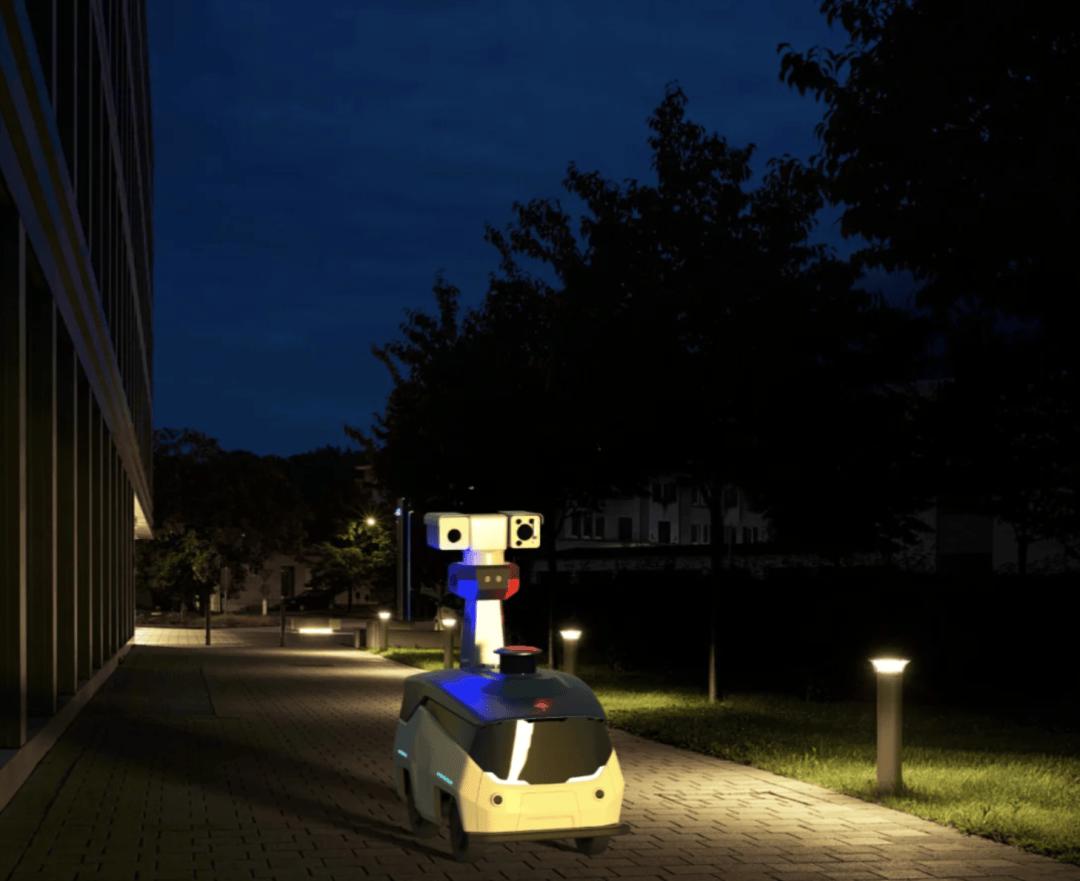
Core Insights - The article discusses the increasing integration of robots in residential communities, highlighting a shift from human security personnel to robotic systems for safety and convenience [1][3][4] Group 1: Technological Advancements in Residential Security - The introduction of robots for security patrols and delivery services is transforming community safety and convenience, with robots now performing tasks previously handled by human staff [1][4] - The use of AI algorithms, night vision sensors, and thermal imaging in security robots enhances their effectiveness in identifying potential risks [3][8] Group 2: Market Trends and Growth Projections - The global service robot market is projected to exceed $120 billion by 2025, with China expected to account for over 35% of this market [6] - The penetration rate of commercial service robots is anticipated to rise from 18% in 2021 to 42% by 2025, indicating a significant growth trajectory in the sector [6] Group 3: Cost Efficiency and Operational Benefits - The deployment of robots in property management can save an average of over 20,000 yuan per month in operational costs, as they can work continuously without human oversight [6][17] - Robots are particularly effective in environments unsuitable for human labor, such as extreme temperatures, thereby improving overall operational efficiency [6] Group 4: Changing Consumer Expectations - Residents are increasingly viewing robotic services as essential, with many expressing satisfaction with the enhanced convenience and efficiency provided by these technologies [4][11] - The concept of "human-machine coexistence" is becoming a selling point for real estate developments, with properties showcasing their technological advancements to attract buyers [12][19] Group 5: Competitive Landscape Among Property Management Companies - Leading property management firms are not only adopting robots but also investing in their development, indicating a competitive race to innovate within the industry [14][19] - Companies like Country Garden are focusing on creating their own robotic solutions, while others, such as Vanke, are developing AI systems to enhance operational efficiency [19][20] Group 6: Future Implications and Industry Evolution - The integration of robots is expected to redefine the service landscape in residential communities, leading to a more precise and efficient management system [26] - As the real estate market evolves, particularly in high-end segments, the demand for technologically advanced living environments is likely to increase, further driving the adoption of robotic solutions [26]


有序推动“好房子”建设 着力稳定房地产市场
Zheng Quan Shi Bao· 2025-12-29 19:06
Core Viewpoint - The introduction of the "Good House" national standard marks a significant shift in China's real estate development from scale expansion to quality improvement, impacting the living conditions of 1.4 billion people [1] Group 1: Policy and Standards - The "Good House" national standard, officially implemented on May 1, aims to enhance residential quality, transitioning from "housing for all" to "livable housing" and then to "high-quality housing" [1] - Since 2025, over 15 provinces have included the promotion of "Good House" construction in their government work reports, indicating a nationwide commitment to this initiative [1] Group 2: Market Outlook - The Central Economic Work Conference in 2026 emphasized the need to stabilize the real estate market, orderly promote "Good House" construction, and accelerate the establishment of a new development model for the real estate sector [1]
