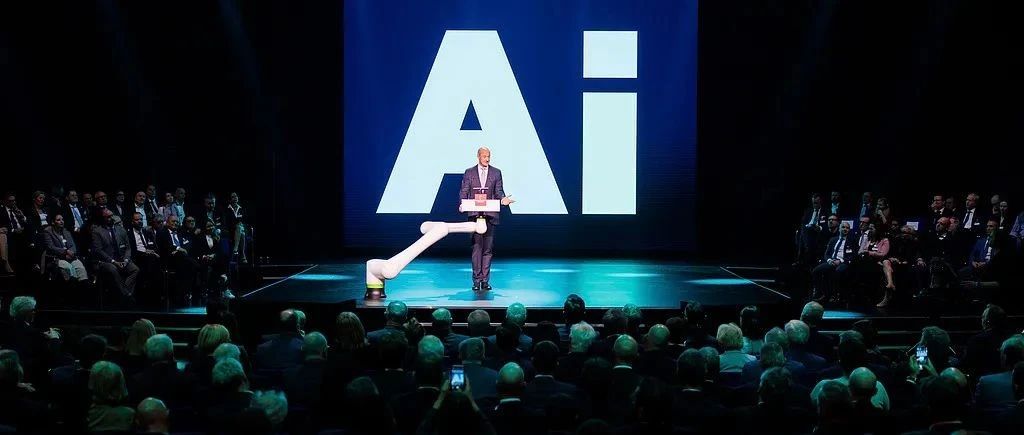
工业可持续发展

Search documents
广西东盟联合加速制造业智能升级
Guang Xi Ri Bao· 2025-12-20 02:31
Group 1 - The ASEAN Future 2025 Forum was held in Phnom Penh, Cambodia, with a focus on technological innovation and collaboration in the manufacturing sector [1][3] - The Guangxi Technology Department organized a delegation of eight manufacturing enterprises, universities, and research institutions to participate, promoting AI-driven innovation cooperation with ASEAN countries [1][2] - Guangxi Yuchai Machinery Co., Ltd. and SAIC-GM-Wuling Automobile Co., Ltd. shared practical experiences on AI's role in enhancing production efficiency and optimizing supply chain management during the forum [1][2] Group 2 - Guangxi's manufacturing sector is gaining popularity in the ASEAN market, with Yuchai's products deeply integrated into the region's industrial upgrade process [2] - Yuchai's YCY24 engine-powered trucks saw explosive growth in demand within Cambodia's logistics sector, with a 40% year-on-year increase in exports to ASEAN markets from January to August 2025 [2] - Wuling's collaboration with Cambodian partners has led to significant success, with local supply chain optimization enhancing the penetration of their new energy vehicles in green transportation and small business scenarios [2] Group 3 - The forum is an important annual event for ASEAN countries in the field of technological innovation, with participation from representatives of 11 ASEAN nations, the Chinese government, enterprises, and research institutions [3] - The theme of the forum was "The Role of Infrastructure Technology and Innovation in Successful Manufacturing" [3]

政治火药味最浓的一届德国汉诺威展,中国企业在展厅卖起了泡面丨一线
吴晓波频道· 2025-04-01 01:00
Core Viewpoint - The 77th Hannover Industrial Fair highlights the impact of global protectionism, particularly due to U.S. tariffs, prompting countries like Germany and Canada to seek collaboration amidst rising trade tensions [3][5][9]. Group 1: Event Overview - The theme of this year's fair is "Empowering Industrial Sustainability," focusing on artificial intelligence and energy transition, with 4,000 exhibitors from over 60 countries [7][19]. - The fair serves as a platform for major companies to showcase cutting-edge technologies and ESG achievements, while also reflecting the challenges faced by small and medium-sized enterprises (SMEs) in Germany due to regulatory compliance [9][23]. Group 2: Political Context - German Chancellor Olaf Scholz's opening remarks addressed the challenges posed by U.S. tariffs, emphasizing the importance of collaboration among allied nations [3][5]. - The presence of 260 Canadian exhibitors as the guest country underscores the fair's political undertones, as countries seek to navigate the complexities of global trade [5][9]. Group 3: Participation of Chinese Companies - Approximately 1,000 Chinese exhibitors participated, primarily small and medium-sized enterprises, but many reported disappointing outcomes due to poor location and mismatched themes [10][12]. - The sentiment among Chinese exhibitors reflects a broader anxiety about competition and the need to adapt to changing market conditions, with many expressing a singular focus on generating revenue [12][29]. Group 4: Technological Trends - The fair showcased significant advancements in AI applications within industrial settings, with over 300 startups presenting AI solutions, indicating a shift from theoretical to practical applications [19][26]. - Major companies like Siemens and Microsoft highlighted the integration of AI in industrial processes, emphasizing its role in optimizing operations and enhancing productivity [19][23]. Group 5: Industry Challenges - German SMEs face increasing regulatory burdens, with a report indicating that compliance costs could consume 1.3% to 6.3% of their revenues, potentially jeopardizing profitability [9][23]. - The ongoing trade tensions and reduced overseas demand have led to predictions that 40% of German companies may face layoffs this year [9][23].