巧实力

Search documents
江宇舟:欧美对华“爆破”日益精准,我们的“迎头痛击”要有讲究
Guan Cha Zhe Wang· 2025-11-28 05:57
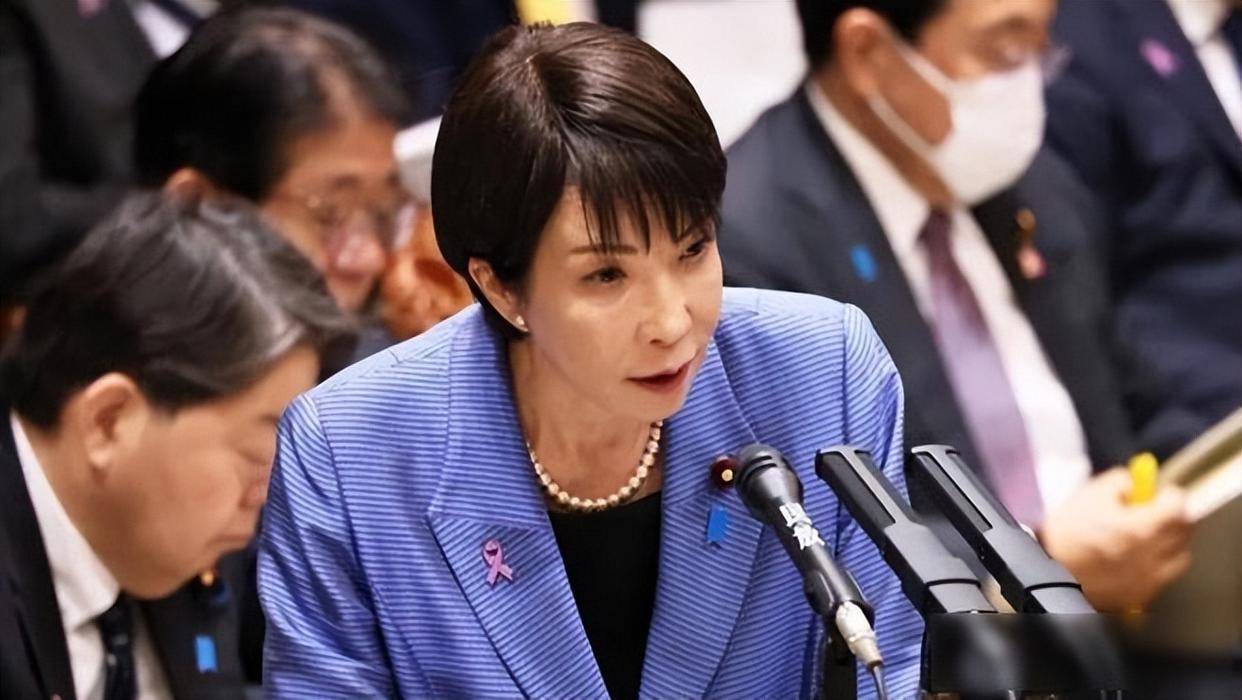
Core Viewpoint - The article discusses the ongoing "Anshi Chaos" involving ASML and the Dutch government's actions, highlighting the complexities of international relations and the implications for Chinese companies in the semiconductor industry. Group 1: Background of the Incident - The European Commission's trade and economic security commissioner expressed gratitude to China for its efforts in resolving the ASML semiconductor issue and indicated a willingness to work together to de-escalate tensions [1] - The Dutch Minister of Economic Affairs announced the suspension of regulatory decisions regarding ASML in response to China's "goodwill," which has been interpreted by many foreign media as a return of control to ASML [1] - Despite the suspension, the underlying issues that triggered the "Anshi Chaos" remain unresolved, indicating that the situation is far from over [1][2] Group 2: Legal and Administrative Developments - The Dutch administrative order has been challenged in court, and the suspension does not alleviate the immediate concerns of Wintech Technology, which is still facing restrictions on its rights [2][4] - The Dutch government's statement regarding the suspension was poorly formatted and lacked clarity, raising questions about its legitimacy [3] - Wintech Technology criticized the Dutch government's response as inadequate, emphasizing that the core issues have not been addressed [4][5] Group 3: International Relations and Strategic Implications - The article suggests that the "Anshi Chaos" may have been a calculated move influenced by external forces, particularly the United States, to undermine China's semiconductor capabilities [7][8] - Evidence indicates that the Dutch government had been in discussions with the U.S. regarding semiconductor regulations prior to the incident, suggesting a coordinated effort to limit China's technological advancements [9][10] - The relationship between the Netherlands and China has been complex, with significant trade growth, yet the Dutch government is increasingly succumbing to U.S. pressure regarding semiconductor exports [20][21] Group 4: Future Considerations for Chinese Companies - The article emphasizes the need for Chinese companies to adapt and strengthen their international strategies in light of the challenges posed by foreign regulatory actions [30][39] - It calls for a coordinated response from the government, enterprises, and society to enhance China's capabilities in dealing with international pressures and to protect the rights of Chinese companies abroad [30][41] - The importance of developing a robust legal and operational framework to safeguard against similar incidents in the future is highlighted, suggesting that a proactive approach is essential for maintaining competitiveness in the global market [40][41]


高市涉台言论,中方旅游留学提醒,日本股市多米诺骨牌崩盘
Sou Hu Cai Jing· 2025-11-19 12:34
Group 1 - The political statement made by Japanese Prime Minister Kishi Nobuo regarding Taiwan triggered a severe market reaction in Japan, leading to significant stock price drops for major retail companies, with Shiseido falling by 11% and Isetan Mitsukoshi dropping over 10% [3][5] - Analysts predict that if the current market conditions persist, Japan's GDP could be directly impacted by a reduction of 0.4 percentage points for the year [5] - The economic consequences of the political gamble are profound, with estimates suggesting that Japan could lose 2.2 trillion yen in revenue due to the fallout from the Chinese response [7] Group 2 - The Chinese response to Japan's political statements was characterized as a "non-traditional" form of punishment, focusing on tourism and study reminders rather than direct sanctions, which reflects a strategic approach to exert pressure [11][13] - The market's immediate reaction involved a sell-off of stocks related to the Japanese consumer market, indicating a heightened perception of political risk [11][13] - The event serves as a lesson for the international community, highlighting the importance of understanding the economic consequences of political actions, as seen in the historical context of Lithuania's experience with China [17][29] Group 3 - The incident illustrates a new mode of strategic competition, combining diplomatic and market responses, which marks an evolution in China's approach compared to past incidents [19][21] - The implications of this event extend beyond Japan, reshaping global perceptions of power dynamics and the significance of defining rules in international relations [23][25] - The potential for further economic repercussions, such as the use of China's dominance in rare earth materials, underscores the strategic leverage China holds in global supply chains [27][29]