
差异化收费

Search documents
重大消息!高速免费时代来了?多地宣布停止收费!
Sou Hu Cai Jing· 2025-11-25 14:43
Core Viewpoint - The recent announcement of free highways in various regions of China, including the Ningbo Ring Expressway and the G30 Lianhuo Expressway, marks a significant shift towards reducing travel costs for citizens and promoting regional economic activity, but it also presents challenges related to maintenance funding and traffic congestion [1][3][5]. Group 1: Benefits of Free Highways - Free highways lead to significant savings for citizens and reduced costs for businesses, enhancing regional economic activity [5]. - For instance, the Chengdu-Mianyang Expressway saw a 30% increase in traffic volume after becoming free, with commuters saving 50 yuan per trip and logistics companies reducing costs by 12.5% [3]. - The Zhengzhou Ring Expressway's free access saves approximately 100 million vehicle trips annually [5]. Group 2: Challenges of Free Highways - There is a substantial funding gap for highway maintenance, with the Ministry of Transport predicting a future demand exceeding 300 billion yuan for upkeep [5]. - Traffic volume can increase by 20% on certain routes after becoming free, leading to congestion, particularly during peak times [5]. - Some regions are extending toll collection periods through highway upgrades, raising public concerns about transparency and fairness [5]. Group 3: Government Actions and Future Directions - The Ministry of Transport is revising the "Regulations on the Management of Toll Roads" to clarify rules regarding toll-free periods and extensions for upgraded highways [6]. - New funding models are being explored, such as public-private partnerships for maintenance and encouraging commercial development in service areas [6]. - The concept of differentiated tolls is being considered to manage congestion and funding needs effectively [8]. Group 4: Future Outlook - The trend towards free highways is expected to continue, but it requires careful management to balance public benefits with maintenance and congestion issues [10]. - Potential strategies include using big data and AI for traffic management and encouraging private investment in highway operations [9][10].

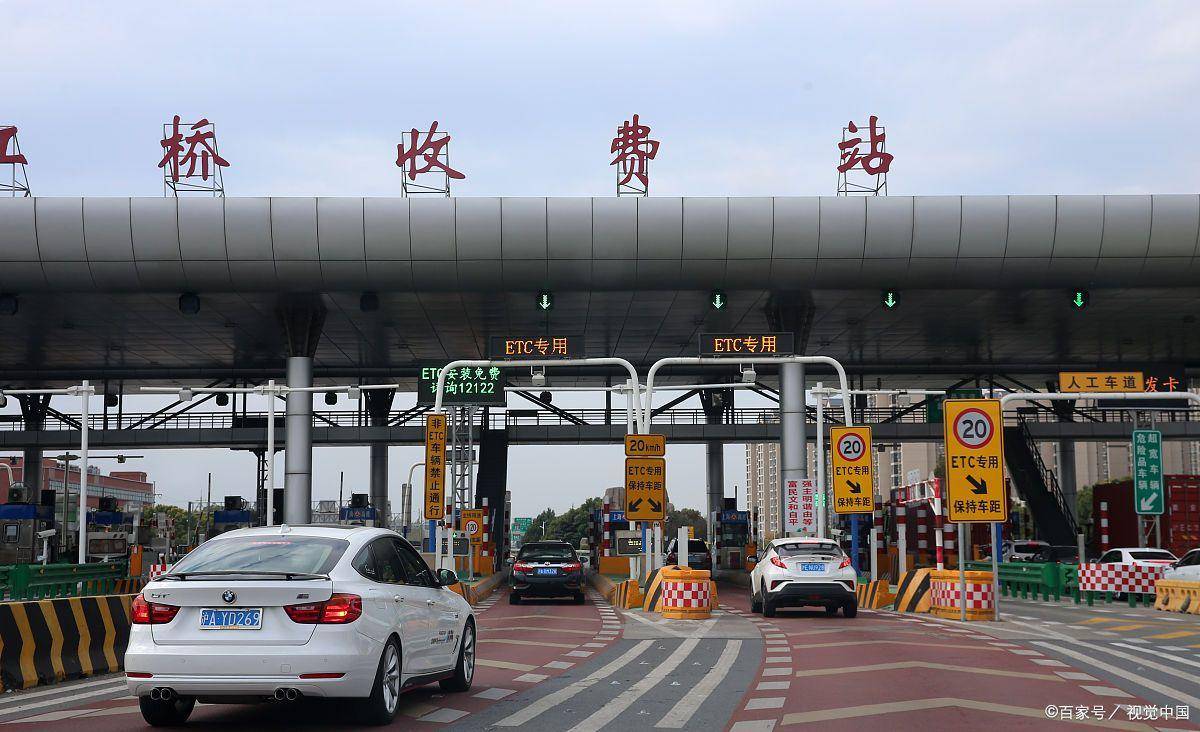
高速公路收费涨价了吗?
2025-11-07 01:28
Summary of Key Points from Conference Call Records Industry Overview - The highway industry in China has approximately 86,000 kilometers of operational toll roads as of the end of 2021, with listed companies holding about 5% of these assets, primarily managing early-stage, profitable segments like Shandong Highway and Guangdong Transportation [1][3] - The construction cost of highways has surged from 32 million yuan per kilometer in 2011 to approximately 150 million yuan in 2021, leading to an expanded revenue gap and increased industry debt risk [1][3] - In 2021, the industry generated over 600 billion yuan in revenue, while expenditures reached 1.1 trillion yuan, resulting in a deficit of 500 billion yuan [1][4] Future Construction Demand - As of the end of 2024, China has completed 124,100 kilometers of national highways, with an additional 30,000 to 40,000 kilometers under construction, nearing the planned target of 162,000 kilometers [5] - Future demand for highway construction is expected to decline, with only limited needs in specific regions, such as border areas, which have low investment value [5] Toll Road Policy Framework - The toll road policy framework consists of laws, regulations, and policies, including the Highway Law and the Regulations on the Administration of Toll Roads [2] - There are two types of toll roads: government-backed and operational toll roads, with the former being built using loans and the latter by profit-driven enterprises [2][3] Pricing and Revenue Challenges - The pricing standards for toll roads are determined by provincial governments and are influenced by various factors, including technical standards, total investment, price indices, and traffic volume [6] - The potential for adjusting toll rates is limited due to concerns about traffic volume impacts, which could lead to reduced revenues [6][10] - The introduction of differentiated toll pricing aims to enhance resource utilization efficiency and is being actively promoted by the government [7][8][10] Financial Stability and Investment Risks - Highway companies exhibit stable cash flows, making them attractive for defensive investment strategies, despite facing long-term risks such as expiring toll collection periods and reduced new project opportunities [12][13] - The upcoming expiration of many operational toll roads in 2025 and 2026 could significantly impact adjacent government-backed toll roads, as traffic may shift to free roads, reducing revenues for toll roads [21][22] Government and Stakeholder Dynamics - Local governments must balance public sentiment and debt resolution when considering toll increases, often leading to complex negotiations and decisions [17][19] - The hearing mechanism for toll adjustments may not fully reflect public opinion due to selective participation and potential biases in the process [15] Conclusion - The highway industry faces significant challenges due to rising construction costs, revenue deficits, and the impending expiration of toll collection periods. The focus on differentiated pricing and the need for strategic government interventions will be crucial in navigating these challenges and ensuring the sustainability of highway operations in China [1][4][21][22]