智慧化管理

Search documents
中国城市供水行业发展前景如何?城市供水管道长度不断增加,供水总量持续扩大
Xin Lang Cai Jing· 2026-02-05 12:19
Core Insights - The Chinese urban water supply industry is experiencing growth, with a total supply expected to reach 704.88 billion tons in 2024, marking a year-on-year increase of 2.52% [21][26] - The industry is entering a mature phase, with future demand growth expected to slow down despite ongoing urbanization [21][28] - Key listed companies in the sector include Beijing Enterprises Water Group, Beijing Capital Eco-Environment Protection Group, and others [21][26] Urban Water Supply Industry Overview - Urban water supply systems consist of water source extraction facilities, treatment plants, and distribution networks, adhering to principles of resource development and water conservation [21][23] - The process involves transporting water from sources to treatment facilities, followed by purification and distribution to households, including secondary supply measures for high-rise buildings [23][26] Industry Policies - The urban water supply sector is critical for public health and social stability, prompting the government to implement various policies aimed at enhancing water supply safety and promoting sustainable development [26][27] - Notable policies include the 2025 plan for comprehensive river protection and the 2025-2030 implementation plan for high-quality development of water-saving equipment [26][27] Development Background - The urban water supply industry's growth is closely linked to urbanization, with the urbanization rate in China rising from 58.52% in 2017 to 67% in 2024 [28] - Future developments will focus on water safety, efficiency, and smart management alongside meeting increasing demand [28] Industry Chain - The urban water supply industry chain includes upstream components such as water sources and treatment facilities, midstream construction and operation, and downstream markets comprising residential and commercial users [30][31] Current Industry Status - The urban water supply sector is a vital infrastructure component of the national economy, essential for urbanization and sustainable development [32][35] - The total length of urban water supply pipelines in China has increased from 710,200 kilometers in 2015 to 1,199,500 kilometers in 2024, with a compound annual growth rate of 6% [33][35]

68岁老水闸冬季焕新
Xin Lang Cai Jing· 2026-01-16 22:13
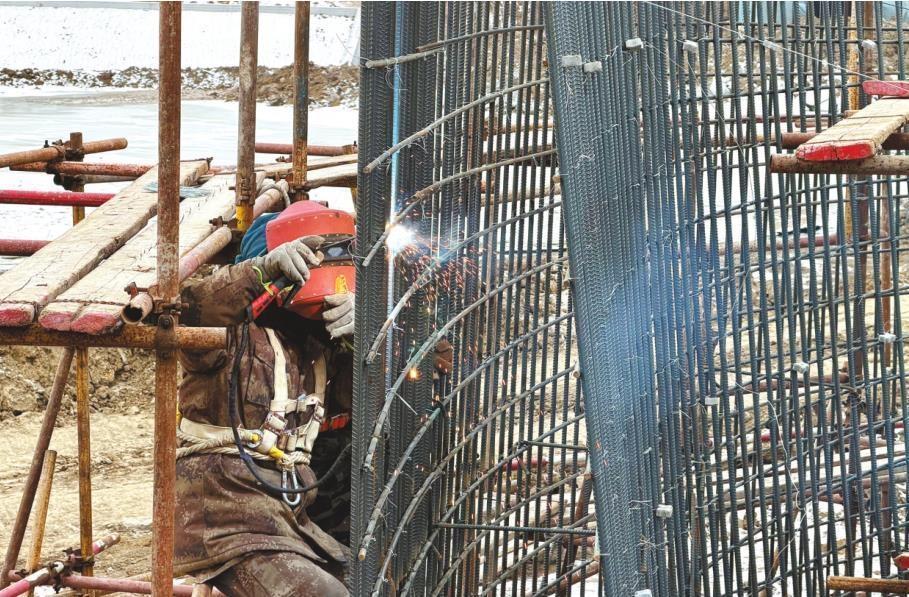
Core Viewpoint - The article highlights the ongoing construction of the Liuhua Dam reinforcement project in Liaoyang, which is the largest water gate project in the province, emphasizing the urgency and innovative methods employed to ensure timely completion despite harsh winter conditions [2][3][4]. Group 1: Project Overview - The Liuhua Dam reinforcement project is the largest key project in the province's water gate category, with construction having started on October 30, 2025 [2]. - The project aims to ensure that the dam can store water by the end of March and meet irrigation needs for downstream farmland by the end of April [2][3]. - The original dam, built in 1958, has deteriorated significantly, necessitating its reconstruction to enhance irrigation capabilities and improve water resource management in the region [4]. Group 2: Construction Techniques - A unique construction method involving a heated enclosure has been implemented to facilitate winter construction, allowing for optimal conditions for concrete pouring [3]. - The enclosure uses a combination of "anti-freeze plastic and insulation blankets," with heating provided by stoves and diesel generators [3]. - Additional measures include heating raw materials, using warm water for mixing, and adding early-strength and anti-freezing agents to ensure concrete quality during winter [3]. Group 3: Future Developments - The renovated Liuhua Dam will feature a "digital brain" for real-time monitoring of water levels, flow rates, and structural integrity, enabling automated control of the gates [6]. - This modernization is expected to significantly enhance the management and efficiency of water resources in the region [6].
海南鹦哥岭特长隧道双洞贯通
Hai Nan Ri Bao· 2026-01-03 01:09
Core Viewpoint - The successful completion of the dual tunnel breakthrough at the Yinggeling Tunnel, part of the Shiyun to Baisha Expressway, marks a significant milestone for traffic upgrades in central Hainan, laying a solid foundation for the expressway's full operation by 2026 [2]. Group 1: Project Overview - The Yinggeling Tunnel is 8.282 kilometers long and designed as a separated dual four-lane expressway tunnel [2]. - The project is managed by China Communications Second Highway Engineering Group, which undertook the main tunnel construction of 3,730 meters and a shaft of 1,275 meters [2]. - The construction faced complex geological conditions, including two fault zones, making the project particularly challenging [2]. Group 2: Construction Milestones - Key milestones include the early breakthrough of the 1,275-meter shaft in October 2024, expanding the total working face to four [2]. - The left tunnel achieved a breakthrough of 1,000 meters in December 2024 and 2,000 meters in April 2025, while the right tunnel reached similar milestones in November 2024 and March 2025 [2]. - The right tunnel successfully completed its breakthrough on December 8, 2025, leading to the overall dual tunnel completion after two years of intensive work [2]. Group 3: Technological and Environmental Considerations - The project utilized a "main tunnel + shaft" synchronous construction system and real-time geological radar monitoring to address complex geological risks [3]. - Safety and quality control were emphasized, with the introduction of a smart management system and a digital monitoring command center [3]. - Environmental considerations included the use of wastewater treatment equipment and a fully enclosed gravel processing plant, promoting resource reuse and aligning with ecological priorities [3]. Group 4: Impact on Regional Development - The tunnel's completion is expected to significantly improve transportation conditions in central Hainan, facilitating easier travel for residents [3]. - It supports rural revitalization and regional coordinated development, accelerating resource development and tourism integration in mountainous areas [3]. - The project is seen as a critical infrastructure component for Hainan's Free Trade Port construction, enhancing transportation support [3].
石娟:以设计革新重塑海外能源工程格局
Qi Lu Wan Bao· 2025-12-10 16:25
Core Insights - The article highlights the significant contributions of Shi Juan in the field of oil and gas field surface engineering, emphasizing her role in breaking international barriers and establishing Chinese standards through innovative design and technology [1][4]. Group 1: Technological Breakthroughs - Shi Juan has developed a replicable and adaptable international design methodology to address the complexities of overseas oil field engineering, which involves overcoming geographical, standard, and environmental challenges [1]. - A notable achievement is the design of a passive cooling and ventilated roof system for the Al-Hufair oil field in Iraq, which reduces indoor temperatures by 5-8°C and significantly lowers air conditioning energy consumption [1]. - The introduction of modular and standardized construction techniques has revolutionized overseas engineering projects, reducing on-site installation time by 60% and lowering risks and costs associated with overseas construction [1]. Group 2: Smart Camp System - The construction of a smart camp system integrates IoT technology, enabling security monitoring, intelligent fire protection, and energy monitoring, while also utilizing solar photovoltaic systems and greenhouses in desert camps to meet low-carbon demands [2]. Group 3: Project Impact and Recognition - The Al-Hufair oil field project in Iraq serves as a model for Chinese overseas energy cooperation, with significant achievements including a 300MW power system that has become the most comprehensive oil field power network in post-war Iraq, saving operational costs of 2.5 million yuan [3]. - The Agadem oil field project in Niger exemplifies the value of the Belt and Road Initiative, achieving a production scale of 4.5 million tons per year and saving 400 million yuan in investment, marking a milestone in Niger's emergence as an oil-exporting country [3]. Group 4: Green Transformation and Industry Reshaping - The participation in the Al-Hufair natural gas processing plant, which reduces sulfur dioxide emissions by 30,000 tons annually and supplies natural gas for 5 billion kWh of electricity, showcases the shift towards comprehensive energy service providers in the oil industry [4]. - Shi Juan's work has redefined international perceptions of Chinese energy engineering, with her design templates becoming industry standards and her contributions facilitating the transition from extensive construction to intelligent operations in the industry [4].
重大消息!高速免费时代来了?多地宣布停止收费!
Sou Hu Cai Jing· 2025-11-25 14:43
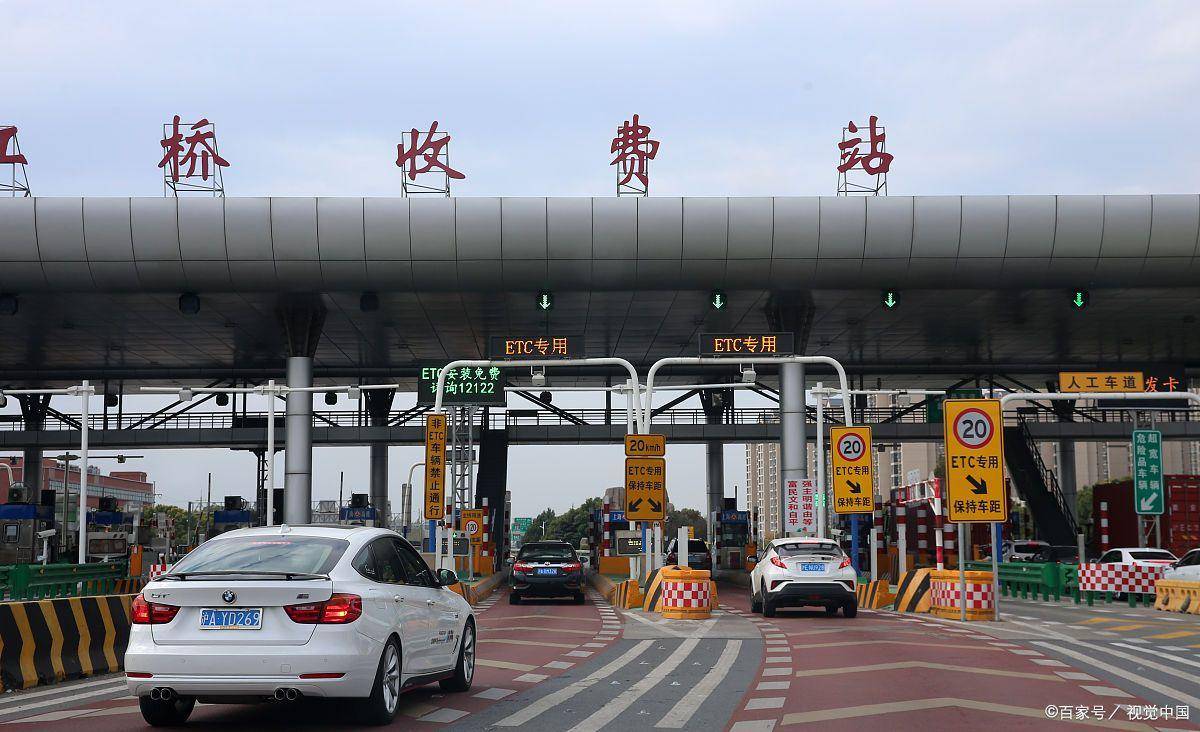
Core Viewpoint - The recent announcement of free highways in various regions of China, including the Ningbo Ring Expressway and the G30 Lianhuo Expressway, marks a significant shift towards reducing travel costs for citizens and promoting regional economic activity, but it also presents challenges related to maintenance funding and traffic congestion [1][3][5]. Group 1: Benefits of Free Highways - Free highways lead to significant savings for citizens and reduced costs for businesses, enhancing regional economic activity [5]. - For instance, the Chengdu-Mianyang Expressway saw a 30% increase in traffic volume after becoming free, with commuters saving 50 yuan per trip and logistics companies reducing costs by 12.5% [3]. - The Zhengzhou Ring Expressway's free access saves approximately 100 million vehicle trips annually [5]. Group 2: Challenges of Free Highways - There is a substantial funding gap for highway maintenance, with the Ministry of Transport predicting a future demand exceeding 300 billion yuan for upkeep [5]. - Traffic volume can increase by 20% on certain routes after becoming free, leading to congestion, particularly during peak times [5]. - Some regions are extending toll collection periods through highway upgrades, raising public concerns about transparency and fairness [5]. Group 3: Government Actions and Future Directions - The Ministry of Transport is revising the "Regulations on the Management of Toll Roads" to clarify rules regarding toll-free periods and extensions for upgraded highways [6]. - New funding models are being explored, such as public-private partnerships for maintenance and encouraging commercial development in service areas [6]. - The concept of differentiated tolls is being considered to manage congestion and funding needs effectively [8]. Group 4: Future Outlook - The trend towards free highways is expected to continue, but it requires careful management to balance public benefits with maintenance and congestion issues [10]. - Potential strategies include using big data and AI for traffic management and encouraging private investment in highway operations [9][10].
海南旅游公路创新试点实现预期目标,有哪些经验可复制推广?
Di Yi Cai Jing· 2025-11-21 03:58
Core Insights - The article discusses the successful completion of the "Hainan Island Tourism Highway Innovation Development" pilot project, which has established a comprehensive investment and financing model for tourism highway construction in Hainan Province [1][2]. Group 1: Project Overview - The pilot project has resulted in the construction of a main line of 988 kilometers of the tourism highway, integrating government support, enterprise self-funding, social capital, and market financing [1][4]. - The project aims to enhance the quality, service capacity, and intelligent management level of Hainan's tourism highway construction [1][4]. Group 2: Investment and Financing Model - The investment model includes government special bonds, enterprise self-funding, and social capital, with remaining construction funds sourced through bank loans and other market financial tools [4]. - The project has implemented a "road and station separation" investment construction approach, allowing social capital to develop service stations while the government leads the investment in the highway [4]. Group 3: Technological Integration - Hainan has utilized advanced technologies such as IoT, cloud computing, AI, big data, and 5G to create a tourism and transportation integration cloud platform, enhancing service applications [5]. - The project includes the establishment of data centers and demonstration segments to provide intelligent monitoring and information services [5]. Group 4: Economic Impact - In the first three quarters of this year, Hainan received 75.51 million tourists, with total tourism expenditure reaching 164.71 billion yuan, reflecting growth rates of 8.0% and 9.5%, respectively [5].
澳门国际机场智能安检通道增至7条
Xin Jing Bao· 2025-11-17 05:18
Core Viewpoint - The introduction of seven new smart security channels at Macau International Airport significantly enhances security check accuracy and efficiency, reducing passenger wait times and improving travel convenience and comfort [1] Group 1: Project Overview - The central security channel optimization project at Macau International Airport is a key step towards smart management [1] - The project commenced in July this year and is being implemented in phases to address the increasing passenger volume and security check demands [1] - The final new channel is expected to complete testing and enter service by December this year [1]
“东航车驭云”研发上线 优化民航地面特种车辆管理
Zhong Guo Min Hang Wang· 2025-11-07 06:11
Core Insights - Eastern Airlines has launched the "Donghang Cheyu Cloud" mini-program to enhance the management of special vehicle equipment in airport support systems through smart technology [1][2] - The mini-program has been implemented across 20 units and 1,386 vehicles under Eastern Airlines Technology, achieving a fully digital management process with zero paperwork, signatures, and disputes at the grassroots level [1] - The program integrates five core elements, creating a comprehensive information archive for the entire lifecycle of vehicles, allowing users to access complete vehicle information via QR codes [1] Summary by Sections - **Digital Management Efficiency** - The mini-program has led to a 90% reduction in operational errors due to real-time data interaction among vehicles, personnel, finances, and materials [1] - It enables automatic synchronization of vehicle operation data with fuel consumption management, minimizing manual entry errors [1] - **Predictive Maintenance and Cost Savings** - The program transitions from reactive maintenance to predictive support, achieving early fault warnings and saving an average of 329,200 yuan annually in redundant repair costs [2] - An intelligent maintenance plan based on operating hours is expected to reduce maintenance costs by 1,050,000 yuan per year, enhancing the liquidity value of idle resources and maximizing the efficiency of existing assets [2]

多地零碳园区建设提速,中小企业探索破解高成本难题
Zhong Guo Zheng Quan Bao· 2025-10-20 00:18
Core Viewpoint - The construction of zero-carbon parks is gaining momentum across various regions, driven by policy support and market demand, and is seen as a crucial strategy for industrial green transformation [2][3]. Policy and Market Drivers - The National Development and Reform Commission, Ministry of Industry and Information Technology, and National Energy Administration issued a notice in July to accelerate the energy structure transformation of parks and promote energy conservation and carbon reduction [3]. - Zero-carbon parks can receive funding support of 20% of the approved total investment amount as part of the "low-carbon, zero-carbon, negative-carbon demonstration projects" [3]. - Local governments have set ambitious targets for zero-carbon park construction, such as Sichuan aiming to establish 20 near-zero carbon parks by 2025 and Shandong targeting 15 provincial-level zero-carbon parks by 2027 [3]. Energy Structure Transformation - Energy structure transformation is key to carbon reduction in parks, with local resource endowments influencing energy supply methods [7][8]. - The establishment of a green electricity supply system in parks can significantly reduce product carbon footprints and help small and medium-sized enterprises (SMEs) cope with international green trade barriers [4]. Technological Innovations - AI and digital technologies are becoming critical supports for zero-carbon parks, enabling complex energy dispatch and management [10]. - Digital management platforms are emerging as essential tools for precise management of energy consumption and carbon emissions in parks [11]. Challenges and Solutions - SMEs face high costs for zero-carbon transformation, which poses a significant challenge for park construction [9]. - To lower transformation costs for SMEs, park management can provide centralized energy operation platforms and financial institutions can offer low-interest green loans based on overall park credit [9]. Examples of Successful Implementation - Companies like Kangfen Biotech are implementing zero-carbon standards in their facilities, utilizing solar energy and waste recycling to reduce carbon footprints [2]. - The Ordos zero-carbon industrial park serves as a model for transforming coal-dependent areas into industrial decarbonization examples, leveraging local wind and solar resources [4].


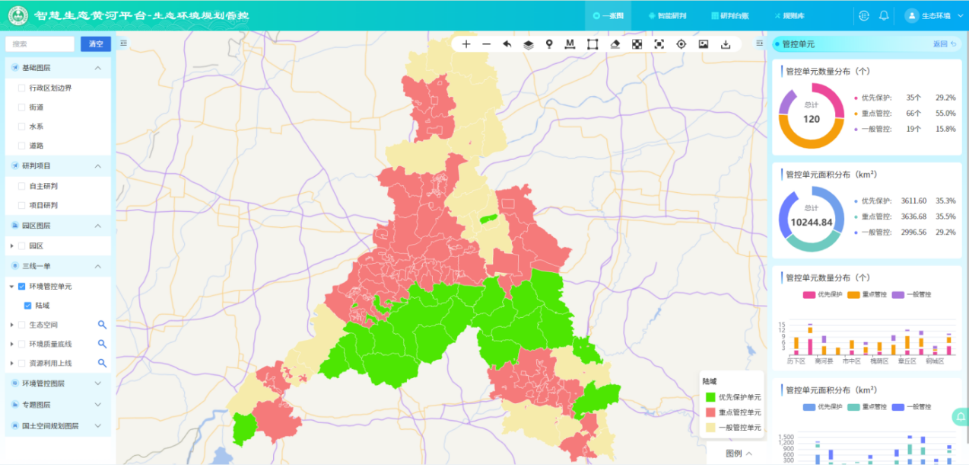
济南市数字赋能生态环境分区管控 智慧护航绿色高质量发展
Qi Lu Wan Bao· 2025-10-10 08:32
Core Insights - The Jinan Ecological Environment Bureau is leveraging digital tools to enhance the modernization of ecological governance systems and capabilities, utilizing the "Smart Ecological Yellow River" platform to create an ecological planning and control system [1][2] Group 1: Digital Transformation in Ecological Governance - The ecological planning and control system is integrated with the "Smart Ecological Yellow River" platform, facilitating easy access for environmental management personnel [2] - The system features a comprehensive framework that includes smart navigation, one-click queries, multi-end analysis, intelligent judgment, and self-service capabilities [2][4] Group 2: Intelligent Decision-Making Support - A large-scale data rule library has been established, integrating nearly 300,000 pieces of vector data on sensitive environmental areas and over 6,000 judgment rules [4] - The system employs a rules engine technology for comprehensive intelligent analysis of environmental compliance for construction projects, enhancing data matching and logical reasoning [4] - Real-time data access and decision-making capabilities are strengthened through seamless integration with the "Shandong Province Environmental Impact Assessment Approval System" [4] Group 3: Public Service Innovations - The Jinan government has developed a mini-program for spatial analysis of ecological zoning control, available on the "Love Shandong" app, which includes three main public service features [5] - The three features are a risk warning system using a three-color signal light, an ecological environment smart navigation tool for self-service inquiries, and a digital consultant for phone support [5] Group 4: Lifecycle Management and Future Plans - A comprehensive smart management model has been established, connecting all stages of project lifecycle management, from source prevention to process supervision and public service [7] - The system provides scientific site selection advice during the project initiation phase, preliminary compliance checks during the approval phase, and data support for non-site enforcement during the operational phase [7] - Future plans include enhancing the integration and application of ecological data resources, focusing on optimizing the business environment and non-site supervision to support green, low-carbon, high-quality development [7]