
干眼症

Search documents
别再把干眼症当“小毛病”!这份“护眼秘籍”请收好
Xin Lang Cai Jing· 2026-02-22 19:57
Core Viewpoint - Dry eye syndrome poses significant health risks beyond mere discomfort, potentially leading to long-term damage to eye health and quality of life. Group 1: Health Risks of Dry Eye Syndrome - Symptoms such as dryness, burning, and foreign body sensation can decrease work efficiency and affect daily activities like reading and driving, potentially leading to anxiety and sleep disorders [1] - Insufficient tear production weakens the eye's defense, increasing the risk of infections like conjunctivitis and keratitis due to corneal epithelial erosion [1] - Prolonged dry eye can cause corneal damage, leading to temporary vision blurriness and, if untreated, permanent scarring that affects vision [1][2] - Chronic inflammation and eye surface damage can create a vicious cycle, worsening the condition and complicating treatment [2] Group 2: Causes and Contributing Factors - Dry eye syndrome has complex causes, including age, autoimmune diseases, medication effects, nerve damage, and environmental factors, as well as poor eye habits [4] - Prolonged use of contact lenses, especially beyond 12 hours, can lead to dryness and corneal hypoxia, increasing the risk of corneal diseases [4] - Extended screen time significantly reduces blink rates, leading to decreased tear film stability [5] - The use of certain over-the-counter eye drops may mask symptoms without addressing the underlying issue, potentially inhibiting natural tear production [6] - Using electronic devices in dark environments can exacerbate dryness and fatigue [7] - Working in low-humidity environments, such as air-conditioned offices, can further dry out the eyes [9] Group 3: Recommendations for Eye Care - The 20-20-2 rule suggests taking a break every 20 minutes to look at something 20 feet away for 20 seconds, along with two slow blinks to help alleviate dry eye symptoms [9] - Adjusting the computer screen to a slight downward angle can reduce tear evaporation by minimizing the exposure of the tear film [9] - Home care strategies include warm compresses to improve blood circulation and eye lubrication, and a diet rich in unsaturated fatty acids and vitamins, following a Mediterranean diet [9]
这5件事再干下去,眼睛真要“废了”!第一件就很多人做
Xin Lang Cai Jing· 2026-02-22 06:37
Core Viewpoint - Dry eye syndrome is a common eye condition affecting one in three people in China, often exacerbated by daily habits and environmental factors [1][15]. Group 1: Symptoms of Dry Eye Syndrome - Typical symptoms include dryness, a sensation of foreign body presence, burning or stinging sensations, and eye fatigue [3][4][5]. - Visual symptoms consist of blurred vision, light sensitivity, and temporary vision fluctuations [6][7][8]. - Other accompanying symptoms may include redness, increased tearing, and difficulty wearing contact lenses [9][10][12]. Group 2: Risks and Complications - Long-term dry eye can lead to decreased quality of life, increased risk of infections, and potential vision impairment [15][17][18]. - Chronic inflammation and damage to the eye surface can occur, complicating treatment and worsening the condition [20]. Group 3: Causes and Contributing Factors - The causes of dry eye syndrome are multifaceted, including age, autoimmune diseases, medication effects, and environmental factors [22]. - Poor eye care habits, such as prolonged contact lens wear and excessive screen time, significantly contribute to the condition [22][23][25]. Group 4: Prevention and Management Strategies - Recommended strategies include the 20-20-20-2 rule for screen time, proper screen positioning, and dietary adjustments to include omega-3 fatty acids [26][27][28]. - Home care methods like warm compresses can improve blood circulation and alleviate symptoms [27].

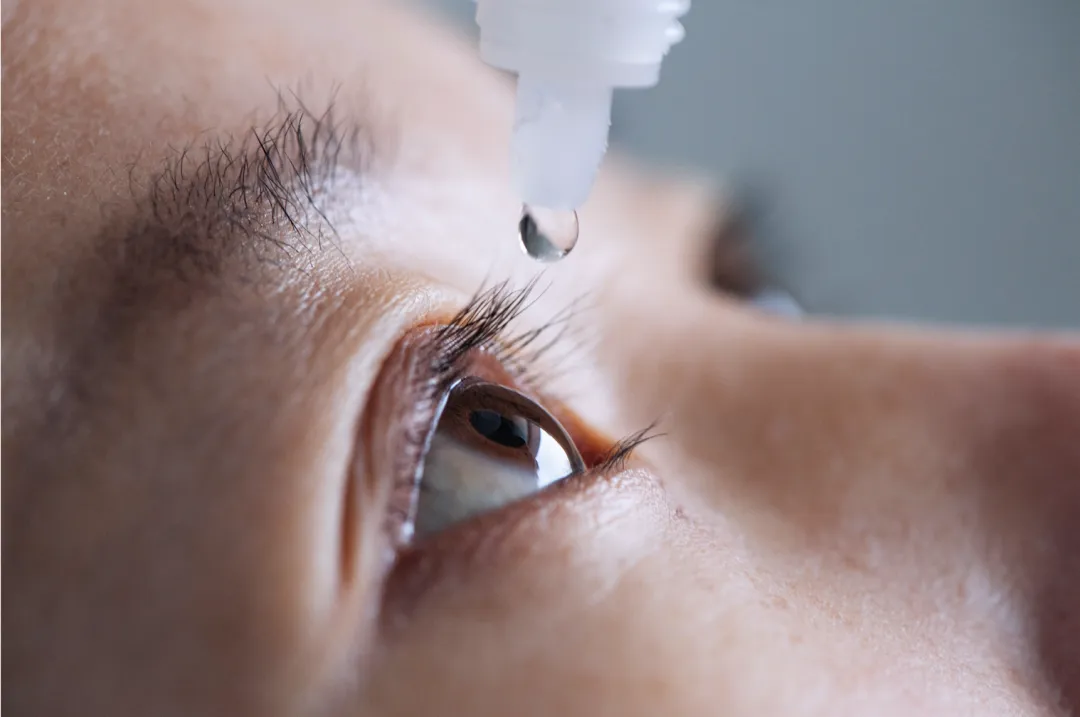
这5件事再干下去,你的眼睛可能真要废了!
Xin Hua Wang· 2026-02-09 16:13
Core Insights - Dry eye syndrome is a common eye condition affecting approximately one in three individuals in China, often overlooked as mere dryness or fatigue [2][4]. Group 1: Symptoms of Dry Eye Syndrome - Typical symptoms include dryness, foreign body sensation, burning or stinging, and eye fatigue, which worsen with prolonged use of digital devices [4][5][6][7]. - Visual symptoms consist of blurred vision, light sensitivity, and temporary vision fluctuations due to unstable tear film [8][9][10]. - Other accompanying symptoms may include redness, increased tearing, and difficulty wearing contact lenses [11][12][14]. Group 2: Risks and Complications - Long-term dry eye can lead to decreased quality of life, increased risk of infections, and potential vision impairment due to corneal damage [16][17][18]. - Chronic inflammation and eye surface damage can create a vicious cycle, complicating treatment [20]. Group 3: Causes and Contributing Factors - Dry eye syndrome can be caused by various factors, including age, autoimmune diseases, medication effects, and environmental conditions [22]. - Poor eye care habits, such as prolonged contact lens wear and excessive screen time, significantly contribute to the condition [22][24][25][26]. Group 4: Management and Prevention - Recommendations for managing dry eye include the 20-20-20-2 rule, adjusting screen height, warm compresses, and dietary changes to include omega-3 fatty acids and vitamins [28][29].

一个方法自测是否患干眼症
Xin Lang Cai Jing· 2026-02-08 00:59
Core Viewpoint - Dry eye syndrome, also known as dry keratoconjunctivitis, is a common eye condition caused by insufficient tear production, rapid evaporation, or abnormal tear composition, leading to discomfort on the eye surface [1] Summary by Relevant Sections - The article provides methods for individuals to preliminarily assess whether they may have dry eye syndrome [1]
这5件事再干下去,眼睛可能要废了!
Xin Lang Cai Jing· 2026-02-07 23:55
Core Viewpoint - Dry eye syndrome poses significant health risks beyond mere discomfort, potentially leading to long-term damage to eye health and quality of life [1] Group 1: Health Risks of Dry Eye Syndrome - Symptoms such as dryness, burning, and foreign body sensation can decrease work efficiency and affect daily activities like reading and driving, potentially leading to anxiety and sleep disorders [1] - Insufficient tear production weakens the eye's defense, increasing the risk of infections like conjunctivitis and keratitis due to micro-injuries on the cornea [1] - Chronic dry eye can cause corneal surface damage, leading to temporary vision blurriness and, if untreated, permanent scarring [1] - Dry eye syndrome may exacerbate other eye conditions such as glaucoma and cataracts, and in rare cases, can lead to corneal perforation [1] - Long-term dry eye can trigger chronic inflammation and damage to the eye surface, creating a vicious cycle that complicates treatment [1] Group 2: Causes and Contributing Factors - The causes of dry eye syndrome are complex, including age, autoimmune diseases, medication effects, nerve damage, and both environmental factors and poor eye habits [3] - Prolonged use of contact lenses, especially beyond 12 hours, can lead to dryness and corneal hypoxia, increasing the risk of corneal diseases [3] - Staring at electronic devices significantly reduces blink rates, leading to inadequate lubrication of the eye surface, which can shorten tear film stability [4] - The use of certain over-the-counter eye drops may mask symptoms without addressing the underlying issue, potentially inhibiting natural tear production [5] - Using screens in dark environments can exacerbate dryness and fatigue, while low humidity environments, such as air-conditioned offices, can further dry out the eyes [8][9] Group 3: Prevention and Care Strategies - The 20-20-2 rule suggests taking breaks every 20 minutes to look at something 20 feet away for 20 seconds, along with slow blinking to help alleviate dry eye symptoms [9] - Adjusting computer screens to a slight downward angle can reduce tear evaporation by minimizing exposure of the eye surface [9] - Home care strategies include warm compresses to improve blood circulation and eye lubrication, and a diet rich in unsaturated fatty acids and vitamins to support eye health [10]
新研究显示干眼症与泪腺细胞自噬机制紊乱有关
Xin Hua Wang· 2026-01-04 09:23
Core Viewpoint - An international study has discovered that disruption of the autophagy mechanism in tear glands can lead to abnormal tear secretion, which may be a significant cause of dry eye syndrome, providing new insights for treatment [1] Group 1: Research Findings - The study indicates that the autophagy mechanism in tear glands is crucial for destroying damaged organelles and proteins, preventing waste accumulation and disease [1] - Researchers from the University of Birmingham and other institutions created human tear gland "organoids" using stem cells and disrupted their autophagy mechanism, resulting in an imbalance in cell composition and a significant reduction in tear protein secretion, mirroring conditions in dry eye patients [1] Group 2: Potential Treatments - The study found that nicotinamide mononucleotide and melatonin can alleviate the dysfunction caused by disrupted autophagy in tear gland organoids, reducing cell death and restoring tear protein secretion [1]
5个小妙招 拯救“干眼打工人”
Bei Jing Qing Nian Bao· 2025-12-15 01:12
Core Viewpoint - Dry eye syndrome is a common ophthalmic condition affecting approximately 300 million people in China, and understanding prevention and treatment methods can significantly reduce its occurrence [1] Group 1: Treatment and Management - Most dry eye patients can effectively control symptoms through appropriate treatment and care, with some cases improving or even resolving after addressing specific causes [2] - Patients with mild symptoms may wear contact lenses temporarily, but those with more severe symptoms should avoid them to prevent exacerbation and infection risks [3] - Artificial tears can be used for occasional or mild dryness, with recommendations on choosing preservative-free options for frequent use [4] Group 2: Symptoms and Lifestyle Adjustments - Tearing in response to wind or light is a common symptom of dry eye, and persistent tearing indoors may indicate a blockage in the tear ducts [5] - To alleviate dry eye symptoms, methods such as warm compresses and reducing exposure to irritants in windy or bright environments are suggested [6] - Maintaining good eye habits, such as taking breaks from screens and following the "20-20-20" rule, is essential for eye health [7][8] Group 3: Environmental Considerations - Adjusting screen brightness and using humidifiers to maintain indoor humidity levels between 40%-60% can help reduce dryness [9] - Avoiding direct airflow from air conditioning or fans on the eyes is recommended to minimize tear evaporation [9]
眼睛看一会儿手机就模糊?你可能患上了干眼症 自测一下
Yang Shi Xin Wen· 2025-07-04 07:44
Core Viewpoint - Dry eye syndrome is a common eye condition affecting one in three people in China, often exacerbated by daily habits and environmental factors [2][15]. Group 1: Symptoms of Dry Eye Syndrome - Typical symptoms include dryness, foreign body sensation, burning or stinging, and eye fatigue [4][5][6][7]. - Visual symptoms consist of blurred vision, light sensitivity, and temporary vision fluctuations [8][9][10]. - Other accompanying symptoms may include redness, increased tearing, and difficulty wearing contact lenses [10][11]. Group 2: Risks and Complications - Long-term dry eye can lead to permanent vision damage, decreased quality of life, increased risk of infections, and exacerbation of other eye diseases [15][17][18][19]. - Chronic inflammation and eye surface damage can create a vicious cycle, making treatment more difficult [19]. Group 3: Causes and Contributing Factors - Dry eye syndrome has complex causes, including age, autoimmune diseases, medication effects, and environmental factors [21]. - Poor eye habits, such as prolonged contact lens wear, excessive screen time, and improper use of eye drops, significantly contribute to the condition [21][22][23][24]. Group 4: Prevention and Management Strategies - Recommended strategies include the 20-20-20-2 rule, adjusting screen height, and using warm compresses to improve blood circulation [26][27]. - Dietary adjustments, such as increasing intake of unsaturated fatty acids and vitamins, are also suggested to support eye health [27].

罗岩:屈光手术助力摘镜,干眼症患者关注科学评估与术后管理
Ren Min Wang· 2025-06-12 02:32
Group 1 - The "2025 National Vision Health Popularization Action" was officially launched in Beijing, focusing on building an eye health ecosystem through multi-party collaboration [1] - Dr. Luo Yan from Peking Union Medical College Hospital emphasized the importance of comprehensive pre-operative assessments and scientific post-operative care for adult myopia correction surgeries [1][3] - The two main types of adult myopia correction surgeries are corneal laser surgery and intraocular lens surgery, with the latter offering a wider correction range and higher safety [3] Group 2 - For patients with high myopia, post-operative eye care is crucial to prevent further deterioration and retinal diseases, with recommendations for regular eye examinations every 3-5 years [3] - Patients with dry eye syndrome should select surgical methods based on the severity of their condition, with mild cases being less impactful on surgery outcomes [3] - Dr. Luo highlighted that patients with moderate to severe dry eye may benefit more from intraocular lens implantation, which has less impact on the cornea and faster vision recovery [3]

我国干眼症患者呈年轻化趋势!哪些因素可能诱发?医生提醒→
Sou Hu Cai Jing· 2025-06-06 08:26
Core Viewpoint - The 30th National Eye Care Day emphasizes the importance of eye health awareness, particularly focusing on the increasing prevalence of dry eye syndrome among younger individuals due to lifestyle and environmental factors [1][2]. Group 1: Dry Eye Syndrome Overview - Dry eye syndrome is defined as an imbalance in the eye's tear film stability or microenvironment, leading to discomfort or visual fluctuations [1]. - Common symptoms include dryness, foreign body sensation, redness, light sensitivity, and even tearing in some cases [1]. Group 2: Causes and Risk Factors - Various factors contribute to the onset of dry eye syndrome, including unhealthy work habits, environmental conditions (e.g., wind, sand, haze), and age [2]. - The incidence of dry eye syndrome increases with age, and hormonal changes during menopause can also elevate risk, particularly in women [2]. Group 3: Treatment Approaches - Treatment for mild dry eye syndrome primarily involves the use of artificial tears to lubricate the eye surface and alleviate discomfort [2]. - For moderate cases, anti-inflammatory medications and physical treatments such as eyelid hygiene, warm compresses, and massage may be employed [2]. - Severe cases may require surgical interventions, including punctal occlusion or tear duct occlusion procedures [2].