平台监管责任

Search documents
假奶粉横行,平台难辞其咎
Xin Hua Ri Bao· 2025-12-08 21:10
Group 1 - A major case of counterfeit milk powder production and sales has been uncovered in Henan Province, with a total amount involved exceeding 6.5 million yuan [1] - The counterfeit products were made from maltodextrin, solid beverages, and industrial flavoring, mimicking 14 types of imported milk powders, and were sold across major e-commerce platforms nationwide [1] - The actual nutritional content of the counterfeit milk powder was nearly zero, posing significant health risks, especially to infants who are the primary consumers of such products [1] Group 2 - E-commerce platforms have a legal obligation to verify the credentials of food sellers and must report any illegal activities, yet counterfeit milk powder was able to be sold openly on these platforms [2] - The competitive environment among e-commerce platforms has led to relaxed entry requirements, allowing unscrupulous sellers to easily switch platforms and continue their illegal activities [2] - There are many public concerns regarding which brands were counterfeited, which platforms sold the fake products, and whether any recalls or compensations will be issued [2]
“扇娃”才能退款 平台怎能隐身
Xin Lang Cai Jing· 2025-10-23 08:46
Core Points - A parent attempted to return over 500 yuan worth of cards purchased by their 11-year-old child on the QianDao app, but was met with an unreasonable request to upload a 5-minute video of "slapping the child" as a condition for the refund [1] - The QianDao app stated that the dispute arose from personal transactions and that the refund policy was set by the merchant, not the platform, effectively shifting responsibility [1] - The incident highlights a broader issue of minors facing obstacles in obtaining refunds, indicating a need for platforms to better protect consumer rights while managing merchant interests [1] Group 1 - The merchant's bizarre refund condition of requiring a video of "slapping the child" raises ethical concerns and challenges societal norms [1] - The platform's response to the parent's complaint was inadequate, suggesting a lack of responsibility in managing merchant behavior [1] - There is a call for platforms to implement stricter regulations and clearer refund policies to prevent unreasonable demands from merchants [1] Group 2 - The incident reflects a growing trend of difficulties faced by minors in refund situations, emphasizing the need for platforms to balance merchant protection with consumer rights [1] - Recommendations include enhancing merchant audits, refining refund rules, and implementing features like facial recognition for transactions involving minors [1] - The platform's failure to intervene in this case raises questions about its commitment to consumer protection and ethical standards [2]
规范未成年人网购退款流程,绝不容忍“扇娃”自证
Zhong Guo Qing Nian Bao· 2025-10-22 00:15
Group 1 - The incident involves a seller on a trendy toy e-commerce platform demanding a mother to submit a video of her physically punishing her child as a condition for a refund, which raises serious ethical and legal concerns [1][2] - The platform's response indicates that the seller's demands were not part of official policies but rather personal communications, acknowledging the inappropriate nature of the seller's request [1][2] - The seller's actions may constitute "incitement to infringement," as they compel parents to harm their children to prove their innocence, which could violate laws against domestic violence and infringe on minors' rights [2][3] Group 2 - The platform has a responsibility to implement proper oversight and management of sellers to prevent such incidents, and merely suggesting "negotiation" is seen as neglecting regulatory duties [2][3] - There is a need for clearer rules and standards regarding refunds and disputes involving minors to enhance operational efficiency and protect both buyers and sellers [3] - Parents are encouraged to take responsibility for monitoring their children's online activities and instilling proper financial values to prevent such situations from arising [3]
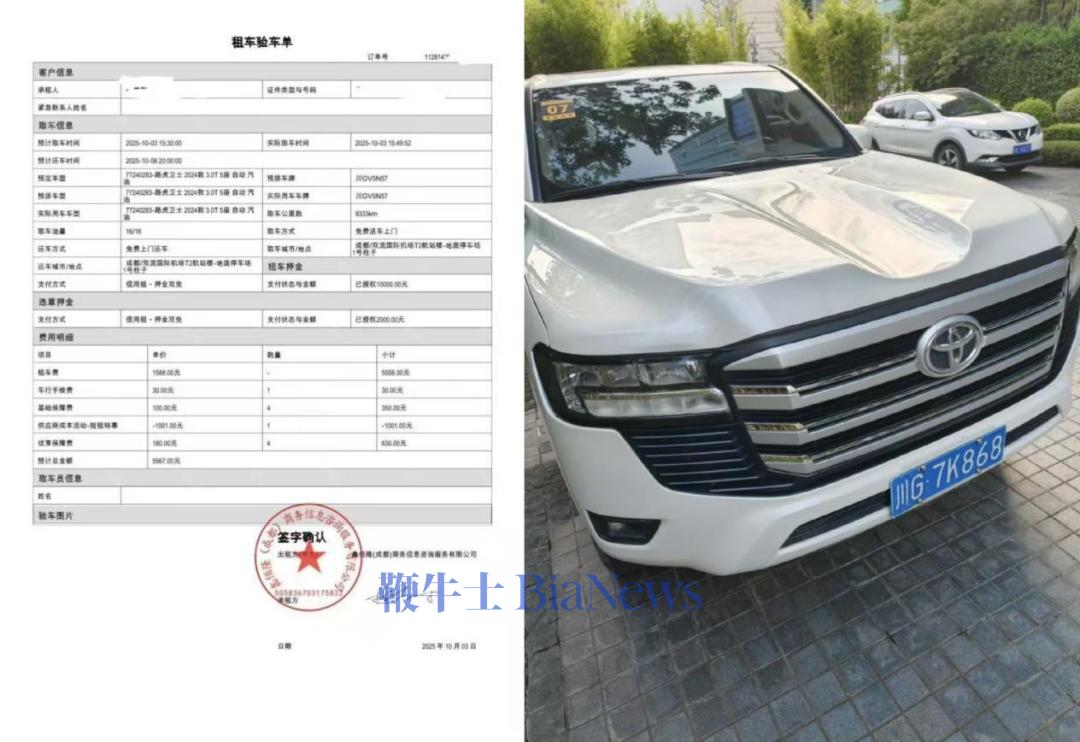
路虎变丰田?携程租车被曝「货不对板」,验车单形同虚设?
Xin Lang Ke Ji· 2025-10-11 01:53
Core Viewpoint - The article highlights ongoing issues with Ctrip's car rental service, including frequent instances of "goods not matching" and allegations of false advertising, which have raised concerns about the company's service quality and regulatory compliance [1][7][9]. Summary by Sections Company Performance and Management Actions - Ctrip's total revenue for the first half of the year reached 28.7 billion yuan, a year-on-year increase of 21%, with operating profit at 7.665 billion yuan, up 27%, and net profit at 9.194 billion yuan, a 17% increase, indicating an average daily income of 159 million yuan [13][14]. - Ctrip's executives, including Liang Jianzhang and Fan Min, have collectively planned to cash out approximately 760 million yuan, raising market speculation about the company's future prospects as they sold shares when the company's performance was strong and stock prices were near historical highs [1][12][17]. Customer Complaints and Service Issues - Numerous customers have reported issues with Ctrip's car rental service, including receiving vehicles that do not match the descriptions provided at the time of booking, such as receiving older models instead of newer ones [7][9][10]. - Users have expressed concerns about the superficial nature of the vehicle inspection process, which often leads to customers unknowingly signing off on vehicles that do not meet the agreed-upon conditions, thus undermining consumer rights [10][11]. Regulatory Scrutiny - Ctrip has faced regulatory scrutiny, with market regulators conducting administrative talks with the company in August and September, indicating potential violations of the Electronic Commerce Law and the newly effective regulations against unfair competition [13][18]. - The article notes that Ctrip's platform has received over 140,000 complaints, with thousands related to its car rental service, highlighting a significant gap between the company's rapid business growth and its service quality [14][18]. Market Position and Competition - The online car rental market in China is growing rapidly, with Ctrip holding a 13% market share, ranking third behind Shenzhou Car Rental and Yihai Car Rental, which hold 24% and 18% respectively [17][18]. - The competitive landscape is intensifying with emerging platforms like Feizhu, Hello, and Didi, which are rapidly gaining market share, posing challenges for Ctrip to maintain its position [17].