
幸福经济

Search documents
中国旅游:乐山乐水,业畅其流
2026-02-11 05:57
Summary of Key Points from the Conference Call Industry Overview - **Industry**: Chinese Tourism - **Context**: The tourism sector is rapidly becoming a key focus for enhancing the quality of life in China, aligning with government policies aimed at boosting service consumption, expanding employment, and further opening up to the outside world [1][4] Core Insights and Arguments - **Projected Revenue Growth**: - Total tourism revenue in China is expected to reach approximately RMB 12 trillion by 2030, with a compound annual growth rate (CAGR) of 11% [1][13] - Domestic tourism spending is projected to account for 18% of per capita consumption by 2030, up from 13% in 2023 [1][14] - The contribution of tourism to GDP is anticipated to rise from 4.8% in 2024 to 6.7% by 2030 [1][11] - **Domestic Tourism Growth**: - Domestic tourism is expected to grow at a CAGR of 9.7% over the next five years [1][14] - In 2025, domestic travel volume is projected to reach 6.5 billion trips, a 16% increase year-on-year [1][17] - **Inbound and Outbound Tourism**: - Inbound tourism is expected to contribute 16% to total tourism revenue by 2030, up from 12% in 2025 [1][15] - The appreciation of the RMB is expected to boost outbound tourism, which is crucial for the revenue of Chinese airlines [1][31] Driving Forces Behind Tourism Demand - **Macroeconomic Rebalancing**: Emphasis on service consumption and enhancing quality of life [1][25] - **Global Engagement**: Continued openness to international visitors [1][25] - **Currency Strength**: The appreciation of the RMB is favorable for outbound tourism [1][29] - **Policy Support**: Initiatives aimed at stimulating travel demand among younger and older demographics [1][25] - **Technological Innovation**: Enhanced travel experiences through technology [1][38] Structural Improvements and Monetization - **Visitor Demographics**: Improvement in visitor structure, with an increase in the proportion of non-domestic and business travelers [2][9] - **Supply Constraints**: Airlines are facing low capacity growth due to global supply chain issues, while hotel supply growth has slowed significantly [2][9] Key Investment Opportunities - **Recommended Stocks**: - Air China H-shares, Spring Airlines, Huazhu, Atour, and Trip.com are highlighted as key investment opportunities to capitalize on the strong growth in tourism demand [2][41] - **Airlines**: - Airlines are expected to see improved pricing power and valuation as they recover from deflationary pressures [9][41] - **Hotels**: - The hotel sector is witnessing a positive trend in revenue per available room (RevPAR), with expectations of continued growth [9][42] - **Online Travel Agencies (OTAs)**: - OTAs are expected to benefit from strong tourism demand, but regulatory uncertainties should be monitored [9][43] Additional Important Insights - **Entertainment and Events**: The rise in large-scale entertainment events is significantly contributing to tourism growth, with a notable increase in attendance [1][21] - **Visa Policies**: The introduction of new visa-free policies is driving inbound tourism growth, with a 50% increase in visa-free visitors [1][23][22] This summary encapsulates the key points from the conference call regarding the Chinese tourism industry, highlighting growth projections, driving factors, investment opportunities, and additional insights that may be overlooked.




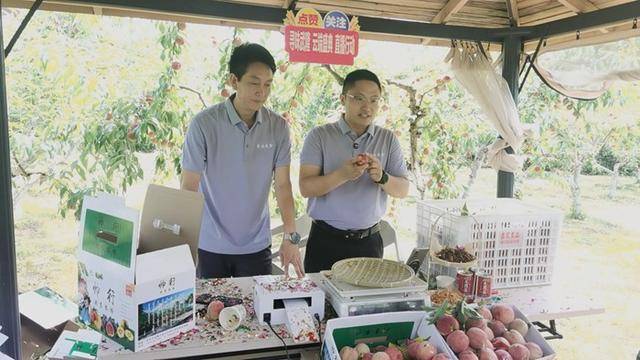
“618”电商热浪起 “寻味武隆·云端盛宴”绘就乡村振兴新画卷
Sou Hu Cai Jing· 2025-06-14 14:28
Core Insights - The "618" e-commerce event has sparked consumer enthusiasm, coinciding with the launch of the "Taste Wulong · Cloud Feast" rural revitalization public welfare live streaming month [1] - The live streaming activities involve 18 local hosts promoting agricultural specialty products, linking rural revitalization, tourism, homestays, and high-speed rail opportunities [1][2] Group 1 - The live streaming lineup includes national e-commerce public welfare ambassadors, local village leaders, and individuals with unique experiences, showcasing the local culture and products [2] - Hosts provide detailed insights into agricultural products, share rural tourism experiences, and narrate stories of homestay transformations, leveraging the connectivity of high-speed rail to promote "Wulong elements" [2][3] - Each live stream serves as a promotional event for local specialties, with products like "yangjiao bean curd" and "Wulong sweet potato flour" gaining exposure [3] Group 2 - The promotion of rural tourism and homestays is emphasized, with hosts showcasing the natural beauty of Wulong through live tours [3] - The high-speed rail's connectivity is frequently mentioned, with "traveling to Wulong by high-speed rail" becoming a key theme, linking transportation convenience with rural development [3] - The collaboration of local hosts during the "618" e-commerce wave aims to create a synergy of "agriculture-tourism integration + high-speed rail empowerment," enhancing both the hard and soft strengths of rural revitalization [3]

“婚登”进景区,江苏解锁甜蜜经济新密码
Xin Hua Ri Bao· 2025-05-21 23:29
Core Viewpoint - The implementation of the revised marriage registration policy in Jiangsu has sparked a trend of integrating marriage registration with tourism, creating a new "sweet economy" that combines cultural experiences and industry value-added opportunities [1][5]. Group 1: Marriage Registration and Tourism Integration - The new marriage registration points located in scenic areas, such as the Xuanwu Lake and Yunu Peak, enhance the romantic experience for couples while promoting local tourism [2][3]. - The marriage registration centers feature unique designs that reflect both traditional and modern aesthetics, catering to the personalized needs of newlyweds [2][4]. - Local governments are planning to develop comprehensive service clusters that include wedding planning, photography, and cultural experiences to attract more couples [2][4][6]. Group 2: Economic Impact and Industry Development - The integration of marriage registration into scenic spots is seen as a way to drive economic growth by transforming a one-time service into a chain of consumption opportunities, including wedding ceremonies, photography, and honeymoon services [5][6]. - The East Tai West Creek scenic area has reported a significant increase in visitor numbers and revenue, with over 300,000 visitors annually and a 20% revenue growth attributed to the marriage registration services [6]. - The establishment of themed tourism routes and events around marriage registration is expected to further enhance the local economy and cultural tourism [3][6]. Group 3: Social and Cultural Implications - The marriage registration reform reflects a shift from functional public services to experiential services, aiming to cultivate a healthy view of marriage and promote local cultural symbols [7]. - Initiatives such as the "Love Fund" and marriage education programs are being introduced to foster social responsibility among newlyweds and enhance the overall marriage experience [7]. - Concerns have been raised about the potential for impulsive decisions in marriage registration, emphasizing the need for accompanying educational and legal services to ensure informed choices [7].