快消化代言

Search documents
为何娱乐明星成为运动户外品牌争抢的“标配”?100家运动品牌代言大盘点
3 6 Ke· 2025-12-10 10:32
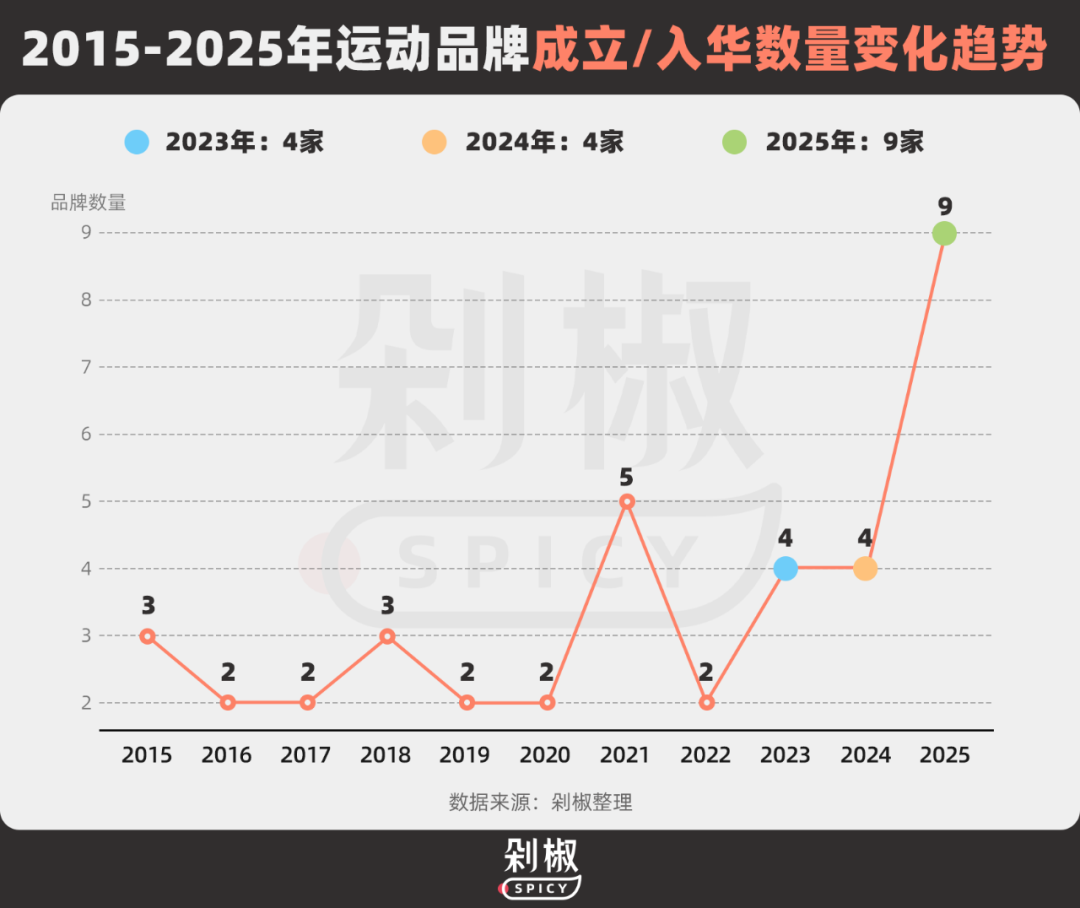
Core Insights - The Chinese sports and outdoor apparel market is being reshaped by two parallel trends: the rise of niche international brands and a fierce competition among major players, with a record number of celebrity endorsements in 2025 [1][3][6] Group 1: Market Trends - The market is witnessing a surge of niche brands like Alo Yoga and Hoka One One, focusing on specific activities such as yoga and trail running, intensifying competition in already crowded segments [1] - Major local and international brands are responding to the competitive pressure, with at least 45 celebrities announcing endorsements in 2025, marking a peak in the last decade [3] Group 2: Celebrity Endorsements - Celebrities are becoming essential for brands to connect with the younger generation and tap into the female market, with various brands leveraging popular figures to enhance their appeal [6] - The strategy of using celebrities is shifting towards lifestyle branding, with brands like New Balance and Puma employing stars to redefine their brand image and reach diverse consumer scenarios [6] Group 3: Brand Strategies - Brands are categorized into four segments: comprehensive sports, comprehensive outdoor, sports fashion, and emerging niche categories, each facing unique competitive dynamics [7] - The competition is not limited to sports brands but includes various lifestyle segments, necessitating traditional sports brands to adapt their strategies to maintain relevance [7] Group 4: Case Studies - Anta's strategy involves a systematic approach to reduce reliance on celebrity endorsements by utilizing sub-brands to target specific market segments, allowing the main brand to focus on core competencies [16][18] - Li Ning's approach highlights the risks of over-reliance on celebrity endorsements without a strong sub-brand structure, leading to confusion about brand identity among consumers [20][22] Group 5: Financial Performance - Puma's performance in the Greater China region has shown growth, with a 14% increase in direct business, while the global market faces challenges [40] - Salomon has reported significant revenue growth, particularly in the outdoor segment, indicating a successful strategy of balancing professional roots with broader market appeal [54]


运动品牌代言大盘点:为何娱乐明星成为运动户外品牌争抢的“标配”?
Xin Lang Cai Jing· 2025-12-10 07:20
Core Insights - The Chinese outdoor sportswear market is being reshaped by two parallel trends: the rise of niche international brands focusing on specific activities and a fierce competition among major brands, both local and international, to capture market share through celebrity endorsements [1][3]. Group 1: Market Trends - The market is witnessing a surge of over 45 celebrities endorsing various sports brands, marking the highest level of celebrity involvement in the past decade [3]. - Brands are increasingly targeting younger consumers and the female market, with female celebrities becoming key drivers for brand growth [5][19]. - The shift towards lifestyle branding is evident, as traditional sports brands adapt to incorporate lifestyle elements into their marketing strategies [5][19]. Group 2: Brand Strategies - Major brands like Anta and Li Ning are employing "fast consumption" endorsement strategies to quickly capture market attention and drive sales [15][19]. - Anta's strategy includes a diversified brand structure that allows for targeted marketing through sub-brands, reducing reliance on a single celebrity [15][17]. - Li Ning's approach, however, shows risks associated with over-reliance on celebrity endorsements without a strong sub-brand matrix to manage diverse market demands [19][21]. Group 3: Competitive Landscape - International giants like Nike and Adidas are not just chasing fast consumption but are defining and controlling it, leveraging their established brand identities and cultural significance [25][27]. - Puma's recent performance highlights the challenges of relying solely on celebrity endorsements for brand sustainability, as it faces declining market value despite short-term sales boosts from celebrity collaborations [39][40]. - Kappa's struggles illustrate the pitfalls of unclear brand positioning and over-dependence on celebrity endorsements, leading to significant financial losses [43].