
生活方式品牌

Search documents
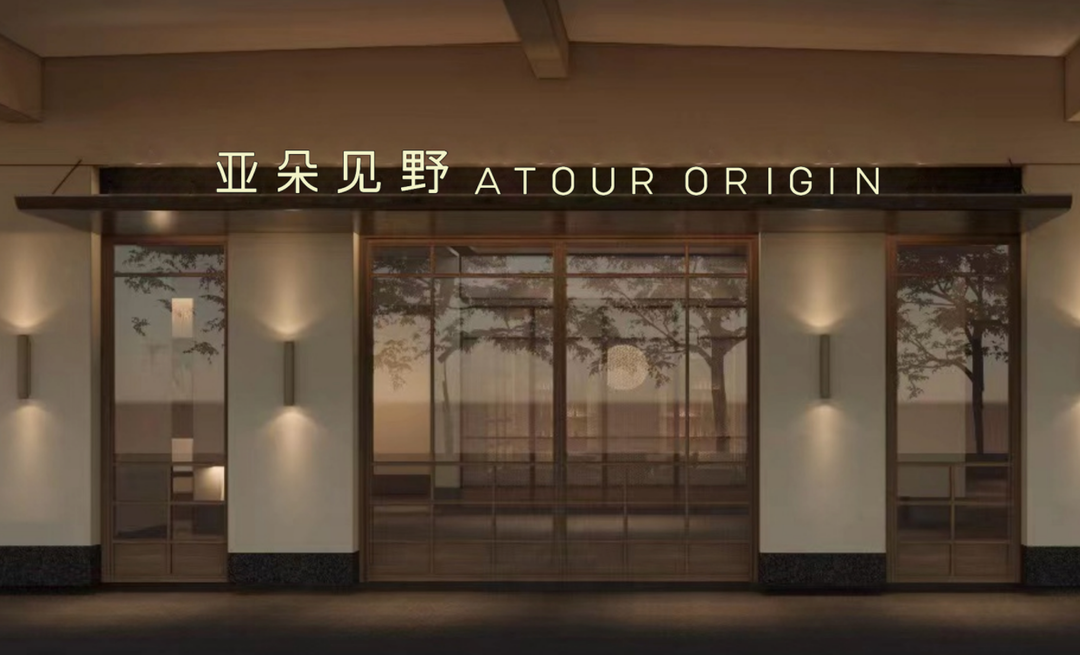
「亚朵见野」品牌发布,一场向初心的人文抵达
Xin Lang Cai Jing· 2026-02-05 12:03
Core Insights - The article discusses the strategic evolution of Atour Group, highlighting its transition from a hotel management company to a lifestyle brand, with the launch of the new brand "Atour Jianye" as a key milestone in this journey [1][11]. Group 1: Strategic Shift - Atour Group's new three-year strategy, "Chinese Experience, Brand Leadership," marks a shift from "scale leadership" to "brand leadership," focusing on building a multi-brand ecosystem [1][11]. - The launch of "Atour Jianye" is not just a product iteration but a significant strategic move, representing the brand's commitment to its original vision and the execution of its new strategy [1][11]. Group 2: Brand Philosophy - The foundation of Atour's strategy is rooted in the founder's personal experience in Atour Village, emphasizing the importance of translating this serene experience into a product that resonates with a broader audience [3][4]. - The concept of "Chinese Experience" is central to the new strategy, aiming to create warm and personalized experiences for guests, such as local breakfast offerings and thoughtful greetings [3][4]. Group 3: Market Positioning - Atour has accumulated significant trust with 108 million members and established a mature supply chain, which supports the new strategy of incubating multiple brands [4][10]. - "Atour Jianye" aims to differentiate itself in the mid-to-high-end market by focusing on a unique positioning that combines business travel and leisure, addressing the homogenization challenge in the hotel industry [8][11]. Group 4: Investment Potential - The brand "Atour Jianye" is positioned as a high-quality cultural hotel model, with a verified investment return cycle of approximately 3.47 years, indicating a strong investment logic [10][11]. - The brand benefits from shared resources within the Atour Group, including access to a large member base and established operational systems, which significantly reduce customer acquisition costs [10][11]. Group 5: Future Outlook - The launch of "Atour Jianye" is seen as a critical step in Atour's evolution into a true lifestyle brand group, with plans to explore more possibilities for urban dwellers seeking tranquility [13]. - The company aims to continue building a multi-brand ecosystem that allows the "Chinese Experience" to reach a wider audience, fulfilling its strategic commitment to becoming a lifestyle brand [13].

100块买一身衣服的鹿岛会员店,在抢优衣库和宜家生意
36氪未来消费· 2025-12-28 06:08
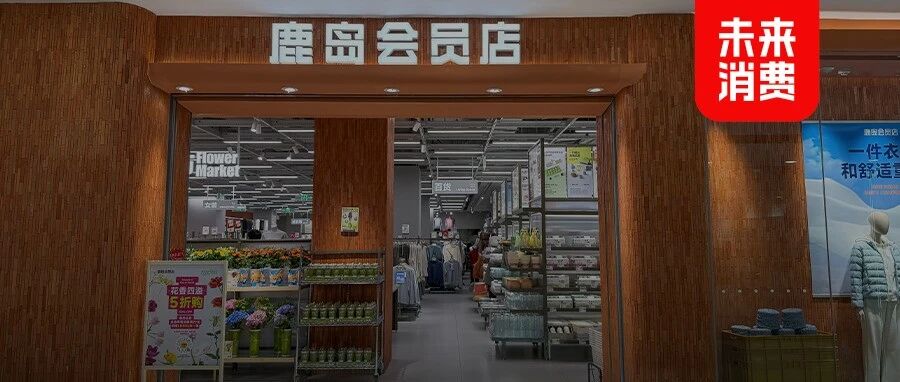
Core Viewpoint - The article highlights the rapid growth and transformation of the Lu Island membership store, which has successfully tapped into the trend of affordable pricing and is expanding its presence in first-tier cities while offering a diverse range of products [4][7][28]. Group 1: Business Model and Strategy - Lu Island membership store has become a significant player in the home goods sector by offering a wide range of products at low prices, such as a sun protection shirt for 47 yuan and underwear for 10 yuan [5][23]. - The store has transitioned from small shops to larger lifestyle brand outlets, with new stores in major cities exceeding 1,000 square meters and offering a comprehensive selection of clothing, groceries, and home goods [6][12]. - The company aims to open 500 stores by the following year, with projected annual revenue between 3 billion to 5 billion yuan [7]. Group 2: Product Offering and Pricing Strategy - Lu Island focuses on providing high-quality products at low prices, positioning itself as a "brand alternative" to established names like Uniqlo and MUJI, with a strategy of selling basic clothing at wholesale prices [10][24]. - The store's pricing strategy includes maintaining a cost structure that allows for a 30% gross margin on essential goods while keeping clothing prices low, such as a 99 yuan shirt that has not increased in price for eight years [24][18]. - The company employs a direct supply model with over 100 clothing factories, utilizing a pre-sale order system to manage inventory effectively [24][25]. Group 3: Customer Engagement and Membership - Lu Island has developed a low-cost membership system that has attracted nearly 10 million members, with a high retention rate of 40-50% among existing members [21][28]. - The membership model enhances customer loyalty, with many members expressing that the membership fee is justified by the discounts received on products [21]. - The store offers a 30-day return policy and a recycling program for old clothes, further increasing customer satisfaction and engagement [21]. Group 4: Market Position and Competitive Landscape - The article notes that while many established home goods brands have struggled to expand in China, Lu Island's model of affordability and variety has positioned it well in a market that increasingly values cost-effectiveness [26][27]. - The shift in consumer behavior towards rational and planned purchasing has benefited Lu Island, as it provides a one-stop shopping experience for essential home goods [14][28]. - The competitive landscape shows that many foreign brands are adjusting their strategies to focus on lower-cost offerings, indicating a broader market trend towards value-driven consumption [27][28].
为何娱乐明星成为运动户外品牌争抢的“标配”?100家运动品牌代言大盘点
3 6 Ke· 2025-12-10 10:32
Core Insights - The Chinese sports and outdoor apparel market is being reshaped by two parallel trends: the rise of niche international brands and a fierce competition among major players, with a record number of celebrity endorsements in 2025 [1][3][6] Group 1: Market Trends - The market is witnessing a surge of niche brands like Alo Yoga and Hoka One One, focusing on specific activities such as yoga and trail running, intensifying competition in already crowded segments [1] - Major local and international brands are responding to the competitive pressure, with at least 45 celebrities announcing endorsements in 2025, marking a peak in the last decade [3] Group 2: Celebrity Endorsements - Celebrities are becoming essential for brands to connect with the younger generation and tap into the female market, with various brands leveraging popular figures to enhance their appeal [6] - The strategy of using celebrities is shifting towards lifestyle branding, with brands like New Balance and Puma employing stars to redefine their brand image and reach diverse consumer scenarios [6] Group 3: Brand Strategies - Brands are categorized into four segments: comprehensive sports, comprehensive outdoor, sports fashion, and emerging niche categories, each facing unique competitive dynamics [7] - The competition is not limited to sports brands but includes various lifestyle segments, necessitating traditional sports brands to adapt their strategies to maintain relevance [7] Group 4: Case Studies - Anta's strategy involves a systematic approach to reduce reliance on celebrity endorsements by utilizing sub-brands to target specific market segments, allowing the main brand to focus on core competencies [16][18] - Li Ning's approach highlights the risks of over-reliance on celebrity endorsements without a strong sub-brand structure, leading to confusion about brand identity among consumers [20][22] Group 5: Financial Performance - Puma's performance in the Greater China region has shown growth, with a 14% increase in direct business, while the global market faces challenges [40] - Salomon has reported significant revenue growth, particularly in the outdoor segment, indicating a successful strategy of balancing professional roots with broader market appeal [54]

运动品牌代言大盘点:为何娱乐明星成为运动户外品牌争抢的“标配”?
Xin Lang Cai Jing· 2025-12-10 07:20
Core Insights - The Chinese outdoor sportswear market is being reshaped by two parallel trends: the rise of niche international brands focusing on specific activities and a fierce competition among major brands, both local and international, to capture market share through celebrity endorsements [1][3]. Group 1: Market Trends - The market is witnessing a surge of over 45 celebrities endorsing various sports brands, marking the highest level of celebrity involvement in the past decade [3]. - Brands are increasingly targeting younger consumers and the female market, with female celebrities becoming key drivers for brand growth [5][19]. - The shift towards lifestyle branding is evident, as traditional sports brands adapt to incorporate lifestyle elements into their marketing strategies [5][19]. Group 2: Brand Strategies - Major brands like Anta and Li Ning are employing "fast consumption" endorsement strategies to quickly capture market attention and drive sales [15][19]. - Anta's strategy includes a diversified brand structure that allows for targeted marketing through sub-brands, reducing reliance on a single celebrity [15][17]. - Li Ning's approach, however, shows risks associated with over-reliance on celebrity endorsements without a strong sub-brand matrix to manage diverse market demands [19][21]. Group 3: Competitive Landscape - International giants like Nike and Adidas are not just chasing fast consumption but are defining and controlling it, leveraging their established brand identities and cultural significance [25][27]. - Puma's recent performance highlights the challenges of relying solely on celebrity endorsements for brand sustainability, as it faces declining market value despite short-term sales boosts from celebrity collaborations [39][40]. - Kappa's struggles illustrate the pitfalls of unclear brand positioning and over-dependence on celebrity endorsements, leading to significant financial losses [43].

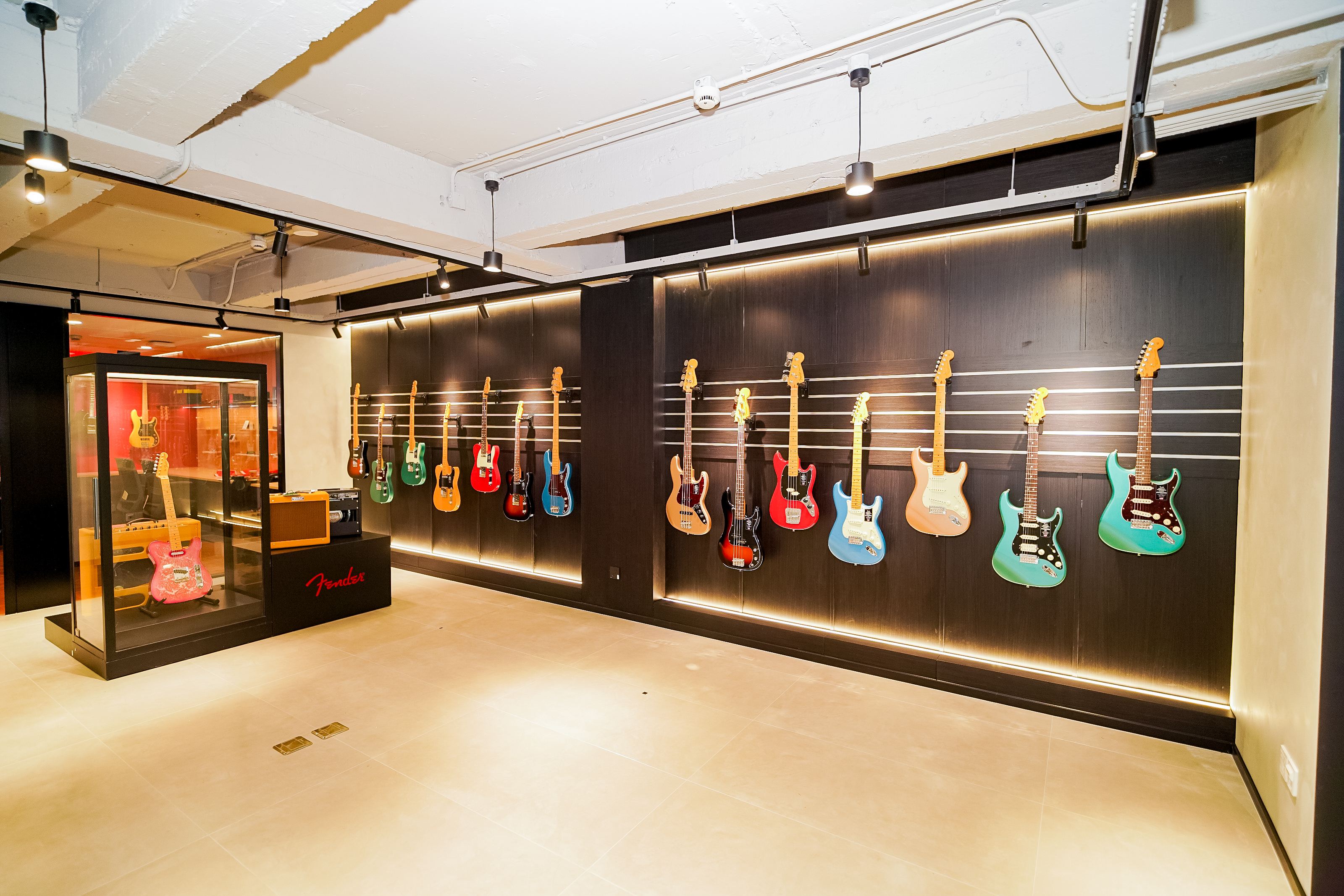
美国电吉他品牌「Fender」中国首开体验空间,营收增速已超两位数丨早期项目
3 6 Ke· 2025-11-26 09:49
Core Insights - Fender, a legendary brand in rock music history, has opened its first offline experience space in Shanghai after 13 years in China, signaling increased investment in the Chinese market [1][3] - The brand is experiencing double-digit growth in China, with e-commerce channels exceeding industry averages, aligning with the global CEO's view that Asia presents the largest growth opportunity in the next decade [1][4] Group 1: Market Strategy - The Shanghai experience space is designed to foster a sense of community, catering to the strong social demand for music among Chinese users [3] - Fender aims to transition from a "musical instrument brand" to a "lifestyle brand," promoting a culture of music expression through guitar [3][4] - The company plans to open its first flagship store in Shanghai, which will be its second globally, to enhance brand presence and user engagement [4][5] Group 2: Product Offering and Market Position - Fender holds a significant position in the mid-to-high-end electric guitar market, with a price range of 6,600 to 20,000 yuan, and offers a wide variety of models and customization options [7][8] - The electric guitar market in China is growing, with electric guitars accounting for 15-20% of the overall electric music market, driven by lower learning barriers and higher social engagement [5][9] - Fender's product matrix includes various models and sub-brands like Squier, which targets beginners with affordable options priced between 4,000 and 6,000 yuan [8] Group 3: Consumer Behavior and Market Trends - The emotional connection to music and artists drives many consumers to purchase their first electric guitar, often influenced by their favorite musicians [9] - The demand for electric guitars is increasing among younger consumers, who are seeking higher quality and a broader range of products [5][9] - The live performance market's growth, including live houses and music festivals, is boosting the demand for electric guitars in mainstream music scenes [4]
被“全球用户喜爱”背后:是什么成就了小熊电器
Zhong Guo Chan Ye Jing Ji Xin Xi Wang· 2025-07-25 07:31
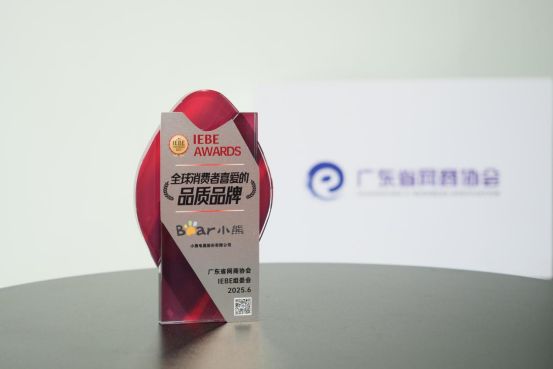
Core Insights - The core viewpoint of the article emphasizes that emotional recognition from consumers is an unassailable moat in brand competition, as demonstrated by the success of Bear Electric (小熊电器) in becoming a globally loved quality brand [1][15]. Group 1: Brand Recognition and Consumer Connection - The distinction between being "needed," "recognized," and "loved" is crucial for brand value, where "being loved" signifies a deeper emotional connection that leads to consumer loyalty and willingness to pay a premium [3][4][10]. - Bear Electric has successfully transitioned from being a brand that meets basic needs to one that resonates emotionally with consumers, establishing itself as a symbol of a quality lifestyle [5][9]. Group 2: Brand Evolution and Market Strategy - Bear Electric's evolution can be seen in three stages: initially being "needed" through innovative products, then gaining "recognition" through quality and market presence, and finally achieving "love" by providing lifestyle solutions [10][12]. - The company has developed a user-centric approach, creating a comprehensive user experience system that includes a large membership base and extensive user data analysis to inform product development [12][13]. Group 3: Product and Innovation Strategy - Bear Electric has established a robust R&D system with nearly 600 professionals and over 3700 patents, focusing on transforming user needs into innovative products [12][13]. - The manufacturing system supports the entire process from user demand to product delivery, ensuring high-quality and efficient production through multiple smart manufacturing bases [13]. Group 4: Lifestyle Brand Transformation - The shift towards becoming a lifestyle brand is evident as Bear Electric offers comprehensive solutions across various life scenarios, making it easier for consumers to achieve a quality lifestyle [9][10]. - The brand's identity is now closely tied to the idea of a joyful and effortless quality life, positioning it as a go-to choice for consumers seeking such experiences [9][15].
亚朵20250522
2025-07-16 06:13
Summary of Autor Lifestyle Holdings Q1 2025 Earnings Conference Call Company Overview - **Company**: Autor Lifestyle Holdings - **Quarter**: First Quarter 2025 Key Industry Insights - The domestic travel market in China is experiencing instability due to a complex macro environment, presenting both challenges and opportunities [3][17] - The company emphasizes a focus on high-quality, personalized, and experiential consumption to adapt to changing consumer preferences [3] Financial Performance - **Net Revenues**: RMB 1,906 million, a year-over-year increase of 29.8% but a quarter-over-quarter decrease of 8.6% [12] - **Revenue from Monetized Hotels**: RMB 1,032 million, up 23.5% year-over-year, down 6.7% quarter-over-quarter [13] - **Retail Business Revenue**: RMB 694 million, a significant increase of 66.5% year-over-year, down 9.3% quarter-over-quarter [13] - **Adjusted Net Income**: RMB 345 million, a 32.3% increase year-over-year [15] - **Adjusted EBITDA**: RMB 474 million, up 33.8% year-over-year [15] - **Cash Position**: Cash and cash equivalents totaled RMB 3,146 million as of March 31, 2025 [15] Hotel Business Performance - **RFPAR**: RMB 304.4, representing 92.8% of the same period in 2024 [3] - **Occupancy Rate (OCC)**: 95.8% compared to the same period in 2024 [3] - **Average Daily Rate (ADR)**: 97.2% compared to the same period in 2024 [3] - **New Hotel Openings**: 121 new hotels opened in Q1 2025, a 24.7% year-over-year increase, totaling 1,727 hotels in operation [4] - **Pipeline Projects**: 755 hotels under development [4] Product Innovations - **New Hotel Products**: Launched YADO 3.6 and LaTour 3.6, focusing on integrating business functionality with a relaxed atmosphere [5][6] - **Mid-Range Brand Innovations**: Introduced QINGJU 3.0 and QINGJU 3.3, targeting younger consumers with modern design and enhanced service experiences [6][7] Retail Business Highlights - **Growth in Retail**: GMD reached RMB 845 million, up 70.9% year-over-year, with online channels contributing over 90% [8] - **Top-Selling Products**: Deep Sleep Memory Foam Pillow Pro series sold over 6 million units [9] - **New Product Launches**: Summer Pro 2.0 launched with strong sales performance, exceeding RMB 100 million GMB in 48 days [9] Membership and Customer Engagement - **Membership Growth**: Registered individual members surpassed 96 million, a 35.4% year-over-year increase [10] - **Cross-Promotional Campaigns**: Initiatives to integrate hotel and retail businesses, enhancing customer engagement and loyalty [11] Shareholder Returns - **Dividend Declaration**: First cash dividend in 2025 of $0.14 per ordinary share, totaling approximately $58 million [15] - **Share Repurchase Program**: Announced a three-year program to repurchase up to $400 million [15] Future Outlook - **Revenue Guidance**: Full-year 2025 net revenue expected to increase by 25% to 30% compared to 2024 [15] - **Retail Revenue Growth**: Revised full-year retail revenue growth forecast to 50% year-over-year [21] - **Strategic Goals**: Aim to reach 2,000 premier hotels by year-end while maintaining quality standards [19] Conclusion - The company is navigating a challenging market environment with a focus on quality and innovation, while also enhancing shareholder value through dividends and share repurchase initiatives. The outlook for both the hotel and retail segments remains positive, with strategic growth plans in place.
从小家电到生活方式:小熊电器的品牌转型启示录
Jin Tou Wang· 2025-07-01 02:36
Core Perspective - The transformation of Bear Electric (002959) from a small appliance manufacturer to a lifestyle brand exemplifies a significant shift in consumer demand from product functionality to experiential living [1][7] Group 1: Brand Transformation - Bear Electric's shift involves a comprehensive redefinition of brand value, focusing on providing complete lifestyle solutions rather than isolated product functionalities [2] - The company emphasizes user-centric solutions, moving from merely selling appliances to offering integrated experiences that fulfill broader lifestyle needs [3][4] Group 2: Product Innovation - The introduction of eight scenario-based solutions at AWE, such as the "Vital Breakfast" and "Exquisite Care," illustrates Bear Electric's commitment to creating convenient and enjoyable user experiences [3] - The company has developed a range of products that address various daily needs, allowing users to manage tasks efficiently and focus on enjoying life [4] Group 3: Research and Development - Bear Electric has established an agile system that connects user insights directly to product development, enhancing innovation and responsiveness to consumer needs [5][6] - The company boasts a robust R&D team of nearly 600 professionals, with significant investments in innovation, including a 36.48% year-on-year increase in R&D expenditure for 2024 [6] Group 4: Competitive Advantage - The transition to a lifestyle brand highlights that true competitive strength lies in understanding and integrating into consumer lifestyles, rather than merely relying on scale or cost advantages [7]
让生活有风!小熊电器天猫大牌日掀起品质生活新“风”潮
Sou Hu Wang· 2025-05-13 06:47
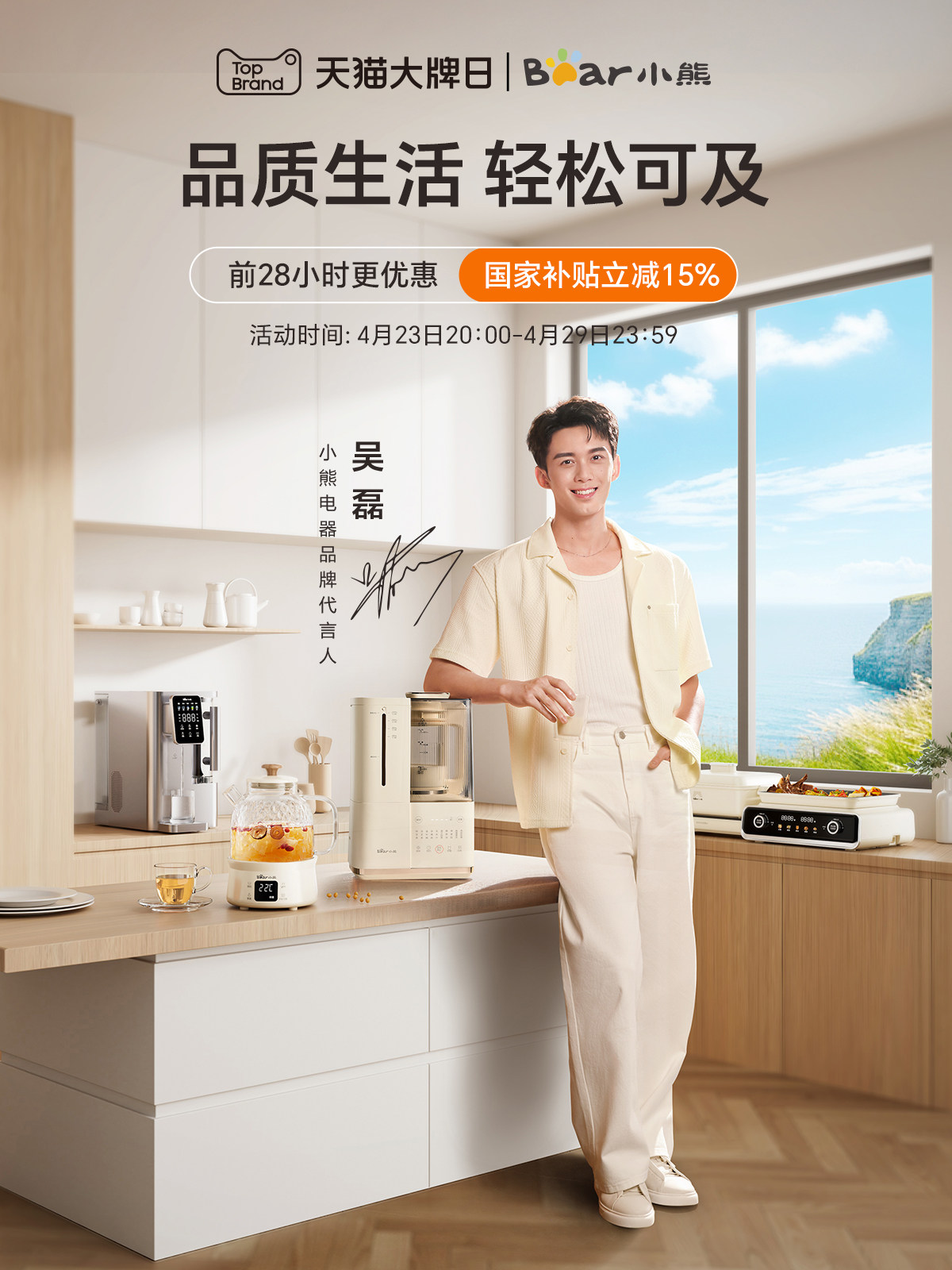
Core Insights - The article discusses the transformation of consumer behavior from materialism to a pursuit of emotional and lifestyle values, highlighting the emergence of a new consumption era where brands engage with users on a deeper level [1][4][17] Group 1: Brand Transformation - Xiaoxiong Electric is transitioning from a small appliance manufacturer to a lifestyle brand, as evidenced by its participation in the AWE exhibition and its marketing strategies [1][4] - The brand's new proposition, "Let Life Have Wind," is communicated through various marketing channels, including a TV commercial featuring celebrity Wu Lei, which showcases different life scenarios [4][7] Group 2: Marketing Strategy - The collaboration with Tmall's Big Brand Day aims to enhance brand recognition and market penetration, allowing Xiaoxiong Electric to convey its new brand message and user experiences [4][8] - The marketing campaign achieved over 200 million exposures and a GMV growth exceeding 10% [1] Group 3: User Engagement - Xiaoxiong Electric has initiated a topic matrix on Xiaohongshu, targeting various demographics such as white-collar workers and new middle-class consumers, resulting in over 14 million views [9] - The brand emphasizes emotional connection and lifestyle values, moving beyond mere product functionality to establish a new identity among consumers [14] Group 4: Product Innovation - Xiaoxiong Electric has upgraded its entire product line to address user pain points, such as improving the cleaning of blenders and enhancing the washing experience with its washing machines [15] - The brand's focus on creating all-scenario solutions reflects its commitment to providing a pleasant quality of life through innovative products [15][17]
smart品牌全球公司CEO佟湘北:smart不会堆料制造没有灵魂的工业品
Zhong Guo Jing Ying Bao· 2025-05-10 12:22
Core Viewpoint - The company smart is transitioning from being perceived as a small car brand to a more mainstream compact and mid-size SUV market, emphasizing a lifestyle approach rather than just small vehicles [1][2] Group 1: Product Strategy - Smart has introduced multiple models such as the 1, 3, and 5, with the 5 exceeding 4.7 meters in length, indicating a shift towards larger vehicles [1][2] - The brand aims to release a new model each year to cater to various market segments while maintaining its core values of "inspirational co-creation, warm technology, and new luxury" [2] - Despite the shift to larger vehicles, smart maintains a focus on design aesthetics and user experience, opting not to excessively increase vehicle dimensions for profit [3] Group 2: Market Positioning - Smart's CEO emphasizes that relying solely on the small car segment is insufficient for sustaining the brand, highlighting a broader lifestyle vision [2][3] - The company acknowledges the competitive landscape, where traditional brands like NIO are also exploring smaller vehicle markets, indicating a shift in consumer preferences [3] Group 3: Global Expansion - Smart is implementing a "Southward and Westward" global expansion strategy, targeting markets in ASEAN, Australia, the Middle East, and Africa, with plans to enter more than 10 overseas markets by 2025 [6][7] - The brand has already entered 37 global markets and aims to enhance its presence through partnerships with local dealerships [7] Group 4: Sales Performance - In 2024, smart's global sales reached 129,700 units, a 7% increase year-on-year, while sales in China fell by 19.37% to 33,427 units, missing the annual target of 50,000 units [6][7] - To boost sales in China, smart has introduced a fixed-price purchasing strategy for its models, aiming to attract more customers [7]