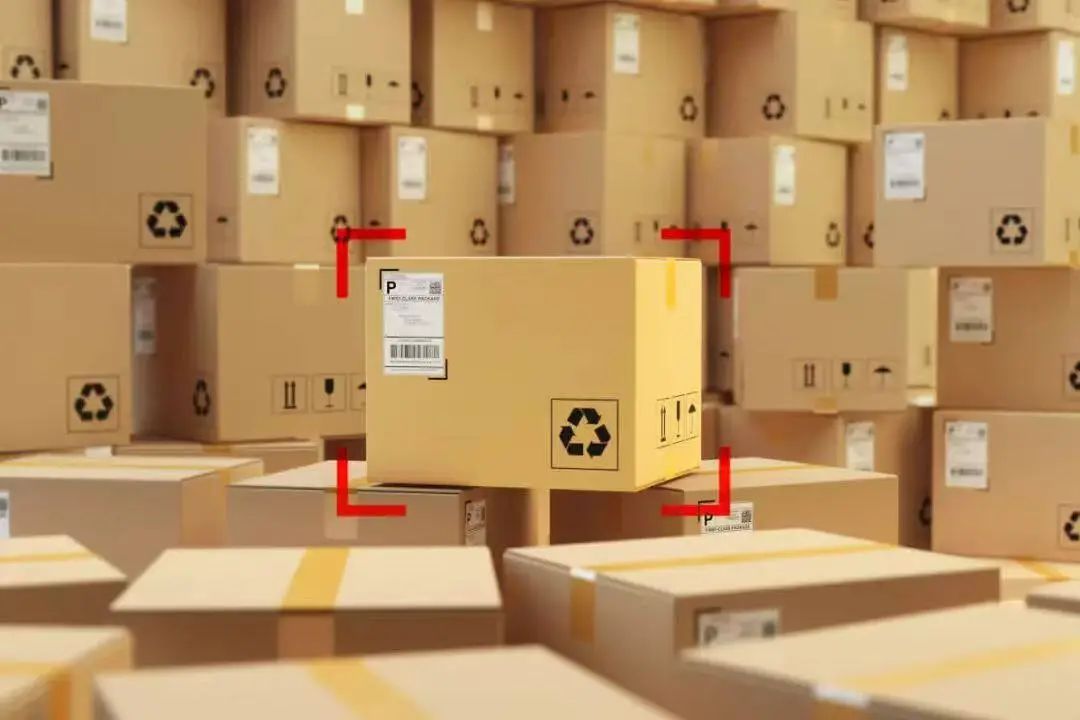
快递包装绿色转型

Search documents
你的快递包裹,正在“瘦身”增“绿”
Zhong Guo Qing Nian Bao· 2026-01-05 23:03
Core Viewpoint - The express delivery industry in China is undergoing a significant green transformation, focusing on sustainable packaging and reducing waste, which is essential for high-quality development and ecological civilization construction [2][10]. Group 1: Green Packaging Standards and Achievements - During the "14th Five-Year Plan" period, the standardization rate of express packaging reached 86%, with reductions in packaging box layers and bag thickness by over 50%, and tape width reduced by 25% [4][10]. - Intelligent packing algorithms have decreased material consumption by nearly 20%, and the proportion of reusable packaging in same-city deliveries has reached 10%, with over 800 million recycled boxes annually [4][10]. - The implementation of the "Interim Regulations on Express Delivery" in June 2025 introduced a dedicated chapter on express packaging, establishing a green and energy-saving express service system [4][5]. Group 2: Collaborative Efforts and Policy Support - The State Post Bureau has actively promoted multi-party participation and collaborative governance, issuing three regulations, 15 standards, and nine policies aligned with green principles to support the green transformation of express packaging [2][4]. - Zhejiang Province has integrated express packaging governance into broader waste management and ecological planning, transforming it from an industry-specific issue to a comprehensive societal concern [5][7]. Group 3: Technological Innovations and Practices - The industry is leveraging modern technologies such as artificial intelligence, big data, and blockchain to enhance operational efficiency and reduce carbon emissions across the entire delivery lifecycle [11][12]. - Companies are adopting eco-friendly materials and practices, such as using narrow tape and biodegradable packaging, which have become standard in daily operations [10][12]. - The use of renewable energy vehicles is increasing, with companies like Debon Express reporting significant cost savings through the adoption of electric vehicles [12]. Group 4: Future Directions and Challenges - Despite notable progress, challenges remain, including high costs of green transformation, incomplete recycling systems, and issues with excessive packaging [13]. - The State Post Bureau plans to accelerate the green transformation of packaging and strengthen inter-departmental collaboration to enhance the effectiveness of green governance [13].

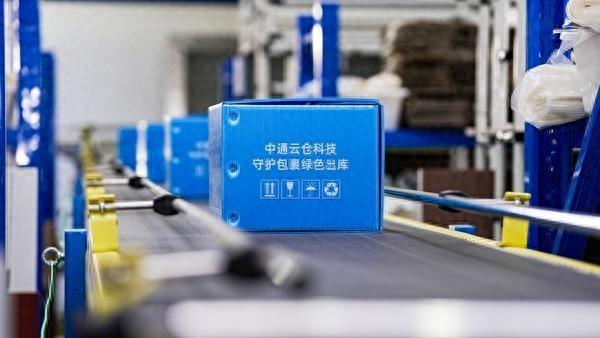
我国加快推进快递包装绿色转型
Xin Lang Cai Jing· 2025-12-30 19:09
Core Insights - The postal industry is advancing green packaging initiatives during the "14th Five-Year Plan" period, achieving significant improvements in green, reduced, and recyclable packaging practices [1][2][3] Group 1: Green Packaging Initiatives - The industry has achieved full coverage of electronic waybills and circular transfer bags, with a packaging standardization rate of 86% [1] - Packaging box layers and bag thickness have been reduced by over 50%, and tape width has been reduced by 25% [1] - Smart packing algorithms have decreased material consumption by nearly 20%, and the proportion of circular packaging in same-city express delivery has reached 10% [1] Group 2: Regulatory and Policy Framework - The postal industry has developed a comprehensive regulatory framework, including 3 new laws, 15 standards, and 9 policies aligned with green principles [2] - The system features a complementarity between laws and regulations, coordination between national and local policies, and integration of industry standards [2] Group 3: Technological Innovations - The industry has implemented various new technologies and recycling scenarios, such as lightweight tape and reduced-size waybills [2] - The total area of photovoltaic installations across the industry is 4.48 million square meters, with over 4,300 high-speed security machines and more than 1,000 green distribution centers [2] Group 4: Carbon Reduction Strategies - The postal industry is focusing on carbon reduction through technological innovation and green management across four key stages: collection, transfer, transportation, and delivery [3] - Future plans include leveraging big data, blockchain, and intelligent technologies to enhance carbon footprint management across the entire logistics chain [3] Group 5: Future Goals - During the "15th Five-Year Plan" period, the postal industry aims to promote green high-quality development, focusing on carbon reduction, pollution reduction, and green expansion [4] - The industry will accelerate the transition to green packaging and strengthen source control and comprehensive governance [4]
我国快递包装绿色转型加快,现存包装相关企业超288.8万家
Huan Qiu Wang· 2025-12-30 04:46
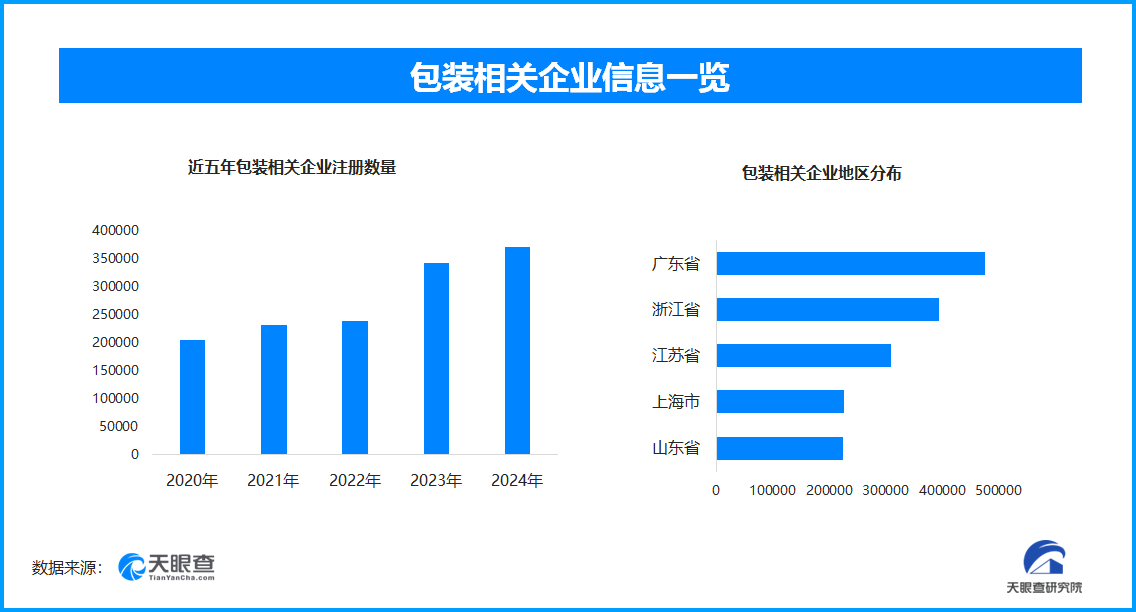
Core Insights - The State Post Bureau announced significant advancements in the postal industry, including full coverage of electronic waybills and circular transfer bags, with a reduction of packaging box layers and bag thickness by over 50% and tape width by 25% [1] - The implementation of smart packing algorithms has led to a nearly 20% reduction in material consumption, while the proportion of circular packaging in same-city express delivery has reached 10% [1] Packaging Recycling and Utilization - Over 800 million cardboard boxes are recycled and reused annually, with four postal enterprises piloting circular packaging in over 20 cities for fresh cold chain and government documents, promoting resource recycling [1] Technological Advancements - Modern information technology is facilitating green and low-carbon development, with intelligent upgrades in distribution centers, the implementation of photovoltaic power generation, and the widespread use of hydrogen and clean energy vehicles [1] - The area of photovoltaic installations in the postal industry has reached 4.48 million square meters, with over 1,000 green distribution centers and more than 12,500 green outlets [1] - The number of new energy and clean energy vehicles in the postal sector exceeds 75,000 [1] Industry Growth - As of now, there are over 2.888 million packaging-related enterprises in operation in China, with approximately 459,000 new registrations in 2025 [1] - The registration trend for packaging-related enterprises has shown a year-on-year increase over the past five years, expected to peak in 2024 [1] Regional Distribution - Guangdong, Zhejiang, and Jiangsu provinces lead in the number of packaging-related enterprises, with over 474,000, 393,000, and 309,000 respectively, followed by Shanghai and Shandong provinces [1]
快递包装“瘦”下去“绿”起来
Jing Ji Ri Bao· 2025-12-29 22:02
Core Viewpoint - The express delivery industry in China is undergoing a significant green transformation, focusing on reducing packaging waste and enhancing sustainability through various innovative practices and regulatory frameworks [1][3][7]. Group 1: Industry Achievements - During the "14th Five-Year Plan" period, the express delivery sector achieved full coverage of electronic waybills and reusable packaging, with over 800 million recycled cardboard boxes annually [1]. - The standardization rate of express packaging reached 86%, and intelligent packing algorithms reduced material consumption by nearly 20% [2][3]. - Major companies like JD, SF, and Yunda have implemented green packaging initiatives, including the use of narrow tape and recycling boxes, with Yunda setting up over 20,000 recycling devices nationwide [2][3]. Group 2: Regulatory Framework - The introduction of three laws, 15 standards, and nine policies during the "14th Five-Year Plan" has established a comprehensive regulatory framework for green practices in the postal industry [3]. - The revised "Interim Regulations on Express Delivery" emphasizes the creation of a green and energy-efficient express service system, covering the entire lifecycle of packaging from design to disposal [3][6]. Group 3: Technological Innovations - The industry is leveraging technology to enhance packaging efficiency, such as using bamboo film bags that are 15% cheaper than traditional plastic bags and have higher durability [4]. - Smart algorithms in warehouses are optimizing packaging sizes, achieving a volume utilization rate of 90% and reducing material usage by approximately 20% [4][5]. Group 4: Collaborative Efforts - The postal industry is promoting collaboration with upstream e-commerce companies to minimize excessive packaging and enhance resource efficiency [5][6]. - The establishment of a green supply chain is encouraged through industry associations, aiming for a unified approach to packaging governance [7].
【8点见】张桂梅卸任华坪女高校长?官方回应
Yang Shi Wang· 2025-12-26 00:08
Group 1 - The Ministry of Commerce responded that TikTok plans to establish a joint venture in the U.S., emphasizing the Chinese government's desire for a solution that aligns with Chinese laws and balances interests [1] - The National Energy Administration reported that in November, the national electricity market transaction volume reached 548.4 billion kilowatt-hours, a year-on-year increase of 7.0% [1] - In November, the total electricity consumption across the society was 835.6 billion kilowatt-hours, reflecting a year-on-year growth of 6.2% [1] Group 2 - The State Post Bureau announced that China's green transformation of express packaging is accelerating, with over 800 million recycled and reused cartons annually [1] - The first climate resource economic blue paper in China has been published, indicating a focus on climate-related economic strategies [1] - The Ministry of Market Regulation disclosed three typical cases of prominent issues in the inspection and rectification of edible vegetable oils [1]

年回收复用纸箱超8亿个 我国加快推进快递包装绿色转型
Xin Lang Cai Jing· 2025-12-25 20:24
Core Insights - The postal industry has achieved significant advancements in green packaging and carbon reduction during the "14th Five-Year Plan" period, with electronic waybills and circular transfer bags reaching near full coverage [1][2] - The industry has implemented various technologies and practices to enhance packaging standardization, reduce material usage, and promote recycling, leading to a notable decrease in packaging waste [1][2] Group 1: Packaging Innovations - The packaging standardization rate has reached 86%, with a reduction of over 50% in the number of layers of packaging boxes and thickness of packaging bags [1] - The width of tape used has been reduced by 25%, and intelligent packing algorithms have decreased material consumption by nearly 20% [1] - The proportion of circular packaging used in same-city express delivery has reached 10%, with over 800 million recycled paper boxes annually [1] Group 2: Carbon Reduction Strategies - The postal industry is focusing on carbon reduction through technological innovation, optimizing operational models, and implementing green management across four key logistics nodes: collection, transfer, transportation, and delivery [2] - In the collection phase, carbon reduction is achieved through source reduction and green alternatives; in the transfer phase, energy structure optimization is facilitated by green intelligent facilities [2] - The transportation phase utilizes a dual approach of "new energy + multimodal transport" to enhance low-carbon efficiency, while the delivery phase leverages unmanned technology and intelligent algorithms to further reduce carbon emissions [2] Group 3: Future Directions - The industry plans to deepen technological innovation by utilizing big data, blockchain, and smart technologies to enhance collaboration in logistics infrastructure and service networks, aiming for comprehensive carbon footprint management [2] - There is a commitment to promoting integrated carbon reduction through green buildings, smart devices, automated sorting, photovoltaic power generation, new energy vehicles, low-altitude delivery, and green packaging [2] - The National Postal Administration emphasizes the need for systematic thinking and problem-oriented approaches to drive collaborative governance across the supply chain and enhance public awareness of packaging governance achievements [2]
“十四五” 期间我国快递包装绿色转型成效显著 多项减量指标实现大幅突破
Yang Shi Wang· 2025-12-25 09:04
Core Viewpoint - During the "14th Five-Year Plan" period, significant progress has been made in the green transformation of express packaging in China [1] Group 1: Green Packaging Innovations - New technologies and recycling scenarios for express packaging have emerged continuously during the "14th Five-Year Plan" period [3] - Widespread adoption of lightweight packaging such as "slim" tape and "thin" waybills has been noted [3] - The industry has achieved nearly full coverage of electronic waybills and reusable transit bags, with a packaging standardization rate reaching 86% [3] - The number of layers in packaging boxes and the thickness of packaging bags have been reduced by over 50%, while tape width has been reduced by 25% [3] - Intelligent packing algorithms have decreased material consumption by nearly 20%, and the proportion of reusable packaging in same-city express deliveries has reached 10% [3] - Over 800 million cardboard boxes are recycled and reused annually [3] Group 2: Technological Integration - The green, lightweight, and recyclable levels of express packaging continue to improve, driven by modern information technologies such as artificial intelligence, cloud computing, big data, and blockchain [5] - These technologies have reshaped the operational organization and workflow of express delivery, enhancing the momentum for green and low-carbon development and effectively reducing logistics costs across society [5] Group 3: Infrastructure and Fleet Development - The number of green distribution centers in the industry has exceeded 1,000, and the number of green outlets has surpassed 12,500 [7] - The fleet of new energy and clean energy vehicles has exceeded 75,000 units [7]
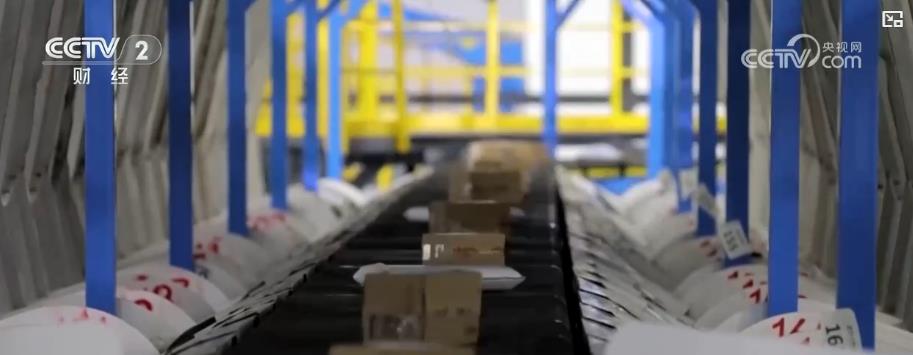
2025年“双11”期间海南快递业务量创新高
Zhong Guo Xin Wen Wang· 2025-11-14 07:14
Core Insights - During the "Double 11" shopping festival from October 21 to November 12, 2023, Hainan's postal and express delivery companies collected over 16 million packages, representing a 26% increase compared to the same period last year [1] - The total number of packages delivered exceeded 90 million, marking an 8% growth year-on-year, with an average daily processing volume of over 4.3 million packages during the peak season [1] Industry Performance - The express delivery sector plays a crucial role in connecting various industries, serving households, and facilitating the flow of production and consumption, thereby supporting local products' export and contributing to Hainan's economic development and free trade port construction [1] Operational Measures - To ensure peak season service quality, Hainan's postal management department guided express delivery companies to implement proactive measures, including enhancing workforce, transportation capacity, facilities, and processing equipment [1] - The industry is advancing the construction of smart sorting, security checks, unmanned vehicles, and smart delivery stations to improve transit efficiency and diversify end-service models [1] - There is a focus on promoting green packaging transformation, advocating for eco-friendly, reduced, and recyclable packaging, and increasing the use of new energy vehicles to enhance the industry's sustainable development [1]
快递包装绿色转型进入加速期
Xiao Fei Ri Bao Wang· 2025-07-03 02:46
Core Viewpoint - The recent implementation of the "Express Delivery Temporary Regulations" has initiated a significant transformation towards greener packaging in the express delivery industry, emphasizing the reduction, recycling, and use of environmentally friendly materials in packaging [2][5][6] Group 1: Green Packaging Initiatives - The new regulations, effective from June 1, include a dedicated chapter on "express packaging," mandating the promotion of green, reduced, and recyclable packaging [2][5] - Consumers have noticed a shift in packaging design during the recent "618" shopping festival, with simpler designs and reusable packaging becoming more common [3][4] - Companies like SF Express have developed innovative packaging solutions, such as the lightweight "Feng Tiao Box," which reduces logistics costs by 30% and eliminates the need for traditional ice packs [4][5] Group 2: Industry Impact and Statistics - The State Post Bureau aims for over 95% of e-commerce packages to avoid secondary packaging by the end of 2024, with smart packing technology expected to reduce packaging material usage by 20% [5][6] - There are over 109,000 environmentally friendly packaging companies in China, with Guangdong, Shanghai, Jiangsu, and Shandong leading in numbers, accounting for over 52.1% of the total [5][6] - In 2020, the carbon emissions from express packaging in China reached 23.96 million tons of CO2 equivalent, highlighting the need for sustainable practices [6] Group 3: Challenges and Future Directions - Despite progress, challenges remain, such as high costs of green packaging and the need for consumer habit changes [6] - The comprehensive approach to green packaging involves multiple stakeholders across production, usage, recycling, and disposal, emphasizing the importance of a coordinated effort [6] - Future initiatives will focus on implementing standards and policies to guide innovation in packaging products, technologies, and models [6]
绿色快递新规本月正式实施,循环箱终于“熬出头了”?
3 6 Ke· 2025-06-04 10:27
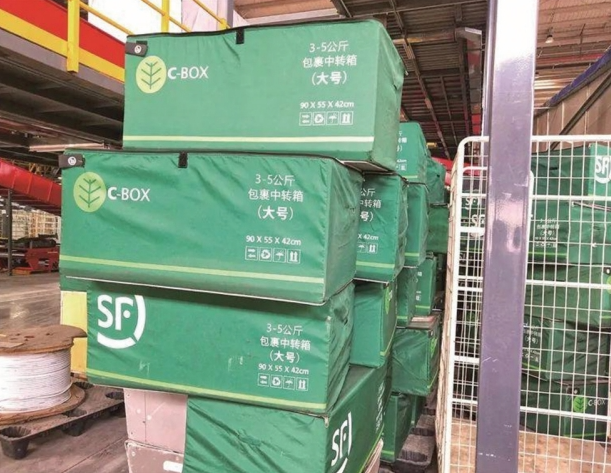
Core Viewpoint - The implementation of the revised "Interim Regulations on Express Delivery" by the State Council marks a new phase in the green transformation of China's express delivery industry, focusing on the greenization, reduction, and recyclability of packaging [1][3]. Government Measures - The revised regulations emphasize express packaging governance, introducing a dedicated chapter on "express packaging" that mandates resource conservation, prevention of excessive packaging, and compliance with national standards [3]. - The new regulations establish a link between regulations and standards, reinforcing the necessity of implementing mandatory national standards and creating a framework for green development involving government guidance, corporate responsibility, industry self-regulation, and public participation [3]. Industry Development - The concept of circular packaging originated in the late 1970s in Europe and has evolved significantly, with companies like CHEP leading the way in pallet and container reuse [5]. - In China, companies such as Grayscale Environmental Protection have pioneered the use of eco-friendly, foldable circular packaging materials, achieving over 11.9 million cycles of reuse [5][7]. - Major players like JD.com and SF Express have also initiated circular packaging projects, with JD.com launching the "Qingliu Box" in 2017 and participating in pilot programs for scalable circular packaging applications [7][10]. Performance of Chinese Express Companies - A report by Baibai in 2024 evaluated the green transformation of e-commerce express packaging, with SF Express scoring 76.5 points, leading the industry, followed by JD.com, Alibaba, and Vipshop [10]. - In 2024, SF Express reduced paper usage by 23,000 tons and plastic usage by 82,000 tons, while recycling nearly 6 billion times through reusable packaging containers [12]. - JD.com has invested in specialized cold chain circular boxes, achieving over 8.5 million uses and reducing carbon emissions by 72,500 tons in 2024 [14]. International Practices - Germany has implemented strict regulations on packaging, requiring companies to register and take responsibility for their packaging from production to recycling, with penalties for non-compliance [16][17]. - Belgium is exploring sustainable packaging solutions through initiatives like the PPWR, which aims to promote reusable and recyclable packaging across EU member states by 2025 [22][23]. Future Trends - The future of circular packaging will rely on global collaboration and technological innovation, with a focus on developing new materials and smart packaging technologies to enhance recycling efficiency and reduce waste [25].