循环中转袋

Search documents
你的快递包裹,正在“瘦身”增“绿”
Zhong Guo Qing Nian Bao· 2026-01-05 23:03
Core Viewpoint - The express delivery industry in China is undergoing a significant green transformation, focusing on sustainable packaging and reducing waste, which is essential for high-quality development and ecological civilization construction [2][10]. Group 1: Green Packaging Standards and Achievements - During the "14th Five-Year Plan" period, the standardization rate of express packaging reached 86%, with reductions in packaging box layers and bag thickness by over 50%, and tape width reduced by 25% [4][10]. - Intelligent packing algorithms have decreased material consumption by nearly 20%, and the proportion of reusable packaging in same-city deliveries has reached 10%, with over 800 million recycled boxes annually [4][10]. - The implementation of the "Interim Regulations on Express Delivery" in June 2025 introduced a dedicated chapter on express packaging, establishing a green and energy-saving express service system [4][5]. Group 2: Collaborative Efforts and Policy Support - The State Post Bureau has actively promoted multi-party participation and collaborative governance, issuing three regulations, 15 standards, and nine policies aligned with green principles to support the green transformation of express packaging [2][4]. - Zhejiang Province has integrated express packaging governance into broader waste management and ecological planning, transforming it from an industry-specific issue to a comprehensive societal concern [5][7]. Group 3: Technological Innovations and Practices - The industry is leveraging modern technologies such as artificial intelligence, big data, and blockchain to enhance operational efficiency and reduce carbon emissions across the entire delivery lifecycle [11][12]. - Companies are adopting eco-friendly materials and practices, such as using narrow tape and biodegradable packaging, which have become standard in daily operations [10][12]. - The use of renewable energy vehicles is increasing, with companies like Debon Express reporting significant cost savings through the adoption of electric vehicles [12]. Group 4: Future Directions and Challenges - Despite notable progress, challenges remain, including high costs of green transformation, incomplete recycling systems, and issues with excessive packaging [13]. - The State Post Bureau plans to accelerate the green transformation of packaging and strengthen inter-departmental collaboration to enhance the effectiveness of green governance [13].

我国快递包装绿色转型加快,现存包装相关企业超288.8万家
Huan Qiu Wang· 2025-12-30 04:46
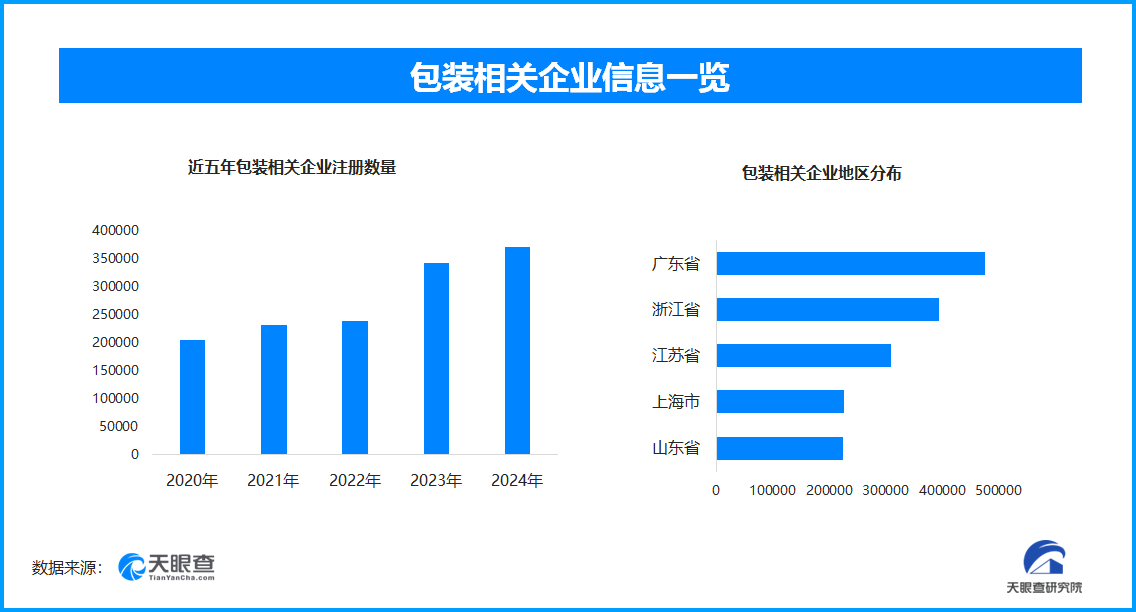
Core Insights - The State Post Bureau announced significant advancements in the postal industry, including full coverage of electronic waybills and circular transfer bags, with a reduction of packaging box layers and bag thickness by over 50% and tape width by 25% [1] - The implementation of smart packing algorithms has led to a nearly 20% reduction in material consumption, while the proportion of circular packaging in same-city express delivery has reached 10% [1] Packaging Recycling and Utilization - Over 800 million cardboard boxes are recycled and reused annually, with four postal enterprises piloting circular packaging in over 20 cities for fresh cold chain and government documents, promoting resource recycling [1] Technological Advancements - Modern information technology is facilitating green and low-carbon development, with intelligent upgrades in distribution centers, the implementation of photovoltaic power generation, and the widespread use of hydrogen and clean energy vehicles [1] - The area of photovoltaic installations in the postal industry has reached 4.48 million square meters, with over 1,000 green distribution centers and more than 12,500 green outlets [1] - The number of new energy and clean energy vehicles in the postal sector exceeds 75,000 [1] Industry Growth - As of now, there are over 2.888 million packaging-related enterprises in operation in China, with approximately 459,000 new registrations in 2025 [1] - The registration trend for packaging-related enterprises has shown a year-on-year increase over the past five years, expected to peak in 2024 [1] Regional Distribution - Guangdong, Zhejiang, and Jiangsu provinces lead in the number of packaging-related enterprises, with over 474,000, 393,000, and 309,000 respectively, followed by Shanghai and Shandong provinces [1]
国家邮政局:我国年回收复用纸箱超8亿个
Yang Guang Wang· 2025-12-26 02:17
Core Insights - The State Post Bureau announced that during the "14th Five-Year Plan" period, China has achieved near-complete coverage of electronic waybills and circular transfer bags, with significant reductions in packaging materials and an ongoing improvement in the greening, reduction, and recyclability of express packaging [1] Group 1: Packaging Innovations - The standardization rate of packaging has reached 86%, with a 25% reduction in tape width and a nearly 20% reduction in material consumption due to smart packing algorithms [1] - The proportion of circular packaging used in same-city express deliveries has reached 10%, with over 800 million recycled paper boxes annually [1] Group 2: Technological Advancements - Modern information technologies such as artificial intelligence, mobile internet, cloud computing, big data, and blockchain are reshaping the operational models and processes of express delivery, enhancing green and low-carbon development [1] - The industry has installed over 4,300 high-speed security inspection machines and established more than 1,000 green distribution centers and over 12,500 green outlets [1] Group 3: Carbon Reduction Strategies - The express delivery industry is implementing carbon reduction strategies across four key nodes: collection, transfer, transportation, and delivery, through technological innovation, model optimization, and green management [1][2] - In the collection phase, carbon reduction is achieved through source reduction and green alternatives; in the transfer phase, energy structure optimization is facilitated by green intelligent facilities; in the transportation phase, a dual approach of "new energy + multimodal transport" drives carbon reduction and efficiency; and in the delivery phase, unmanned technology and intelligent algorithms promote end-point carbon reduction [2]
年回收复用纸箱超8亿个 我国加快推进快递包装绿色转型
Xin Lang Cai Jing· 2025-12-25 20:24
Core Insights - The postal industry has achieved significant advancements in green packaging and carbon reduction during the "14th Five-Year Plan" period, with electronic waybills and circular transfer bags reaching near full coverage [1][2] - The industry has implemented various technologies and practices to enhance packaging standardization, reduce material usage, and promote recycling, leading to a notable decrease in packaging waste [1][2] Group 1: Packaging Innovations - The packaging standardization rate has reached 86%, with a reduction of over 50% in the number of layers of packaging boxes and thickness of packaging bags [1] - The width of tape used has been reduced by 25%, and intelligent packing algorithms have decreased material consumption by nearly 20% [1] - The proportion of circular packaging used in same-city express delivery has reached 10%, with over 800 million recycled paper boxes annually [1] Group 2: Carbon Reduction Strategies - The postal industry is focusing on carbon reduction through technological innovation, optimizing operational models, and implementing green management across four key logistics nodes: collection, transfer, transportation, and delivery [2] - In the collection phase, carbon reduction is achieved through source reduction and green alternatives; in the transfer phase, energy structure optimization is facilitated by green intelligent facilities [2] - The transportation phase utilizes a dual approach of "new energy + multimodal transport" to enhance low-carbon efficiency, while the delivery phase leverages unmanned technology and intelligent algorithms to further reduce carbon emissions [2] Group 3: Future Directions - The industry plans to deepen technological innovation by utilizing big data, blockchain, and smart technologies to enhance collaboration in logistics infrastructure and service networks, aiming for comprehensive carbon footprint management [2] - There is a commitment to promoting integrated carbon reduction through green buildings, smart devices, automated sorting, photovoltaic power generation, new energy vehicles, low-altitude delivery, and green packaging [2] - The National Postal Administration emphasizes the need for systematic thinking and problem-oriented approaches to drive collaborative governance across the supply chain and enhance public awareness of packaging governance achievements [2]
“十四五”期间中国快递包装治理取得阶段性成效
Zhong Guo Xin Wen Wang· 2025-12-25 13:19
Core Insights - The Chinese express delivery industry has made significant progress in green and low-carbon development during the "14th Five-Year Plan" period, particularly in packaging governance [1][2] Group 1: Achievements in Packaging Governance - The State Post Bureau reported that during the "14th Five-Year Plan," the express delivery industry achieved full coverage of electronic waybills and reusable transit bags, with a packaging standardization rate of 86% [1] - The thickness of packaging boxes and bags has been reduced by over 50%, and tape width has been reduced by 25% [1] - Smart packing algorithms have decreased material usage by nearly 20%, while the proportion of reusable packaging in same-city deliveries has reached 10% [1] - Over 800 million cardboard boxes are recycled annually, indicating a continuous improvement in the greening, reduction, and recyclability of express packaging [1] Group 2: Regulatory and Policy Framework - The regulatory framework for the industry has become more comprehensive, with the introduction of 3 laws, 15 standards, and 9 policies that align with green principles [2] - A systematic framework has been established that features complementary legal regulations, coordination between national and local policies, and integration of national and industry standards [2] - The effectiveness of the "four transformations" (standardization, circularity, reduction, and harmlessness) in packaging governance has been continuously enhanced [2] Group 3: Carbon Reduction Strategies - The postal industry is advancing carbon reduction through collaboration at four key nodes: collection, transfer, transportation, and delivery [2] - In the collection phase, carbon reduction is achieved through source reduction and green alternatives [2] - The transfer phase focuses on optimizing energy structure with green intelligent facilities [2] - The transportation phase employs a dual approach of "new energy + multimodal transport" to enhance low-carbon efficiency [2] - In the delivery phase, the use of unmanned technology and intelligent algorithms promotes carbon reduction at the final delivery stage [2]
从“速度优先”向“绿色引领”转型——我国邮政业绿色低碳发展观察
Xin Hua Wang· 2025-12-25 11:05
Core Viewpoint - The Chinese postal industry is transitioning from a "speed-first" approach to a "green-led" model, playing a crucial role in building a green, low-carbon, and circular economy system as part of the ongoing "dual carbon" initiatives [1] Group 1: Achievements in Green Development - The postal industry has made significant progress in green low-carbon development, with companies like Yunda promoting reusable smart document bags that can be used 1,000 times, saving materials and being more environmentally friendly [2] - During the 14th Five-Year Plan period, the industry has reduced packaging box layers and bag thickness by over 50%, and the width of tape by 25%, with a 10% usage rate of reusable packaging in same-city deliveries, recycling over 800 million cardboard boxes annually [2] Group 2: Regulatory Framework and Top-Level Design - The Chinese government has introduced 3 laws, 15 standards, and 9 policies aligned with green principles during the 14th Five-Year Plan, establishing a comprehensive regulatory system for the postal industry [3] - The revised express delivery regulations implemented in June 2023 emphasize the creation of a green and energy-efficient express service system, providing institutional support for collaborative governance across departments and regions [3] Group 3: Technological Innovation - The introduction of bamboo-based biodegradable bags by China Post in Hunan Province demonstrates the application of new technologies, reducing costs by over 10% compared to existing biodegradable packaging [4] - The postal industry is leveraging technology to enhance operational efficiency and reduce carbon emissions across the entire supply chain [4] Group 4: Full-Chain Carbon Reduction Strategies - In the collection phase, the industry is promoting the use of biodegradable tape and lightweight packaging, reducing plastic consumption, and utilizing digital methods to lower paper usage [5] - The transportation phase focuses on improving load rates and reducing empty runs through smart route planning and multi-modal transport [6] - In the delivery phase, there is an emphasis on developing and applying unmanned delivery devices and optimizing delivery routes to minimize energy consumption [6] Group 5: Collaborative Governance and Systematic Approach - The postal industry is actively promoting collaboration with upstream e-commerce platforms to reduce excessive packaging and implement smart packing algorithms, achieving a nearly 20% reduction in packaging material usage per order [8] - A systematic approach to express packaging governance has been established, clarifying responsibilities across various stages from design to recycling [9] - The National Postal Administration is enhancing cooperation among various stakeholders, including industry associations, to foster a green supply chain [9]
直通部委|博士硕士学位授予资格审核办法印发 邮政行业年回收复用纸箱超8亿个
Xin Lang Cai Jing· 2025-12-25 10:11
Group 1: Education and Research - The State Council Degree Committee has officially issued the "Measures for the Review of Doctoral and Master's Degree Granting Qualifications," emphasizing strategic needs, reform, and quality standards in degree granting [1] - The measures aim to enhance the adaptability of talent supply and demand by establishing a review mechanism that aligns with national strategic needs [1] - Local governments and universities will have expanded autonomy in setting academic disciplines, allowing for dynamic adjustments to better meet societal demands [1] Group 2: Climate Resources and Economy - The China Meteorological Administration has released the first Climate Resource Economic Blue Book, analyzing the economic transformation of climate resources [2] - The report highlights the impact of climate change on agriculture, noting an expansion of corn planting areas in Northeast China by approximately 6.1 million acres due to warming [2] - In the energy sector, improvements in forecasting for wind and solar energy can reduce disaster losses and optimize grid management [2] Group 3: Labor Law and Supervision - The Supreme People's Court and the Supreme People's Procuratorate, along with the All-China Federation of Trade Unions, have published ten typical cases to strengthen labor law supervision [3] - The "One Letter and Two Documents" system aims to remind employers to comply with labor laws and rectify illegal employment practices [3] Group 4: Energy Market - In the first eleven months of 2025, the national electricity market trading volume reached 6.03 trillion kilowatt-hours, a year-on-year increase of 7.6% [4] - The trading volume for green electricity increased by 42.8%, indicating a growing trend towards renewable energy sources [4] - The proportion of electricity market transactions to total electricity consumption rose to 63.7%, up 1.3 percentage points year-on-year [4] Group 5: Medical Device Regulations - The National Medical Products Administration has announced new regulations for the management of export sales certificates for medical devices, effective May 1, 2026 [5] - The regulations specify the requirements for obtaining export sales certificates for both registered and unregistered medical devices in China [5] Group 6: Financial Crime Prevention - The Ministry of Public Security reported that nearly 30 billion yuan has been involved in financial crime related to "black and gray industries" following a crackdown from June to November [6] - Over 1,500 cases have been investigated, and more than 200 organized crime groups have been dismantled, contributing to a cleaner financial market [6] Group 7: Postal Industry Developments - The State Post Bureau reported that over 800 million recyclable cardboard boxes were recovered in the postal industry in 2025, reflecting a commitment to green development [7] - The industry aims to enhance the sustainability of packaging and reduce waste through various initiatives during the "14th Five-Year Plan" period [7] Group 8: Digital Economy Growth - The core industries of the digital economy in China saw a sales revenue increase of 10% year-on-year in the first eleven months of 2025, outpacing overall enterprise growth [8] - Key sectors such as smart device manufacturing and digital technology applications experienced significant revenue growth, indicating a robust digital transformation [8] Group 9: Energy Project Participation - The National Development and Reform Commission encourages enterprises to participate in energy project construction, aiming to enhance infrastructure and support economic development [9] - The focus is on optimizing energy resource imports and ensuring stable coal supply while promoting international cooperation in energy projects [9]
国家邮政局:“十四五”时期快递包装绿色化、减量化、可循环水平持续提升
智通财经网· 2025-12-25 05:47
Core Viewpoint - The State Post Bureau of China reported significant advancements in the green and low-carbon development of the postal industry during the 14th Five-Year Plan period, focusing on sustainable practices in express packaging [2][3]. Group 1: Green Development Achievements - The entire industry has achieved near-complete coverage of electronic waybills and reusable transit bags, with a packaging standardization rate of 86% [3][4]. - There has been a reduction of over 50% in the number of layers of packaging boxes and the thickness of packaging bags, along with a 25% reduction in tape width [3][4]. - Smart packing algorithms have led to a nearly 20% reduction in material consumption, and the proportion of reusable packaging in same-city express deliveries has reached 10% [3][4]. - Over 800 million recycled and reused boxes are reported annually [3][4]. Group 2: Regulatory and Policy Framework - The postal industry has developed a comprehensive regulatory framework, including 3 laws, 15 standards, and 9 policies that align with green principles [4]. - The system features a complementary relationship between laws and regulations, national and industry standards, and coordination between central and local policies [4]. Group 3: Technological Innovations and Infrastructure - The industry has seen the emergence of new technologies and recycling scenarios, with applications of lightweight tape and reduced-size waybills becoming widespread [4][5]. - The total area of photovoltaic installations across the industry is 4.48 million square meters, with over 4,300 high-speed security machines and more than 1,000 green distribution centers [4][5]. - The number of new energy and clean energy vehicles has exceeded 75,000 [4][5]. Group 4: Future Directions - The postal industry aims to continue its green transformation by leveraging technology and optimizing models, focusing on carbon reduction across all logistics stages [5][6]. - Future efforts will include enhancing collaboration across the supply chain, promoting green buildings, smart devices, and integrated carbon reduction strategies [5][6].
国家邮政局:我国快递包装绿色转型加快 年回收复用纸箱超8亿个
Yang Shi Xin Wen· 2025-12-25 02:07
Core Viewpoint - The express delivery industry in China has made significant progress in green transformation during the 14th Five-Year Plan period, achieving near-complete coverage of electronic waybills and reusable transit bags, while reducing the layers of packaging boxes and thickness of packaging bags by over 50% [1] Group 1: Green Packaging Initiatives - The express delivery sector has achieved basic coverage of electronic waybills and reusable transit bags during the 14th Five-Year Plan [1] - The thickness of packaging bags has been reduced by over 50%, and the width of tape has been reduced by 25% [1] - The proportion of reusable packaging in same-city express delivery has reached 10%, with over 800 million cardboard boxes recycled annually [1] Group 2: Technological Advancements - Modern information technologies such as artificial intelligence, mobile internet, and cloud computing have reshaped the operational organization and workflow of the express delivery industry, enhancing green and low-carbon development [1] - Intelligent scheduling, visual tracking, and information management have been implemented in distribution centers, accelerating the adoption of solar power, intelligent sorting, and unmanned warehouses [1] - The area of photovoltaic installations in the postal industry has reached 4.48 million square meters, with over 1,000 green distribution centers and more than 12,500 green outlets established [1] Group 3: Clean Energy Adoption - The number of new energy and clean energy vehicles in the postal industry has exceeded 75,000 [1]
快递业加速绿色转型 包装市场迎来发展新机遇
Zheng Quan Ri Bao· 2025-06-02 16:30
Group 1 - The new regulations on express delivery packaging aim to promote green transformation in the industry, filling a legal gap and providing strong legal support for sustainable development [1] - Major express delivery companies have already begun implementing green packaging initiatives, with JD Logistics reducing raw material usage by 5% to 25% per box and cutting carbon emissions by 12,200 tons in 2024 [1] - Jitu Express has invested in biodegradable packaging, deploying 3.737 million fully biodegradable waterproof bags and 344,000 rolls of biodegradable tape by the end of 2024 [2] Group 2 - SF Express has reduced raw paper usage by approximately 42,000 tons and plastic usage by about 155,000 tons through green packaging measures, with over 19.18 million reusable packaging containers deployed [2] - The State Post Bureau reports that over 95% of e-commerce packages no longer require secondary packaging, and smart packing technology has achieved a 20% reduction in packaging materials [3] - Companies are increasingly investing in green packaging R&D, with Guangdong Tianyuan Industrial Group investing 51.9527 million yuan in 2024 for innovations like biodegradable bubble bags and reusable packaging boxes [3]