忽悠式重组

Search documents
510万元!监管重罚“忽悠式”重组
21世纪经济报道· 2026-03-04 15:08
Core Viewpoint - The A-share market is intensifying its crackdown on "deceptive restructuring," as evidenced by the administrative penalty imposed on Sunflower (300111) for misleading statements in its major asset restructuring plan, resulting in a proposed fine of 5.1 million yuan [1][4]. Group 1: Restructuring Scheme Issues - In September 2025, Sunflower announced a cross-industry transformation plan to acquire 100% of Zhangzhou Xipu Material Technology Co., intending to enter the semiconductor materials sector, and paid a deposit of 40 million yuan [3]. - The restructuring plan initially sparked market enthusiasm, leading to three consecutive days of stock price increases [3]. - Investigative reports revealed that a key asset of the target company, Jiangsu Fumait, had been out of production for nearly three years and lacked a valid safety production license, contradicting claims made in Sunflower's restructuring proposal [3]. Group 2: Regulatory Actions and Penalties - The regulatory investigation found that the main profit model disclosed for Xipu Materials was misleading, as the company's own factory was still under construction and lacked production capabilities [5]. - The Zhejiang Securities Regulatory Bureau proposed a total fine of 5.1 million yuan, which includes 3 million yuan for Sunflower, 1.5 million yuan for the former chairman, and 600,000 yuan for the former board secretary [5]. - The swift regulatory response, taking only 48 days from investigation to penalty notice, underscores the commitment to zero tolerance for information disclosure violations in the capital market [8]. Group 3: Investor Compensation - Investors who suffered losses due to misleading statements have the right to sue the company for compensation, particularly those who bought shares between September 22, 2025, and December 25, 2025, and sold or still hold shares post-December 26, 2025 [6][8].



向日葵虚假跨界梦碎,涉嫌误导性陈述被立案
Xin Lang Cai Jing· 2026-02-25 09:24
Group 1 - The core issue revolves around the misleading statements in the restructuring plan of Xiangrikui, which has led to an investigation by the China Securities Regulatory Commission (CSRC) [1][4] - The restructuring plan announced in September 2025 aimed to acquire 100% of Xipu Materials and 40% of Beid Pharmaceutical, but it was later revealed that the claimed production bases were "shell companies" without actual production capacity [1][4] - The investigation uncovered that the core products were not self-manufactured but were merely traded for profit, misleading the market regarding asset values [2][4] Group 2 - The restructuring case is marked by complex risks of interest transfer, including undisclosed related-party transactions involving the controlling shareholder's spouse and close relatives of the company's chairman [2][4] - The regulatory response escalated quickly, with the Shenzhen Stock Exchange issuing a notice and the CSRC formally investigating within three weeks, highlighting a new regulatory norm aimed at preventing the injection of poor-quality assets [3][5] - Following the regulatory actions, Xiangrikui's stock price plummeted, triggering a 20% trading halt, resulting in significant losses for investors [5]
“忽悠式重组”迎强监管
Di Yi Cai Jing Zi Xun· 2026-02-09 11:55
Core Viewpoint - The Shanghai and Shenzhen Stock Exchanges announced a set of optimized refinancing measures aimed at enhancing the transparency and accountability of refinancing plans, particularly those involving changes in company control [1] Group 1: Refinancing Measures - The new regulations require companies to publicly commit to completing the issuance of shares within the validity period of the approval document when the refinancing is aimed at acquiring control of the listed company [1] - This measure is intended to prevent misleading refinancing practices, often referred to as "hype-style" refinancing [1] Group 2: Impact on Market - Changes in control of a listed company are considered significant events that can greatly affect stock prices, especially when the acquirer brings a hot concept [1] - The disclosure of refinancing plans involving control changes may lead to substantial stock price fluctuations [1] Group 3: Regulatory Enforcement - Regulatory authorities will increase post-event penalties for market participants who violate public commitments, aiming to deter non-compliance and further regulate the behavior of companies seeking to change control through refinancing [1]
“忽悠式重组”迎强监管
第一财经· 2026-02-09 11:13
Core Viewpoint - The article discusses the optimization of refinancing measures announced by the Shanghai and Shenzhen Stock Exchanges, focusing on the requirements for refinancing plans related to changes in control of listed companies, aiming to prevent misleading refinancing practices [1]. Group 1: Refinancing Measures - On February 9, the Shanghai and Shenzhen Stock Exchanges announced a package of optimized refinancing measures, which include improved requirements for the announcement of refinancing plans [1]. - For refinancing aimed at acquiring control of a listed company, the issuing parties must publicly commit to completing the issuance within the validity period of the approval document, preventing "misleading" refinancing [1]. Group 2: Impact on Market - Changes in control of listed companies are considered significant events that can greatly impact stock prices, especially when the acquirer may bring in hot concepts [1]. - The disclosure of refinancing plans involving control changes may lead to substantial fluctuations in stock prices [1]. Group 3: Regulatory Actions - The regulatory authorities will increase post-event penalties for market participants who violate public commitments, creating a market deterrent [1]. - This move aims to further standardize the behavior of listed companies in changing control through refinancing [1].

“忽悠式重组”迎强监管:涉控制权变更 批文有效期内必须完成发行
Di Yi Cai Jing· 2026-02-09 11:03
Core Viewpoint - The Shanghai and Shenzhen Stock Exchanges announced a set of optimized refinancing measures aimed at enhancing the requirements for refinancing plans, particularly concerning the issuance of shares for the purpose of acquiring control of listed companies, to prevent misleading refinancing practices [1] Group 1: Regulatory Changes - The new regulations require issuers to publicly commit to completing the issuance within the validity period of the approval document, addressing concerns over "deceptive" refinancing practices [1] - The changes are seen as significant due to the potential impact on stock prices when control of a listed company changes, especially if the acquirer brings a hot concept [1] Group 2: Market Impact - The disclosure of refinancing plans involving control changes may lead to substantial stock price fluctuations, prompting the need for careful decision-making by listed companies and investors [1] - Regulatory authorities will increase post-event penalties for market participants who violate public commitments, aiming to deter misconduct and further regulate the behavior of listed companies in refinancing scenarios [1]
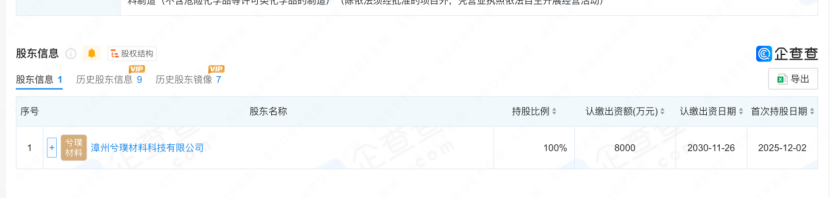
向日葵被立案调查重组终止,兮璞材料收购“沉睡工厂”竹篮打水
Feng Huang Wang· 2026-01-15 02:03
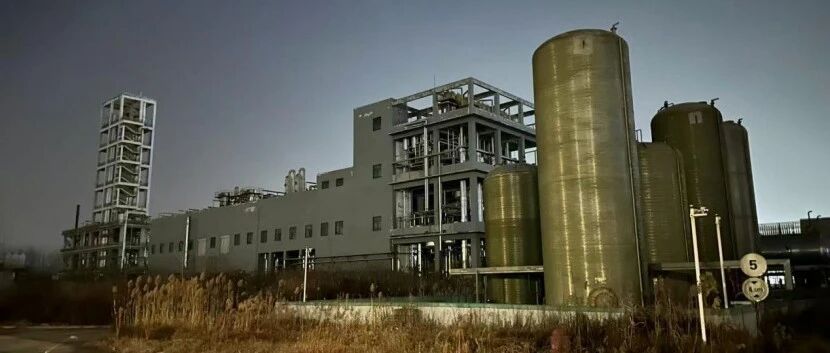
Core Viewpoint - The company Sunflower (300111.SZ) has faced significant backlash from investors due to its termination of a restructuring plan following an investigation by the China Securities Regulatory Commission (CSRC) for alleged violations of information disclosure, highlighting the regulatory body's zero-tolerance stance towards misleading restructuring practices [1][2]. Group 1: Investigation and Termination of Restructuring - Sunflower was investigated by the CSRC for information disclosure violations, leading to the termination of its restructuring plan [1][2]. - The CSRC's actions reflect a commitment to maintaining order in the mergers and acquisitions market and protecting the interests of small investors [1]. - Following the investigation, Sunflower's stock price dropped by 10%, making it the second-largest decline in the Shenzhen market on that day [1]. Group 2: Allegations Against Xipu Materials - Xipu Materials, a key player in the restructuring, was accused of concealing its production capacity and engaging in hidden related-party transactions [2]. - The company had not disclosed its acquisition of Jiangsu Fumait Materials Technology Co., Ltd., which had been dormant for three years [3][4]. - The acquisition was made for 80 million yuan, but the factory has not been operational, raising concerns about the validity of the asset being acquired [4][5]. Group 3: Operational Status of Jiangsu Fumait - Jiangsu Fumait has been non-operational for nearly three years, with its production licenses expired, indicating a significant barrier to resuming operations [10][12]. - The company requires extensive repairs and regulatory approvals to restart production, which is a complex process involving specialized expertise [11]. - The lack of operational capacity and personnel at Jiangsu Fumait raises doubts about the feasibility of its revival as a productive asset [12]. Group 4: Market Implications - The termination of the restructuring plan and the investigation into Sunflower and Xipu Materials have left investors with significant concerns regarding their rights and the future of their investments [15]. - The situation underscores the challenges of "patchwork" restructuring efforts that do not meet regulatory standards, which could deter future mergers and acquisitions in the sector [14].
“沉睡工厂”未唤醒,收购方已梦碎!向日葵重组终止,兮璞材料竹篮打水
财联社· 2026-01-15 01:16
Core Viewpoint - The article highlights the negative impact of "deceptive" restructuring on investors of Xiangrikui (300111.SZ), as the company faces an investigation by the China Securities Regulatory Commission (CSRC) for information disclosure violations, leading to the termination of its restructuring plan [1][2]. Group 1: Regulatory Response - The CSRC's investigation reflects a zero-tolerance policy towards "deceptive" restructuring practices, emphasizing the regulatory body's commitment to maintaining order in the M&A market and protecting the interests of small investors [1]. - Following a report by Caixin, Xiangrikui's stock price dropped by 10%, marking the second-largest decline in the Shenzhen market on that day [1]. Group 2: Issues with Xiangrikui's Restructuring - Xiangrikui's restructuring was undermined by undisclosed issues, including the lack of actual production capacity and hidden related-party transactions, which were part of the operational logic of the controlling individuals of Xiangrikui [2]. - The company had hoped to "beautify" its asset profile through acquisitions, but the termination of the restructuring has rendered these efforts futile [2]. Group 3: Acquisition of Jiangsu Fumait - Xiangrikui acquired Jiangsu Fumait Materials Technology Co., Ltd. for 80 million yuan, but this acquisition was not publicly disclosed and only found in corporate records [4]. - Jiangsu Fumait has been inactive for over three years, lacking production capabilities and requiring extensive repairs and re-certifications to resume operations [9][10]. Group 4: Production Challenges - The factory of Jiangsu Fumait is currently non-operational, with expired safety and hazardous materials permits, indicating significant hurdles to restarting production [12][15]. - Industry experts note that the complexity of restoring production capabilities, especially for hazardous materials like tetrafluoroethylene, poses a substantial challenge for Xiangrikui [15]. Group 5: Implications for Investors - The termination of the restructuring leaves investors with unresolved issues regarding their rights and interests, highlighting the risks associated with such corporate maneuvers [16].
揭秘年内72单重大重组失利,半导体赛道失败率高
Xin Lang Cai Jing· 2025-12-25 01:00
Core Viewpoint - The A-share merger and acquisition (M&A) market has seen a significant revival in 2025, with a total of 6,074 M&A events reported, including 279 major restructurings, marking a nearly twofold increase from the previous year. The total disclosed transaction amount reached 1.87 trillion yuan, over ten times higher than last year. However, one-quarter of these major transactions ended in failure, highlighting underlying challenges in the market [1][3][12]. Group 1: Market Performance - The number of major restructuring events in the A-share market has increased significantly, with 279 major restructurings reported this year, compared to 72 last year [1][3]. - The total disclosed transaction amount for M&A activities reached 1.87 trillion yuan, reflecting a growth of over ten times compared to the previous year [1][3]. - The approval rate for M&A applications in the Shanghai, Shenzhen, and Beijing stock exchanges reached 100%, with 39 companies' applications reviewed this year, a 160% increase from last year [3][12]. Group 2: Reasons for Failure - A total of 72 major restructurings failed this year, primarily due to market factors such as changes in market conditions, disagreements on valuation, and inconsistent interests among minority shareholders [3][12]. - The semiconductor and biopharmaceutical sectors experienced higher failure rates, with 12 and 8 failed restructurings, respectively, attributed to significant valuation discrepancies and the nature of their business models [4][5][12]. - Notable failed transactions included the merger between Haier Biomedical and Shanghai Laister, which was terminated after only 15 days of planning, indicating a trend of rapid failures in the current market [6][15]. Group 3: Market Dynamics - The current market environment has led to impulsive M&A decisions, with companies eager to initiate transactions without thorough negotiations, resulting in many deals being called off [2][11]. - The introduction of new IPO policies has influenced companies' attitudes towards M&A, with many firms reassessing their strategies in light of the evolving regulatory landscape [5][14]. - The phenomenon of "flash crash" terminations has become more common, with 18 failed restructurings occurring within 100 days of announcement, indicating a lack of adequate negotiation time [6][15]. Group 4: Investor Behavior - Investors are advised to be cautious of "hype-driven" restructurings, focusing on whether the M&A aligns with the company's long-term strategy and whether there is substantial synergy [8][17]. - The speculative nature of some M&A announcements has led to significant stock price fluctuations, with examples of companies experiencing over 400% price increases before ultimately failing to complete their transactions [7][17]. - The market's reaction to M&A announcements has been volatile, with many investors engaging in irrational speculation, particularly in sectors like semiconductors and renewable energy [7][16].