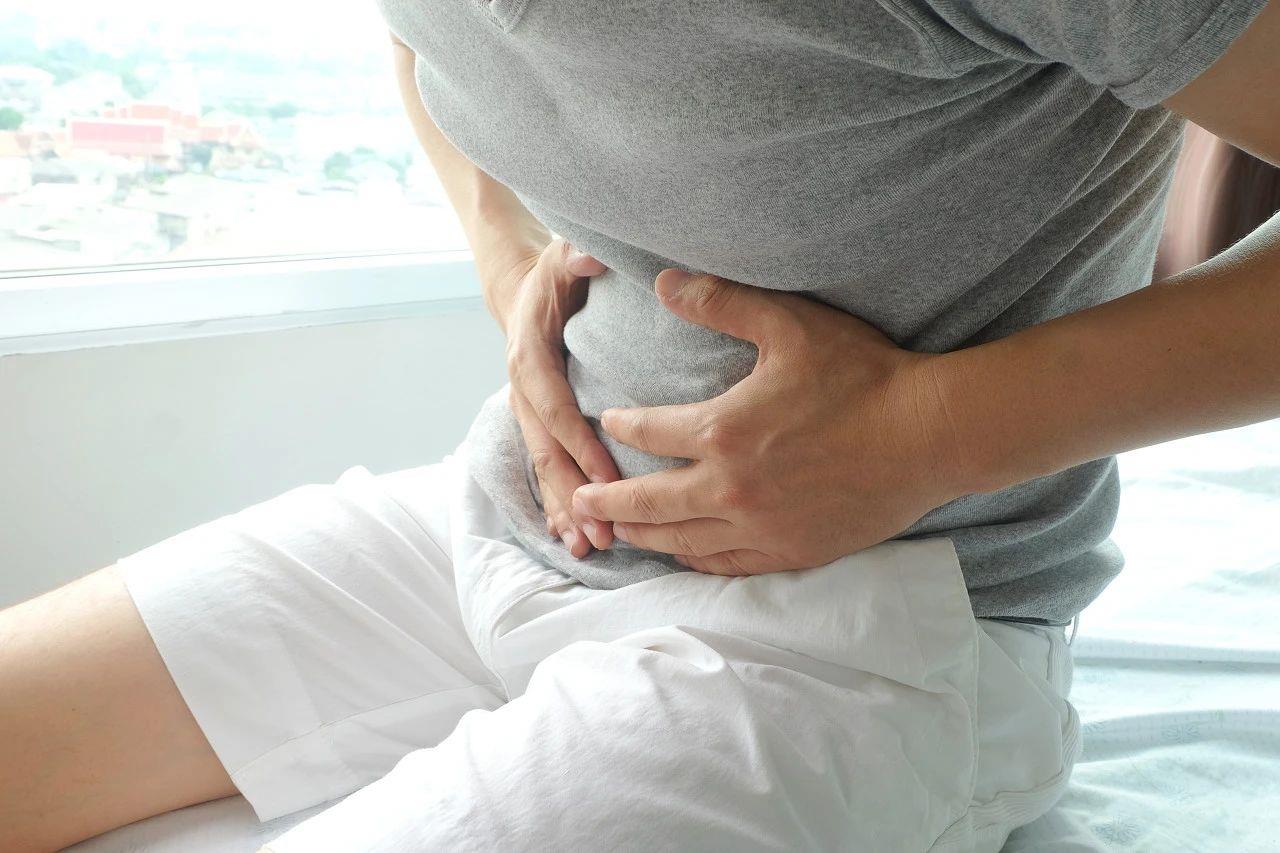
急性胃肠炎

Search documents
【应急总医院科普时间】春节美食诱惑多,这份健康“避险指南”请收好
Xin Lang Cai Jing· 2026-02-15 03:15
Core Viewpoint - The article discusses the health risks associated with overeating and drinking during the Chinese New Year, highlighting various conditions that can arise from indulgent eating habits and providing health tips to mitigate these risks [1][3]. Group 1: Acute Pancreatitis - Overeating high-fat and high-protein foods, along with excessive alcohol consumption, can lead to acute pancreatitis, as the pancreas becomes overwhelmed and begins to digest itself [3][5]. - Symptoms include severe abdominal pain, nausea, vomiting, and in severe cases, low blood pressure and shock [5]. - To prevent this condition, it is advised to eat in moderation, avoid excessive drinking, and for those with gallbladder issues, to steer clear of high-fat foods [5][7]. Group 2: Acute Gastroenteritis - Disrupted eating patterns during the holiday can lead to acute gastroenteritis, caused by consuming raw or hard-to-digest foods and potentially spoiled items [7]. - Symptoms include frequent diarrhea, abdominal cramps, nausea, and weakness, which can lead to dehydration [7][9]. - Maintaining regular eating habits, avoiding raw and irritating foods, and ensuring food safety are recommended to prevent this condition [7][9]. Group 3: Upper Gastrointestinal Bleeding - The combination of alcohol and spicy foods can irritate the stomach lining, leading to acute upper gastrointestinal bleeding, especially in individuals with pre-existing digestive conditions [11][12]. - Symptoms may include vomiting blood and black stools, along with dizziness and weakness [11][12]. - Individuals with digestive diseases should avoid alcohol and spicy foods, opting for milder, easily digestible options [11][12]. Group 4: Gout - The consumption of high-purine foods during the holiday can lead to gout, as excess uric acid accumulates in the body [12][14]. - Symptoms include sudden, severe joint pain, swelling, and restricted movement [12][14]. - It is advised to limit high-purine foods, stay hydrated, and manage stress to prevent gout attacks [14][15]. Group 5: Airway Foreign Bodies - Young children are at risk of choking on food during festive gatherings, particularly on hard-to-chew items [16][18]. - Symptoms of airway obstruction include severe coughing, difficulty breathing, and cyanosis [18][20]. - Parents should supervise young children while eating and avoid giving them hard foods that could pose a choking hazard [20].


肚子发出这 5 种声音,可能是身体在求救,一定要注意!
Xin Lang Cai Jing· 2026-02-01 14:11
Core Points - The article discusses the phenomenon of "borborygmi," or stomach growling, which can indicate various bodily signals, particularly when it occurs in different forms [8][9]. Group 1: Understanding Borborygmi - Borborygmi is produced by three main forms of intestinal movement: tonic contractions, segmentation, and peristalsis [1][2][3]. - The sound is often more pronounced when the stomach is empty, as gastric contractions increase in response to the secretion of gastric juices [4][6]. Group 2: Types of Borborygmi and Their Implications - Normal borborygmi occurs 4-5 times per minute and is generally soft and not easily heard [8]. - Increased borborygmi (over 10 times per minute) or high-pitched sounds may signal health issues [9]. - Specific types of borborygmi can indicate different conditions: 1. Simple growling without other symptoms may suggest indigestion [10]. 2. Increased frequency and loudness may indicate acute gastroenteritis [12]. 3. Decreased sounds could suggest peritonitis [14]. 4. Very frequent sounds (over 15 times per minute) may indicate intestinal obstruction [14]. 5. Increased sounds with abdominal pain or diarrhea could signal acute inflammation or gastrointestinal bleeding [16]. Group 3: Recommendations for Gut Health - To alleviate borborygmi, it is advised to chew food thoroughly and avoid excessive talking while eating [17]. - A balanced diet with probiotics, such as yogurt, can help maintain gut flora and improve intestinal movement [18]. - Keeping the abdominal area warm and avoiding cold foods can support normal gastrointestinal function [20]. - Attention to dietary choices, especially for individuals with lactose intolerance, is crucial for gut health [21].

夏季急性胃肠炎高发,日常生活需注意什么
Zhong Guo Qing Nian Bao· 2025-08-02 01:50
Core Insights - Acute gastroenteritis is a common health issue during summer, often caused by foodborne bacteria due to high temperatures and poor food storage practices [1][2] - Symptoms of acute gastroenteritis can vary based on the cause and individual health, with common symptoms including nausea, vomiting, diarrhea, and abdominal pain [1][2] - The elderly are particularly vulnerable to foodborne diseases, with a peak incidence in August, often due to the consumption of leftover food [2] Group 1 - High temperatures and humidity create favorable conditions for the rapid proliferation of bacteria and viruses, leading to increased cases of gastroenteritis [2][3] - Common infectious agents include bacterial dysentery, Salmonella, norovirus, and rotavirus, especially affecting children [2][3] - Severe cases may lead to dehydration, shock, or sepsis, necessitating immediate medical attention [2][3] Group 2 - Prevention strategies include maintaining good dietary habits, personal hygiene, and environmental cleanliness to reduce the risk of gastroenteritis [3] - Recommendations include washing hands before meals, avoiding overeating and cold foods, and not consuming stale food [3] - Engaging in physical exercise, ensuring adequate sleep, and managing stress can enhance immunity and reduce the likelihood of gastroenteritis [3]
一口气吃完!宁波女子直奔医院!医生:已接诊十几例了!最近很多人“狂炫”,不能这么吃啊
Huan Qiu Wang· 2025-06-14 07:40
Core Points - The article highlights the increase in acute gastroenteritis cases due to the consumption of summer fruits like watermelon, particularly when improperly stored or consumed in large quantities [1][2] - Medical professionals emphasize the importance of food hygiene and caution against the risks associated with eating cold or improperly stored fruits [2] Group 1: Health Risks - There has been a noticeable rise in acute gastroenteritis patients, especially among those with pre-existing gastrointestinal conditions [1][2] - Watermelon, being high in sugar and water, can promote bacterial growth, leading to potential infections if not stored correctly [2] - Symptoms of gastrointestinal distress include severe abdominal pain, nausea, vomiting, diarrhea, and fever, which can arise from consuming large amounts of cold watermelon [1][2] Group 2: Recommendations - It is advised to consume freshly prepared food and avoid long-term storage, especially during high temperatures in summer [2] - Individuals with specific health conditions, such as diabetes or renal issues, should limit or avoid watermelon consumption [2] - Immediate medical attention is recommended if symptoms like nausea, vomiting, abdominal pain, diarrhea, or fever occur after eating [2]
肚子发出这5种声音可能是身体在求救 一定要注意!
Yang Shi Xin Wen· 2025-04-28 22:14
Core Points - The article discusses the phenomenon of bowel sounds, known as "borborygmi," which can indicate various health signals depending on their characteristics [1][5] - It emphasizes the distinction between physiological and pathological bowel sounds, with normal sounds occurring 4-5 times per minute and louder sounds potentially signaling health issues [5][6] Summary by Sections Origin of Bowel Sounds - Bowel sounds are produced by three main actions in the small intestine: tonic contractions, segmentation, and peristalsis [2] - Hunger triggers stronger gastric contractions, leading to audible sounds as gas moves through narrowed passages [3] Types of Bowel Sounds - Normal bowel sounds are physiological, while abnormal sounds can indicate conditions such as acute gastroenteritis, peritonitis, bowel obstruction, or even cancer [5][8] - Specific symptoms associated with increased bowel sounds include abdominal pain, diarrhea, and changes in bowel habits [8] Management of Bowel Sounds - Recommendations for managing bowel sounds include eating slowly, avoiding carbonated drinks, and consuming probiotics to improve gut health [9][11] - Maintaining warmth in the abdominal area and being mindful of dietary choices can also support digestive health [11]