
悦己导向

Search documents
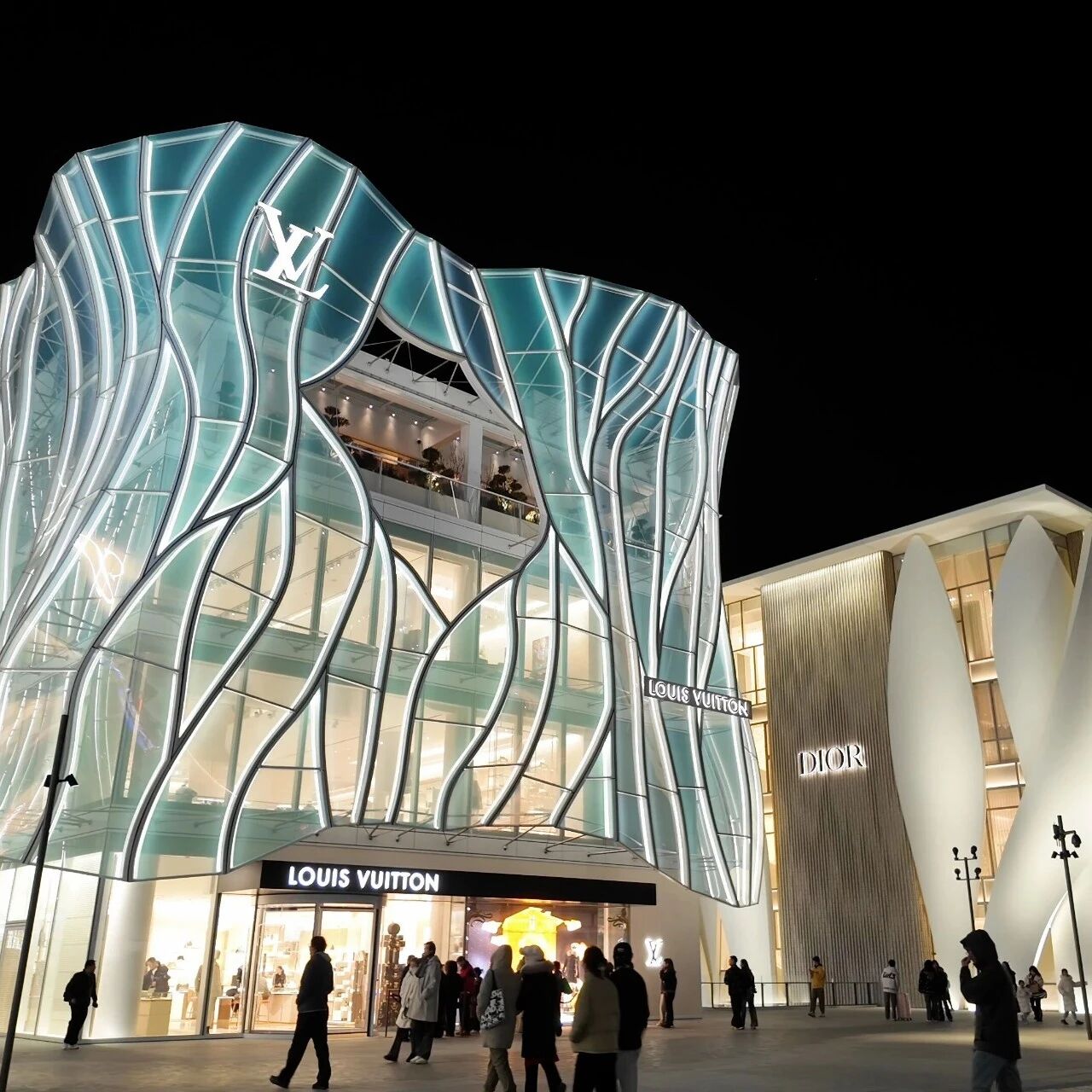
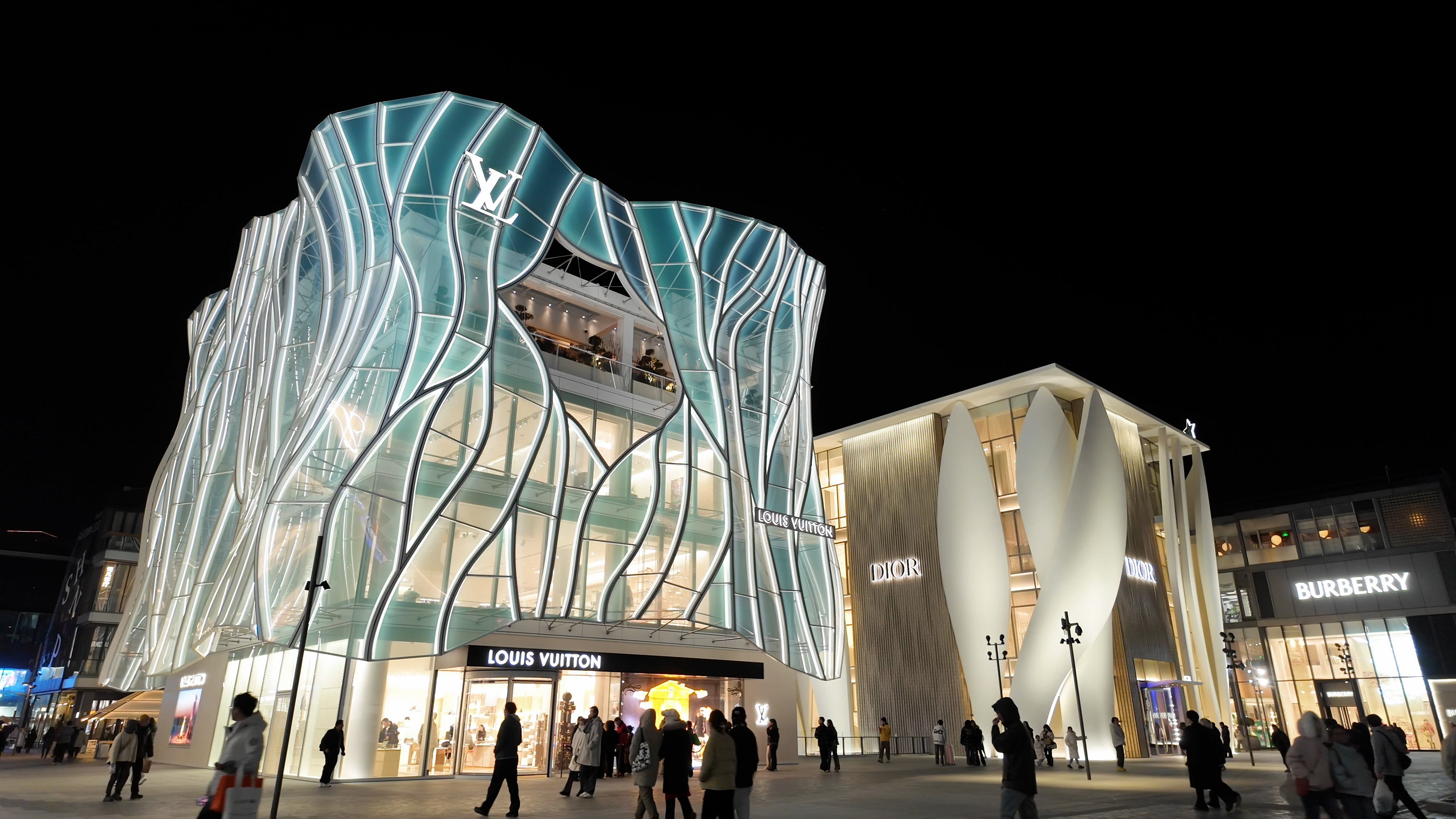
奢侈品独栋“扎堆”三里屯,线下商业地标正抢回流量
第一财经· 2026-01-23 10:18
Core Viewpoint - The article highlights the transformation of the Sanlitun Taikoo Li shopping area in Beijing, showcasing the rise of flagship stores from luxury brands like Dior, Louis Vuitton, and Tiffany, which have become new landmarks in the area [2][4]. Group 1: Market Trends - The upgrade of Sanlitun Taikoo Li began in 2022, driven by two main market trends: the increasing demand for customized retail spaces from brands and the evolving consumer desire for diverse experiences [4]. - The retail landscape in mainland China is viewed as a strategic focus for Swire Properties, emphasizing the immense potential and long-term value of the consumer market [6]. - The consumer market has shifted from merely "buying" to "experiencing," with shopping now serving as a means of expressing lifestyle and emotional connections [6]. Group 2: Consumer Behavior - Two powerful forces are reshaping the current consumer market: the rise of Generation Z, who prioritize individuality and social connection, and high-net-worth individuals, who seek exclusivity and a unique shopping experience [7]. - The commercial space is evolving from a destination solely for shopping to a social hub where experiences take precedence, with shopping being a secondary activity [7]. Group 3: Project Development Principles - Swire Properties' retail strategy is based on three principles: understanding consumer needs, avoiding the trap of solely focusing on luxury brands, and customizing projects to fit local contexts [7]. - The Sanlitun Taikoo Li project incorporates not only luxury flagship stores but also lifestyle brands, unique dining options, and trendy concept stores to cater to a diverse customer base [7]. Group 4: Broader Market Implications - Similar upgrades are occurring in other cities, with a shift from selling products to offering services and experiences, which is gradually attracting foot traffic back to physical stores [8]. - The Beijing Chaoyang District is also pushing for the renovation of commercial entities like Blue Island Building and World Trade Center, adapting to changing consumer preferences [8]. - Analysts note that the ongoing transformation in the retail sector, driven by government consumption stimulus policies and the evolution of offline business models, is creating new opportunities for the industry [8][9]. Group 5: Performance Metrics - As of the end of 2024, over half of commercial projects have been operating for more than five years, indicating a need for traditional projects to innovate and create new competitive advantages [9]. - The opening of Louis Vuitton's maritime-themed landmark in Shanghai generated significant social media buzz, with foot traffic at the site increasing by 107% and 114% on consecutive weekends [9].


奢侈品独栋“扎堆”三里屯,线下商业地标正抢回流量
Di Yi Cai Jing· 2026-01-23 09:53
Core Insights - The article highlights the accelerated transformation of existing commercial projects to enhance competitiveness, particularly in Beijing's Sanlitun area, where luxury brands have established flagship stores, attracting significant consumer attention [1][4]. Group 1: Market Trends - The upgrade of Sanlitun Taikoo Li began in 2022, driven by two main market trends: the increasing demand for customized retail spaces from brands and the evolving consumer desire for diverse experiences [1]. - The retail landscape in mainland China is shifting from merely "buying" to "experiencing," with consumers seeking emotional connections and lifestyle expressions through their shopping experiences [4]. Group 2: Consumer Behavior - The Z generation is becoming the dominant force in the consumer market, valuing personalization, social interaction, and cultural identity over traditional brand loyalty [5]. - High-net-worth individuals are increasingly focused on quality and service, seeking unique products and exclusive shopping experiences that reflect their identity and lifestyle [5]. Group 3: Project Development Principles - Taikoo's retail strategy is based on three principles: understanding consumer needs, avoiding standardized project replication, and offering a mix of luxury and lifestyle brands to cater to diverse demographics [5]. - The transformation of commercial spaces should be tailored to local contexts and consumer preferences, moving beyond a sole focus on luxury goods [5]. Group 4: Industry Developments - Other cities in China are also witnessing significant upgrades to landmark commercial projects, with a shift from selling products to offering services and experiences, which is helping to attract foot traffic back to physical stores [6]. - As of the end of 2024, over half of commercial projects will be over five years old, indicating a need for traditional projects to innovate and create new competitive advantages [7]. Group 5: Market Opportunities - The current consumer trend is characterized by a focus on experiential and self-indulgent retail, with sectors like dining and lifestyle experiences expanding rapidly [7]. - The rise of new consumption patterns is creating opportunities for the retail industry, with a focus on emotional consumption and long-term engagement becoming key drivers [6][7].
“人、货、场”迭代升级,关注情绪消费赛道机会
KAIYUAN SECURITIES· 2026-01-04 08:46
Investment Rating - The industry investment rating is "Positive" (maintained) [1] Core Viewpoints - The retail industry is undergoing an evolution in the "people, goods, and scene" framework, driven by emotional consumption, which presents new opportunities for growth [3][25] - High-end gold and fashion jewelry are gaining traction among consumers, with a focus on product differentiation and cultural significance [3][32] - The cosmetics industry is innovating through the IP of technical ingredients and cultural confidence, enhancing product appeal and market competitiveness [3][37] - Offline retail is shifting from selling "goods" to offering "services and experiences," with companies like Yonghui Supermarket leading the transformation [3][41] Summary by Sections Retail Market Overview - In 2025, the retail sector index closed at 2422.59 points, with an annual increase of 8.21%, underperforming the Shanghai Composite Index, which rose by 18.41% [5][14] - The retail industry ranked 23rd among 31 sectors in terms of performance [15] Industry Dynamics - The emotional value is driving consumer intentions, with a focus on "research-based consumption," "self-satisfaction," and "long-termism" as key decision-making trends [25][28] - High-end gold is becoming a preferred asset for wealth preservation, while fashion gold is appealing to younger consumers through innovative designs and social media engagement [32] - The cosmetics sector is witnessing a shift towards self-developed core ingredients and cultural narratives, enhancing brand value [37] Investment Recommendations - Focus on high-quality companies in the emotional consumption theme, particularly in the gold jewelry sector, with recommendations for brands like Chao Hong Ji and Lao Pu Gold [6][50] - Emphasize offline retail companies adapting to market changes, such as Yonghui Supermarket and Ai Ying Shi [6][48] - Highlight cosmetics brands that innovate in emotional value and safety, including Mao Ge Ping and Po Lai Ya [6][48] - Consider differentiated medical beauty product manufacturers and leading medical beauty institutions, recommending companies like Ai Mei Ke and Ke Di-B [6][48]