意义经济

Search documents
当工作失去意义,工作的未来将何去何从
3 6 Ke· 2026-02-26 23:08
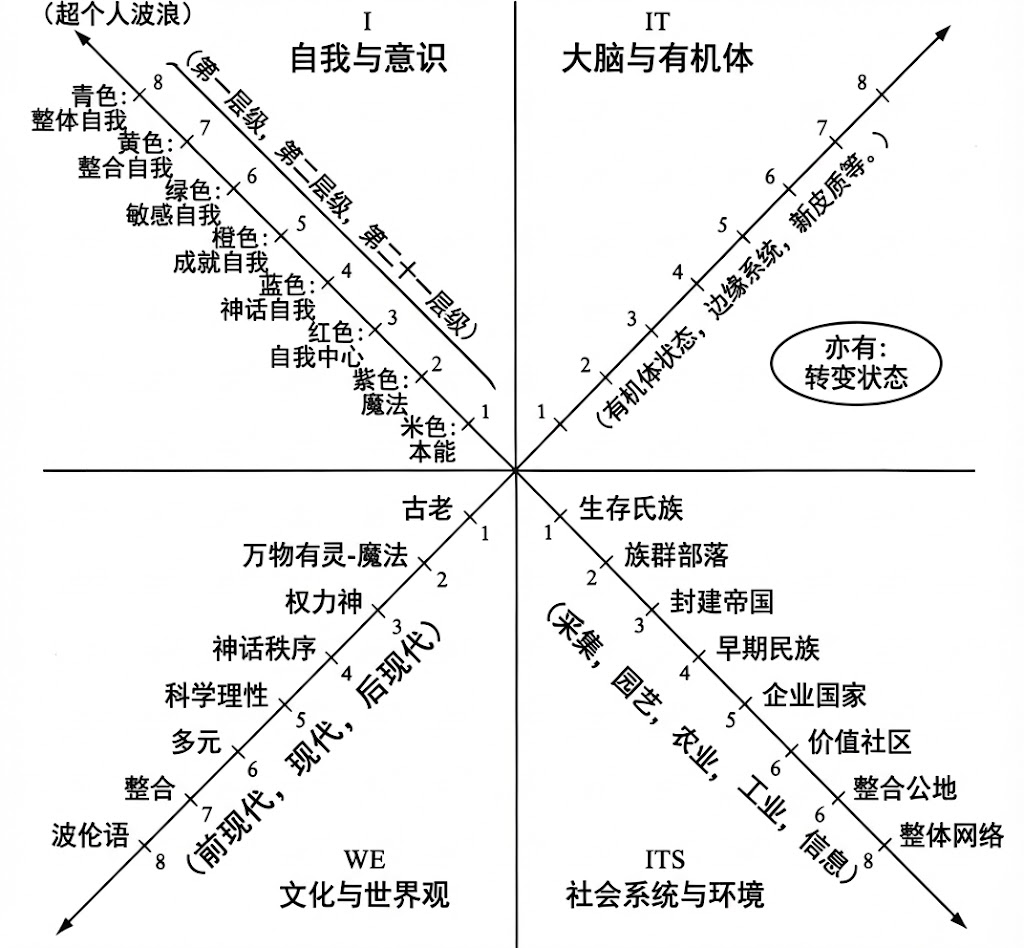
Core Insights - The article discusses the evolving nature of work in the context of artificial intelligence (AI) and the unique value of human subjectivity in creative fields [1][2][3][4][5][6]. Group 1: The Crisis of Meaning - The concept of meaning has become a scarce commodity in modern society, leading to a crisis where individuals seek purpose in their work [8][20]. - Historical context is provided to understand how societies have evolved from pre-modern to modern and post-modern views, impacting the perception of meaning [10][13][14][16]. - The transition to an information age has further abstracted labor, leading to a disconnection from meaningful work [15][29]. Group 2: The Role of AI - AI is seen as a potential threat to traditional jobs, promising to eliminate labor but simultaneously exacerbating the scarcity of meaning [29][30][34]. - The article highlights the paradox that if everyone becomes unemployed due to AI, the economy could collapse as no one would have money to spend [37][38]. - The emergence of a creator economy is suggested, where individuals can derive income from their unique perspectives and contributions rather than traditional employment [70][72]. Group 3: Skills for the Future - The future skill set should focus on human-centric abilities that AI cannot replicate, such as subjectivity, taste, and the ability to create meaningful narratives [108][111][120]. - The importance of personal growth and the ability to connect with others is emphasized as essential for finding meaning in work [59][60]. - The article outlines a hierarchy of skills necessary for success in a post-labor economy, including the ability to persuade and the technical expertise to leverage AI tools effectively [130][131].

X上爆火的一篇AI产品经理博客:我们会被AI取代吗?
3 6 Ke· 2026-01-23 05:13
Group 1 - The article discusses the potential impact of AI on the future of work, emphasizing that while AI may automate many tasks, it cannot replace the intrinsic human desire to create and be recognized for contributions [2][4][25] - It highlights a fundamental aspect of human nature, suggesting that people will continue to seek meaningful work and connection, even in an AI-dominated landscape [3][21][44] - The author proposes that the meaning crisis in society has made meaning itself a scarce commodity, leading to a need for new structures and frameworks to generate meaning in work and life [6][19][23] Group 2 - The evolution of societal structures and the techno-economic base is discussed, indicating that as societies progress, the dominant worldview and value systems shift, impacting how meaning is derived [8][12][18] - The article outlines the transition from premodern to modern and postmodern worldviews, ultimately leading to a crisis of meaning that must be addressed in the upcoming age of intelligence [10][19][20] - It suggests that the future will require individuals to embrace their roles as creators and problem solvers, actively generating meaning rather than relying on external sources [41][47][48] Group 3 - The concept of the creator economy is introduced, positing that individuals will derive income and meaning from their creative endeavors rather than traditional employment [52][58] - Attention is identified as a scarce resource in the creator economy, with successful individuals capturing and leveraging it to build meaningful connections and communities [53][54] - The article emphasizes that the creator economy is not a zero-sum game, allowing for diverse paths to success and fulfillment beyond the pursuit of wealth [58][60]
媒体的未来是一家银行:代理资本重新定价注意力
Hu Xiu· 2025-09-16 08:45
Core Viewpoint - The future of subscriptions lies in spontaneous payment systems, where users curate their information through autonomous AI agents trained on their preferences, allowing for microtransactions as a form of tipping for content [1][27][24]. Group 1: Media Industry Transformation - The media industry is fragmented, and the combination of AI and digital wallets can unlock new audiences and spending opportunities [2][10]. - Traditional subscription models are becoming obsolete as the rise of AI agents creates new audiences for media [16][26]. - The concept of media is evolving, with media companies needing to adapt to new consumer behaviors and preferences [15][18]. Group 2: Consumer Behavior and Engagement - The new desirable consumer will possess high agentic capital, utilizing AI to optimize their entertainment spending [1][38]. - Attention will increasingly be measured through stablecoin transactions rather than traditional engagement metrics [1][25]. - Consumers are motivated to pay for media not just for access but to support creators and their viewpoints [28][29]. Group 3: Payment Systems and Monetization - Spontaneous payment systems are already prevalent in platforms like OnlyFans and TikTok, but have yet to be fully realized in digital media [27][29]. - Micropayments have the potential to replace subscriptions as a means of quantifying attention, allowing for more flexible and personalized payment structures [29][30]. - The infrastructure for efficient storage and distribution of entertainment consumption is necessary for the evolution of media monetization [30][45]. Group 4: The Role of AI in Media Consumption - AI agents will extend consumer attention and spending power, creating a new class of audience that can efficiently allocate their entertainment budgets [38][39]. - The interaction between human taste and AI will lead to a new hierarchy of content consumption, where both humans and AI agents participate [23][24]. - The most successful individuals will be those with the highest agentic capital, indicating a shift in how taste and status are perceived in the media landscape [43][42].