房产变现难

Search documents
到2025年,4类房或成烫手山芋?已有懂行人在悄悄套现
Sou Hu Cai Jing· 2025-11-26 10:19
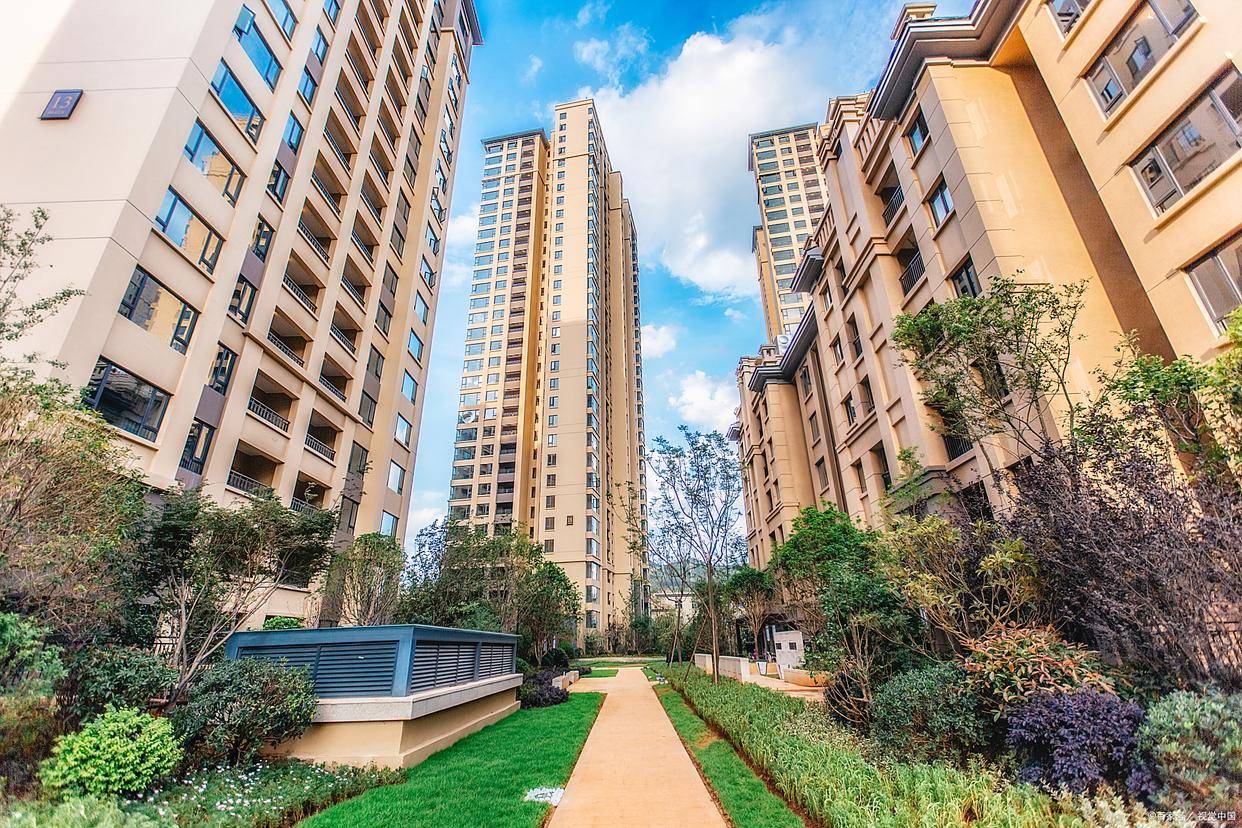
Core Insights - The domestic real estate market in China has entered a significant adjustment period since Q2 2021 due to ongoing regulatory policies, with the average national housing price dropping from 11,000 yuan per square meter to 9,526 yuan, a decline of 15% [1] - In the first half of this year, the total sales of commercial housing reached only 6.6 trillion yuan, significantly lower than last year's total of 18.1 trillion yuan, indicating a sales drop of 47.3% among the top 100 real estate companies [3] - Various cities have begun to relax strict regulations in an attempt to revitalize the sluggish real estate market, with 23 cities implementing "price drop limits" and some offering cash subsidies to buyers, yet the overall market remains depressed [3] Real Estate Market Trends - The current adjustment trend in the real estate market raises concerns about four types of properties becoming difficult to sell: high-rise residential buildings, small property rights houses, properties in remote suburban areas, and properties in cities experiencing population decline [4] - High-rise residential buildings are facing challenges due to larger shared areas (25%-30% compared to 10%-15% in low-rise buildings), increased evacuation difficulties during emergencies, high demolition costs, and inconvenience during elevator maintenance, leading to concerns about their resale value [4] - Small property rights houses, once appealing due to lower prices, now face significant selling obstacles due to quality issues and lack of legal recognition, making them hard to sell in the future [6] - Properties in remote suburban areas are suffering from inadequate infrastructure and transportation issues, with price declines in these areas often exceeding those in city centers, making them likely to become "hot potatoes" in the market [6]

2030预言:楼市转向租房时代,房产变现将越来越难!
Sou Hu Cai Jing· 2025-10-13 11:48
Core Viewpoint - The real estate market is shifting towards a rental era by 2030, making property liquidation increasingly difficult due to changing attitudes among younger generations and market saturation [1][4]. Group 1: Changing Attitudes of Young People - Over 65% of young people working in first-tier cities plan to rent long-term, prioritizing quality of life and personal development over mortgage burdens [2]. - The concept of "use rights over ownership" is gaining traction, with renting seen as a viable alternative to buying, allowing for financial flexibility [2]. Group 2: Policy Support for Rental Market - Government initiatives are significantly promoting the rental market, with over 3 million units of affordable rental housing constructed, and ongoing growth expected [3]. - Various tenant protection policies have been implemented, such as capping rent increases and ensuring lease renewal rights, enhancing the stability and security of renting [3]. Group 3: Market Saturation and Liquidation Challenges - The real estate market in China has transitioned from a growth phase to a saturation phase, leading to an oversupply of properties, particularly in third and fourth-tier cities, where vacancy rates are high [4]. - The difficulty in liquidating properties is increasing, especially outside prime locations in first-tier cities, compounded by rising holding costs despite lower bank loan rates [4].

李嘉诚预言又说中了!我国手握2套房2的家庭,或将注定3个结果
Sou Hu Cai Jing· 2025-08-26 23:29
Core Insights - The real estate market in China has shifted dramatically, with a significant decline in property values and a prolonged downturn in the housing market, contradicting the previous belief that property prices would only rise [2][3] - A substantial portion of urban families, approximately 41.5%, own two or more properties, facing challenges due to asset depreciation and rising holding costs [2][3] Group 1: Market Decline - The average price of second-hand homes has been falling for 29 consecutive months, with listings exceeding 150,000 units [2] - In major cities like Shanghai, property values have dropped by over 30% from their peak, while some regions have experienced price reductions of up to 50% [3] - The average transaction period for second-hand homes has extended to 6.2 months, indicating a significant slowdown in market liquidity [3] Group 2: Rising Holding Costs - The costs associated with property ownership are increasing rapidly, with property management fees having doubled over the past two decades [4] - Home maintenance expenses, particularly for older buildings with elevators, can reach hundreds of thousands of yuan, creating financial strain for homeowners [4] - The potential introduction of a property tax at a rate of 1.2% poses an additional financial burden for families with multiple properties [4] Group 3: Challenges in Liquidation - The market has shifted from concerns about affordability to difficulties in selling properties, with listings in major cities surpassing 160,000 units [5] - Even with significant price reductions, many properties remain unsold, reflecting a drastic drop in market demand [5] - The rental market is also facing oversupply, making it increasingly difficult for landlords to cover mortgage payments through rental income [5] Group 4: Strategic Responses - Families are encouraged to conduct a thorough assessment of their asset portfolios and consider selling less competitive properties to focus on prime locations [7] - Optimizing debt structures and reducing monthly payment burdens are recommended strategies to alleviate financial pressure [7] - Maintaining a positive outlook is crucial, as the real estate market may take time to recover, and avoiding panic selling is advised [7]