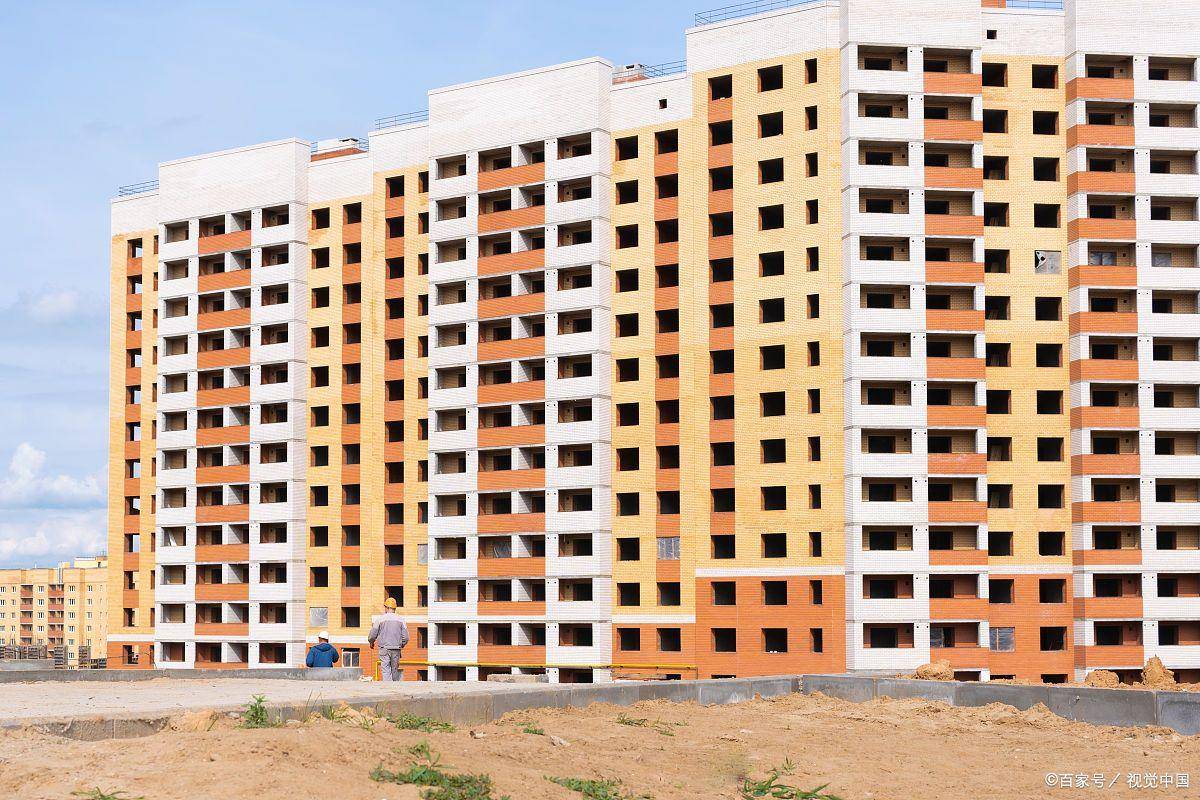
房产过剩

Search documents
住建部已查清全国房子数量,过剩问题有多严重?楼市或迎来新变局
Sou Hu Cai Jing· 2026-02-21 00:10
Core Insights - The housing market in China has seen a significant oversupply, with nearly 600 million buildings recorded, indicating a potential housing crisis as demand decreases and many properties remain unoccupied [2][4][10] - The rapid urbanization and construction boom from 2010 to 2019 led to a surplus of properties, resulting in a cooling market where sales have drastically declined [4][6] - The trend of declining property prices is expected to continue, with many homeowners facing significant losses on their investments, leading to potential panic selling [5][10] Group 1: Market Conditions - The housing market is experiencing a significant oversupply, with approximately 600 million buildings identified, enough to accommodate around 3 billion people [2] - The demand for housing has decreased sharply, with many properties remaining unsold for extended periods, leading to a stagnation in the real estate market [4][6] - The trend of declining property prices is evident, with many homeowners unable to sell their properties at expected prices, resulting in increased anxiety among investors [5][10] Group 2: Future Outlook - The potential for a "fire sale" of properties may emerge as homeowners seek to offload their assets, which could lead to a drastic drop in property values [10] - The current economic environment, combined with demographic shifts and a cooling urbanization rate, suggests that the real estate market may face prolonged challenges [10][12] - The market is shifting from a speculative investment focus to a more rational approach, emphasizing the need for buyers to consider their actual housing needs rather than following past trends [12]


住建部数据揭秘:房子过剩时代,这20%的城市还能买
Sou Hu Cai Jing· 2026-02-20 13:14
Core Insights - The real estate market in China is facing a significant oversupply issue, with a total of 600 million buildings nationwide, including 315 million urban residential units and 65 million vacant homes, indicating a stark reality of "housing surplus" [1][3] - The disparity in housing demand is evident, as urban areas with strong economic fundamentals continue to see high demand, while smaller cities experience a decline in population and property value, leading to a structural imbalance in the market [3][4] Group 1: Market Overview - The total number of buildings in China is 600 million, with urban residential units accounting for 315 million, theoretically capable of housing over 900 million people, while the urban population is only about 700 million [1] - There are 65 million vacant homes, which could accommodate approximately 195 million people, highlighting a significant waste of resources [3] Group 2: Structural Imbalance - In major cities like Beijing, Shanghai, and Shenzhen, properties remain highly sought after due to their access to quality education and job opportunities, while smaller cities are seeing properties turn into "negative assets" as young people migrate away [3][4] - The future of the real estate market is expected to be increasingly polarized, with only 20% of cities and properties likely to retain value, while the rest will revert to their basic function of providing shelter without economic returns [4] Group 3: Implications for Homebuyers - The logic of home buying needs to be re-evaluated, moving away from the expectation of automatic appreciation to a more cautious approach focused on core urban areas [6] - Homeowners with vacant properties, especially those outside core cities, should consider selling to avoid future financial burdens, as property taxes may increase holding costs [7] - The perception of real estate should shift back to its primary purpose of providing shelter rather than being viewed as a speculative investment, which could improve the quality of life for many [7][8]