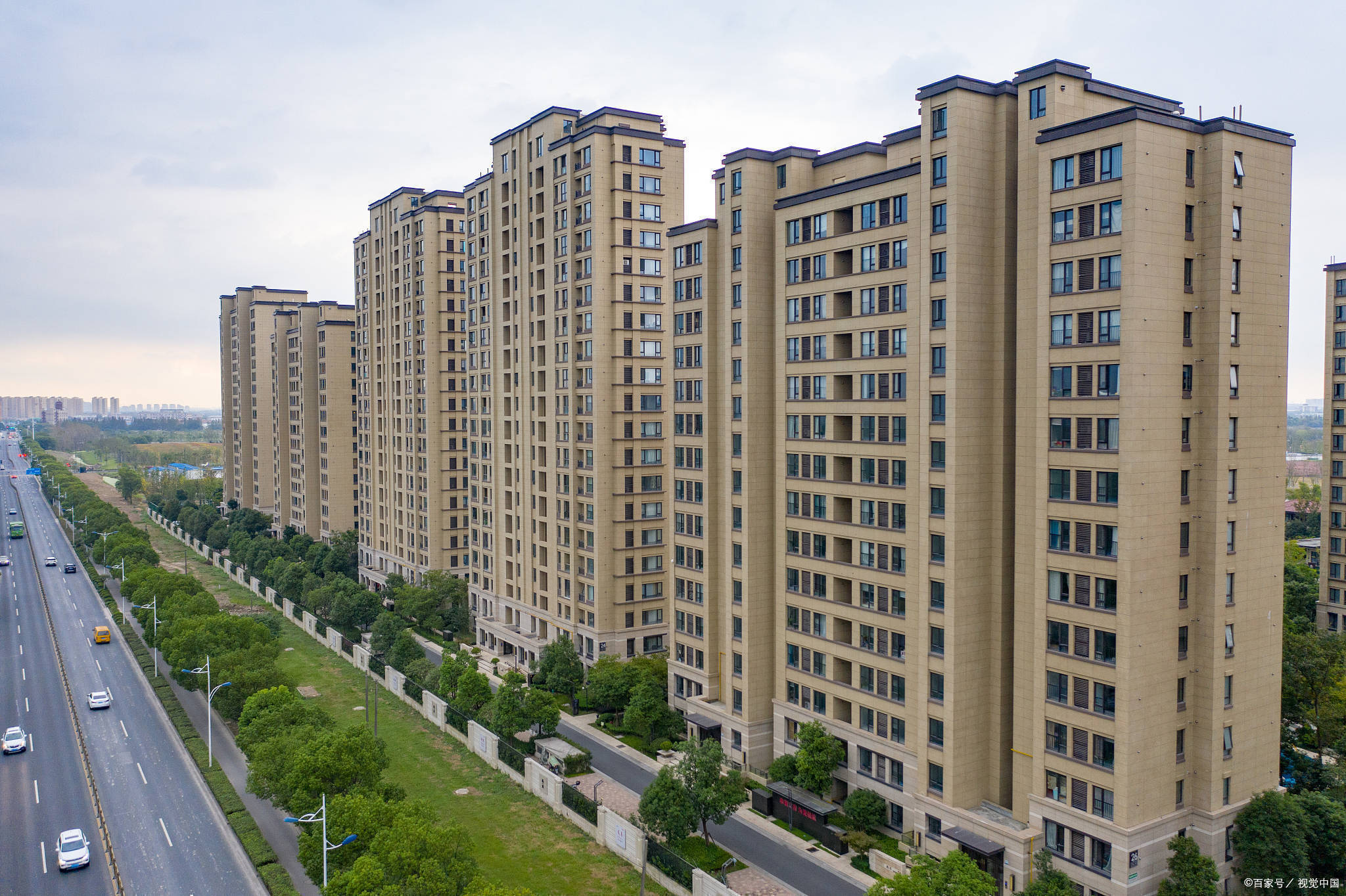
房地产过剩

Search documents
专家说出实话:房子明明已经过剩,开发商为何还在建房?太现实
Sou Hu Cai Jing· 2026-02-09 04:10
Group 1 - The core issue is the contradiction between housing oversupply and ongoing construction by developers, raising questions about the motivations behind this behavior [1][3] - National urban housing vacancy rates are around 20%, with some third and fourth-tier cities exceeding 30%, indicating a significant oversupply situation [5][10] - The inventory turnover period for new homes in some cities exceeds 22 months, with many third and fourth-tier cities taking over 30 months to sell existing stock [8][10] Group 2 - Developers continue to build in areas where demand still exists, as the real estate market is fragmented, with first-tier cities experiencing low vacancy rates and strong demand in certain districts [15][17] - Local governments rely heavily on land sales for revenue, with some cities deriving over 20% of their income from land transfer fees, creating pressure to continue land sales [18][20] - Developers are trapped in a "high leverage + high turnover" model, making it difficult to halt construction without risking tighter financing and cash flow issues [23][29] Group 3 - Despite overall oversupply, there remains structural demand for housing, particularly in urban areas where many individuals still need better housing options [31][34] - Urbanization in China is still below developed countries, indicating potential for continued population influx into major cities, sustaining demand for new housing in certain areas [34][36] - The market is shifting towards a more cautious approach from buyers, who are increasingly prioritizing existing homes and prime locations, while policies are tightening to control new land supply [38][42] Group 4 - The transition from aggressive construction to a more measured approach is underway, emphasizing quality and demand-driven development rather than sheer volume [44]

我国楼房已严重过剩,为什么开发商还要拿地盖楼?5个原因很现实
Sou Hu Cai Jing· 2025-10-18 01:21
Core Viewpoint - The real estate market in China is experiencing severe oversupply, yet developers continue to acquire land and build properties due to various economic and operational factors [1][3][12] Group 1: Reasons for Continued Land Acquisition - Local fiscal revenue is heavily reliant on land sales, with approximately 6.4 trillion yuan expected in land transfer income for 2024, accounting for 15%-30% of local government revenue [3][4] - Developers must continue acquiring land to maintain cash flow and secure loans from banks, as halting construction could lead to bankruptcy due to cash flow issues [7][12] - There remains a demand for housing in major cities, where developers focus on high-end projects, ensuring better sales prospects and higher returns [8][12] Group 2: Economic Impact - The real estate sector and its related industries employ around 56 million people in construction and over 80 million in material production and distribution, making the sector vital for local economies [10] - The real estate industry contributes significantly to local GDP, with its share ranging from 25%-30%, indicating that reduced activity in this sector could have substantial negative economic repercussions [10][12] Group 3: Challenges in Transition - Developers face significant challenges in transitioning to other industries due to their long-standing expertise in real estate, making it difficult to shift focus away from property development [11][12]