房贷版QE

Search documents
特朗普与美联储之争再升级
第一财经· 2026-01-12 05:18
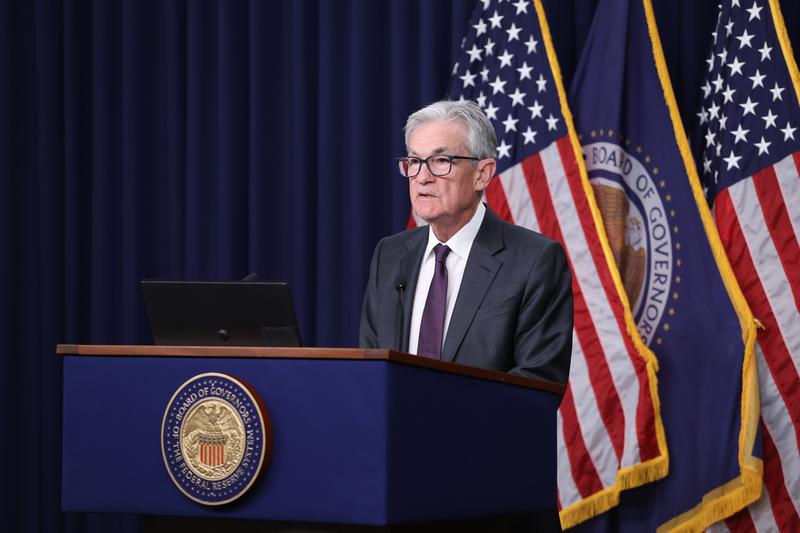
Core Viewpoint - The article discusses the escalating conflict between President Trump and Federal Reserve Chairman Jerome Powell, highlighting a criminal investigation into Powell and concerns over the independence of the Federal Reserve due to Trump's recent actions [3][4][5]. Group 1: Investigation and Political Pressure - The investigation into Powell includes analyzing his public statements and reviewing expenditure records, approved by Trump's ally, prosecutor Jeanine Pirro [5]. - Powell has faced criticism from Trump for refusing to lower interest rates, with Trump indicating he will soon announce Powell's successor [6]. - Powell claims the investigation is a political maneuver aimed at exerting pressure on him regarding interest rate decisions, emphasizing the need for the Federal Reserve to operate independently of political influence [6][7]. Group 2: Administrative Interventions - Trump has taken steps to directly influence interest rates, including instructing Fannie Mae and Freddie Mac to purchase $200 billion in mortgage-backed securities, which is seen as an attempt to lower housing costs ahead of the midterm elections [9]. - Trump's proposal to set a credit card interest rate cap at 10% for one year is viewed as another effort to bypass the Federal Reserve and exert direct control over interest rates [9]. - Goldman Sachs notes that this "quasi-QE" approach, while limited in immediate financial impact, signals a significant shift in policy that could disrupt the valuation framework of the U.S. mortgage-backed securities market [9]. Group 3: Market Reactions and Implications - Bill Ackman, a billionaire hedge fund manager who previously supported Trump, criticized the pressure to lower interest rates, warning it could lead to significant issues for banks and consumers [10]. - The article suggests that Trump's actions may lead to increased inflation, which could negatively impact the Republican Party in future elections, despite Trump not seeking re-election himself [11].

冲突再升级!美联储主席鲍威尔遭调查 特朗普祭出“房贷QE”、设信用卡上限
Di Yi Cai Jing· 2026-01-12 04:53
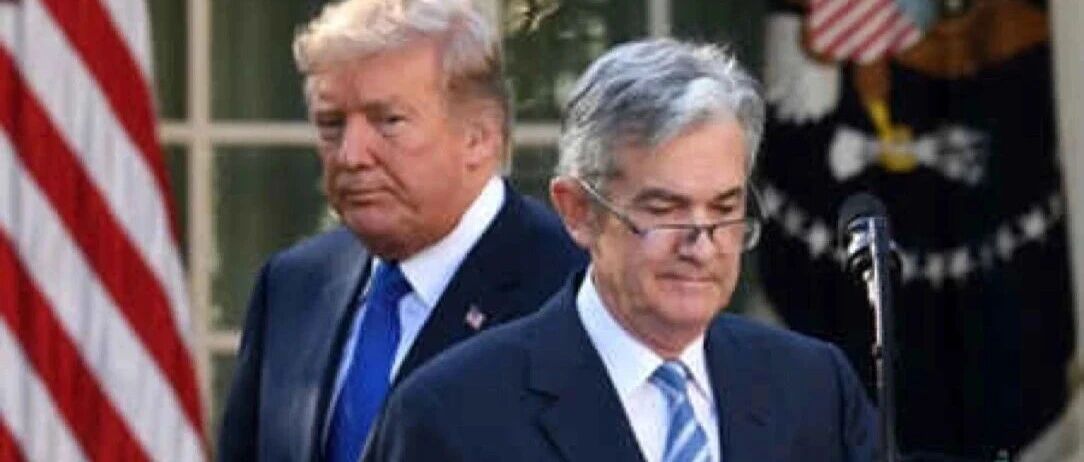
Core Viewpoint - The investigation into Federal Reserve Chairman Jerome Powell by U.S. federal prosecutors marks a renewed escalation in the conflict between President Trump and Powell, raising concerns about the independence of the Federal Reserve [1][2]. Group 1: Investigation and Political Pressure - The investigation includes analyzing Powell's public statements and reviewing expenditure records, approved by Trump's ally, prosecutor Jeanine Pirro [2]. - Powell has repeatedly rejected Trump's requests for interest rate cuts, leading to criticism from Trump, who has indicated he will soon announce a successor to Powell [2]. - Powell stated that the recent threats from the Trump administration are aimed at exerting greater pressure on him regarding interest rate disputes, framing the investigation as a pretext rather than a legitimate inquiry [2][3]. Group 2: Administrative Interventions - Trump has taken actions to directly influence interest rates, including instructing Fannie Mae and Freddie Mac to purchase $200 billion in mortgage-backed securities (MBS), viewed as an attempt to lower housing costs ahead of the midterm elections [4]. - Trump also proposed setting a cap on credit card interest rates at 10% starting January 20, 2026, which is seen as a direct intervention in interest rates [4]. - Goldman Sachs noted that this "quasi-QE" approach, while limited in short-term financial impact, signals a significant policy shift that could disrupt the valuation framework in the MBS market [4]. Group 3: Market Reactions and Implications - The actions taken by Trump have raised concerns among investors about the potential impact on the independence of the Federal Reserve, with some viewing it as a risk to the institution's credibility [5][6]. - Bill Ackman, a billionaire hedge fund manager who previously supported Trump, criticized the pressure to lower interest rates, warning it could lead to significant negative consequences for banks and consumers [5]. - The potential for high inflation resulting from forced interest rate cuts could adversely affect the Republican Party in future elections, despite Trump not seeking re-election [6].
美联储主席鲍威尔遭调查,特朗普祭出“房贷QE”、设信用卡上限
Di Yi Cai Jing· 2026-01-12 04:44
Core Viewpoint - The criminal investigation into Federal Reserve Chairman Jerome Powell by U.S. federal prosecutors marks a significant escalation in the conflict between President Trump and Powell, raising concerns about the independence of the Federal Reserve [1][3]. Group 1: Investigation and Political Pressure - The investigation includes analyzing Powell's public statements and reviewing expenditure records, approved by Trump's ally, prosecutor Jeanine Pirro [3]. - Powell has repeatedly rejected Trump's requests for interest rate cuts, leading to Trump's criticism and threats of criminal prosecution related to Powell's testimony before Congress [3][4]. - Powell asserts that the investigation is a pretext for exerting political pressure on the Federal Reserve regarding interest rate decisions [3][4]. Group 2: Administrative Interventions in Interest Rates - Trump has taken actions to directly influence interest rates, including instructing Fannie Mae and Freddie Mac to purchase $200 billion in mortgage-backed securities, seen as an attempt to lower housing costs ahead of the midterm elections [5]. - Trump's call to set a credit card interest rate cap at 10% starting January 20, 2026, is viewed as further administrative intervention in key interest rates [5]. - Goldman Sachs notes that this "quasi-QE" approach, while limited in short-term financial impact, signals a significant shift in policy that could disrupt the valuation framework of the U.S. mortgage-backed securities market [5]. Group 3: Market Reactions and Economic Implications - Billionaire hedge fund manager Bill Ackman criticized Trump's pressure on interest rates, warning it could lead to significant negative consequences for consumers and financial institutions [6]. - The potential for increased inflation due to forced interest rate cuts could adversely affect the Republican Party in future elections, as public sentiment is sensitive to inflation [7]. - The credibility and independence of the Federal Reserve are increasingly seen as at risk due to these political pressures, prompting investors to consider the implications of such a scenario [6][7].
冲突再升级!美联储主席鲍威尔遭调查,特朗普祭出“房贷QE”、设信用卡上限
Di Yi Cai Jing· 2026-01-12 04:36
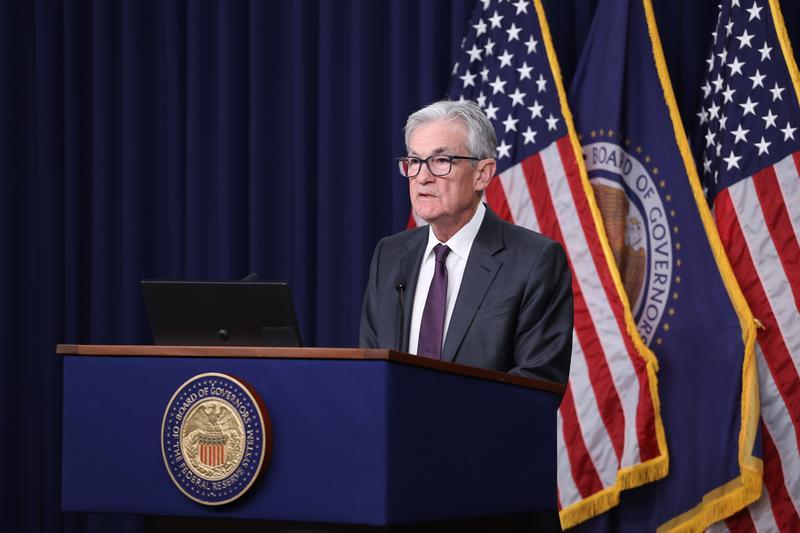
Core Viewpoint - The independence of the Federal Reserve is under renewed scrutiny due to a criminal investigation into Chairman Jerome Powell, which has escalated tensions between President Trump and Powell, raising concerns about political interference in monetary policy [1][3]. Group 1: Investigation and Political Pressure - The investigation into Powell includes analyzing his public statements and reviewing expenditure records, approved by Trump's ally, prosecutor Jeanine Pirro [3]. - Powell has faced criticism from Trump for refusing to lower interest rates, and Trump has indicated he will soon announce Powell's successor [3]. - Powell claims the investigation is a pretext to exert political pressure on him regarding interest rate decisions, emphasizing the need for the Fed to operate free from political influence [4]. Group 2: Administrative Interventions - Trump has taken steps to directly influence interest rates, including instructing Fannie Mae and Freddie Mac to purchase $200 billion in mortgage-backed securities, seen as an attempt to lower housing costs ahead of the midterm elections [5]. - Trump's call to set a credit card interest rate cap at 10% for one year is viewed as further administrative intervention in monetary policy [5]. - Goldman Sachs notes that this "quasi-QE" approach, while limited in immediate financial impact, signals a significant shift in policy direction that could disrupt the valuation framework of the MBS market [5]. Group 3: Market Reactions and Implications - Billionaire hedge fund manager Bill Ackman criticized Trump's efforts to artificially lower interest rates, warning it could lead to significant negative consequences for consumers and financial institutions [6]. - The potential for increased regulation and reform of the Fed under Trump's influence raises concerns about the central bank's independence, which has historically been protected from political pressures [6]. - The credibility and independence of the Fed are perceived to be at risk, with investors increasingly considering the implications of political interference on monetary policy [6][7].