抵押贷款债券(MBS)

Search documents
沃什力挺,影响深远!时隔75年,美联储又要和美国财政部达成协议了?
Hua Er Jie Jian Wen· 2026-02-09 01:20
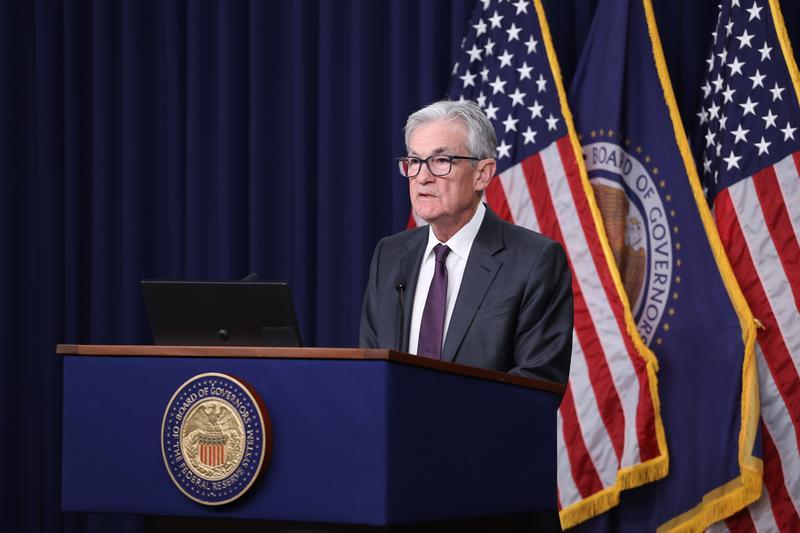
Core Viewpoint - The nomination of Waller as the next Federal Reserve Chair has sparked significant interest on Wall Street regarding his proposal for a new agreement between the Federal Reserve and the U.S. Treasury, aimed at reshaping their relationship, potentially impacting the $30 trillion U.S. Treasury market and fundamentally altering the Fed's balance sheet management [1][2]. Group 1: Proposed Agreement - Waller has called for a new version of the "1951 Agreement" to reform the relationship between the Federal Reserve and the Treasury, which historically limited the Fed's footprint in the bond market and established its autonomy in monetary policy [2]. - The proposed agreement would clearly define the size of the Fed's balance sheet and align it with the Treasury's debt issuance plans, addressing concerns raised during the financial crisis and the COVID-19 pandemic regarding the Fed's extensive asset purchases [2][3]. Group 2: Treasury's Position - Treasury Secretary Yellen shares Waller's skepticism towards prolonged quantitative easing (QE), advocating for its use only in genuine emergencies and with coordination among government departments [3]. - A streamlined new agreement may stipulate that the Fed can only conduct large-scale Treasury purchases with Treasury approval, aiming to halt QE as market conditions allow [3]. Group 3: Asset Composition Shift - There is an expectation that a more substantive agreement could lead to a significant shift in the Fed's asset holdings, moving from medium- and long-term securities to Treasury bills with maturities of 12 months or less [4]. - This shift would enable the Treasury to reduce the issuance of notes and bonds or at least avoid significant increases in issuance [4][5]. Group 4: Market Risks and Concerns - While enhanced coordination may aim to lower borrowing costs for U.S. borrowers, any fundamental changes carry risks, including concerns about the Fed's independence and its potential alignment with fiscal policy [6]. - Analysts warn that a public agreement linking the Fed's balance sheet to Treasury financing could undermine the Fed's inflation-fighting mandate, leading to increased volatility and diminished attractiveness of U.S. assets [6]. Group 5: Skepticism on Formal Agreement - Some experts express skepticism about the likelihood of a formal agreement, suggesting that while cooperation may increase, it could also reduce the chances of a formalized arrangement [7]. - There are proposals for the Fed to exchange its $2 trillion mortgage-backed securities portfolio for Treasury bills, aimed at lowering mortgage rates, but this faces significant obstacles [7].
特朗普提前“清算”鲍威尔
Sou Hu Cai Jing· 2026-01-12 16:07
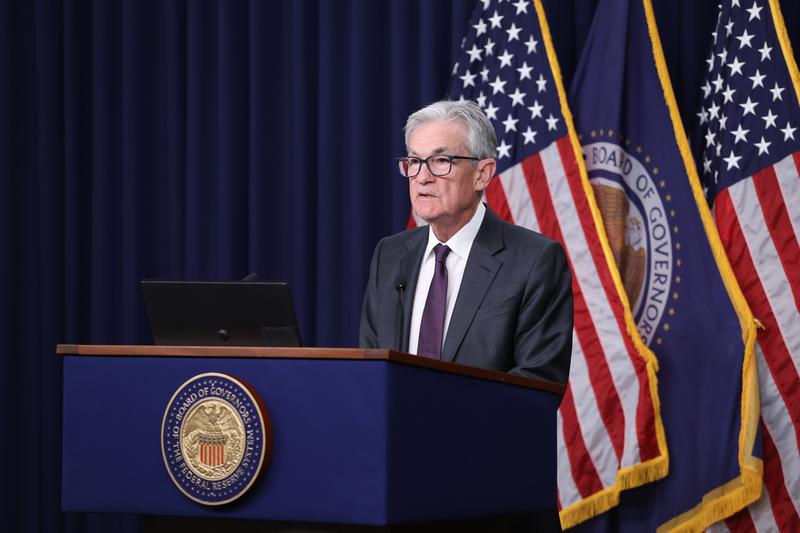
Core Viewpoint - The ongoing conflict between former President Trump and Federal Reserve Chairman Jerome Powell has escalated, raising concerns about the independence of the Federal Reserve and the potential implications for monetary policy and consumer credit markets [1][2][3]. Group 1: Investigation and Political Pressure - Federal prosecutors are investigating Powell, focusing on his public statements and expenditure records, which have been approved by Trump's allies [2]. - Powell has faced criticism from Trump for refusing to lower interest rates, and Trump has indicated he will soon announce a successor to Powell [2][7]. - Powell claims the investigation is a political maneuver aimed at exerting pressure on him regarding interest rate decisions, emphasizing the need for the Federal Reserve to operate free from political influence [2][3]. Group 2: Administrative Interventions in Interest Rates - Trump has taken steps to directly influence interest rates, including instructing government-sponsored enterprises to purchase $200 billion in mortgage-backed securities, viewed as a form of "quantitative easing" [4][5]. - He has also proposed capping credit card interest rates at 10% starting January 20, 2026, which is seen as an attempt to bypass the Federal Reserve [5]. - Analysts suggest that these actions may have limited short-term financial impact but could significantly alter market perceptions and the valuation framework for mortgage-backed securities [5]. Group 3: Economic Implications and Market Reactions - Bill Ackman, a billionaire hedge fund manager, warns that artificially lowering interest rates could lead banks to withdraw credit card services, pushing consumers towards unregulated lending markets with worse terms [1][5]. - The potential for increased inflation due to political pressure on the Federal Reserve raises concerns about long-term economic stability and the impact on future elections for the Republican Party [6]. - Powell's commitment to maintaining the Federal Reserve's independence is crucial for achieving price stability and managing inflation, which is a significant concern for the public [6][3].
冲突再升级!美联储主席鲍威尔遭调查 特朗普祭出“房贷QE”、设信用卡上限
Di Yi Cai Jing· 2026-01-12 04:53
Core Viewpoint - The investigation into Federal Reserve Chairman Jerome Powell by U.S. federal prosecutors marks a renewed escalation in the conflict between President Trump and Powell, raising concerns about the independence of the Federal Reserve [1][2]. Group 1: Investigation and Political Pressure - The investigation includes analyzing Powell's public statements and reviewing expenditure records, approved by Trump's ally, prosecutor Jeanine Pirro [2]. - Powell has repeatedly rejected Trump's requests for interest rate cuts, leading to criticism from Trump, who has indicated he will soon announce a successor to Powell [2]. - Powell stated that the recent threats from the Trump administration are aimed at exerting greater pressure on him regarding interest rate disputes, framing the investigation as a pretext rather than a legitimate inquiry [2][3]. Group 2: Administrative Interventions - Trump has taken actions to directly influence interest rates, including instructing Fannie Mae and Freddie Mac to purchase $200 billion in mortgage-backed securities (MBS), viewed as an attempt to lower housing costs ahead of the midterm elections [4]. - Trump also proposed setting a cap on credit card interest rates at 10% starting January 20, 2026, which is seen as a direct intervention in interest rates [4]. - Goldman Sachs noted that this "quasi-QE" approach, while limited in short-term financial impact, signals a significant policy shift that could disrupt the valuation framework in the MBS market [4]. Group 3: Market Reactions and Implications - The actions taken by Trump have raised concerns among investors about the potential impact on the independence of the Federal Reserve, with some viewing it as a risk to the institution's credibility [5][6]. - Bill Ackman, a billionaire hedge fund manager who previously supported Trump, criticized the pressure to lower interest rates, warning it could lead to significant negative consequences for banks and consumers [5]. - The potential for high inflation resulting from forced interest rate cuts could adversely affect the Republican Party in future elections, despite Trump not seeking re-election [6].
美联储主席鲍威尔遭调查,特朗普祭出“房贷QE”、设信用卡上限
Di Yi Cai Jing· 2026-01-12 04:44
Core Viewpoint - The criminal investigation into Federal Reserve Chairman Jerome Powell by U.S. federal prosecutors marks a significant escalation in the conflict between President Trump and Powell, raising concerns about the independence of the Federal Reserve [1][3]. Group 1: Investigation and Political Pressure - The investigation includes analyzing Powell's public statements and reviewing expenditure records, approved by Trump's ally, prosecutor Jeanine Pirro [3]. - Powell has repeatedly rejected Trump's requests for interest rate cuts, leading to Trump's criticism and threats of criminal prosecution related to Powell's testimony before Congress [3][4]. - Powell asserts that the investigation is a pretext for exerting political pressure on the Federal Reserve regarding interest rate decisions [3][4]. Group 2: Administrative Interventions in Interest Rates - Trump has taken actions to directly influence interest rates, including instructing Fannie Mae and Freddie Mac to purchase $200 billion in mortgage-backed securities, seen as an attempt to lower housing costs ahead of the midterm elections [5]. - Trump's call to set a credit card interest rate cap at 10% starting January 20, 2026, is viewed as further administrative intervention in key interest rates [5]. - Goldman Sachs notes that this "quasi-QE" approach, while limited in short-term financial impact, signals a significant shift in policy that could disrupt the valuation framework of the U.S. mortgage-backed securities market [5]. Group 3: Market Reactions and Economic Implications - Billionaire hedge fund manager Bill Ackman criticized Trump's pressure on interest rates, warning it could lead to significant negative consequences for consumers and financial institutions [6]. - The potential for increased inflation due to forced interest rate cuts could adversely affect the Republican Party in future elections, as public sentiment is sensitive to inflation [7]. - The credibility and independence of the Federal Reserve are increasingly seen as at risk due to these political pressures, prompting investors to consider the implications of such a scenario [6][7].

冲突再升级!美联储主席鲍威尔遭调查,特朗普祭出“房贷QE”、设信用卡上限
Di Yi Cai Jing· 2026-01-12 04:36
Core Viewpoint - The independence of the Federal Reserve is under renewed scrutiny due to a criminal investigation into Chairman Jerome Powell, which has escalated tensions between President Trump and Powell, raising concerns about political interference in monetary policy [1][3]. Group 1: Investigation and Political Pressure - The investigation into Powell includes analyzing his public statements and reviewing expenditure records, approved by Trump's ally, prosecutor Jeanine Pirro [3]. - Powell has faced criticism from Trump for refusing to lower interest rates, and Trump has indicated he will soon announce Powell's successor [3]. - Powell claims the investigation is a pretext to exert political pressure on him regarding interest rate decisions, emphasizing the need for the Fed to operate free from political influence [4]. Group 2: Administrative Interventions - Trump has taken steps to directly influence interest rates, including instructing Fannie Mae and Freddie Mac to purchase $200 billion in mortgage-backed securities, seen as an attempt to lower housing costs ahead of the midterm elections [5]. - Trump's call to set a credit card interest rate cap at 10% for one year is viewed as further administrative intervention in monetary policy [5]. - Goldman Sachs notes that this "quasi-QE" approach, while limited in immediate financial impact, signals a significant shift in policy direction that could disrupt the valuation framework of the MBS market [5]. Group 3: Market Reactions and Implications - Billionaire hedge fund manager Bill Ackman criticized Trump's efforts to artificially lower interest rates, warning it could lead to significant negative consequences for consumers and financial institutions [6]. - The potential for increased regulation and reform of the Fed under Trump's influence raises concerns about the central bank's independence, which has historically been protected from political pressures [6]. - The credibility and independence of the Fed are perceived to be at risk, with investors increasingly considering the implications of political interference on monetary policy [6][7].
发力中期选举,特朗普四招夺华尔街利润
Sou Hu Cai Jing· 2026-01-12 02:33
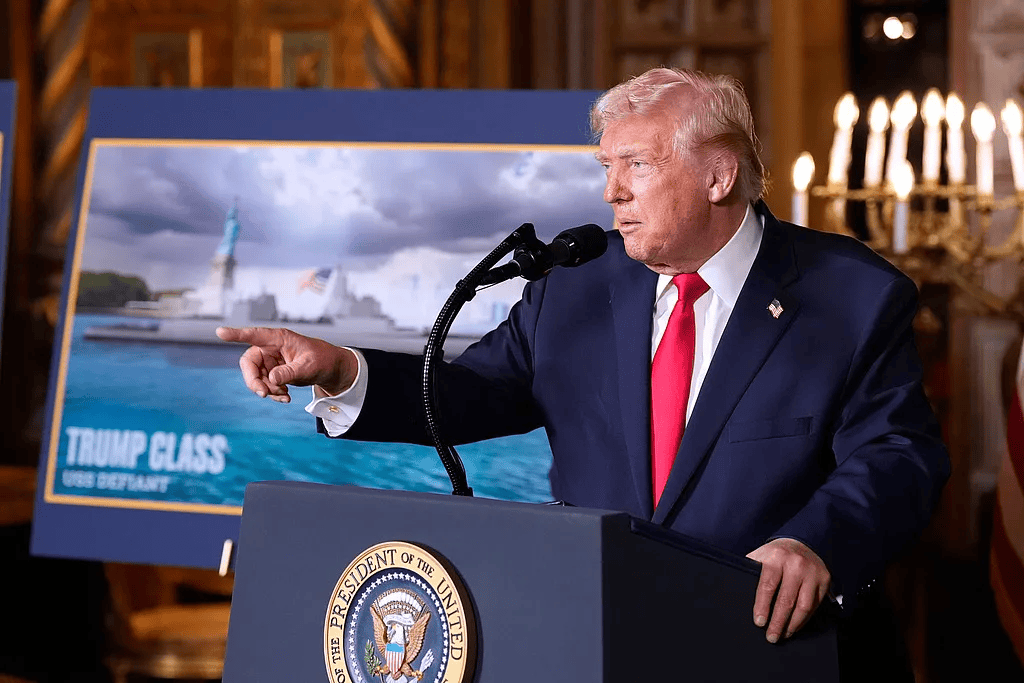
Group 1 - The article discusses President Trump's unconventional policies aimed at addressing the housing crisis and inflation in the U.S. as he prepares for the midterm elections [2][3][4] - Trump has intervened directly in interest rates, bypassing the Federal Reserve, which raises concerns about the potential politicization of market pricing and financial stability risks [2][3] - The administration's actions include prohibiting institutional investors from purchasing single-family homes, which may impact housing markets across the U.S. [8][10] Group 2 - Trump's proposal to cap credit card interest rates at 10% could significantly reduce profits for credit card companies, potentially leading to tighter credit availability for consumers [3][6][7] - The administration's strategy to lower mortgage rates involves directing Fannie Mae and Freddie Mac to purchase $200 billion in mortgage-backed securities, aiming to make housing more affordable [11][12] - Concerns have been raised that capping interest rates may lead to unintended consequences, such as reduced access to credit for consumers and a shift towards higher-cost alternative financing options [7][8]
美股前瞻 | 三大股指期货齐涨,非农+关税裁决“双核爆点”
智通财经网· 2026-01-09 13:04
Market Overview - US stock index futures are all up, with Dow futures rising by 0.04%, S&P 500 futures by 0.11%, and Nasdaq futures by 0.20% [1] - European indices also show positive movement, with Germany's DAX up 0.41%, UK's FTSE 100 up 0.52%, France's CAC 40 up 0.86%, and the Euro Stoxx 50 up 1.06% [2][3] - WTI crude oil has increased by 0.73%, priced at $58.18 per barrel, while Brent crude oil is also up by 0.73%, priced at $62.44 per barrel [3][4] Economic Events - The US is anticipating a significant day with the release of the December non-farm payroll report and a Supreme Court ruling on Trump's tariff policy, which could impact market volatility [5] - Goldman Sachs indicates that the upcoming non-farm data is unlikely to change the market's expectations for the Federal Reserve's policy unless there is a significant surprise, with a consensus estimate of 70,000 jobs added [5] Company News - Meta has signed three major nuclear energy agreements totaling 6.6 gigawatts to secure long-term zero-carbon power for its AI data centers, leading to significant pre-market stock increases for partners Oklo and Vistra [9] - Trump has directed Fannie Mae and Freddie Mac to purchase $200 billion in mortgage-backed securities to lower housing costs ahead of the midterm elections, positively impacting related stocks [7] - Intel's stock has surged over 70% since the US government began purchasing shares, following a meeting between Trump and Intel's CEO to discuss new processor developments [10] - General Motors is taking a $6 billion charge to reduce its electric vehicle investments, following a similar move by Ford, indicating a contraction in the electric vehicle market [12] - TSMC reported a 20% increase in Q4 revenue, reaching approximately $33.1 billion, exceeding market expectations and suggesting resilience in AI spending for 2026 [13]