
扁平化管理模式

Search documents
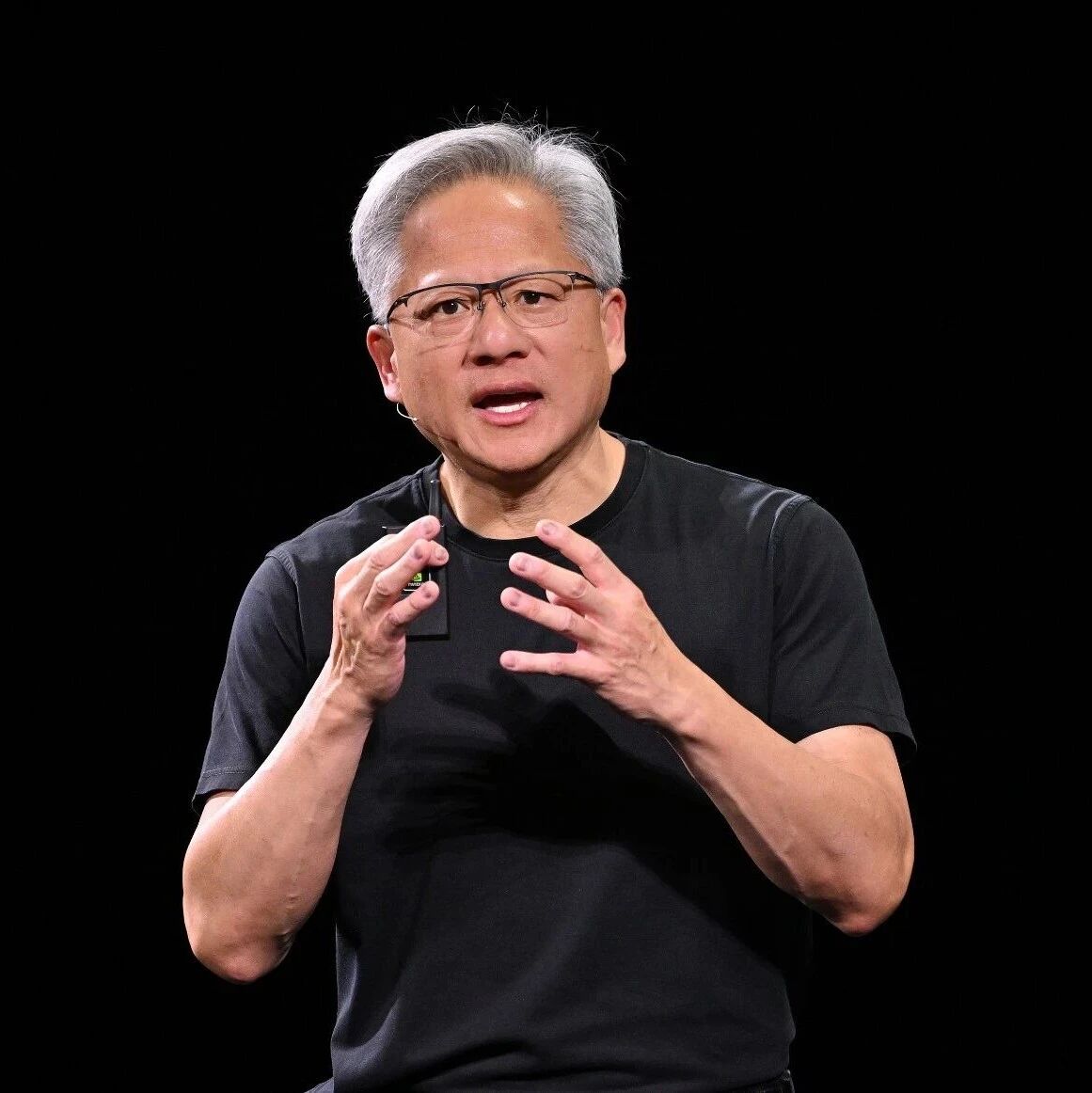
英伟达36人,向黄仁勋汇报
投资界· 2025-11-03 08:05
Core Insights - The article discusses the organizational structure and strategic personnel changes at NVIDIA under CEO Jensen Huang, highlighting the importance of hardware and AI in the company's future growth [2][5][9]. Group 1: Organizational Structure - Jensen Huang has 36 direct reports, which is a significant number for a CEO of a $4 trillion company, indicating a flat management structure [22]. - Huang's preference for a flat organizational structure allows for faster decision-making and information flow, which is crucial in the fast-paced tech industry [24][26]. - Despite the flat structure, the number of direct reports has decreased significantly, suggesting a potential shift towards a more vertical management approach as the company scales [25][27]. Group 2: Key Personnel - Huang's direct reports include nine individuals focused on hardware, emphasizing that hardware remains the foundation of NVIDIA's business [9][10]. - The article highlights three long-term executives: Jonah Alben, Dwight Diercks, and Bill Dally, who have been instrumental in NVIDIA's success over the years [12][14][16]. - New addition Wu Xinzhou, responsible for automotive business strategy, has significantly contributed to the growth of NVIDIA's automotive revenue, which nearly doubled from $281 million to $567 million in fiscal years 2024 to 2025 [20][19]. Group 3: Strategic Focus - NVIDIA is expanding its reach into new markets, particularly in AI and autonomous driving, which Huang views as the "second pillar" of the company's business [9][10]. - The company is focusing on building a systematic external communication mechanism to manage relationships with various stakeholders, including Wall Street, developers, and government entities [10][11]. - Huang's management style emphasizes high-pressure culture and a relentless focus on performance, which has shaped NVIDIA's work environment [28][30].


大庆石化:生产难题“云端会诊”技术决策直达一线
Zhong Guo Fa Zhan Wang· 2025-10-28 08:08
Core Viewpoint - The implementation of a "flat management" model at Daqing Petrochemical has led to improved operational efficiency and problem-solving capabilities in the electrolysis chlorine production unit [1][2] Group 1: Management and Operational Changes - Daqing Petrochemical has adopted a "flat management" model, shifting the focus from control to empowerment, which facilitates quicker technical decision-making directly at the production level [1] - The establishment of a technical communication group allows for rapid professional consultations, enhancing the response to production challenges [1] Group 2: Technical Problem-Solving - A sudden shutdown of the electrolysis chlorine unit prompted immediate action from the production technology team, highlighting the importance of quick response to maintain the production of sodium hypochlorite, a key disinfectant [1][2] - The technician, Wang Gang, effectively diagnosed the issue by consulting with frontline employees and analyzing operational data, leading to the identification of a blockage in the proportioning pump as the cause of the malfunction [2] Group 3: Knowledge Sharing and Training - After resolving the technical issue, Wang Gang shared his troubleshooting experiences and developed a practical maintenance guide for frontline employees, promoting knowledge transfer within the team [2] - The public engineering department has actively engaged in skill training and problem-solving initiatives, conducting over 20 training sessions and addressing five major challenges this year, which enhances the overall operational efficiency [2]
