抗跌硬通货

Search documents
05后重塑二手消费市场:从“省钱”到“悦己”的兴趣经济崛起
Zhong Guo Jing Ji Wang· 2026-01-21 07:01
Group 1 - The core viewpoint of the articles highlights the transformation of second-hand consumption from a "tool for saving money" to a "projection of lifestyle," driven by the post-2005 generation's emergence as a significant force in the market [1][2] - The report indicates that the user growth rate for the post-2005 demographic on the platform exceeds 30% in 2025, with their transaction behavior showing a clear "interest-oriented" trend, particularly in categories like trendy toys and celebrity merchandise [1] - The average transaction value per user in the post-2005 group has increased by 20% compared to 2024, with orders for celebrity merchandise growing by 800% in 2025, indicating a shift towards "treasure hunting" for unique items rather than merely saving money [1] Group 2 - The circular economy is evolving from traditional essential consumption to a comprehensive lifestyle approach, with cross-category transaction users on the platform growing over 116% year-on-year in 2025 [2] - The report notes that users engaging in both buying and selling behaviors on the platform have increased by over 30%, reflecting a more mature and interesting consumption philosophy of "saving where possible, spending where necessary" [2] - Different age groups exhibit distinct preferences, with the 18-24 age group more inclined to buy second-hand items for enjoyment, while the 25-34 age group tends to sell unused items [2] Group 3 - The boundaries of second-hand consumption are rapidly expanding, with significant user growth in third-tier and lower cities, such as Jin Cheng and Yili, indicating strong purchasing demand in these regions [3] - The perception of second-hand goods as merely "depreciated" is challenged by data showing that certain second-hand items can retain or even increase in value, with high-end products like HERMES bags achieving a preservation rate of 271% [3] - Emerging consumer trends, such as cycling and sports, have led to a surge in the trading volume of specific categories like domestic road bikes and popular collectible figures, showcasing their strong market value [3]
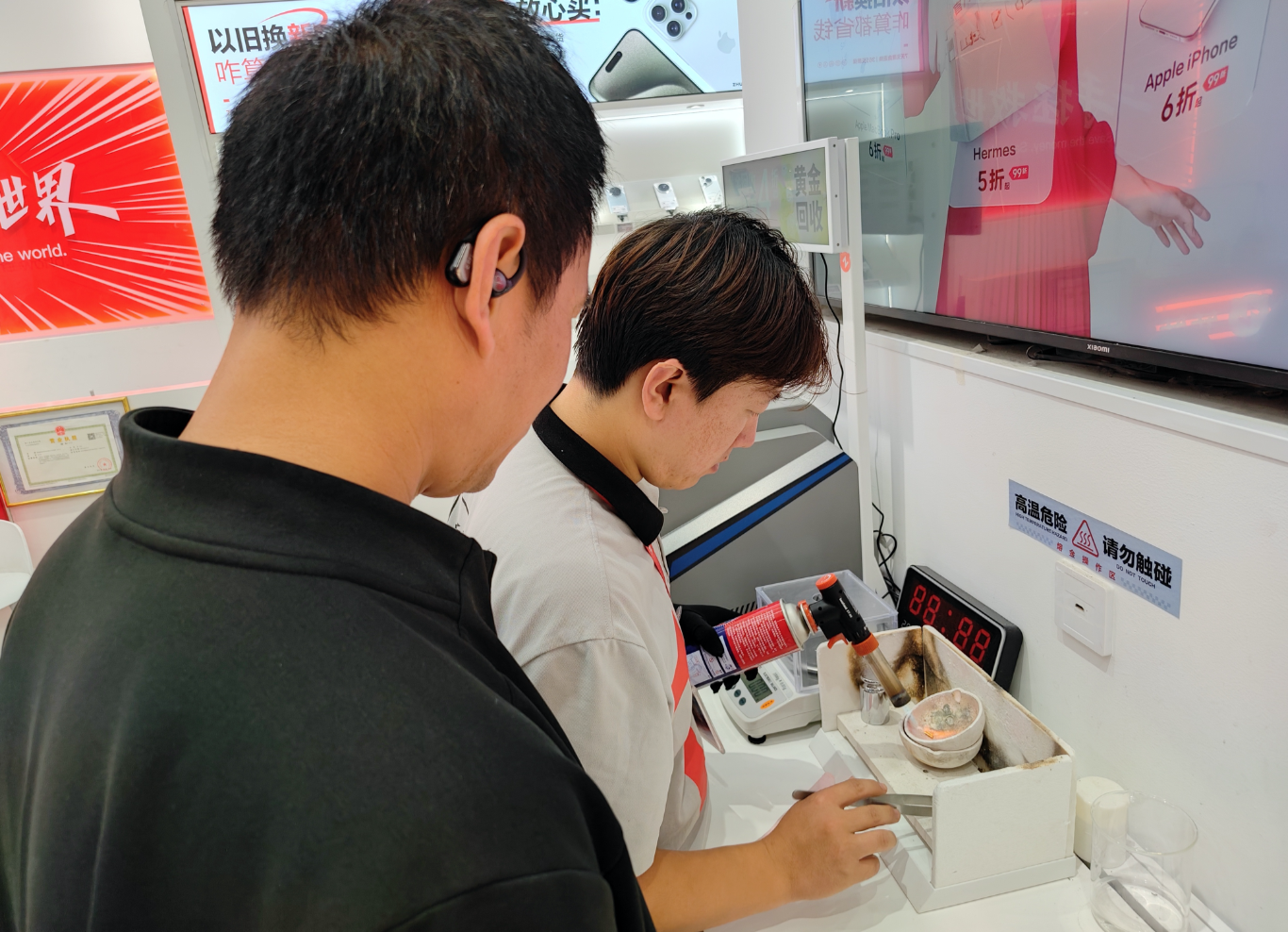
黄金、内存条成年度“抗跌硬通货”,二手平台交易创新高
Di Yi Cai Jing· 2026-01-19 10:44
Core Insights - The second-hand market is becoming a key indicator of consumer trends, with gold, memory modules, and certain luxury goods expected to remain in the top five assets for value retention in 2025 [1] Group 1: Gold Recovery Business - The gold recovery business of the platform has seen a significant increase, with a 120% rise in consultation volume and a 150% increase in transaction orders since October of last year [1][3] - A notable transaction occurred on October 13, where a customer sold approximately 5 kilograms of gold bars for a total of 4.51 million yuan, indicating a strong interest from investors looking to capitalize on rising gold prices [3] - Customers selling gold are primarily motivated by three factors: reaching a psychological price point, liquidating idle jewelry due to rising prices, and immediate cash needs [3] Group 2: Future Market Trends - The gold recovery market is expected to remain robust in the short term, with predictions of continued growth over the next six months to a year [4] - The platform anticipates a 200% year-on-year increase in the overall trading price of memory modules by 2025, with DDR4 and DDR5 memory modules seeing price increases close to 300% [4] Group 3: Young Consumer Demographics - The second-hand market is experiencing rapid growth among younger consumers, particularly those born after 2005, with a growth rate exceeding 30% [5] - This demographic shows a strong preference for "interest-driven" purchases, favoring items like trendy toys, celebrity merchandise, and musical instruments, with over 50% of transactions in these categories coming from users born after 2005 [5]