潮流玩具

Search documents
高水平开放平台助全球好物汇聚
Bei Jing Qing Nian Bao· 2026-02-04 19:01
Core Insights - The "Shared Big Market · Export to China" event and the Beijing International Boutique Fair have been launched, marking Beijing's commitment to building a new development pattern and providing a platform for global quality goods to enter the Chinese market [1] Group 1: Event Overview - The event is co-hosted by the Ministry of Commerce and the Beijing Municipal Government, aimed at facilitating the entry of foreign products and services into China [1] - The initiative is designed to create a national-level promotion platform and integrate support systems to connect overseas brands with China's vast market [1] Group 2: Consumer Engagement - The event coincides with the upcoming Spring Festival, which has increased consumer willingness to spend, showcasing products from countries like Thailand, Mexico, Brazil, Mali, Georgia, Iran, and Malaysia [1] - The exhibition features a variety of products, including authentic Thai food, South American specialties, and handmade goods from various countries, alongside selections from Chinese companies [1] Group 3: Immersive Experience - The open exhibition area is described as a "Global Taste Journey," offering a wide range of products including Mediterranean ham, rich cheeses, tropical coffees, and beauty products, with tasting opportunities for consumers [2] - Additional offerings include imported baby formula, handmade carpets, jewelry, and trending digital products, catering to diverse consumer needs and preferences [2] Group 4: Citywide Activities - Following the launch of the Beijing International Boutique Fair, various citywide activities will take place, creating a vibrant consumption landscape for the Spring Festival [2] - Specific events include an "Imported Quality Experience Week" in Shunyi District and an "Eurasian Boutique Promotion Week" in Chaoyang District, aimed at enhancing the festive shopping experience [2]
2026年苏超“吸金”能力飞涨
Xin Lang Cai Jing· 2026-01-29 16:38
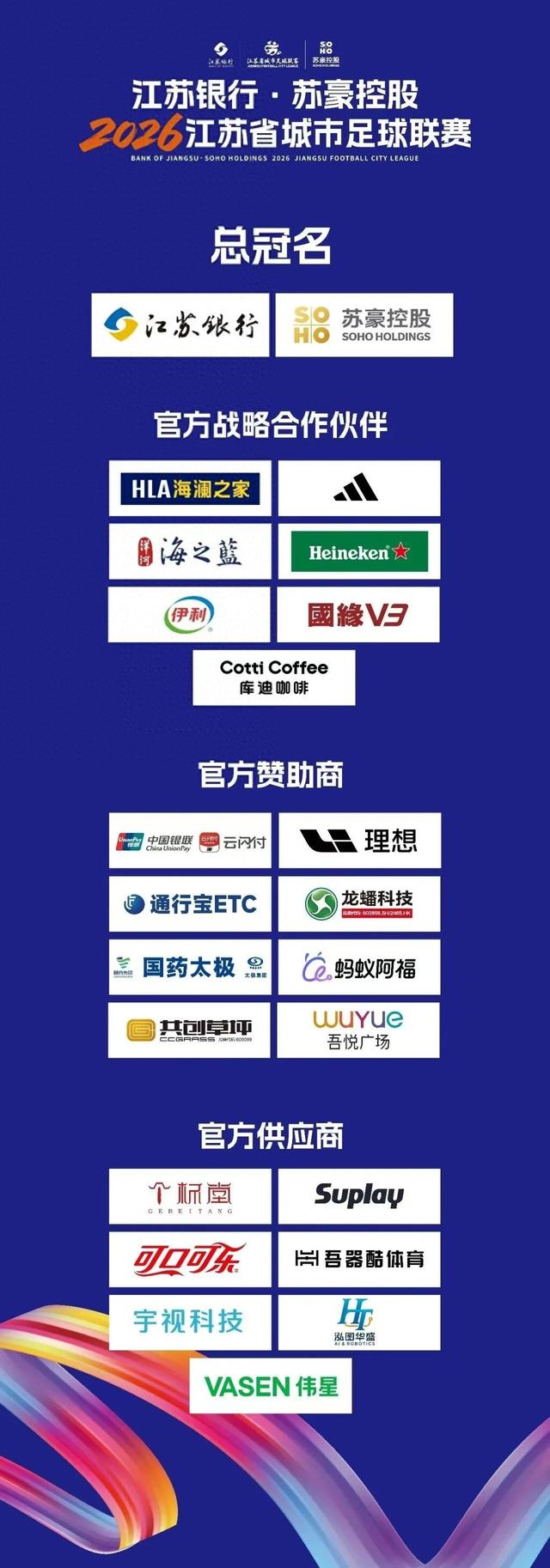
Core Insights - The 2026 Jiangsu Super League (Jiangsu Super League) sponsorship list was announced, featuring 24 official sponsors, a decrease from nearly 40 last year, indicating a shift in sponsorship dynamics [1][5] - The sponsorship matrix remains diverse, covering various sectors including finance, food and beverage, automotive, apparel, technology, and healthcare, similar to last year's coverage [4][5] - The league's commercial value has significantly increased, with sponsorship fees rising dramatically, reflecting the growing popularity and engagement of the league [10][11] Sponsorship Overview - The main sponsors for this year include Jiangsu Bank and Suhao Holdings, with strategic partners like Hailan Home, Adidas, and Heineken [1] - Notably, ten sponsors, including Jiangsu Bank and Ideal Auto, are returning for a second consecutive year, highlighting the strong local business involvement [5] - The sponsorship model allows for flexibility and local autonomy, enabling different regions to attract sponsors based on their unique market conditions [7][12] Commercial Growth - The league's popularity is evidenced by impressive attendance figures, with over 2.43 million spectators and an average attendance of 28,000 per match, setting a record for provincial leagues [7] - Online engagement is also significant, with over 2.2 billion views for live broadcasts and social media discussions exceeding 100 billion [7] - Adidas is confirmed to provide a sponsorship package worth over 10 million yuan, including cash and equipment for participating teams, emphasizing the brand's commitment to local sports [11] Innovative Sponsorship Strategies - The league has introduced a new approach to sponsorship rights, enhancing visibility through LED advertising and simplifying the competitive exclusion list from 26 to 9 categories [12] - A new initiative aims to include small and micro enterprises as official sponsors, allowing them to gain exposure alongside larger brands, thus democratizing sponsorship opportunities [14] - The league's focus on community engagement and cultural integration, such as incorporating local cultural elements into merchandise, is seen as a way to enhance brand connection with consumers [10][8]

叫好更叫座!重庆百货超市门店调改上台阶 业绩长虹树立转型新标杆
Quan Jing Wang· 2026-01-26 07:33
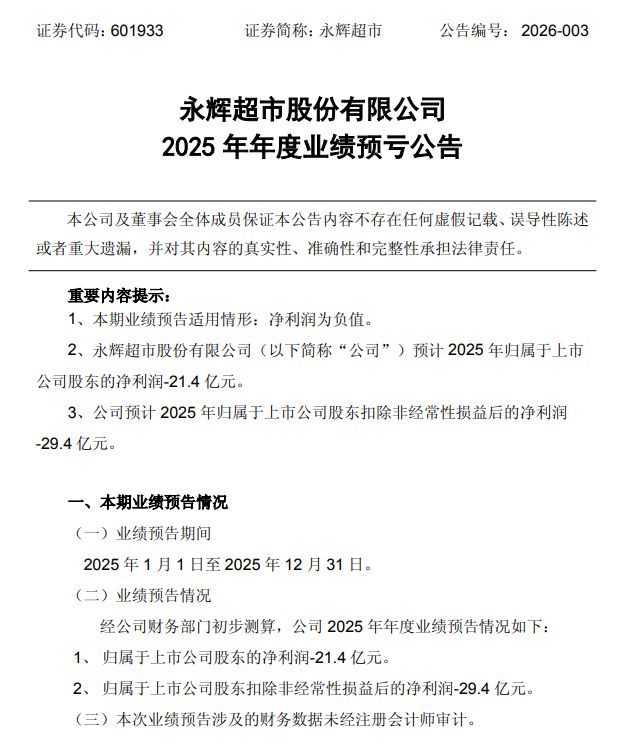
Core Viewpoint - The transformation of the retail industry is not merely about imitating peers but involves a systematic upgrade of concepts, scenarios, supply chains, services, and organization, reshaping consumer demands and behaviors as well as the brand ecosystem [1][3]. Group 1: Retail Transformation - The retail industry is undergoing rapid transformation, with significant changes in store formats and operations, but achieving success is challenging [1]. - Yonghui Supermarket is expected to continue reporting losses in 2025, with cumulative losses exceeding 5 billion yuan for 2024 and 2025, highlighting the difficulties faced in the industry [1]. Group 2: Store Performance - On January 23, the newly renovated Chongqing New Century Supermarket at Daping Times Square saw a 6-fold increase in customer traffic and a 7-fold increase in daily sales compared to before the renovation [3][8]. - The renovated store features an expanded area of 8,000 square meters, eliminating forced traffic flow designs to allow for a more autonomous shopping experience [8]. Group 3: Product and Supply Chain Strategy - The store renovation emphasizes "quality first and precise matching," reducing redundant products by 17% and achieving a high replacement rate of 70%, with non-food items seeing an 85% replacement rate [8]. - The product categories have expanded to 92 major categories and 1,305 subcategories, introducing popular items favored by younger consumers, with a new brand introduction rate of 48% and over 2,500 direct-sourced products [8]. Group 4: Culinary Experience - The new store integrates quality living with local flavors by introducing traditional Sichuan cuisine, enhancing the shopping experience with freshly prepared food options [9]. Group 5: Supply Chain and Financial Performance - The store will implement a "direct sourcing + strategic alliance" model, with nearly half of suppliers being direct sources, enhancing supply chain stability and product quality [10]. - Chongqing Department Store's overall gross margin reached 27.83% in the first three quarters of 2025, showing a year-on-year improvement and achieving a net profit of 999.1 million yuan, a 7.38% increase [12]. - The company has initiated a mid-term dividend policy, distributing 0.1589 yuan per share in 2025, with cumulative cash dividends over the past three years exceeding 125% of average annual profits, indicating a strong financial position [12].

05后重塑二手消费市场:从“省钱”到“悦己”的兴趣经济崛起
Zhong Guo Jing Ji Wang· 2026-01-21 07:01
Group 1 - The core viewpoint of the articles highlights the transformation of second-hand consumption from a "tool for saving money" to a "projection of lifestyle," driven by the post-2005 generation's emergence as a significant force in the market [1][2] - The report indicates that the user growth rate for the post-2005 demographic on the platform exceeds 30% in 2025, with their transaction behavior showing a clear "interest-oriented" trend, particularly in categories like trendy toys and celebrity merchandise [1] - The average transaction value per user in the post-2005 group has increased by 20% compared to 2024, with orders for celebrity merchandise growing by 800% in 2025, indicating a shift towards "treasure hunting" for unique items rather than merely saving money [1] Group 2 - The circular economy is evolving from traditional essential consumption to a comprehensive lifestyle approach, with cross-category transaction users on the platform growing over 116% year-on-year in 2025 [2] - The report notes that users engaging in both buying and selling behaviors on the platform have increased by over 30%, reflecting a more mature and interesting consumption philosophy of "saving where possible, spending where necessary" [2] - Different age groups exhibit distinct preferences, with the 18-24 age group more inclined to buy second-hand items for enjoyment, while the 25-34 age group tends to sell unused items [2] Group 3 - The boundaries of second-hand consumption are rapidly expanding, with significant user growth in third-tier and lower cities, such as Jin Cheng and Yili, indicating strong purchasing demand in these regions [3] - The perception of second-hand goods as merely "depreciated" is challenged by data showing that certain second-hand items can retain or even increase in value, with high-end products like HERMES bags achieving a preservation rate of 271% [3] - Emerging consumer trends, such as cycling and sports, have led to a surge in the trading volume of specific categories like domestic road bikes and popular collectible figures, showcasing their strong market value [3]
黄金、内存条成年度“抗跌硬通货”,二手平台交易创新高
Di Yi Cai Jing· 2026-01-19 10:44
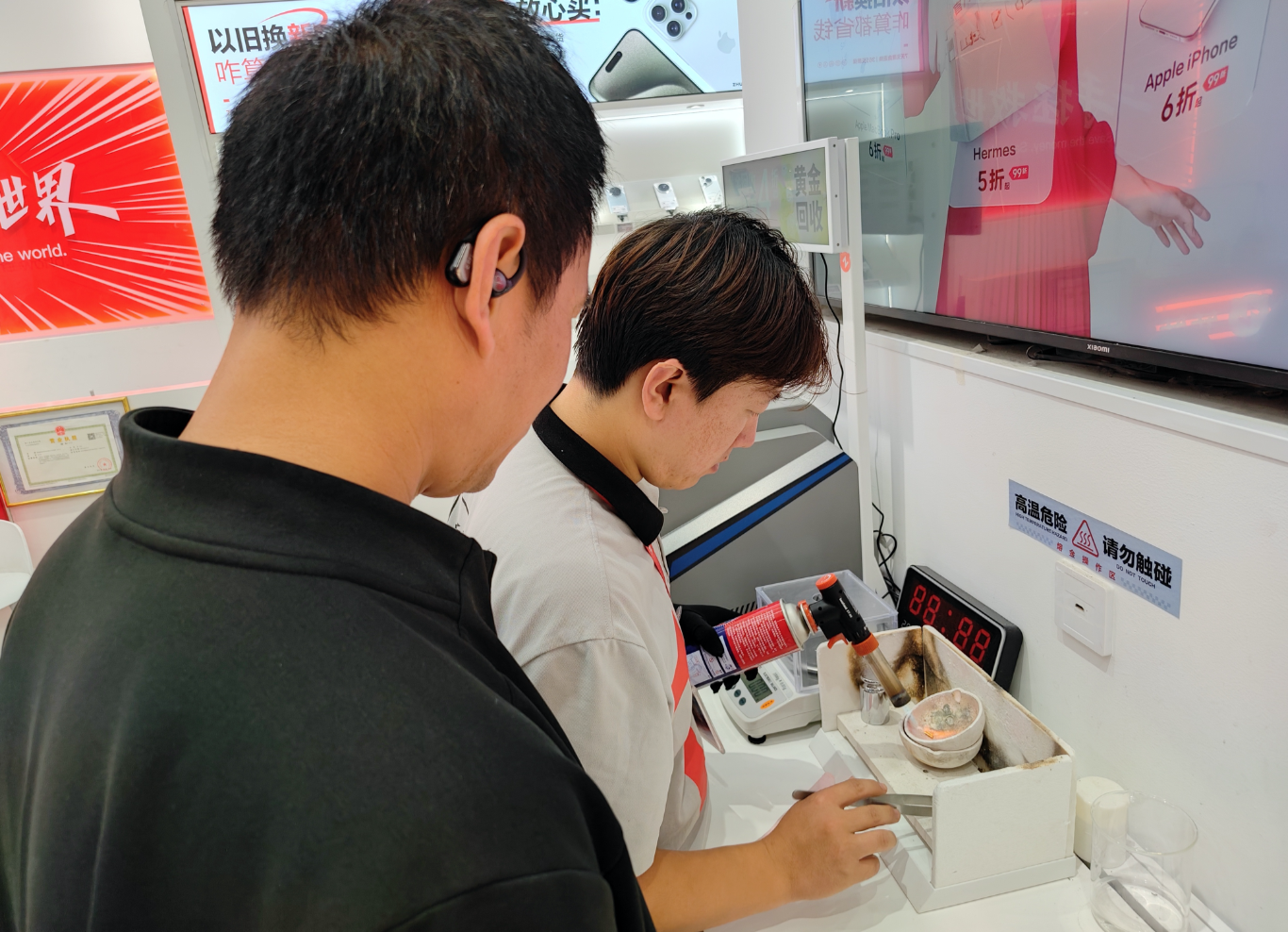
Core Insights - The second-hand market is becoming a key indicator of consumer trends, with gold, memory modules, and certain luxury goods expected to remain in the top five assets for value retention in 2025 [1] Group 1: Gold Recovery Business - The gold recovery business of the platform has seen a significant increase, with a 120% rise in consultation volume and a 150% increase in transaction orders since October of last year [1][3] - A notable transaction occurred on October 13, where a customer sold approximately 5 kilograms of gold bars for a total of 4.51 million yuan, indicating a strong interest from investors looking to capitalize on rising gold prices [3] - Customers selling gold are primarily motivated by three factors: reaching a psychological price point, liquidating idle jewelry due to rising prices, and immediate cash needs [3] Group 2: Future Market Trends - The gold recovery market is expected to remain robust in the short term, with predictions of continued growth over the next six months to a year [4] - The platform anticipates a 200% year-on-year increase in the overall trading price of memory modules by 2025, with DDR4 and DDR5 memory modules seeing price increases close to 300% [4] Group 3: Young Consumer Demographics - The second-hand market is experiencing rapid growth among younger consumers, particularly those born after 2005, with a growth rate exceeding 30% [5] - This demographic shows a strong preference for "interest-driven" purchases, favoring items like trendy toys, celebrity merchandise, and musical instruments, with over 50% of transactions in these categories coming from users born after 2005 [5]
潮尚消费 小切口大趋势
Bei Jing Shang Bao· 2026-01-15 12:07
Group 1 - The core idea of the report emphasizes that consumption is fluid and ever-changing, with a focus on exploring trends and finding opportunities in the context of uncertainty, particularly in the fashion and trend sectors of Beijing's commercial landscape by 2025 [1] - "Good consumption" is identified as the ultimate theme for urban commercial renewal, while "trend" is seen as a new tool for creating good consumption [2] - Trend is described as an innovation driver, with a surge in brand launches and technological products, reflecting consumer innovation and the emergence of various consumption categories [2] Group 2 - Trend is also characterized as an emotional expression, where emotional value drives consumer behavior and fosters a culture of community and local identity, particularly among Generation Z [2] - The report highlights the integration of various scenes in consumption, such as the "ticket economy" linked to concerts and events, which breaks down physical and psychological barriers in commerce [2] - The concept of "old brand renewal" is introduced, focusing on the strong demand for revitalization in traditional brands and cultural heritage, catering to a large elderly consumer group [3] Group 3 - The report suggests that the transformation in commercial consumption reflects subtle new propositions and significant trends within small niches [4]
泡泡玛特(9992.HK):横向引领 纵向成长
Ge Long Hui· 2026-01-13 22:14
Core Viewpoint - Bubble Mart, established in 2010, is a leading cultural and entertainment company in China, focusing on five key areas: global artist discovery, IP incubation and operation, consumer engagement, promotion of trendy toy culture, and investment integration in related industries [1] Horizontal Performance - The Chinese IP derivative and toy market shows strong growth potential, with the market size projected to increase from 99.4 billion yuan in 2020 to 174.2 billion yuan by 2024, reflecting a compound annual growth rate (CAGR) of 15.1%. By 2029, the market is expected to reach 335.7 billion yuan, with a CAGR of 14.0% from 2024 to 2029 [1] - The Chinese trendy toy market is relatively fragmented, maintaining a healthy IP matrix. Compared to Europe and the U.S., China's per capita spending on IP toys is low, and the consumer base is expanding to include adults as significant buyers [1] Vertical Performance - The company employs a diversified channel strategy for sales, including offline, online, wholesale, and other channels. Key offline sales channels include retail stores and robot stores [2] - The company's box machines are innovating in scene-based and entertainment aspects, effectively linking online and offline traffic through holiday marketing strategies, which has expanded the access scale of WeChat mini-programs [2] - The company demonstrates strong revenue-generating capabilities and growth potential, with steady increases in net assets, improved scale effects, and declining main fee rates. Profitability is also on the rise, with steady improvements in gross and net profit margins [2] Investment Recommendations - IP operation and creative design are critical for the company's sustainable development. As a leading global trendy toy IP platform, the company has successfully created multiple popular cultural IP images through a mature IP operation system [3] - The company is expected to increase its overall revenue from 33.83 billion yuan in 2025 to 61.83 billion yuan in 2027, with growth rates of 159.5%, 41.7%, and 29.0% respectively. Net profit attributable to the parent company is projected to grow from 7.95 billion yuan to 13.82 billion yuan during the same period, with year-on-year growth rates of 154.2%, 36.0%, and 27.9% respectively [3] - The company is optimistic about the growth logic of its IP matrix incubation and operation platform and has initiated coverage with a "recommended" rating [3]

中国“职教出海”为东盟国家培养更多技能人才
Xin Hua She· 2026-01-12 06:36
Group 1 - The core viewpoint of the articles highlights the collaboration between Chinese and Thai educational institutions to enhance vocational training and cultural exchange, particularly in e-commerce and technology sectors [1][4][5] - Hebei Software Vocational College has established a "two countries, three parties" cooperation model with Thai institutions and Chinese enterprises, facilitating practical learning opportunities for Thai students [1][4] - The college's approach integrates language training with vocational skills in e-commerce, big data, and accounting, creating a dual-driven training model that broadens international cooperation in vocational education [4][5] Group 2 - The increasing number of Thai vocational schools joining the college's alliance indicates a growing interest in collaborative educational standards and curriculum development in various technical fields [4] - The establishment of training centers in Thailand, such as the one focused on new energy vehicles, reflects the trend of Chinese companies expanding their presence in ASEAN markets [5] - The success of Chinese products, including electric vehicles and beauty products, in Thailand showcases the potential for cross-border e-commerce and cultural exchange [5]
收藏级卡牌龙头Suplay冲刺港股:背靠米哈游,IPO前夜最大IP授权到期
Guo Ji Jin Rong Bao· 2026-01-06 15:05
Core Viewpoint - Suplay Inc. is preparing for an IPO on the Hong Kong Stock Exchange, leveraging partnerships with well-known IPs like "Genshin Impact" and "Harry Potter" to establish itself in the collectible card market, but faces significant risks due to reliance on licensed IPs and the expiration of key licensing agreements [1][3][15]. Company Overview - Suplay was founded in 2019 and initially focused on blind box sales through a WeChat mini-program, later expanding into collectible cards and toys [2]. - The company has completed five rounds of financing, with a post-money valuation of approximately $100 million as of July 2025, a 20-fold increase from its initial valuation of $5 million in 2019 [2]. Financial Performance - Suplay's revenue has shown consistent growth, with reported revenues of 146 million RMB, 281 million RMB, and 283 million RMB for the years 2023, 2024, and the first three quarters of 2025, respectively [7][8]. - The net profit for the same periods was 2.95 million RMB, 49.12 million RMB, and 37.07 million RMB, indicating a positive trend in profitability [7][8]. Market Position - Suplay ranks first in the Chinese collectible non-battle card market by GMV for 2024, and is the only Chinese brand among the top five global collectible non-battle card brands [6]. - The company has a high dependency on licensed IPs, with revenue from self-owned IPs dropping from 40.6% in 2023 to just 4.1% in the first three quarters of 2025 [13][14]. Product Segmentation - Suplay's business is divided into collectible products and consumer products, with collectible products now accounting for 70% of revenue in the first three quarters of 2025, up from 32.9% in 2023 [12]. - The company has three self-owned IPs and 22 licensed IPs, with a significant focus on developing products based on these IPs [12]. Licensing and Revenue Risks - The company faces structural risks due to its heavy reliance on licensed IPs, with the largest single licensed IP contributing 28.4% of revenue in 2023 [15]. - The licensing agreement for the largest revenue-generating IP has expired, and ongoing negotiations for renewal introduce uncertainty regarding future revenue [15].
买爆潮玩的年轻人,唤醒中国制造扫地僧
远川研究所· 2025-12-24 11:03
Core Insights - The toy industry in China is experiencing a significant transformation, with companies like Pop Mart leading the charge and achieving substantial profits in a short time frame [3][4] - The shift in consumer behavior towards interest-based and emotional value consumption is reshaping market dynamics, moving away from traditional demographic segmentation [3][4] - The rise of content-driven e-commerce is bridging the gap between manufacturers and consumers, allowing niche products to thrive [7][10] Group 1: Industry Trends - The toy market has seen a 92% increase in non-parental toy sales on platforms like Douyin, indicating a growing acceptance of adult consumers in the toy space [3] - Interest-based consumption is becoming a new norm, with even basic consumer goods adapting to personalized demands, as seen with innovative laundry products [3][4] - The concept of "interest industry belts" is emerging, where consumer interests drive the entire supply chain, leading to a new economic landscape [3][10] Group 2: Case Studies - Qingdao Pingdu produces 70% of the world's false eyelashes, yet many local manufacturers have relied on traditional offline sales channels until recently [4][6] - Taohua Youpin, a local eyelash brand, transitioned from offline to online sales, achieving significant growth through short video marketing on Douyin [6][7] - Cocoyo, a pet product brand, has successfully tailored its offerings to meet specific consumer needs, leading to its dominance in the pet supply market [8][10] Group 3: Economic Impact - The interest industry belts have contributed to a 219% year-on-year sales growth for non-heritage businesses, showcasing the economic potential of niche markets [13][20] - The rise of live-streaming e-commerce has revitalized traditional industries, with significant job creation linked to each billion yuan in sales [20] - Local economies are benefiting from the shift to interest-based consumption, with traditional manufacturing regions adapting to new market demands [19][20]