
权力斗争

Search documents
印度汽车巨头内讧,董事长快垮台了
汽车商业评论· 2026-02-25 23:04
Core Viewpoint - A power struggle is emerging within the Tata Group, particularly regarding the reappointment of Chairman Natarajan Chandrasekaran, which has been delayed amid internal conflicts and differing strategic visions [4][10][19]. Group 1: Leadership and Governance - Natarajan Chandrasekaran's current term is set to end in February 2027, but his reappointment is contested by Noel Tata, the chairman of the Tata Trusts, which holds a significant stake in Tata Sons [6][8]. - The Tata Trusts, which own 66% of Tata Sons, represent the true power center of the Tata empire, creating governance challenges due to the conflict between their non-profit mission and commercial objectives [8][13]. - Noel Tata's opposition to Chandrasekaran's reappointment is rooted in concerns over the latter's age and the strategic direction of the group, particularly regarding its financial performance and debt levels [10][20][19]. Group 2: Financial Performance and Strategic Concerns - Tata Group's debt has surged by 83% as it pursues high-growth strategies, with significant losses reported by key subsidiaries, including a $1.6 billion annual loss for Air India [20]. - Jaguar Land Rover has faced operational challenges, including production halts, leading to the lowest UK automotive output in 70 years [21]. - Tata Consultancy Services (TCS), the group's cash engine, has seen a 14% decline in net profit and laid off 12,000 employees due to disruptions caused by artificial intelligence [22]. Group 3: Internal Conflicts and Future Directions - Noel Tata has expressed dissatisfaction with the perceived neglect of the Tata Trusts in investment decisions, highlighting a lack of adherence to governance protocols regarding large investments [24]. - The ongoing internal power struggle is complicated by the differing views of the SP Group, which advocates for Tata Group's public listing to enhance governance and liquidity, contrasting with Noel Tata's stance against it [45][48]. - The leadership dynamics between Chandrasekaran and Noel Tata are characterized by a complex interplay of authority, with Noel holding significant influence over companies that report to Chandrasekaran [30][31]. Group 4: Historical Context and Transformation - Chandrasekaran is the first non-family member to lead Tata Group, a position that has both empowered and isolated him within the traditionally family-led organization [34][35]. - Under his leadership, Tata Group has seen substantial revenue growth, with revenues increasing from 6 trillion rupees in March 2017 to 11.9 trillion rupees in March 2025 [38]. - The group is undergoing a significant transformation, with investments of 5.5 trillion rupees aimed at future-oriented businesses, including a semiconductor manufacturing facility expected to begin operations by the end of 2026 [40].

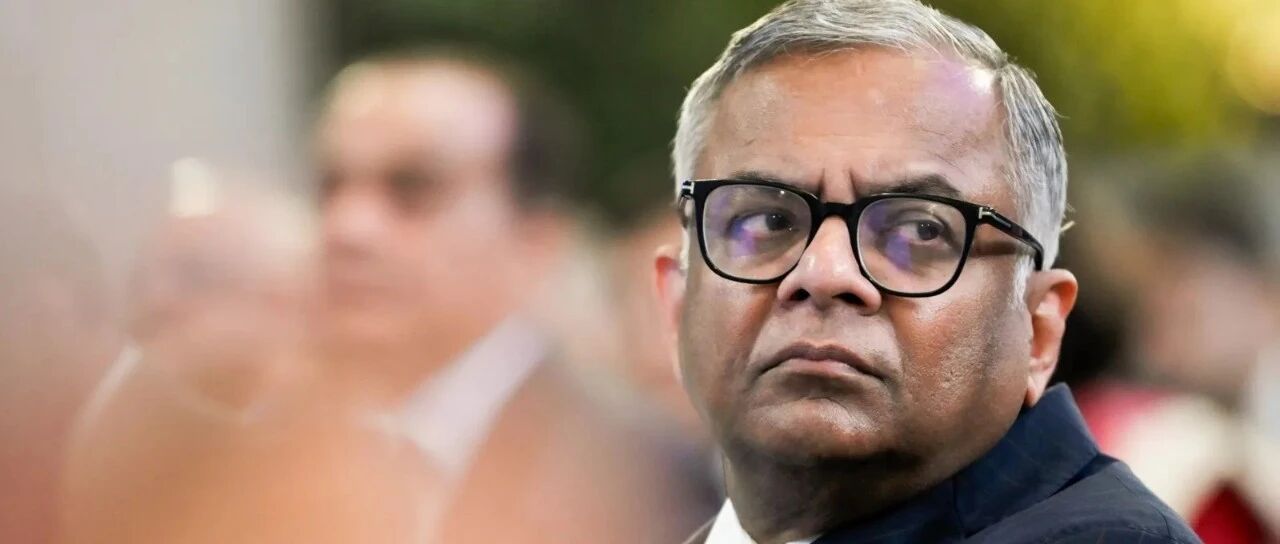
卡扎菲次子赛义夫遇刺身亡,外媒:遇刺时间点极为敏感
Huan Qiu Shi Bao· 2026-02-04 22:46
Core Viewpoint - The assassination of Saif al-Islam Gaddafi, the son of former Libyan leader Muammar Gaddafi, has significant implications for Libya's already fragile political landscape, highlighting the ongoing violence and political vendettas in the country after over a decade of turmoil [1][3]. Group 1: Assassination Details - Saif al-Islam Gaddafi was killed by four masked men in a residential area in Zintan, Libya, with his political team describing the act as a "cowardly assassination" [1]. - The incident occurred on February 3, and local media suggest it symbolizes the physical demise of a political figure while revealing the harsh realities of violence in Libya [1][3]. Group 2: Background and Political Context - Saif was released from prison in 2017 and had been living in Zintan since then, where he attempted to re-enter politics by announcing his candidacy for the presidential elections in 2021 [3][4]. - His past included significant roles in international negotiations, such as Libya's abandonment of weapons of mass destruction and compensation agreements for the Lockerbie bombing victims [3]. - The timing of his assassination is seen as sensitive, potentially linked to power struggles among factions that oppose his political comeback or seek to settle historical scores [4]. Group 3: Reactions and Implications - Following the assassination, calls for an "urgent and transparent investigation" were made by prominent political figures, indicating the need for accountability in the wake of the violence [3]. - The killing may provoke anger among Gaddafi's remaining supporters, potentially exacerbating tribal and regional tensions within Libya [4].
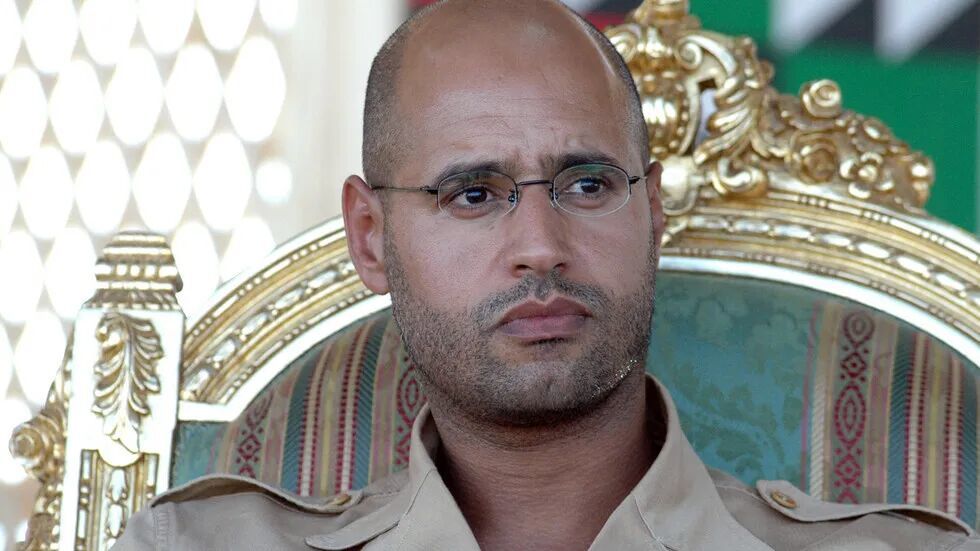
乌克兰深陷能源危机,却反手抓了自家顶尖专家?百万民众寒冬难熬
Sou Hu Cai Jing· 2025-11-11 08:10
Core Points - The arrest of Ukraine's top energy expert, Vladimir Kudritsky, during a critical energy crisis raises concerns about the government's internal power struggles and its impact on international support [2][3][7] - The timing of the arrest is questioned, as it coincides with severe energy shortages in Ukraine, where citizens are suffering from power outages and cold weather [3][9] - The official explanation for the arrest involves allegations of embezzlement related to a past energy project, but the circumstances surrounding the case have led to suspicions of political motives [5][7] - The situation highlights the fragility of Ukraine's energy system, exacerbated by the ongoing war with Russia, and the potential negative implications for Western aid if internal political conflicts continue [9][10] - The case serves as a signal to both domestic and international observers about the current state of Ukraine's governance and its ability to manage crises effectively [9][10] Summary by Sections - **Arrest Context**: The arrest of Kudritsky comes at a time when Ukraine is facing significant energy challenges, with widespread power outages affecting daily life [3][9] - **Government's Justification**: The Ukrainian authorities claim the arrest is part of anti-corruption efforts, but the coincidental nature of the bail amount has raised eyebrows [5][7] - **International Reactions**: Western allies are likely to reassess their support for Ukraine amid concerns over internal political stability and governance effectiveness [10][11] - **Public Sentiment**: Ordinary citizens are primarily concerned with basic needs like heating and electricity, while political struggles at the top may have dire consequences for their daily lives [9][13]
10 年资深技术元老突然被裁!网传按代码行数大裁员?网友:这太特么疯狂了吧
程序员的那些事· 2025-10-25 12:56
Core Viewpoint - The recent layoffs at Meta, particularly affecting prominent AI researcher Tian Yuandong and his team, highlight a chaotic restructuring process within the company, raising questions about management practices and talent retention in the tech industry [2][7][15]. Group 1: Layoff Details - Tian Yuandong, a veteran researcher at Meta, announced on social media that he and several team members were affected by the layoffs, which were part of a broader restructuring effort [2]. - The layoffs impacted a range of employees, including both seasoned and newer researchers, creating a situation where talent across different experience levels was lost [3]. - Reports suggest that the layoffs were executed hastily, with Tian Yuandong receiving eight months of severance pay, but his GitHub repository was quickly set to read-only, indicating the abruptness of the decision [3]. Group 2: Layoff Criteria and Reactions - There were rumors that layoffs were based on the number of lines of code written, which sparked significant backlash in the tech community, as many believe this metric does not accurately reflect an engineer's value [6][7]. - Some former Meta employees refuted the claims that code volume was a criterion for layoffs, suggesting that the decision-making process was more complex and not solely based on performance metrics [6]. - The spread of these rumors reflects a broader critique of the company's management and the perceived absurdity of using simplistic metrics to evaluate talent [7]. Group 3: Criticism of Meta's Management - The layoffs have been characterized as a "use and discard" approach, particularly regarding the FAIR team, which was forced to support the Llama 4 project only to be laid off afterward [9]. - The layoffs are seen as a means for the new AI chief, Alexandr Wang, to consolidate power, with significant restructuring occurring within the AI department [10]. - There is a stark contrast between the high salaries offered to new hires and the treatment of long-term employees, leading to discontent among remaining staff [12]. Group 4: Industry Implications - Following the layoffs, top companies like OpenAI and Google DeepMind have shown interest in hiring the affected talent, indicating a strong demand for skilled professionals in the AI field [16]. - The situation at Meta raises concerns about the effectiveness of its talent strategy, as the company appears to be investing heavily in external talent while letting go of key internal researchers [16]. - The reliance on simplistic metrics for performance evaluation and the internal power struggles at Meta may hinder its ability to retain innovative talent in the long run [15].


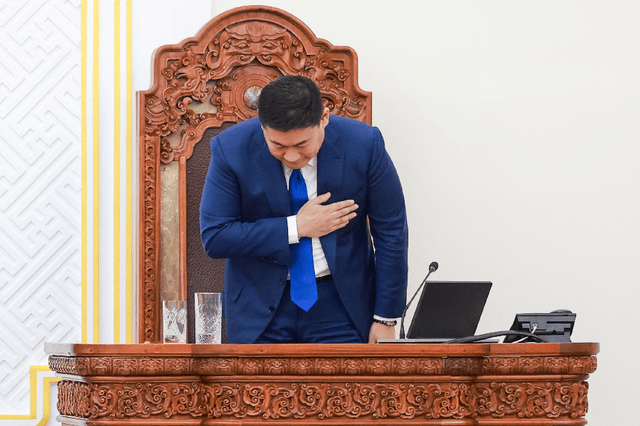
蒙古最高层内斗“昏天暗地”,到头来两败俱伤,邻国乱得不成样子
Sou Hu Cai Jing· 2025-10-23 05:39
Core Points - The political situation in Mongolia is currently chaotic, with Prime Minister L. Zandanshatar being voted out by parliament just four months after taking office, only to have the decision vetoed by President U. Khurelsukh on constitutional grounds [1][3] - The turmoil stems from internal power struggles within the ruling Mongolian People's Party, particularly between Zandanshatar and Speaker A. Amarbayasgalan, which escalated following a party election where Zandanshatar lost the chairmanship [1][4] - The conflict has highlighted deep-seated issues within Mongolian politics, including corruption and internal party discord, which have hindered effective governance and reform efforts [4][6] Political Dynamics - The recent events illustrate the increasing frequency of disputes within the expanded 126-seat parliament, reflecting the intensity of internal conflicts within the Mongolian People's Party [4] - The president's intervention to protect Zandanshatar is partly due to their prior working relationship, contrasting with the previous administration's conflicts with the president [1][3] - The potential for Zandanshatar's removal still exists if parliament can muster a two-thirds majority to override the president's veto, although attendance issues may complicate this process [3] Systemic Issues - Mongolia is facing a systemic crisis characterized by severe political infighting, which complicates the advancement of significant national agendas and undermines its geopolitical advantages as a neighbor to China and Russia [6] - The ongoing corruption issues, particularly in the coal industry, remain unresolved despite previous government commitments to address them, indicating a persistent challenge for future administrations [4][6]
历史罕见!特朗普宣布撤销美联储理事库克职务!特朗普掌控美联储的野心再次暴露?
Sou Hu Cai Jing· 2025-08-26 06:48
Core Viewpoint - Trump's dismissal of Federal Reserve Governor Lisa Cook marks a historic precedent in U.S. politics, raising questions about the independence of the Federal Reserve and the implications for financial markets [1][8]. Group 1: Dismissal of Lisa Cook - Trump has officially dismissed Lisa Cook, the first Black woman appointed to the Federal Reserve Board, citing allegations of mortgage fraud related to her housing applications [3][5]. - The Justice Department has only initiated an investigation, and no formal charges have been established against Cook [3][5]. - Cook has publicly rejected Trump's claims, indicating a potential legal battle that could escalate to the Supreme Court [3][8]. Group 2: Motivations Behind the Dismissal - The dismissal appears to be a strategic move by Trump to influence monetary policy, particularly to facilitate interest rate cuts that Cook opposed [5][6]. - By removing Cook, Trump aims to fill the vacancy with his own appointees, potentially gaining control over the Federal Reserve's decision-making process [6][9]. - This action serves as a political maneuver to rally support from his voter base by portraying himself as a champion against corruption [6][10]. Group 3: Implications for the Federal Reserve - Trump's actions have severely undermined the perceived independence of the Federal Reserve, setting a dangerous precedent for future presidential interventions [8][10]. - If Trump successfully appoints new members, the Federal Reserve Board could become aligned with his political agenda, impacting future monetary policy and regulatory decisions [9][10]. - The market's reaction has been negative, with the dollar declining and gold prices surging, indicating a loss of confidence in the Federal Reserve's autonomy [10][11].
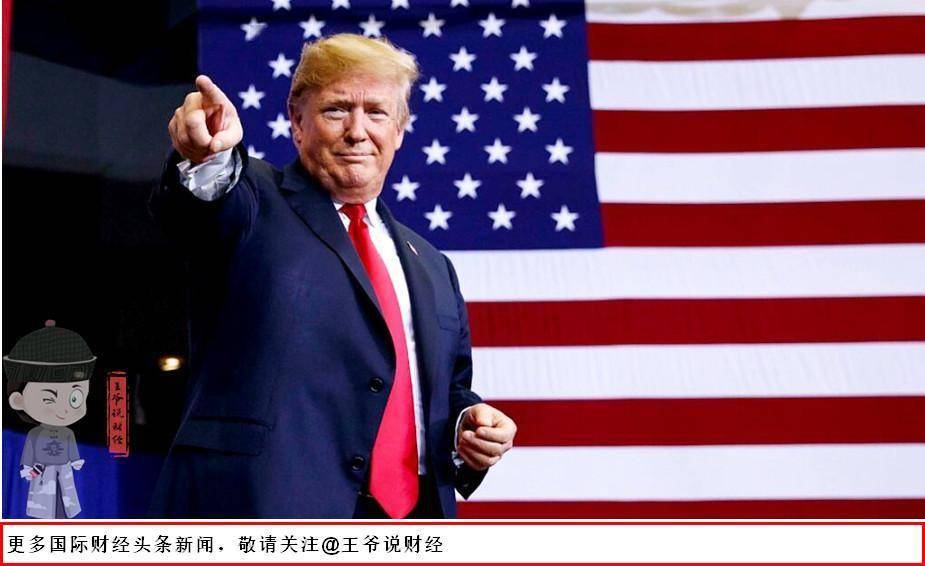
安东·尼尔曼:欧洲一瞪眼就怂,泽连斯基在怕什么?
Sou Hu Cai Jing· 2025-07-28 06:23
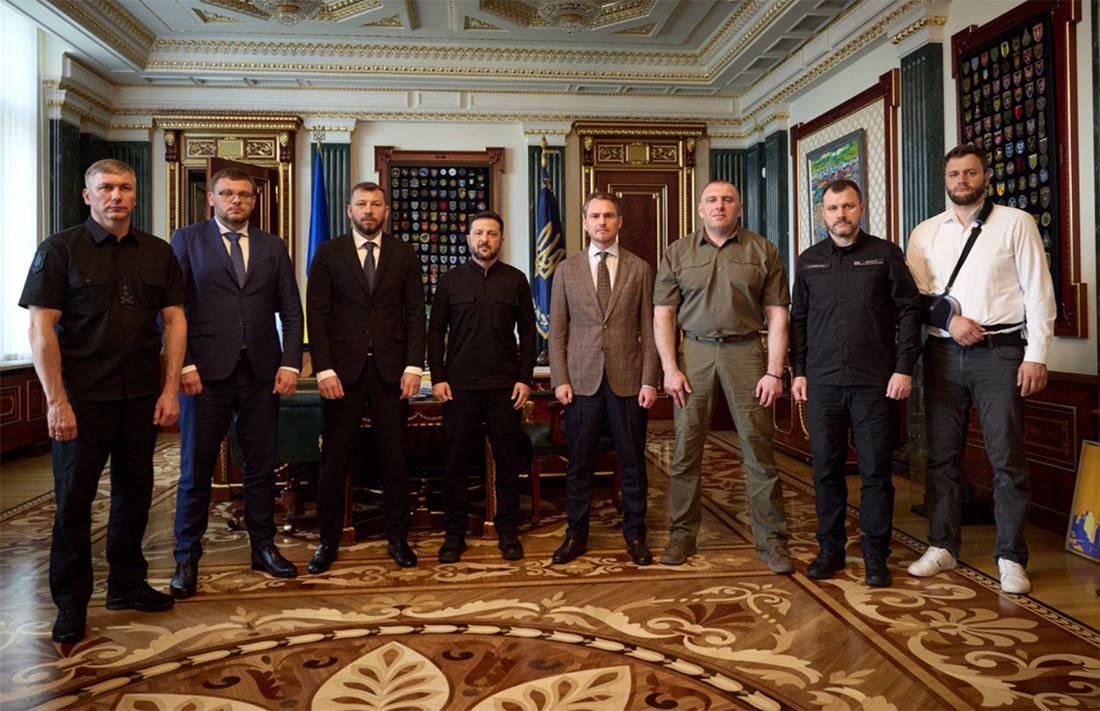
Core Points - The article discusses the recent actions taken by Ukrainian President Zelensky regarding the independence of the National Anti-Corruption Bureau (NABU) and the Special Anti-Corruption Prosecutor's Office (SAPO) in response to concerns from the G7 and the EU [1][2] - It highlights the political maneuvering behind Zelensky's push for power consolidation under the guise of combating Russian influence and corruption [1][4] - The article reveals the intricate connections between Zelensky's inner circle and the corruption issues plaguing Ukraine, particularly focusing on Vice Prime Minister Oleksiy Chernyshov [5][6][8] Group 1 - Zelensky submitted a new law draft to restore the independence of NABU and SAPO after public protests and international pressure [1] - The signing of Law No. 12414 by Zelensky placed anti-corruption agencies under the control of the Prosecutor General, claiming it would simplify their work and reduce Russian influence [2] - The actions taken against NABU and SAPO are seen as a means for Zelensky to consolidate power, with the justification of maintaining a "rule of law" [2][4] Group 2 - The article describes the role of Vasyl Maliuk, head of the Security Service of Ukraine (SBU), as a key enforcer of Zelensky's policies, emphasizing the need to eliminate threats to his power [3][4] - Chernyshov, who has been implicated in corruption scandals, is closely tied to Zelensky, raising questions about the integrity of the anti-corruption efforts [5][6] - The ongoing conflict between anti-corruption activists and Zelensky's inner circle is central to the narrative, with high-level officials being protected despite allegations of corruption [8]
肯尼迪到底动了谁的蛋糕?为何被杀后,其家族成员接连死于非命?
Sou Hu Cai Jing· 2025-05-24 05:14
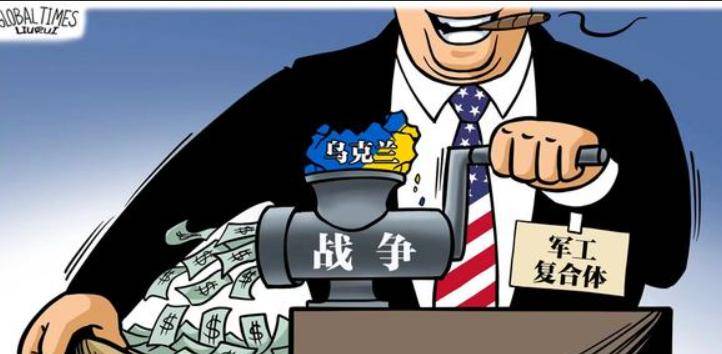
Group 1 - The article discusses the complex interplay of power and interests that led to the assassination of President John F. Kennedy, highlighting how his policies threatened various powerful groups [6][11][22] - Kennedy's attempts to reform military spending and withdraw from Vietnam angered the military-industrial complex, which saw a direct threat to their profits [7][9] - The CIA's growing distrust of Kennedy, particularly after the failed Bay of Pigs invasion, contributed to tensions that may have played a role in his assassination [9][13] Group 2 - Kennedy's conflict with the Federal Reserve and Wall Street, particularly his issuance of U.S. Treasury notes bypassing the Fed, angered financial elites and threatened their control over monetary policy [11][22] - The article suggests that the subsequent tragedies faced by the Kennedy family may be linked to their opposition to powerful interest groups, with each family member's misfortune appearing to be a consequence of their political actions [17][20] - The concept of a "Kennedy family curse" is explored, proposing that their adventurous nature may have contributed to their tragic outcomes, but ultimately attributing their misfortunes to political power struggles [20][22]
白宫上演权力斗争!马斯克、贝森特贴脸互骂
Zhong Guo Ji Jin Bao· 2025-04-30 02:58
Core Points - A power struggle has erupted between Elon Musk, CEO of Tesla, and U.S. Treasury Secretary Scott Bentsen, marked by a heated argument in the White House [1][2] - The conflict centers around leadership decisions within the IRS, particularly regarding the appointment of Gary Shapley, who was supported by Musk, versus Michael Fokland, favored by Bentsen [4][8] Group 1 - The argument escalated to a face-to-face confrontation, described as two billionaires wrestling in the White House corridor [2] - Witnesses reported that the argument was loud and intense, with both parties exchanging heated remarks [2][6] - Musk has previously clashed with other high-profile officials, indicating a pattern of confrontational behavior [2] Group 2 - Bentsen criticized Musk for exaggerating claims regarding budget cuts, while Musk retaliated by labeling Bentsen as a "proxy for Soros" [6] - The conflict reflects a broader struggle for influence and control over government appointments and policies [6][8] - Following the argument, it was reported that Trump had reversed the appointment of Shapley, indicating Bentsen's influence in the situation [8] Group 3 - Musk plans to reduce his government work hours to focus on Tesla, raising questions about the future of his role in government initiatives [8] - The ongoing tensions between Musk and Bentsen highlight contrasting leadership styles, with Musk being more impulsive and Bentsen more analytical [7]
马斯克与贝森特爆发激烈争吵:狂飚粗口,“F***”满天飞
Hua Er Jie Jian Wen· 2025-04-24 02:51
Core Points - The article highlights an intense confrontation between Elon Musk and Treasury Secretary Becerra, showcasing a power struggle within the White House [1][2][3] - The argument was sparked by disagreements over the appointment of the IRS leadership, with Musk favoring Gary Shapley and Becerra supporting Michael Faulkender, ultimately leading to Becerra's victory [2] - The ongoing tension between Musk and Becerra reflects deeper issues of control and influence within the administration, indicating a potential cooling of relations between Musk and Trump [2][4] Group 1 - The confrontation escalated to personal attacks, with Becerra accusing Musk of exaggerating budget cuts and Musk retaliating by labeling Becerra a "Soros agent" [1][3] - The argument was witnessed by Trump and other officials, indicating the high stakes involved in their dispute [1][2] - The altercation is seen as part of a broader pattern of conflict between Musk and various government officials, suggesting a growing frustration with Musk's approach [4] Group 2 - The historical context of their relationship reveals that Musk has felt sidelined in the White House, particularly during the transition period when Becerra was appointed over Musk's preferred candidate [3][4] - The article notes that Musk's recent behavior, particularly regarding DOGE, has aggravated tensions with senior officials, further complicating his standing within the administration [4] - Observers suggest that the recent developments may signal a shift in Trump's support away from Musk, as Becerra's preferred candidate gained Trump's backing [2][4]