
美日关系

Search documents
陈冰:高市早苗“政治豪赌”能够得逞的五大关键因素
Xin Lang Cai Jing· 2026-02-08 15:29
Core Viewpoint - The recent Japanese election results indicate a significant victory for the ruling Liberal Democratic Party (LDP) and the Japan Innovation Party, with implications for political stability and policy direction in Japan, particularly in foreign relations with China and the United States [1][2]. Group 1: Election Results and Implications - The ruling coalition of the LDP and the Japan Innovation Party has secured 273 seats, with expectations to surpass the critical threshold of 310 seats in the House of Representatives [1][2]. - Four key seat thresholds are identified: 233 for government continuity, 243 for a stable majority, 261 for an absolute stable majority, and 310 for constitutional amendment capabilities [1]. Group 2: Political Strategy and Leadership - The term "political gamble" is used to describe the election strategy, where leaders seek voter support to legitimize their policies amid challenges [5]. - High-profile political figures, such as former UK Prime Minister Theresa May, illustrate the risks of early elections, contrasting with the successful gamble of Prime Minister Kishi, who capitalized on unexpected timing and popular policies [6]. Group 3: Policy Focus and Challenges - High's policies, including a $135 billion economic stimulus and a two-year suspension of an 8% consumption tax on food, have garnered public support but face criticism for lack of detail and practicality [7][9]. - Key challenges for the new administration include stagnant wages, a weak yen, and rising living costs, which may quickly diminish the initial electoral victory's momentum [9]. Group 4: Foreign Relations Outlook - The election outcome may provide an opportunity for High to improve relations with China, as Japan's economy is closely tied to China's supply chain [10]. - In contrast, relations with the U.S. may strengthen, particularly in military cooperation, as High aims to enhance Japan's defense capabilities and constitutional amendments regarding the Self-Defense Forces [10][11]. - The future of Japan-China relations will hinge on High's approach to Taiwan, with potential for improvement or deterioration based on her stance on Taiwan-related issues [11].

如何看待日中关系?美国国务卿鲁比奥最新表态
Zhong Guo Xin Wen Wang· 2025-12-22 07:40
Core Viewpoint - The U.S. Secretary of State, Rubio, expressed confidence in maintaining a strong partnership with Japan while also seeking productive cooperation with China [1] Group 1: U.S.-Japan Relations - The U.S. views Japan as a very close ally, and the long-standing tensions between Japan and China are seen as a dynamic factor that needs to be balanced in the Asia-Pacific region [1] - Rubio emphasized the commitment to a strong and stable partnership with Japan, indicating that this relationship will not hinder efforts to find constructive ways to engage with China [1] Group 2: U.S.-China Relations - Rubio stated that the U.S. must maintain a relationship with China, recognizing it as a wealthy and powerful country that plays a significant role in geopolitics [1] - He highlighted the necessity of finding areas for cooperation, acknowledging that both countries will face tensions but should act responsibly to seek collaborative opportunities [1]
白宫:与日本维持同盟关系,同时与中国合作
日经中文网· 2025-12-12 02:34
Group 1 - The White House spokesperson emphasized the importance of maintaining a strong alliance with Japan while also fostering a good cooperative relationship with China, indicating a balanced approach towards both countries [2][4] - In response to concerns about the deteriorating Sino-Japanese relations, the spokesperson did not provide an evaluation of the current situation or mention any specific actions the U.S. might take [4] - The spokesperson highlighted the significance of Japan as an ally, especially in light of recent tensions arising from incidents such as Chinese military aircraft targeting Japanese Self-Defense Force planes with radar [4] Group 2 - The spokesperson noted that President Trump has established a good relationship with Japan's new Prime Minister, emphasizing their previous meetings and ongoing communications [4]
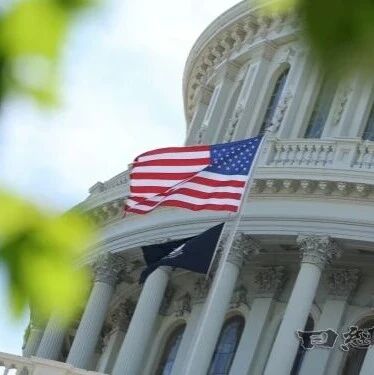
特朗普一通电话之后,高市早苗只有尴尬地沉默 | 京酿馆
Xin Jing Bao· 2025-11-26 04:56
Group 1 - The core point of the article revolves around the recent phone calls between Chinese President Xi Jinping and U.S. President Donald Trump, and between Trump and Japanese Prime Minister Fumio Kishida, highlighting the significance of these communications in the context of U.S.-China relations and regional stability [2][3][7]. - The conversation between Xi and Trump lasted approximately one hour and was described as "very positive," indicating a strategic depth, while the call with Kishida was only 25 minutes, suggesting a more transactional nature [5][6]. - Key topics discussed in the Xi-Trump call included U.S.-China trade, the Russia-Ukraine conflict, and the Taiwan issue, with a notable emphasis on Taiwan in light of Kishida's recent controversial remarks [7][8]. Group 2 - Trump acknowledged China's significant role in World War II and expressed understanding of the importance of the Taiwan issue to China, which may signal a more cautious approach from the U.S. regarding Taiwan [10][15]. - The article suggests that the U.S. may be wary of Japan's role in regional tensions, particularly in light of Kishida's provocative statements, which could jeopardize U.S.-China relations [12][16]. - Trump's recent comments and actions indicate a desire for stable U.S.-China relations, which could impact Japan's strategic positioning and its relationship with the U.S. [15][16].
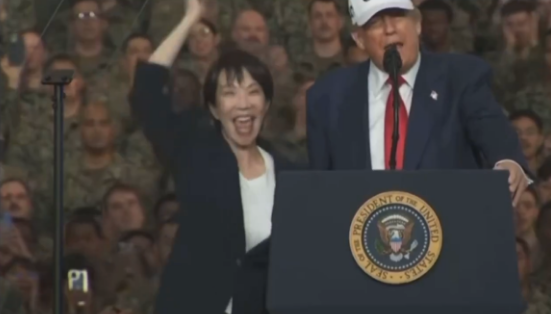
“看起来就像狂热支持者”,高市早苗对特朗普的“夸张表现”受日本网民质疑
Huan Qiu Wang· 2025-10-29 01:03
Group 1 - The core viewpoint of the articles revolves around the visit of U.S. President Trump to Japan, where he and Japanese Prime Minister Kishi Sanae interacted during a speech on the USS George Washington, leading to mixed reactions from Japanese netizens regarding Kishi's behavior [1][3][4] Group 2 - Trump introduced Kishi as a "winner" and the first female Prime Minister of Japan, emphasizing the importance of the U.S.-Japan alliance [3] - Kishi's gestures during the speech, such as waving and turning to greet the audience, were criticized by some Japanese netizens as overly enthusiastic and inappropriate for a Prime Minister, with comments suggesting she appeared as a "fanatic supporter" of Trump [3][4] - Despite the criticism, some netizens viewed Kishi's close relationship with Trump as beneficial for Japan, potentially aiding in the strengthening of U.S.-Japan relations [3] - Kishi's hospitality towards Trump was described as excessive, with some media referring to it as "carrying the sedan chair," indicating a level of flattery that some found inappropriate [4]
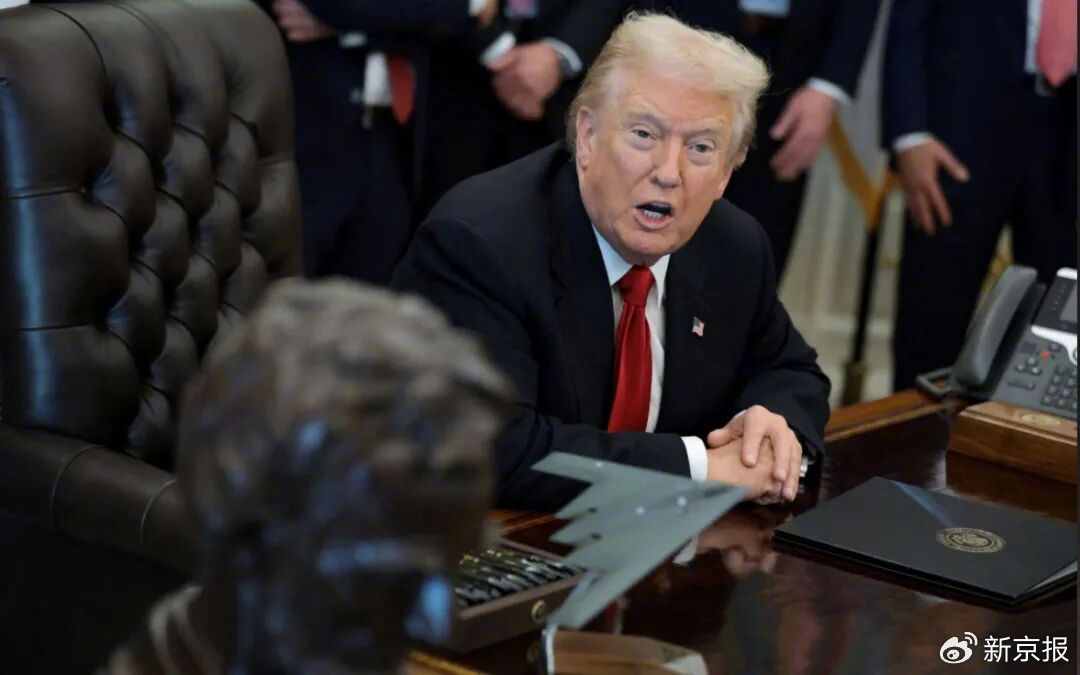
牛弹琴:特朗普拿广岛长崎说事,日本肺都要气炸了
Bei Jing Ri Bao Ke Hu Duan· 2025-06-27 00:12
Group 1 - Japan is expressing significant anger towards Trump due to his comments linking the U.S. attack on Iran's nuclear facilities to the atomic bombings of Hiroshima and Nagasaki, which are sensitive historical events for Japan [3][4] - Japanese civil organizations have protested Trump's remarks, stating that the victims of the atomic bombings feel anger and that Trump does not consider the gravity of the loss of 210,000 lives [3][4] - The Japanese government, represented by Chief Cabinet Secretary Yoshihide Suga, has stated that the atomic bombings and the U.S. attack on Iran are fundamentally different events, emphasizing the humanitarian disaster caused by the bombings [3][4] Group 2 - Japan's Prime Minister Shigeru Ishiba, along with leaders from South Korea and Australia, chose not to attend the recent NATO summit, indicating a growing distance in U.S.-Japan relations [4][6] - The absence of these leaders at the summit reflects Japan's dissatisfaction with the current state of U.S.-Japan relations, particularly in light of Trump's recent actions and comments [6][7] - Japan's decision not to attend the summit can be seen as a public expression of discontent towards the U.S. [7] Group 3 - The relationship between the U.S. and Japan is perceived to be deteriorating, with Japan feeling increasingly frustrated with U.S. demands and negotiations [10][12] - Japan is particularly unhappy with the U.S. pressuring them in trade negotiations, with Trump personally involved, indicating a focus on Japan's financial contributions [13] - Japan is also feeling the impact of Trump's comments regarding nuclear weapons, which have provoked a strong reaction among the Japanese populace [14][15] Group 4 - Japan is exploring a more assertive stance in international relations, inspired by China's strong responses to U.S. trade policies, suggesting a shift in Japan's approach to its own national interests [16][17] - There is uncertainty about how long Japan can maintain this assertive posture, as historical patterns suggest a tendency to soften its stance after initial hardline positions [20] - Japan's current anger and assertiveness may lead to more significant tensions with the U.S. in the coming years [20]
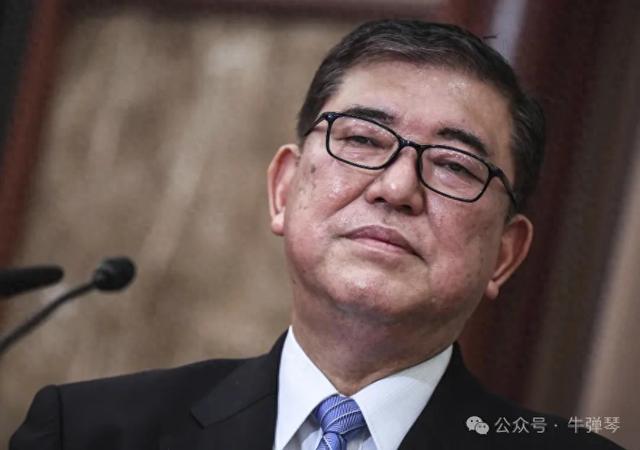
日本财务大臣加藤胜信:日本不会从美日关系的角度考虑出售美债持仓
news flash· 2025-04-09 00:34
Group 1 - The Japanese Finance Minister, Kato Katsunobu, stated that Japan will not consider selling its U.S. Treasury holdings from the perspective of U.S.-Japan relations [1]
日本财务大臣加藤胜信:日本不会仅从美日关系的角度考虑出售美债持仓。
news flash· 2025-04-09 00:34
Core Viewpoint - Japan's Finance Minister, Kato Katsunobu, stated that Japan will not consider selling its U.S. Treasury holdings solely from the perspective of U.S.-Japan relations [1] Group 1 - Japan's decision-making regarding the sale of U.S. Treasury holdings will take into account broader economic factors rather than just bilateral relations with the U.S. [1]