数字传播

Search documents
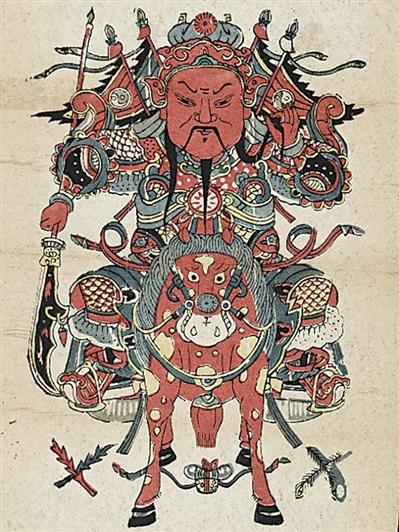
马年说马丨马的新年画
Xin Lang Cai Jing· 2026-02-14 10:19
Core Viewpoint - The article discusses the evolution of traditional Chinese New Year paintings, particularly focusing on the representation of horses, and highlights the integration of modern technology and aesthetics in creating new artworks while preserving cultural heritage [2][3]. Group 1: Traditional Elements - Horses are a common motif in traditional woodblock New Year paintings, symbolizing auspiciousness and protection [2]. - Various regional styles, such as Yangliuqing and Taohuawu, incorporate horses to convey wishes for success and academic achievement [2]. - In Hebei's Wuqiao paintings, horses often accompany deities, serving as guardians of homes and bringers of good fortune [2]. Group 2: Modern Adaptations - The term "new year painting" has emerged as traditional experiences and dissemination methods evolve, with contemporary artists reinterpreting traditional elements through collage and redesign [2]. - Generative artificial intelligence has lowered the barriers for creating new year paintings, allowing for the generation of digital images based on traditional styles [2]. - The integration of modern technology with traditional art forms highlights the ongoing relevance and creative potential of these cultural symbols [3]. Group 3: Value of Traditional Craftsmanship - Despite the rise of digital media, the tactile qualities and craftsmanship of physical New Year paintings remain invaluable, as they embody a sense of time and authenticity that screens cannot replicate [3]. - The continued appreciation for New Year paintings signifies the enduring cultural significance and the importance of preserving this intangible heritage [3].

当乡村年俗遇上数字传播
Xin Lang Cai Jing· 2026-01-25 23:27
Core Insights - The event "New Year Pig Slaughter Feast" at Shitou Inn successfully combines traditional rural customs with digital engagement, attracting urban visitors and promoting local tourism [2][3] - The innovative approach of using social media platforms for event promotion resulted in significant online engagement, with over 30,000 viewers and more than 100,000 likes during the live stream [3] Group 1: Event Details - The pig slaughtering event featured two well-fed local pigs, with fresh meat being prepared immediately for the feast [1] - The event attracted around 500 participants, including both pre-booked guests and local visitors, creating a lively atmosphere filled with traditional activities [2] Group 2: Business Strategy - The inn's owner, Xu Yiqiang, recognized the potential of blending traditional experiences with modern digital marketing to attract urban dwellers who yearn for rural traditions [2][3] - Future plans include seasonal activities such as rice planting in spring, flower viewing in summer, fish catching in autumn, and making preserved meats in winter, aiming to create a year-round experiential offering [3]
数字传播时代高校广告教育联合实战教学的创新路径探索——以《创意传播管理》五校联合实战课程为例
Jing Ji Guan Cha Wang· 2025-10-11 09:57
Core Viewpoint - The digital communication era has significantly transformed the advertising environment, presenting various challenges for advertising education in universities. The urgent need for digital transformation in advertising education is highlighted, focusing on the expansion of disciplinary boundaries, reshaping of professional knowledge, and adjustment of talent training models. A practical course titled "Creative Communication Management" initiated by Peking University in 2024 aims to explore a new path for university advertising education through multi-party cooperation and integration of practical labor and ideological education [2][3][11]. Group 1: Challenges in Advertising Education - The advertising education in universities faces a shortage of teaching resources, particularly in faculty and educational materials, as the current faculty often lacks the necessary digital communication skills and interdisciplinary backgrounds [5][6]. - The teaching environment is often closed, leading to a disconnect between teaching content and industry demands, with many universities still relying on traditional course structures that do not adequately address the needs of the digital advertising landscape [7][8]. - The outdated educational philosophy limits the ability to meet the growing demand for interdisciplinary and innovative talent, as traditional advertising education focuses primarily on specialized knowledge without fostering practical skills and cross-disciplinary thinking [9][10]. Group 2: Digital Transformation in Advertising Education - The rapid development of digital technology necessitates a transformation in advertising education, which is aligned with the "New Liberal Arts" initiative aimed at integrating digital technology with social sciences [11][12]. - The transformation involves expanding the scope of disciplines, innovating theoretical frameworks, and changing talent training methods to better align with the evolving advertising industry [12][13]. - A deep integration between academia and industry is essential for developing a talent training model that meets the demands of the digital advertising sector, emphasizing the need for collaboration and practical engagement [14]. Group 3: Practical Teaching Innovations - The "Creative Communication Management" course launched by five universities emphasizes practical teaching, allowing students to engage in real-world advertising projects, thereby enhancing their operational skills and market insights [23][25]. - The course integrates theoretical knowledge with practical application, utilizing digital tools and platforms to provide students with hands-on experience in digital advertising [26][28]. - The focus on public welfare projects within the course not only enhances students' professional skills but also instills a sense of social responsibility and awareness of societal issues [32][33].