
乡村文旅融合

Search documents
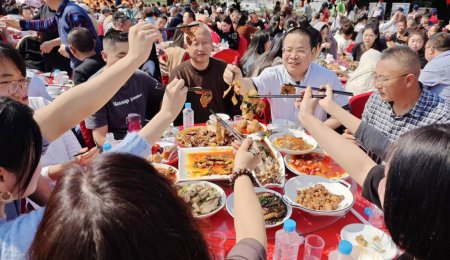
广汉沙田村“九大碗”坝坝宴 166桌同开热闹非凡
Xin Lang Cai Jing· 2026-02-25 18:57
Group 1 - The "Nine Big Bowls" traditional food event in Shatian Village, Guanghan City, is a significant cultural celebration that attracts visitors and locals alike, showcasing the warmth of the Spring Festival and unique rural customs [2][3] - The event featured 166 tables, with 112 at Hongyan Square and 54 at Nine Big Bowls Square, serving 14 specially prepared dishes that symbolize good fortune and blessings, enhancing the festive atmosphere [3] - The local government emphasizes the integration of rural culture and tourism, aiming to promote the "Nine Big Bowls" cultural brand and attract more visitors to experience the beauty and flavors of the region [3][4] Group 2 - The event not only provided a feast but also included a farmer's market selling local agricultural products, allowing visitors to enjoy local delicacies while supporting local farmers [3] - Future cultural tourism activities, such as the Peach Blossom Festival, are planned to further engage visitors and highlight the charm of the region, focusing on rural beauty and warmth [4]

(新春走基层)山东泰安:新玩法催热春节乡村游
Xin Lang Cai Jing· 2026-02-21 13:11
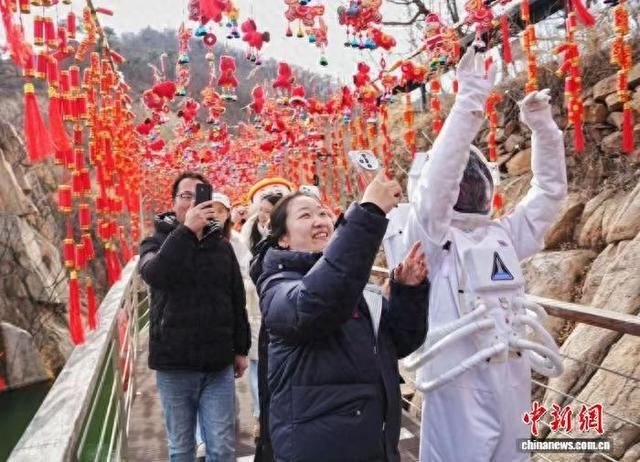
Core Viewpoint - The rural tourism market in Tai'an is thriving during the 2026 Spring Festival, with a focus on integrating natural scenery, intangible cultural heritage, and modern elements to create attractive tourism routes [1][3]. Group 1: Tourism Activities - The "slow train" service, which has been operating for over fifty years, connects urban and rural areas, offering a low-cost travel option with tickets starting at 1 yuan [3]. - Visitors to the rural areas engage in various activities such as strawberry picking, traditional craft workshops, and dining experiences in repurposed train carriages [3]. - The "Dream Peach Blossom Source" scenic area features over 200 performances daily, including traditional arts and large immersive stage plays, attracting significant visitor numbers, with over 120,000 on the first day of the new year [4]. Group 2: Visitor Preferences - Many tourists are seeking a relaxing experience in rural homestays rather than crowded tourist spots, indicating a shift in consumer preferences towards tranquility and comfort during the holiday [5]. - The rural tourism sector is seeing increased demand for homestays, with many properties fully booked during the Spring Festival, catering to families looking for private and cozy environments [7]. Group 3: Market Performance - The tourism market in Tai'an is experiencing robust performance, with a reported 496,200 visitors from February 19 to February 20, marking a year-on-year increase of 30.85% [7].
(新春走基层)田歌声声润乡野 民盟文化特派员让千年旋律焕“新声”
Xin Lang Cai Jing· 2026-02-20 12:24
Core Viewpoint - The article highlights the efforts of Wang Jing, a cultural envoy in Zhejiang Province, to revitalize the traditional Jiaxing rice field songs, a national intangible cultural heritage, by integrating them with modern artistic elements and engaging the youth in their preservation [1][3][5]. Group 1: Cultural Heritage Preservation - Wang Jing was appointed as a cultural envoy in 2023 and was captivated by the local Jiaxing rice field songs, which are at risk of fading due to aging practitioners and dialect limitations [3][5]. - He has recorded nearly 100 original rice field songs and collaborated with well-known lyricists and composers to create a modern travel promotion song inspired by traditional melodies [3][5]. - The integration of traditional rice field songs with contemporary music has breathed new life into this cultural heritage, making it more appealing to younger audiences [5][7]. Group 2: Youth Engagement and Education - Recognizing the importance of youth in cultural transmission, Wang Jing initiated rice field song classes in local schools and developed dialect song materials [5][7]. - He launched a training program for over 30 young talents, pairing them with experienced artists to learn the craft [5]. - The initiative has led to increased participation among youth, with students expressing pride in their cultural roots through song [5][7]. Group 3: Cultural and Economic Development - Wang Jing has advocated for the integration of cultural heritage with tourism, suggesting enhancements to local attractions and experiences that incorporate rice field songs [7]. - The introduction of a "cultural + tourism" model has resulted in a 40% increase in annual visitor numbers to the village, significantly boosting local income [7]. - The article emphasizes that rural revitalization encompasses not only economic growth but also cultural awakening, with Wang Jing aiming to inspire a broader appreciation for traditional culture [7].
西湖区“村晚”上演文化新年俗
Hang Zhou Ri Bao· 2026-02-10 03:35
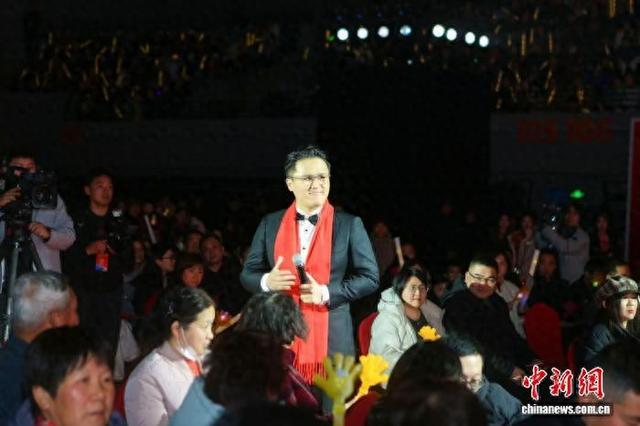
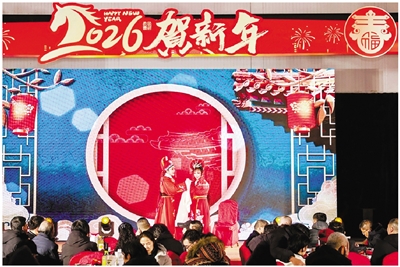
Core Viewpoint - The "Village Evening" events in Xihu District have evolved into a vibrant cultural and tourism celebration, integrating various activities and allowing villagers to take center stage in performances, thus enhancing community engagement and cultural identity [2][3]. Group 1: Event Evolution - The "Village Evening" has transformed from a simple performance into a comprehensive cultural event that includes running, markets, and communal meals, reflecting the integration of culture into daily life [2][3]. - The 2026 "Village Evening" features a full day of activities, including a 15.5 km run and a 5.2 km family-friendly route, showcasing local attractions and promoting community participation [3]. Group 2: Community Involvement - Villagers have transitioned from being mere spectators to active participants and creators of cultural content, with local performances highlighting their talents and fostering a sense of community [3][4]. - The establishment of local cultural groups, such as the Longwu Yue Opera Society, has empowered villagers to perform and share their stories, enhancing cultural pride and engagement among different age groups [5]. Group 3: Cultural Integration - The "Spring Festival" events have been creatively held in unconventional venues like markets, making cultural experiences accessible and relatable to everyday life [6]. - The integration of local culture into public spaces, such as the "Market Spring Evening," emphasizes the importance of community and cultural continuity in daily activities [6].
文旅深度融合赋能乡村全面振兴
Xin Lang Cai Jing· 2026-01-26 22:08
Core Viewpoint - The integration of culture and tourism is a strategic initiative to promote high-quality economic development and rural revitalization, injecting new momentum into rural development [1] Group 1: Importance of Cultural and Tourism Integration - Culture is the soul of tourism, while tourism serves as the carrier of culture, both playing a crucial role in rural revitalization [1] - Developing rural cultural tourism can increase farmers' income and promote the two-way flow and optimization of urban and rural resources [1] Group 2: Quality Cultural Tourism Products - The core of rural cultural tourism integration is to provide high-quality products that embody local characteristics and cultural connotations [2] - It is essential to break down traditional barriers between culture and tourism, focusing on local agricultural culture, pastoral scenery, and rural customs [2] Group 3: Utilizing Cultural Resources - Rural areas possess rich cultural resources from thousands of years of agricultural civilization, which are vital to traditional Chinese culture [3] - Strengthening local historical and cultural research and innovating traditional arts can enhance the competitiveness and brand influence of rural cultural tourism products [3] Group 4: Role of Digital Technology - Digital technology is a core driving force for high-quality rural cultural tourism integration, providing a broad platform for development [4] - Implementing digital infrastructure improvements and offering smart services can significantly enhance management efficiency and visitor experience [4] Group 5: Talent Development - The shortage of skilled professionals in agriculture, culture, and tourism is a significant barrier to effective rural cultural tourism integration [5] - Collaborative training models involving government, universities, and enterprises are necessary to cultivate talent and improve local professional skills [5] Group 6: Addressing Challenges - A comprehensive policy support system is needed to ensure stable and effective backing for cultural tourism integration [6] - Establishing a collaborative regulatory mechanism across various departments can enhance market order and safety standards in rural tourism [7] - Differentiating cultural tourism products is crucial to avoid homogenization and attract repeat visitors [7]
当乡村年俗遇上数字传播
Xin Lang Cai Jing· 2026-01-25 23:27
Core Insights - The event "New Year Pig Slaughter Feast" at Shitou Inn successfully combines traditional rural customs with digital engagement, attracting urban visitors and promoting local tourism [2][3] - The innovative approach of using social media platforms for event promotion resulted in significant online engagement, with over 30,000 viewers and more than 100,000 likes during the live stream [3] Group 1: Event Details - The pig slaughtering event featured two well-fed local pigs, with fresh meat being prepared immediately for the feast [1] - The event attracted around 500 participants, including both pre-booked guests and local visitors, creating a lively atmosphere filled with traditional activities [2] Group 2: Business Strategy - The inn's owner, Xu Yiqiang, recognized the potential of blending traditional experiences with modern digital marketing to attract urban dwellers who yearn for rural traditions [2][3] - Future plans include seasonal activities such as rice planting in spring, flower viewing in summer, fish catching in autumn, and making preserved meats in winter, aiming to create a year-round experiential offering [3]
“土味消费”圈粉!特色乡村文旅点燃经济热引擎 为振兴开局注入蓬勃新动能
Yang Shi Wang· 2026-01-15 02:54
Group 1 - The integration of rural tourism and cultural activities is driving consumption and injecting new momentum into rural revitalization efforts [1][2] - Jilin Province has allocated 500 million yuan to enhance ice and snow tourism experiences, aiming for full coverage of ice and snow activities across counties, benefiting over 10,000 villagers [4] - In the town of Erdao Baihe, the local community has created unique snow houses incorporating intangible cultural heritage elements, leading to an average annual income increase of over 20,000 yuan per villager and a collective income exceeding 8 million yuan [7] Group 2 - In Fujian's Yongtai County, the winter rural tourism peak is marked by the blooming of over 2,000 acres of plum blossoms, attracting tourists to the picturesque village [12] - The local government has introduced various new tourism formats, including flower sea camping and rural markets, along with a special water route for plum blossom viewing [14] - In Sichuan's Xichong County, the "local flavor" consumption is drawing tourists, with villagers serving traditional dishes that symbolize prosperity [18] - Tourists can also participate in bamboo weaving classes to create local crafts, enhancing their cultural experience [20]
日照高新区这一案例入选省级名单
Qi Lu Wan Bao· 2026-01-14 14:16
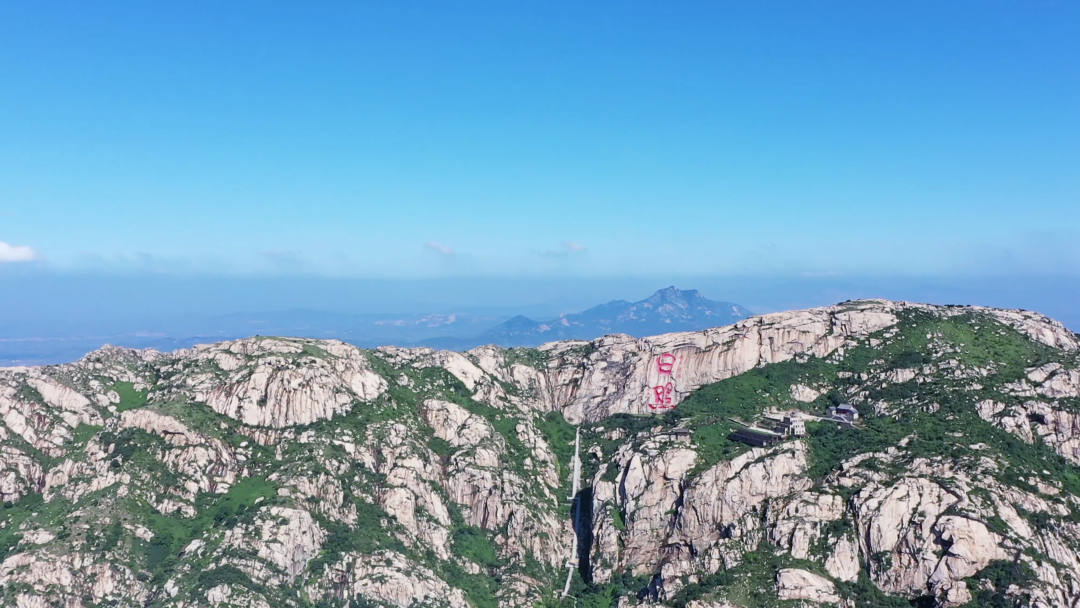
Core Viewpoint - Shandong Province's Cultural and Tourism Department has announced the typical cases for the development of tourism homestay clusters for 2025, with the Dajiaohe Mountain Tourism Homestay Cluster in Rizhao High-tech Zone being recognized and its development experience promoted throughout the province [1] Group 1: Location and Environment - The Dajiaohe Mountain Tourism Homestay Cluster is located in He Mountain Town, Rizhao High-tech Zone, known as the "source of numerous rivers," featuring a superior ecological environment and rich cultural heritage [3] Group 2: Development Strategy - The cluster integrates various high-quality projects within the region, such as "No Regrets Twelve Zodiac Constellation Homestay," "No Regrets Cloud Top Tea Garden Wild Luxury Homestay," and "Spring Breeze Ten Miles Cultural and Creative Park Homestay," forming a development pattern of "point to area, area to surface" [5] Group 3: Business Model and Offerings - Leveraging the tea garden and rural characteristics, the cluster focuses on a "homestay+" multi-fusion path, establishing a "1+N" composite business model that includes "accommodation + experience." Seasonal themed products such as strawberry picking in spring, tea tasting in summer, apple picking in autumn, and skiing in winter are featured, gradually forming a rural tourism model centered on boutique homestays, suburban leisure, mountain fitness, and picking experiences [11]
“偷甘蔗”火了,文旅融合不应总陷“同款困局”
Yang Zi Wan Bao Wang· 2025-11-26 14:11
Core Insights - The "9.9 yuan self-service sugarcane stealing" event in Sichuan's Meishan unexpectedly attracted thousands of visitors, highlighting the potential for rural tourism integration but also revealing significant management challenges and waste issues [1][2] - The event is a gamified experience that allows participants to engage in "stealing" sugarcane, transforming traditional farming into an entertainment activity, which led to a surge in visitor numbers from dozens to over a thousand in a single day [1][2] Group 1 - The event caused widespread damage to the sugarcane fields, with many plants being broken or partially eaten, and resulted in injuries among visitors, communication disruptions, and traffic congestion requiring police intervention [2] - Similar projects have emerged in other regions, indicating a trend in rural tourism that, while innovative, often leads to management challenges and environmental concerns [2][3] Group 2 - Recommendations for sustainable management include implementing a reservation system via WeChat mini-programs to control visitor flow, enhancing the experience through seasonal activities, and fostering inter-departmental collaboration to integrate various tourism resources [3] - The challenge for rural tourism lies in avoiding the pitfalls of over-tourism and ensuring that experiences evolve from mere consumption of products to immersive journeys, thereby creating a sustainable tourism ecosystem [3]
冬种吹响冲锋号!惠城区力争冬种面积12.16万亩
Nan Fang Nong Cun Bao· 2025-11-25 03:39
Core Viewpoint - The Huicheng District aims to achieve a winter planting area of 121,600 acres, focusing on various crops to ensure food security and agricultural productivity for the upcoming year [6][7][8]. Group 1: Winter Planting Initiatives - The district is organizing a winter planting mobilization meeting to promote potato planting techniques and agricultural insurance policies [2][3]. - The winter planting area is projected to include 23,100 acres of grains, 88,500 acres of vegetables, and 10,000 acres of other crops, laying a solid foundation for next year's food production [7][8]. - The winter planting production is crucial for the overall agricultural output and stability of food supply, impacting the agricultural economy significantly [37][39]. Group 2: Agricultural Development Strategies - The district is leveraging its agricultural strengths by focusing on high-efficiency economic crops and diversifying its agricultural production [34][39]. - Specific initiatives include promoting the cultivation of specialty crops like Mei Cai and sweet corn, with plans to expand the planting area significantly [40][44]. - The district is also introducing new crop varieties and enhancing agricultural practices to improve market competitiveness and resilience [48][49]. Group 3: Support and Infrastructure - To ensure successful winter planting, the district is implementing early mobilization and resource allocation, including the provision of seeds, fertilizers, and agricultural machinery [65][67]. - There is a focus on improving agricultural infrastructure, such as irrigation systems and farmland quality, to create favorable conditions for winter planting [70][72]. - The district is also promoting deep processing of agricultural products to increase value and market competitiveness [73].
