新年画

Search documents
云端展出新年画 河南淮滨让传统年味“触屏可及”
Xin Lang Cai Jing· 2026-02-28 03:43
Core Viewpoint - The online exhibition "New Life · New Style · New New Year Paintings" launched by the Huai Bin County Library in Xinyang, Henan Province, aims to revitalize traditional cultural customs through digital means, allowing citizens to appreciate excellent New Year painting works from across the country without leaving their homes [1][2]. Group 1 - The exhibition utilizes new media platforms to showcase a selection of New Year paintings that combine traditional auspicious themes with contemporary elements such as rural revitalization and technological development [1]. - The online format breaks spatial limitations, enabling citizens to access high-quality New Year paintings anytime and anywhere by following the "Cultural Huai Bin" WeChat public account [1]. - The artworks feature bright colors and diverse themes, depicting scenes of harvest joy and innovative expressions of youth dreams, allowing viewers to experience the fusion of tradition and modernity [1]. Group 2 - The Huai Bin County Library's initiative aims to make traditional culture "live" and "thrive" through digitalization, expanding the reach of New Year painting art into daily life [1]. - The exhibition is ongoing and has reached its fifth phase, with plans for the library to explore more diverse cultural service formats to benefit a wider audience [2].
新年画映照新风尚(深观察)
Ren Min Ri Bao Hai Wai Ban· 2026-02-26 22:56
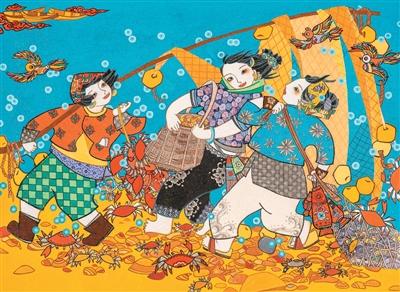
Core Viewpoint - The "New Life · New Style · New Year Painting" art exhibition showcases 302 traditional and contemporary New Year paintings, reflecting the vibrant changes in modern Chinese society and culture during the Spring Festival [2][4][9]. Group 1: Event Overview - The exhibition is organized by multiple cultural and artistic institutions and aims to present a rich artistic experience filled with cultural significance during the Spring Festival [2]. - A total of 7,000 artworks were submitted, marking a historical high, from which 302 were selected for display based on their artistic and thematic qualities [5][9]. - The event features both online and offline activities, enhancing accessibility and engagement for a wider audience [4][6]. Group 2: Artistic Themes and Styles - The exhibition is divided into four thematic sections: "Welcoming Spring with Horses," "Happy Songs of Happiness," "Abundant Harvest," and "Beautiful Future," showcasing a variety of styles and subjects [7]. - Many artworks incorporate traditional elements while also reflecting contemporary life, such as the themes of prosperity and happiness, as seen in pieces like "Fish Full Warehouse" and "Rushing to the Sea on the Golden Sands" [7][8]. - The integration of modern themes, such as technology and rural development, is evident in works like "Urban-Rural Intelligent Creation" and "Digital Ancient Village," highlighting the fusion of tradition and modernity [8]. Group 3: Audience Engagement and Experience - The exhibition has upgraded its presentation methods by incorporating digital and interactive elements, allowing visitors to engage more deeply with the artworks [6]. - Features such as digital guides and interactive zones enhance the viewer's experience, making the art more accessible and engaging [6]. - The event aims to bring traditional cultural resources to grassroots communities, promoting cultural innovation and revitalization [9].

马年说马
Ren Min Ri Bao· 2026-02-17 03:05
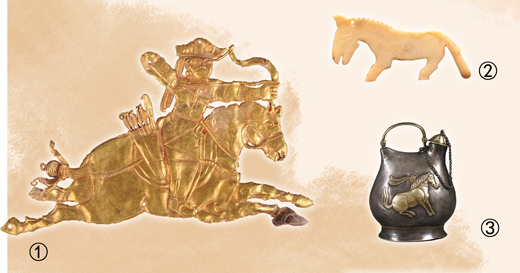
Group 1 - The article discusses the historical significance of horses in human civilization, highlighting their evolution from prey to domesticated companions and symbols of power and culture [9][10][12] - It emphasizes the transformation of horses from being a food source to becoming essential tools for transportation, warfare, and status symbols in various ancient cultures [10][11][12] - The narrative includes archaeological findings that illustrate the domestication of horses and their integration into human society, particularly in ancient China [10][11][12] Group 2 - The article details the peak of horse culture during the Tang Dynasty, where horses were not only used for military purposes but also became symbols of luxury and social status [13] - It notes the decline of horse significance in military contexts during the Ming and Qing Dynasties, leading to a shift in their cultural representation [13] - The article concludes by reflecting on the enduring cultural symbolism of horses, particularly in the context of the Lunar New Year celebrations and traditional art forms [34][35]
马年说马丨马的新年画
Xin Lang Cai Jing· 2026-02-14 10:19
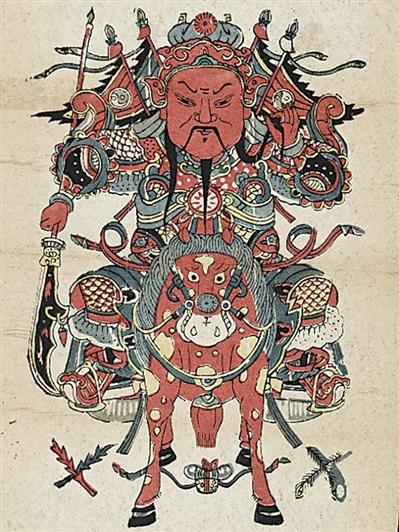
Core Viewpoint - The article discusses the evolution of traditional Chinese New Year paintings, particularly focusing on the representation of horses, and highlights the integration of modern technology and aesthetics in creating new artworks while preserving cultural heritage [2][3]. Group 1: Traditional Elements - Horses are a common motif in traditional woodblock New Year paintings, symbolizing auspiciousness and protection [2]. - Various regional styles, such as Yangliuqing and Taohuawu, incorporate horses to convey wishes for success and academic achievement [2]. - In Hebei's Wuqiao paintings, horses often accompany deities, serving as guardians of homes and bringers of good fortune [2]. Group 2: Modern Adaptations - The term "new year painting" has emerged as traditional experiences and dissemination methods evolve, with contemporary artists reinterpreting traditional elements through collage and redesign [2]. - Generative artificial intelligence has lowered the barriers for creating new year paintings, allowing for the generation of digital images based on traditional styles [2]. - The integration of modern technology with traditional art forms highlights the ongoing relevance and creative potential of these cultural symbols [3]. Group 3: Value of Traditional Craftsmanship - Despite the rise of digital media, the tactile qualities and craftsmanship of physical New Year paintings remain invaluable, as they embody a sense of time and authenticity that screens cannot replicate [3]. - The continued appreciation for New Year paintings signifies the enduring cultural significance and the importance of preserving this intangible heritage [3].