数字现金

Search documents
从数字现金升级为数字存款货币 数字人民币存款利息如何计算(政策解读)
Ren Min Ri Bao· 2026-01-18 22:05
Core Viewpoint - The upgrade of the digital renminbi to version 2.0, effective from January 1, transforms it from digital cash to digital deposit currency, allowing users to earn interest on their wallet balances [1][2]. Group 1: User Impact - The most direct change for individual users is that the balance in their digital renminbi wallets can now earn interest, calculated at the prevailing savings rate for real-name wallets [2]. - Interest will be credited quarterly on specific dates, and users can check their interest amounts through the digital renminbi application [2]. - Only real-name wallets (categories one, two, and three) will earn interest, while category four wallets will not [3]. Group 2: Security and Advantages - Digital renminbi balances are covered by the deposit insurance system, providing the same level of security as traditional bank deposits [4]. - The digital renminbi incorporates advanced digital technology, allowing for secure transactions and the use of smart contracts [4]. - The dual-layer operational framework ensures that digital renminbi is integrated into the banking system without disrupting traditional banking operations [6]. Group 3: Operational Framework - The new digital renminbi framework aims to meet the evolving needs of the digital economy and enhance the management and service capabilities of the digital currency [5][6]. - The digital renminbi will be included in the banks' balance sheets, allowing banks to manage these assets effectively [6]. - The operational structure clarifies the responsibilities and rights of the institutions involved, promoting financial stability [6]. Group 4: Adoption and Usage - As of now, there are 230 million personal digital renminbi wallets opened, indicating significant user adoption [8]. - The digital renminbi is designed to function as a modern digital payment and circulation method, compatible with distributed ledger technology [8]. - By the end of 2025, the trial regions are expected to have processed transactions amounting to 19.5 trillion yuan, with a significant portion of cross-border payments conducted in digital renminbi [8].

数字人民币开始生息 年利率0.05% 工、农、中、建等大行集体公告
2 1 Shi Ji Jing Ji Bao Dao· 2026-01-04 02:51
Core Viewpoint - The digital renminbi has transitioned from a "digital cash era" to a "digital deposit currency era," with the launch of the upgraded version 2.0 of the digital renminbi App, which will start paying interest on real-name wallet balances from January 1, 2026 [1][9]. Group 1: Digital Renminbi App Upgrade - The digital renminbi App has undergone 54 iterations since its launch in January 2022, focusing on enhancing user experience [1]. - The significant change in version 2.0 is the introduction of interest payments on real-name wallet balances, which will be calculated based on the current deposit rates of designated operating institutions [1][9]. Group 2: Interest Payment Mechanism - Interest will only be paid on real-name digital renminbi wallets, with the current interest rate set at 0.05% [1][8]. - Users can check their interest details in the App after the quarterly interest settlement dates, which are March 20, June 20, September 20, and December 20 [2][8]. Group 3: Wallet Classification and Compliance - Digital renminbi wallets are classified based on customer identity verification strength, with different types having varying transaction limits and requirements [8]. - Non-real-name wallets (fourth category) will not earn interest due to the inability to verify account ownership accurately [9]. Group 4: Implications for Banking and Financial System - The transition to a digital deposit currency signifies a shift from central bank liabilities to commercial bank liabilities, integrating digital renminbi into the deposit insurance framework [9][11]. - This change allows commercial banks to manage digital renminbi deposits actively, creating a sustainable market promotion mechanism and enabling the offering of traditional financial products [12][13]. Group 5: Future Prospects - Analysts suggest that the ability to earn interest on digital renminbi will encourage banks to innovate in asset management and enhance their operational incentives [12]. - The digital renminbi's integration into the traditional monetary framework provides new policy tools for the central bank, facilitating precise monetary policy implementation [13].

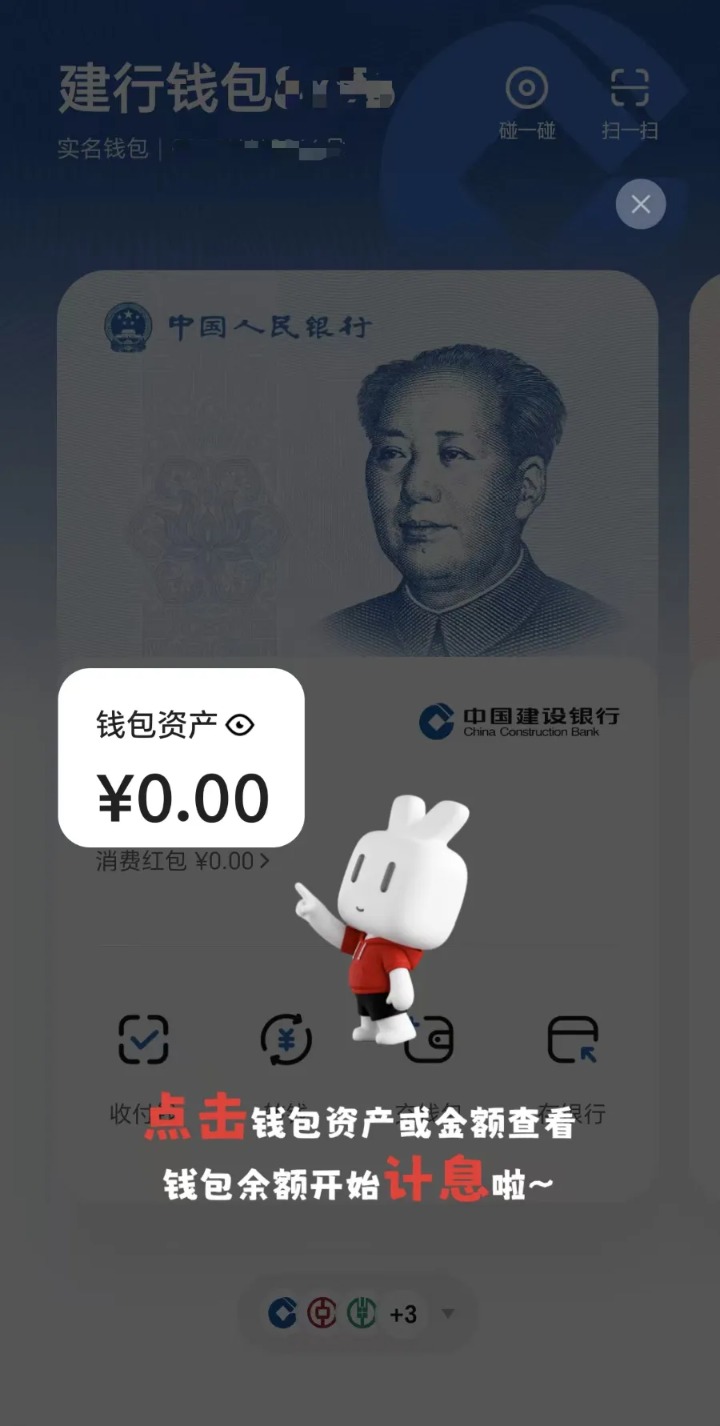
你的数字人民币生息了! App适配功能已上线 未来还能买理财
2 1 Shi Ji Jing Ji Bao Dao· 2026-01-04 02:37
Core Viewpoint - The digital renminbi is transitioning from a "digital cash era" to a "digital deposit currency era," allowing users to earn interest on their digital renminbi wallet balances starting January 1, 2026, with the potential to purchase traditional financial products using digital renminbi [1][10]. Group 1: Digital Renminbi Wallet and Interest - The digital renminbi app has been upgraded to version 2.0, enhancing user experience and introducing interest payments on real-name wallet balances at the bank's current demand deposit rate, which is currently 0.05% [1][2][10]. - Interest will only be paid on real-name digital renminbi wallets, which are classified into four categories based on user identification strength, with only the first three categories eligible for interest [6][8]. - Users can check their interest details in the digital renminbi app after the quarterly interest settlement dates, which are March 20, June 20, September 20, and December 20 [2][16]. Group 2: Implications for Banking and Financial Products - The transition to a digital deposit currency means that digital renminbi will be treated as a liability of commercial banks, thus falling under deposit insurance protection and being included in the reserve requirement base [9][10]. - This change is expected to encourage commercial banks to innovate in asset management and create a sustainable market-driven promotion mechanism for digital renminbi [11][10]. - The digital renminbi's ability to earn interest addresses previous concerns about its lack of yield, making it more attractive to users and facilitating its integration into traditional financial systems [10][11]. Group 3: Regulatory and Operational Framework - The People's Bank of China is overseeing the digital renminbi's transition, ensuring compliance with anti-money laundering regulations and providing a framework for its integration into the existing banking system [9][10]. - The digital renminbi's new structure allows for better alignment with traditional banking operations, reducing compliance costs and enhancing the overall efficiency of the financial system [10][11].
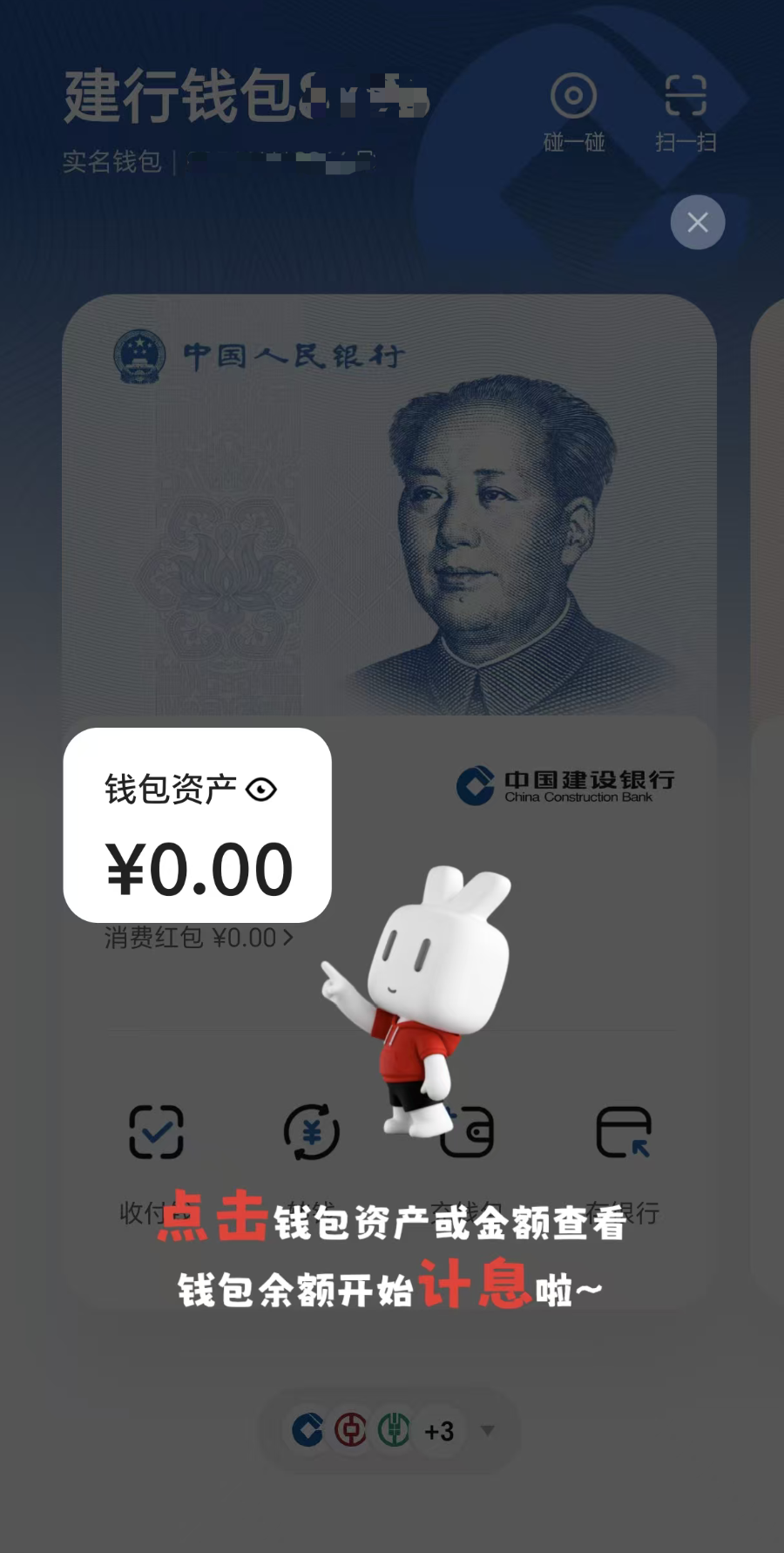
数字人民币开始生息,年利率0.05%,工、农、中、建等大行集体公告
21世纪经济报道· 2026-01-04 02:29
Core Viewpoint - The digital renminbi has transitioned from the "digital cash era" to the "digital deposit currency era," with the launch of the upgraded version 2.0 of the digital renminbi App, which will start paying interest on real-name wallet balances from January 1, 2026 [1][12]. Summary by Sections Digital Renminbi App Upgrade - The digital renminbi App has undergone 54 iterations since its launch in January 2022, focusing on enhancing user experience [1]. - The significant change in version 2.0 is the introduction of interest payments on real-name wallet balances starting January 1, 2026, based on the specified operational institution's current deposit interest rate [1]. Interest Payment Mechanism - Ten designated operational institutions, including major banks, will pay interest on real-name wallet balances at a current deposit rate of 0.05% [1]. - Users can check their interest details after each quarter's interest settlement date through the App [2][8]. Wallet Classification and Interest Eligibility - Only real-name digital renminbi wallets (categories one, two, and three) will earn interest, while non-real-name wallets (category four) will not [8][11]. - The classification of wallets is based on the strength of customer identity verification, affecting transaction limits and authentication methods [8]. Regulatory and Risk Management Considerations - The shift to interest-bearing real-name wallets aligns with anti-money laundering regulations and provides a basis for deposit insurance, reducing potential disputes over fund ownership [12]. - The transition signifies a move from central bank liabilities to commercial bank liabilities, integrating digital renminbi into the existing banking system and enhancing financial stability [12][15]. Future Implications for Commercial Banks - Commercial banks are expected to innovate more in asset management due to the new interest-bearing structure of digital renminbi [13][16]. - The digital renminbi will be treated as a regular deposit, allowing for the purchase of traditional financial products, thus creating a sustainable market promotion mechanism [16].