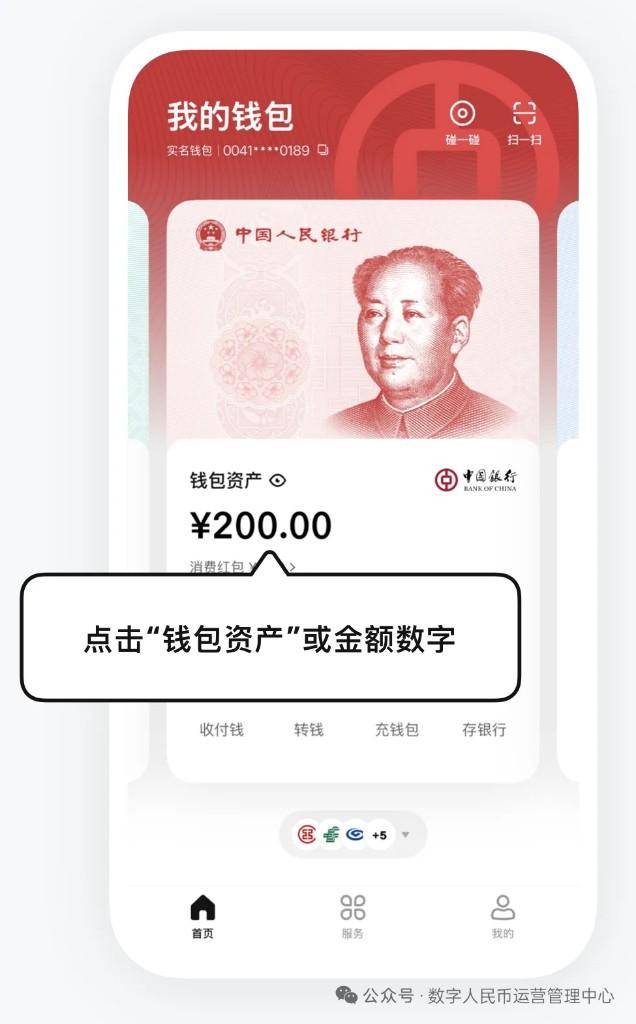
数字存款货币

Search documents
数字人民币存款利息如何计算?专家解答→
Sou Hu Cai Jing· 2026-01-18 23:26
Core Viewpoint - The digital renminbi has upgraded from a digital cash to a digital deposit currency, allowing users to earn interest on their wallet balances starting January 1 [1][2]. Group 1: User Impact - The most direct change for individual users is that the balance in their digital renminbi wallets can now earn interest [2]. - Interest on the balance will be calculated based on the current deposit rate, with quarterly settlement dates on March 20, June 20, September 20, and December 20 [2]. - Only authenticated wallets (Type 1, 2, and 3) will earn interest, while Type 4 wallets will not [3]. Group 2: Advantages of Digital Renminbi - Digital renminbi balances will be insured under the deposit insurance system, providing safety comparable to traditional bank deposits [4]. - The digital renminbi incorporates advanced digital technology, allowing for secure transactions and the use of smart contracts [4]. - The upgrade aims to enhance the digital renminbi's management efficiency and service capabilities, aligning with the digitalization trends in the economy [6]. Group 3: Changes for Commercial Banks - The transition to digital deposit currency will allow commercial banks to manage digital renminbi wallet balances as part of their asset-liability operations [7]. - This change is expected to clarify the responsibilities and rights of operating institutions, thereby maintaining financial stability [7]. - Digital renminbi will be included in the reserve requirement framework, ensuring that wallet balances are treated as bank liabilities [7]. Group 4: Digital Renminbi Ecosystem - As of now, the digital renminbi application has opened 230 million personal wallets, indicating a growing user base [8]. - The digital renminbi is designed to function within a modernized financial system, supporting various monetary functions and cross-border payments [8]. - By the end of 2025, pilot regions are expected to have processed transactions amounting to 19.5 trillion yuan, with a significant portion of cross-border payments conducted in digital renminbi [8].

从数字现金升级为数字存款货币 数字人民币存款利息如何计算(政策解读)
Ren Min Ri Bao· 2026-01-18 22:05
Core Viewpoint - The upgrade of the digital renminbi to version 2.0, effective from January 1, transforms it from digital cash to digital deposit currency, allowing users to earn interest on their wallet balances [1][2]. Group 1: User Impact - The most direct change for individual users is that the balance in their digital renminbi wallets can now earn interest, calculated at the prevailing savings rate for real-name wallets [2]. - Interest will be credited quarterly on specific dates, and users can check their interest amounts through the digital renminbi application [2]. - Only real-name wallets (categories one, two, and three) will earn interest, while category four wallets will not [3]. Group 2: Security and Advantages - Digital renminbi balances are covered by the deposit insurance system, providing the same level of security as traditional bank deposits [4]. - The digital renminbi incorporates advanced digital technology, allowing for secure transactions and the use of smart contracts [4]. - The dual-layer operational framework ensures that digital renminbi is integrated into the banking system without disrupting traditional banking operations [6]. Group 3: Operational Framework - The new digital renminbi framework aims to meet the evolving needs of the digital economy and enhance the management and service capabilities of the digital currency [5][6]. - The digital renminbi will be included in the banks' balance sheets, allowing banks to manage these assets effectively [6]. - The operational structure clarifies the responsibilities and rights of the institutions involved, promoting financial stability [6]. Group 4: Adoption and Usage - As of now, there are 230 million personal digital renminbi wallets opened, indicating significant user adoption [8]. - The digital renminbi is designed to function as a modern digital payment and circulation method, compatible with distributed ledger technology [8]. - By the end of 2025, the trial regions are expected to have processed transactions amounting to 19.5 trillion yuan, with a significant portion of cross-border payments conducted in digital renminbi [8].
数字人民币利息怎么算
Jing Ji Ri Bao· 2026-01-14 22:06
Core Viewpoint - The introduction of interest on digital renminbi marks the transition from "digital cash era" to "digital deposit currency era," with banks now able to utilize digital renminbi deposits as a funding source [1][2]. Group 1: Digital Renminbi Interest Calculation - Digital renminbi wallets can earn interest starting January 1, with interest calculation rules aligned with those of demand deposits, currently set at an interest rate of 0.05% [1]. - Interest is credited on specific dates: March 20, June 20, September 20, and December 20, and users can check their interest amounts in the digital renminbi app after these dates [1]. Group 2: Authentication and Product Development - Users must complete real-name authentication for their digital renminbi wallets to earn interest, as wallets opened with just a phone number cannot accurately verify account information [2]. - The digital deposit currency era is expected to motivate banks to develop more deposit, wealth management, and credit products around interest-bearing digital wallets, enhancing the "payment + finance" ecosystem [2]. Group 3: Security and Compliance - Commercial banks are responsible for the security of digital renminbi wallets, providing payment services and ensuring compliance with anti-money laundering regulations, with deposits insured up to 500,000 yuan [3]. - Non-bank payment institutions must convert customer digital renminbi into their bank deposits, adhering to 100% digital renminbi reserve requirements to ensure safety [3].
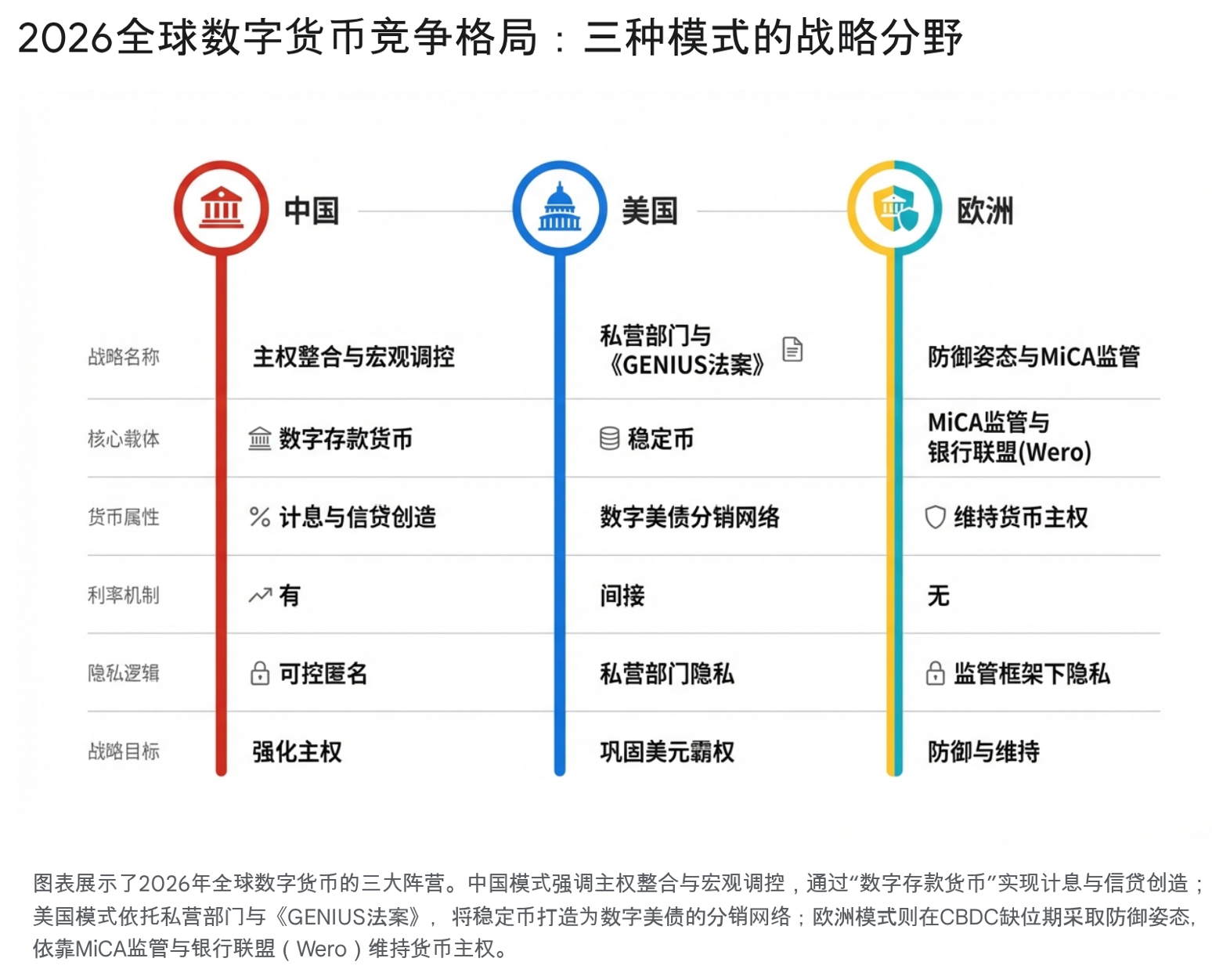
2026全球数字货币新格局:三极分化与秩序重构丨未来实验室
Di Yi Cai Jing· 2026-01-12 12:40
Core Viewpoint - The global monetary financial system has entered a new phase of "triple differentiation" as of January 2026, driven by the implementation of China's digital yuan (e-CNY), the U.S. GENIUS Act, and Europe's defensive alliances, marking a shift from mere payment efficiency improvements to a profound restructuring of the post-World War II Bretton Woods system [1] Group 1: China's Paradigm - The new digital yuan framework effective from January 1, 2026, signifies an expansion of monetary banking theory, transitioning from "M0 replacement" to a more financially expansive "digital deposit currency" paradigm [4] - The new framework introduces a dual balance sheet structure, where e-CNY balances are legally defined as commercial bank liabilities, allowing digital currency to participate in the fractional reserve system and enabling banks to use e-CNY as a stable source of liabilities for credit issuance [5] - The introduction of a market-based interest rate mechanism allows commercial banks to pay interest on e-CNY wallets, transforming e-CNY into a high-liquidity interest-bearing asset, enhancing its appeal for global trade partners seeking asset preservation [6] Group 2: U.S. Strategy - The U.S. GENIUS Act establishes a unique digital currency strategy by abandoning retail CBDC development and instead regulating private digital currencies to serve as digital extensions of U.S. dollar hegemony [8] - The Act mandates that compliant digital currencies maintain a 1:1 liquidity asset reserve, effectively converting global demand for liquidity into a rigid demand for U.S. Treasury securities, creating a decentralized "digital treasury bond" distribution network [8][9] - The U.S. retains control through stringent regulations on centralized issuers, allowing for immediate and irreversible actions against specific blockchain addresses, enhancing its regulatory reach [9] Group 3: Europe's Dilemma - Europe is in a defensive phase, delaying the digital euro until 2029 due to privacy concerns and legislative challenges, adopting a mixed strategy of regulatory barriers and banking alliances [10] - The MiCA regulation establishes strict localization requirements for digital currencies, driving out non-compliant offshore entities while creating space for compliant institutions [10] - The digital euro's legislative focus has shifted towards a conservative "offline-first" principle, limiting its programmability and online compatibility, while public debates continue regarding the necessity of a robust public digital euro [11] Group 4: Core Variables Reshaping Competition - Interest rate competition is emerging as a key variable, with the introduction of interest-bearing e-CNY challenging the traditional dominance of non-interest-bearing digital dollars [12] - Infrastructure is critical, with China's mBridge creating a decentralized network that bypasses traditional SWIFT structures, while the U.S. attempts to upgrade existing systems [12] - The rise of smart contracts is leading to a contest over the definition of rules, with China promoting state-defined codes and the U.S. favoring private sector standards [12] Conclusion - The year 2026 marks a significant differentiation in global digital currencies, where currency transcends mere value measurement to become an extension of state will, necessitating adaptation to these profound changes for future survival and development [13]

不止计付利息,数字人民币还有这些隐藏技能!
Sou Hu Cai Jing· 2026-01-07 17:42
Core Viewpoint - The digital renminbi is transitioning from a "digital cash" era to a "digital deposit currency" era, starting from January 1, 2026, when wallet balances will begin to earn interest like demand deposits [1][3]. Group 1: Definition and Characteristics - Digital renminbi is a digital form of legal currency issued by the People's Bank of China, equivalent to physical renminbi, and has value characteristics and legal tender status [3]. - The 2.0 version of digital renminbi represents a significant upgrade, functioning as "digital demand deposits" [3]. - Digital renminbi differs fundamentally from virtual currencies, as it is backed by national credit, while virtual currencies are decentralized and lack stable value [3]. Group 2: Benefits for Consumers - The upgrade of digital renminbi offers benefits in three main areas: "interest," "convenience," and "security" [5]. - Wallet balances can earn interest at the bank's demand deposit rate, enhancing the willingness of users to hold digital renminbi [5]. - The "dual offline payment" feature allows transactions without internet access, facilitating convenient payments [5]. - A "visual hard wallet" has been introduced for the elderly, simplifying the payment process with a physical card that displays balance and payment codes [5]. - Digital renminbi wallets with balances up to 500,000 yuan are protected by deposit insurance, ensuring security comparable to bank deposits [5]. Group 3: Regulatory and Social Implications - Digital renminbi adheres to the principle of "small amount anonymity, large amount traceability," which aids in combating fraud, money laundering, tax evasion, and terrorist financing [6]. - It complements existing payment systems like WeChat and Alipay, creating a collaborative ecosystem rather than a zero-sum game [8]. - Digital renminbi is expected to create a "catalyst effect" in the payment landscape, encouraging a return to the essence of service and potentially leading to new business models [8]. Group 4: National Significance - The digital renminbi has significant strategic implications for the country, including ensuring financial security and maintaining payment system functionality in extreme situations [9]. - It promotes the internationalization of the renminbi, facilitating easier settlement and clearing in international transactions [9]. - As the first major economy to position central bank digital currency as interest-bearing deposit currency, China strengthens its global leadership and rule-making authority in this area [9]. - It enhances regulatory capabilities to combat illegal activities such as money laundering and tax evasion through high traceability [9]. - The digital renminbi also supports inclusive finance by providing basic financial services to unbanked populations, contributing to common prosperity [9].
升级的数字人民币,有什么不一样?
Sou Hu Cai Jing· 2026-01-06 20:13
Core Viewpoint - The digital renminbi is transitioning from a "digital cash" era to a "digital deposit currency" era, starting from January 1, 2026, when wallet balances will begin to earn interest like demand deposits [1][3]. Group 1: Digital Renminbi Overview - Digital renminbi is a digital form of legal currency issued by the People's Bank of China, equivalent to physical renminbi, and has value characteristics and legal tender status [3]. - The upgrade from version 1.0 to version 2.0 signifies a leap in functionality, allowing digital renminbi to serve as "digital demand deposits" [3]. Group 2: Benefits for Consumers - The upgrade enhances consumer convenience in three main aspects: "benefit," "convenience," and "security" [5]. - "Benefit" refers to the ability of real-name digital renminbi wallets to earn interest at the bank's demand deposit rate, increasing user willingness to hold digital renminbi [5]. - "Convenience" includes features like "dual offline payment," enabling transactions without internet access through NFC technology [5]. - "Security" is highlighted by the deposit insurance protection for amounts up to 500,000 yuan, equating the safety level to that of bank deposits [5]. Group 3: Regulatory and Strategic Significance - Digital renminbi adheres to the principle of "small amount anonymity, large amount traceability," addressing public needs while enhancing regulatory capabilities against fraud and money laundering [6]. - It is positioned not as a competitor but as a complementary tool to existing payment platforms like WeChat and Alipay, potentially leading to new business models [6][7]. - From a national perspective, digital renminbi has significant strategic implications, including ensuring financial security, promoting the internationalization of the renminbi, enhancing regulatory capabilities, and fostering inclusive finance [8].
升级的数字人民币有什么不一样
Xin Lang Cai Jing· 2026-01-06 18:32
Core Viewpoint - The digital renminbi will start accruing interest on wallet balances as of January 1, 2026, marking a significant transition from "digital cash" to "digital deposit currency" after over a decade of development and trials [1]. Group 1: What is Digital Renminbi - Digital renminbi is a digital form of legal currency issued by the People's Bank of China, equivalent to physical renminbi, and backed by state credit [1]. - The upgrade from version 1.0 to version 2.0 signifies a leap in functionality, transforming it from "digital cash" to "digital demand deposits" [1]. - Digital renminbi fundamentally differs from virtual currencies, as it is a state-backed legal tender, while virtual currencies are decentralized and highly volatile [1]. Group 2: Benefits for Consumers - The upgrade enhances consumer experience through three main aspects: "interest," "convenience," and "security" [2]. - "Interest" refers to the ability of real-name digital renminbi wallet balances to earn interest at the bank's demand deposit rate, increasing user willingness to hold digital renminbi [2]. - "Convenience" includes features like "dual offline payment," allowing transactions without internet access via NFC technology [2]. - "Security" is highlighted by the fact that wallet balances up to 500,000 yuan are insured, matching the safety level of bank deposits [2]. - The "smart contract" feature of digital renminbi can effectively protect consumer interests in prepaid scenarios [2]. - Digital renminbi adheres to the principle of "small anonymous, large traceable," catering to public needs while supporting regulatory requirements [2]. Group 3: Strategic Significance at the National Level - Digital renminbi holds significant strategic importance for the country, ensuring financial security and maintaining payment system functionality in extreme situations [3][4]. - It promotes the internationalization of the renminbi, facilitating easier settlement and clearing in international transactions [3][4]. - As the first major economy to position central bank digital currency as interest-bearing deposit currency, China strengthens its leading role and influence in global digital currency regulations [3][4]. - It enhances regulatory capabilities to combat money laundering and tax evasion through high traceability [4]. - Digital renminbi fosters inclusive finance, providing basic financial services to unbanked populations, contributing to common prosperity [4].
热点追踪|升级的数字人民币,有什么不一样?
Sou Hu Cai Jing· 2026-01-06 09:38
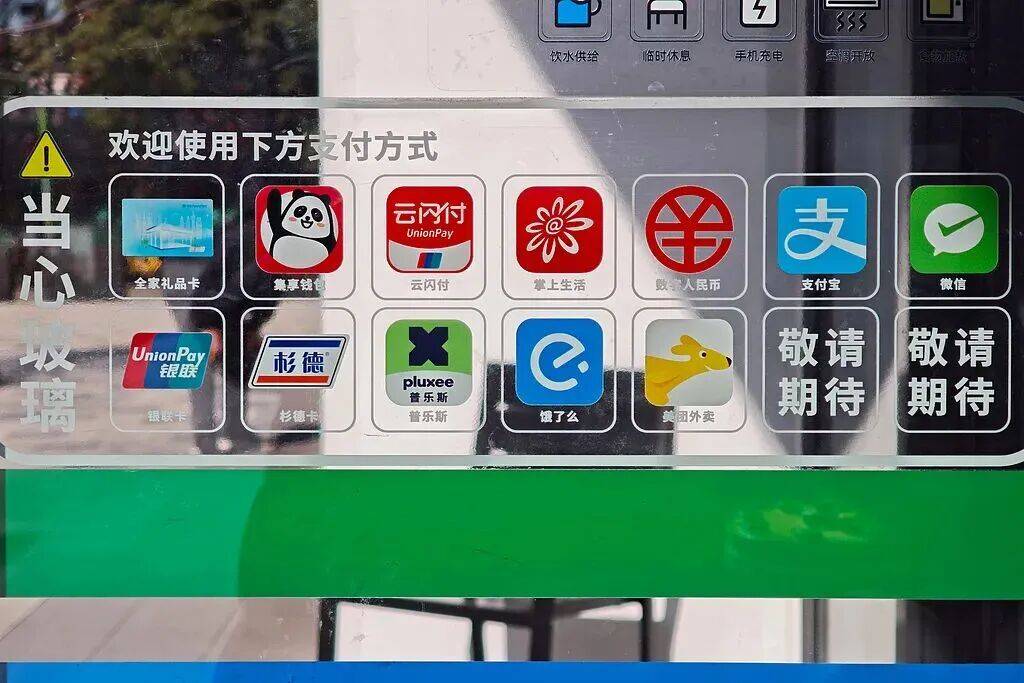
Core Viewpoint - The digital renminbi will start accruing interest like a demand deposit from January 1, 2026, marking a significant transition from "digital cash" to "digital deposit currency" after over a decade of research and trials [1][3]. Group 1: Digital Renminbi Overview - Digital renminbi is a digital form of legal currency issued by the People's Bank of China, equivalent to physical renminbi, and has value characteristics and legal tender status [3]. - The upgrade from version 1.0 to version 2.0 signifies a leap in functionality, transforming digital renminbi from merely a digital cash tool to a digital demand deposit [3]. Group 2: Benefits for Consumers - The upgrade brings several conveniences to daily life, categorized into "benefits," "convenience," and "security" [5]. - "Benefits" include the ability for real-name digital renminbi wallet balances to earn interest at bank demand deposit rates, enhancing user willingness to hold digital renminbi [6]. - "Convenience" refers to features like "dual offline payment," allowing transactions without internet access through NFC technology [6]. - "Security" is highlighted by the protection of wallet funds up to 500,000 yuan under deposit insurance, equating its safety level to that of bank deposits [6]. Group 3: Integration with Existing Payment Systems - Digital renminbi is not in a zero-sum competition with WeChat and Alipay but rather complements them, creating a coexisting ecosystem where digital renminbi acts as "money" and these platforms serve as "wallets" [7]. - The integration of digital renminbi into existing payment options on platforms like WeChat and Alipay reflects a trend towards collaborative development in the payment landscape [7]. Group 4: National Significance - From a national perspective, digital renminbi holds strategic importance in four key areas: ensuring financial security, promoting the internationalization of the renminbi, enhancing regulatory capabilities, and fostering inclusive finance [8]. - The ability to maintain a functioning payment system under extreme conditions is crucial for national financial security [8]. - The digital renminbi's role in international transactions will facilitate the global reach of the renminbi, reinforcing China's leadership in central bank digital currency [8].
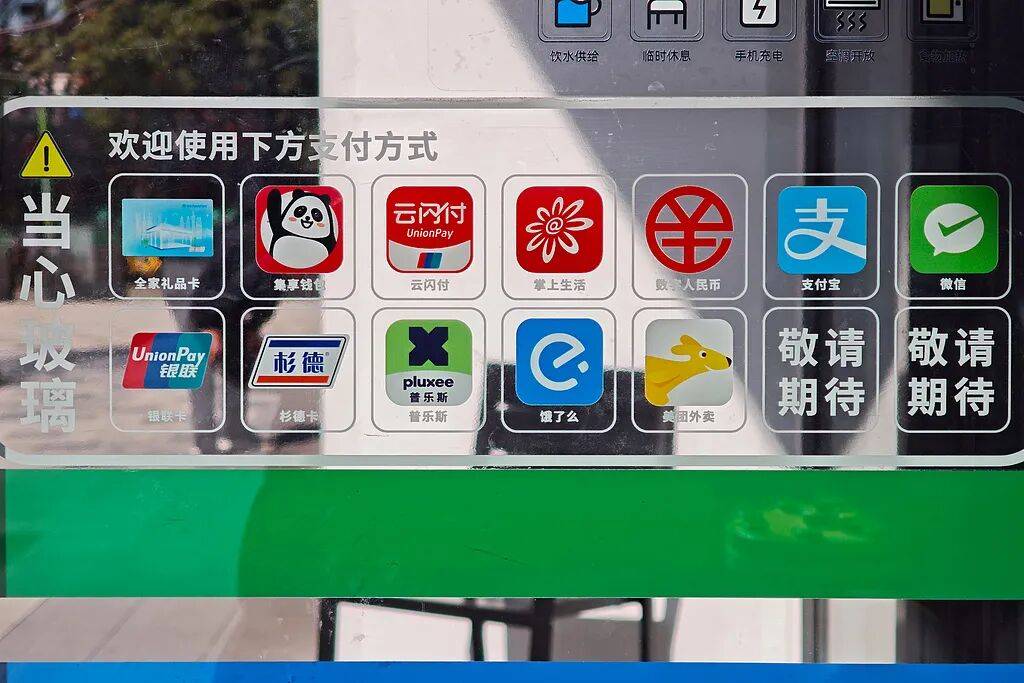
数字人民币APP升级 2.0时代场景扩展受关注
Zhong Guo Jing Ying Bao· 2026-01-05 12:36
Core Viewpoint - The digital renminbi is transitioning from a "digital cash" phase to a "digital deposit currency" phase, with significant upgrades in its management and operational framework as outlined in the recent action plan by the central bank [1][2]. Group 1: Transition to Digital Deposit Currency - The digital renminbi was initially designed as M0 digital cash, focusing on payment functions without interest payments, which limited user motivation for long-term holding [2]. - The introduction of an interest payment mechanism for digital renminbi wallets allows these assets to be included in commercial banks' balance sheets, aligning banks' responsibilities with potential revenue generation [2][3]. - The digital renminbi's wallet balance will now be treated similarly to traditional bank deposits, providing the same level of safety and regulatory compliance [3]. Group 2: Operational Enhancements and User Engagement - The digital renminbi app has undergone 54 iterations since its launch in January 2022, with the latest version 2.0 released on January 2, 2026 [1]. - As of November 2025, the digital renminbi has processed 3.48 billion transactions, amounting to 16.7 trillion yuan, indicating significant user engagement and transaction volume [3]. - The app will now calculate interest on wallet balances based on the prevailing interest rates, with quarterly interest payments scheduled for March 20, June 20, September 20, and December 20 [4][5]. Group 3: Technological and Regulatory Framework - The digital renminbi employs blockchain and distributed ledger technology while maintaining key regulatory features such as traceability and compliance with anti-money laundering laws [3][6]. - The action plan allows banks to manage digital renminbi wallet balances as part of their asset-liability operations, enhancing the overall financial ecosystem [4]. - The central bank is actively promoting the use of digital renminbi in various sectors, including retail, transportation, and government services, to broaden its application [5][6].
开始计息!数字人民币App迎来2.0版本
Sou Hu Cai Jing· 2026-01-05 04:46
Core Insights - The digital renminbi has transitioned from the "digital cash era" to the "digital deposit currency era" with the launch of the upgraded version 2.0 of the digital renminbi App [1] Group 1: Digital Renminbi App Features - Starting from January 1, 2026, the balance in the real-name digital renminbi wallet will earn interest based on the current deposit rate, with interest details available for users to view quarterly [1] - The updated App has optimized the wallet interface design and introduced personalized skin features [3] - The digital renminbi App serves as the primary platform for individual users to manage their digital renminbi assets, aggregating wallet access from various operating institutions for unified management [4]