
整村运营

Search documents
(新春见闻)太平湖畔,渔火映红“太平年”
Zhong Guo Xin Wen Wang· 2026-02-27 04:55
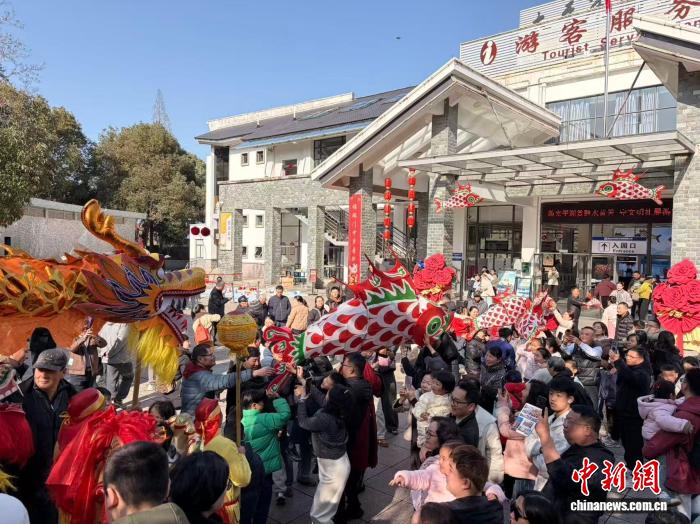
Core Viewpoint - The article highlights the transformation of Tai Ping Lake from a water conservancy project to a thriving tourism destination, attracting visitors with local culture, cuisine, and recreational activities during the Spring Festival. Group 1: Tourism Development - Tai Ping Lake is strategically located between popular tourist attractions such as Jiuhua Mountain and Huangshan, making it an appealing destination for visitors during the Spring Festival [1] - The area features various cultural performances, including dragon dances and fish lantern shows, which draw large crowds [3] - The local economy benefits from the influx of tourists, with restaurants specializing in local fish dishes experiencing high customer volumes during holidays [3] Group 2: Local Business Adaptation - Local businesses, such as restaurants and homestays, have adapted to the tourism boom, with one restaurant owner reporting a significant increase in customer traffic during holidays [3] - A local homestay owner, who transitioned from fishing to tourism, has expanded his accommodations to cater to visitors, particularly fishing enthusiasts from nearby regions [5] - The rise of social media has enabled local residents to promote their hometown, leading to a surge in entrepreneurship among returning workers who convert their homes into various types of homestays [5] Group 3: Historical Context and Future Opportunities - Tai Ping Lake was originally constructed as a reservoir in the 1950s and has since evolved into a key player in the local tourism industry [7] - The lake's transformation has provided new opportunities for local residents, who are now engaging in activities such as boat tours, fishing, and water sports [7] - The ongoing development of infrastructure, such as the Chi-Huang High-Speed Railway, further enhances the connectivity of Tai Ping Lake with other tourist sites, promoting a comprehensive travel experience [7]

(新春走基层)运营“头雁”的破局:从“单点招商”到“全域运营”的乡村转型之路
Zhong Guo Xin Wen Wang· 2026-02-17 08:31
Core Viewpoint - The article discusses the transition from "single-point investment" to "whole-village operation" in rural revitalization, highlighting the need for integrated management and diverse business models to enhance sustainability and community benefits [1][3][9]. Group 1: Transition in Rural Management - The concept of "whole-village operation" is introduced as a solution to the limitations of "single-point investment" in rural areas, emphasizing the importance of cohesive management across various business types [3][4]. - The shift in focus from individual village demonstrations to interconnected village operations is part of Shanghai's "14th Five-Year Plan," aiming to create a more integrated rural experience for visitors [3][4]. Group 2: Case Study of Dongfeng Village - Dongfeng Village, located in Shanghai's Pudong New District, faced challenges such as high congestion and a lack of cohesive economic activity, prompting the need for a comprehensive operational strategy [4][5]. - A social enterprise, Lian Nong Xiang Tou, was engaged to implement a whole-village operation model, which involved assessing and planning the utilization of idle resources within the village [4][5]. Group 3: Operational Strategy and Community Benefits - The operational team revised the initial planning to ensure that different areas of the village were designated for specific activities, such as cafes and cultural spaces, enhancing the overall visitor experience [5][6]. - The agreement between the village leadership and the operational team emphasizes shared revenue models, ensuring that the village community benefits from the operations through fixed fees and profit-sharing [6][7]. Group 4: Community Services and Sustainability - A community dining service was established, providing affordable meals for elderly residents, utilizing locally grown produce that might otherwise go unsold [7]. - The introduction of a third-party service provider for "smart living services" aims to address various needs of the elderly, enhancing their quality of life and ensuring community support [7][9]. Group 5: Future Outlook - The article concludes with the perspective that villages like Dongfeng, adjacent to industrial areas, have the potential to become valuable assets if managed with a sustainable and professional operational framework [9]. - The focus is on gradual improvement and long-term sustainability rather than rapid changes, with the goal of maintaining a comfortable living environment for residents [9].
不止诗和远方!奉贤李窑村玩出圈,美妆城让“上海制造”变沉浸式体验
Guo Ji Jin Rong Bao· 2025-11-24 02:45
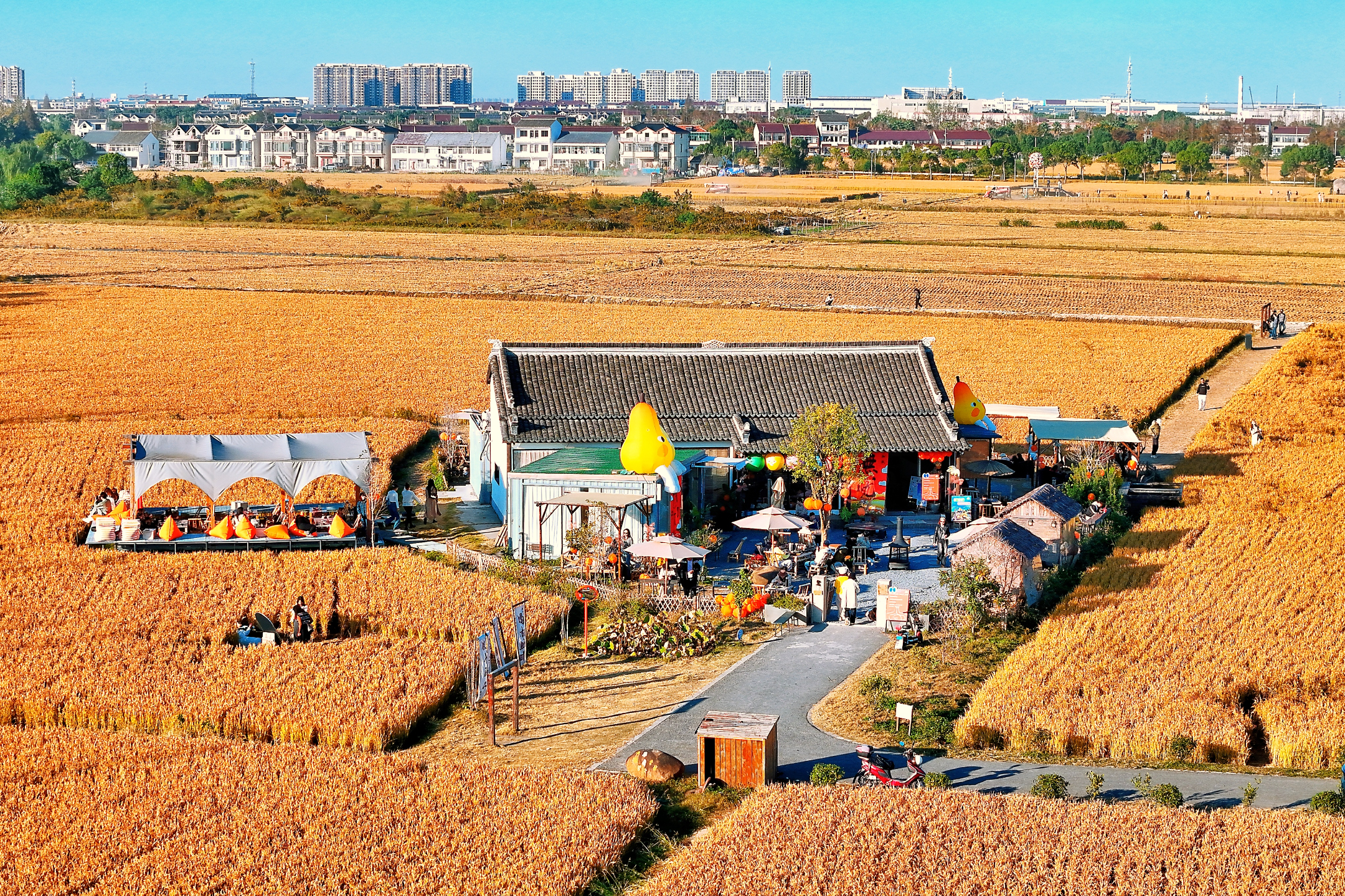
Core Insights - The article highlights the development and transformation of Fengxian District in Shanghai, focusing on its strategic goals and the successful implementation of rural revitalization projects, particularly in Li Yao Village and the Natural Hall Future Beauty City [2][20]. Group 1: Li Yao Village Development - Li Yao Village has leveraged its unique geographical advantages and resources to implement a "whole village operation" strategy, enhancing living conditions and infrastructure to support rural tourism [5][6]. - The village has attracted 48 diverse cultural and tourism businesses, achieving a nearly 90% rental rate for properties, and has established a merchant alliance to support local entrepreneurs [6][19]. - Notable attractions include the "Wuyou Xian Yuan" café, which generated an annual revenue of 4 million yuan in 2024, and various dining and cultural experiences that cater to visitors [11][19]. Group 2: Natural Hall Future Beauty City - The Natural Hall Future Beauty City, integrated into the Natural Hall Group's production base, spans 161 acres with a total construction area of 127,000 square meters, featuring 68 production lines with an annual capacity exceeding 400 million products [25][29]. - The project aims to transform production lines into immersive experience spaces, merging industrial strength with cultural appeal, and facilitating direct consumer engagement [25][30]. - The facility incorporates advanced technologies such as a digital twin system for inventory management and sustainable practices, including solar energy utilization and wastewater recycling, aligning with ESG principles [29][30].
首届苏州农村集体存量资产对接会举行
Su Zhou Ri Bao· 2025-06-18 21:47
Group 1 - The core viewpoint of the article highlights the transformation of rural areas in Suzhou, particularly the shift from traditional crab farming to ecological agriculture and rural tourism, resulting in significant income growth for villages [1] - The annual income of the village collective has increased from 5 million to nearly 10 million yuan, and rental income for houses has surged from 20,000 to a maximum of 150,000 yuan, with an average annual visitor count exceeding 1 million [1] - Suzhou has launched an upgraded rural collective asset trading platform and established a whole-village operation alliance to inject market-driven momentum into rural revitalization [1] Group 2 - The event showcased 10 characteristic villages, each with unique cultural and culinary offerings, aimed at attracting more participants in whole-village operations [2] - The initiative aims to provide more diverse and open channels for rural collective asset transactions, allowing greater public engagement in revitalizing rural assets [2] - The goal is to have 30 villages engaged in whole-village operations by 2027, promoting comprehensive planning and development to convert rural resource advantages into economic benefits [2]