文化+餐饮

Search documents
广州2026年元旦假期人气旺消费热
Zhong Guo Xin Wen Wang· 2026-01-04 07:56
Group 1 - Guangzhou's retail sales during the New Year holiday increased by 15.7% year-on-year, with significant growth in key business districts [1] - Sales of beverages, communication equipment, cosmetics, and clothing saw remarkable year-on-year increases of 110%, 85.6%, 55.4%, and 18.9% respectively, while the catering industry also grew by 18.9% [1] - The city launched a consumption subsidy policy covering 203 categories of products, including home appliances and digital smart products, which stimulated consumer spending through multiple discounts [1] Group 2 - The Tianhe Road business district attracted over 2.7 million visitors from January 1 to 3, marking a 25.4% increase year-on-year, with the Zhengjia Plaza achieving a record high of over 280,000 visitors on New Year's Day, a 47% increase [1] - The Lingnan Impression Garden's "Lingnan Lantern Festival" showcased cultural performances, enhancing the night economy in Guangzhou [2] - The Guangzhou Restaurant Wenchang flagship store reopened with a focus on cultural heritage, showcasing Cantonese cuisine and achieving impressive turnover rates during the holiday [2]
“逛展+干饭”成新风尚 四川博物院食堂圈粉游客
Sou Hu Cai Jing· 2025-11-22 15:00
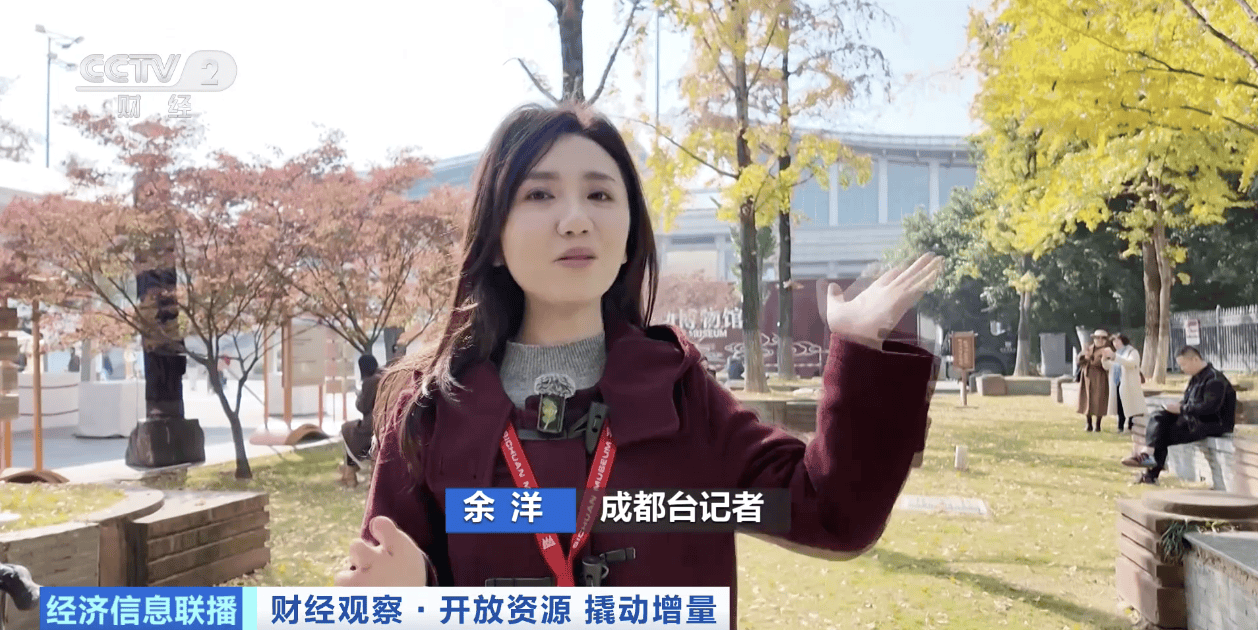
Core Viewpoint - The integration of "culture + dining" in museums, particularly in Sichuan Museum, has gained popularity among visitors, enhancing their overall experience and addressing dining needs after exhibitions [1][9]. Group 1: Visitor Experience - Sichuan Museum has introduced a convenient dining area, allowing visitors to enjoy local cuisine after their tours, which was previously limited to snacks like bread [3][9]. - The dining center features over 60 types of dishes, with prices ranging from 3 yuan to a maximum of 12 yuan, making it accessible for a wide range of visitors [5][9]. - The dining experience not only caters to tourists but also serves as a community dining space for local residents, enhancing its role in the community [7][9]. Group 2: Cultural Integration - The dining offerings incorporate elements from the museum's rich collection, such as East Han cultural motifs in the design of pastries and other food items [11]. - The center has evolved into a multi-functional space combining small dishes, creative tea drinks, and reading areas, attracting 600 to 800 visitors daily, with peak times exceeding 800 [11]. - This shift from a traditional museum experience to a more interactive and engaging environment promotes a holistic cultural service model, moving from "one-way output" to "multi-dimensional interaction" [11][13].

微光暖城 北京文旅人带来温情答卷
Bei Jing Ri Bao Ke Hu Duan· 2025-06-30 22:15
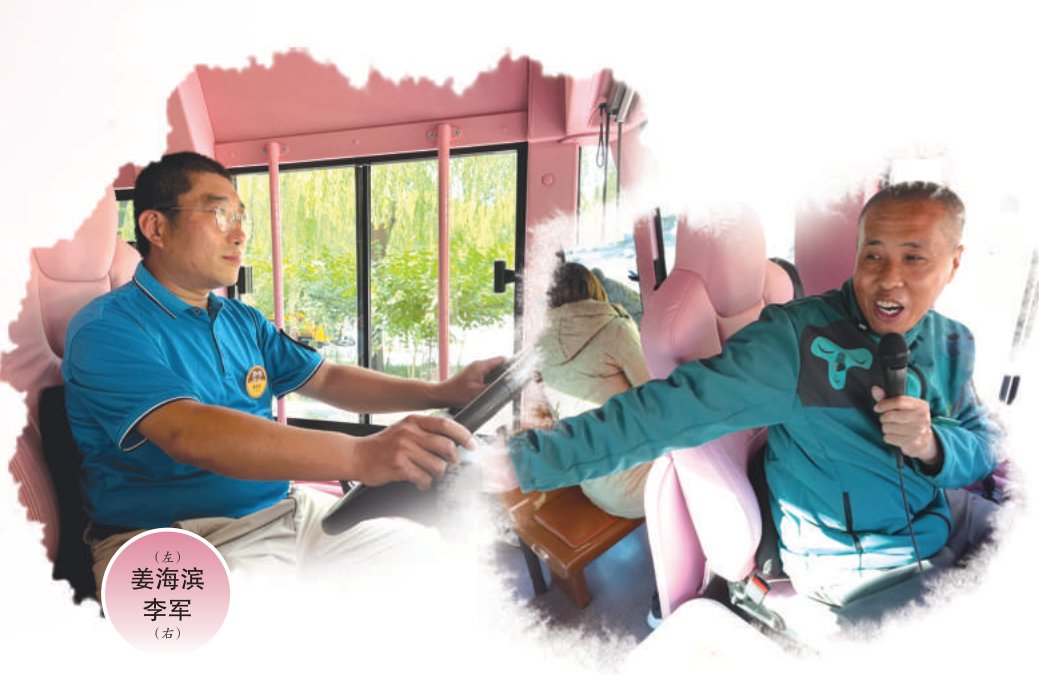
Group 1: Tourism and Cultural Services in Beijing - The article highlights the dedication of tourism and cultural workers in Beijing, showcasing their efforts to enhance visitor experiences through engaging services and cultural storytelling [1][3][5] - Beijing Wildlife Park has upgraded its facilities and introduced a unique service model where drivers also serve as tour guides, enhancing the visitor experience with humor and knowledge [3][4] - The city is focusing on improving the quality of tourism services by training personnel and fostering collaboration between government and enterprises, leading to the emergence of excellent service teams [5] Group 2: Library and Volunteer Services - The Fengtai District Library exemplifies community engagement through volunteer services, extending hours and creating a comprehensive academic platform to enhance public reading experiences [8][9] - Volunteer projects led by library staff have significantly contributed to cultural promotion and community service, including initiatives for youth engagement and support for elderly readers [9][10] Group 3: Cultural Innovation and Heritage - The article discusses the innovative approaches in cultural transmission, such as the "City Culture Cycling" project initiated by Dou Junjie, which offers immersive experiences of Beijing's cultural landmarks [12][13][14] - The promotion of traditional arts, like the "Kuaiban" (a form of Chinese storytelling), is being revitalized through community workshops and public performances, ensuring the preservation of cultural heritage [17][18][19] Group 4: Culinary Arts and Cultural Exchange - Beijing Minzu Hotel is leveraging its culinary offerings to promote Chinese dim sum globally, with a focus on quality and cultural representation [20][22] - The hotel has developed a range of traditional snacks that have gained popularity, contributing to the brand's market presence and cultural exchange initiatives [22][23]