文化外交

Search documents
从北京的微火到米兰的绳结
Xin Lang Cai Jing· 2026-02-07 07:21
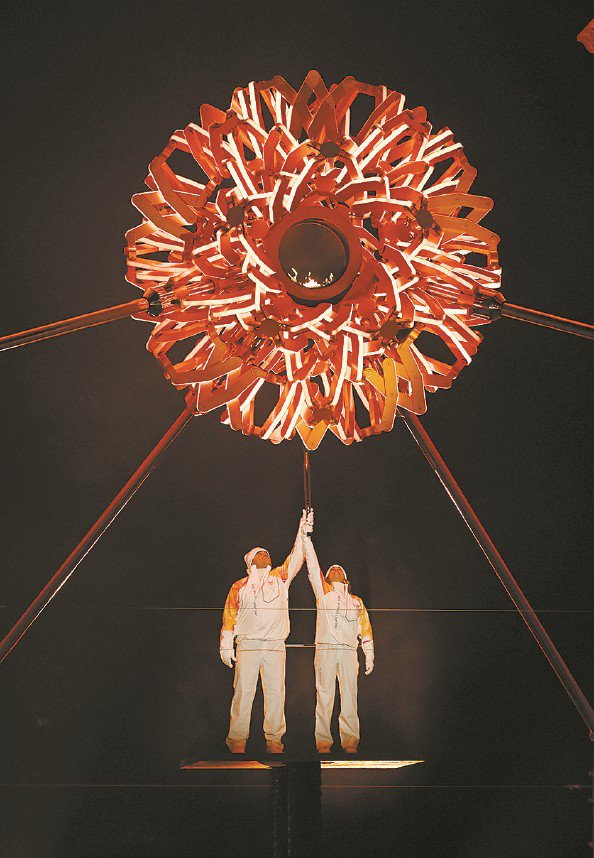
Core Perspective - The opening ceremonies of the Winter Olympics in Milan and Beijing illustrate the evolution of cultural diplomacy through sports, emphasizing that the beauty of sports transcends mere competition and embodies humanistic and philosophical values [4]. Group 1: Beijing Winter Olympics Opening Ceremony - The Beijing Winter Olympics opening ceremony showcased Chinese aesthetics, emphasizing themes of harmony and unity through cultural expressions, such as the imagery of "a snowflake" symbolizing global togetherness [3]. - The ceremony utilized minimalist storytelling to convey deep philosophical ideas, integrating concepts like "harmony in diversity" and "the unity of nature and humanity" into its various segments [3]. - The event was designed to reflect a confident and harmonious image of China, focusing on emotional resonance rather than grand displays [3]. Group 2: Milan-Cortina Winter Olympics Opening Ceremony - The Milan-Cortina opening ceremony adopted a narrative of "dispersal," symbolizing the coexistence of cities and nature, and highlighted Italy's human-centered Renaissance spirit [3]. - The use of Da Vinci's geometric knots in the ceremony connected classical wisdom with modern technology, showcasing Italy's inherent creativity [3]. - The ceremony emphasized the theme of "coexistence," with the Olympic flame being lit in two cities, representing a contemporary expression of respect for nature [3]. Group 3: Cultural Diplomacy and Olympic Spirit - Both ceremonies reflect the deeper essence of the Olympic spirit, where the beauty of sports is elevated to cultural and intellectual beauty, fostering emotional connections across borders [4]. - A successful opening ceremony serves as a multidimensional representation of a nation, encapsulating its historical, aesthetic, and intellectual depth into a shared emotional experience [4]. - The evolution of the Olympic opening ceremony into a form of high-level cultural diplomacy highlights the importance of storytelling that resonates with universal human emotions and concerns [4].

秦军出巡五十年:277次海外展览背后的文化外交
Xin Lang Cai Jing· 2026-01-17 03:19
Core Viewpoint - The book "Qin Army's Expedition: A Record of the Terracotta Army's Overseas Exhibitions" fills a gap in the systematic and contemporary research on the role of the Terracotta Army in cultural exchange, documenting its exhibitions from 1976 to 2024 and providing insights into the value of these artifacts and their impact on civilization exchange [1][5]. Group 1: Exhibition Documentation - The book records the entire process of 277 overseas exhibitions of the Terracotta Army, detailing the origins, preparations, and academic discussions associated with each exhibition, supported by 550 images [2]. - Notable moments include a visitor's emotional response in the Philippines in 1976 and a wheelchair-bound woman visiting the exhibition in Spain three times in 1991, highlighting the profound impact of these exhibitions on audiences [2]. Group 2: Cultural Impact - The book positions the Terracotta Army within the framework of a unified yet diverse Chinese civilization, emphasizing its significance in cultural diplomacy and the promotion of Chinese culture globally [3]. - The exhibitions have coincided with various cultural exchange events, generating significant interest and contributing to a "Chinese cultural fever" [3][4]. Group 3: Successful Exhibition Factors - Three key reasons for the success of the Terracotta Army exhibitions include high-level government attention, extensive media coverage, and the organization of academic conferences that enhance the cultural impact of the exhibitions [6][7]. - The exhibitions have been described as "cultural diplomacy" events, facilitating exchanges between different civilizations and promoting traditional Chinese culture [7].
明互鉴视野下的文物外展创新表达
Xin Lang Cai Jing· 2026-01-11 22:25
Core Viewpoint - The book "Qin Army's Expedition: A Record of the Terracotta Army's Overseas Exhibitions" fills a gap in the systematic and contemporary research on the role of the Terracotta Army in cultural exchange, documenting its exhibitions from 1976 to 2024 and highlighting its significance in promoting Chinese civilization globally [1][2]. Group 1: Exhibition Documentation - The book records the entire process of 277 overseas exhibitions of the Terracotta Army, detailing the origins, preparations, and academic discussions associated with each event, supported by 550 images [2]. - Notable moments include a visitor's emotional response in the Philippines in 1976 and a wheelchair-bound woman's multiple visits in Spain in 1991, showcasing the profound impact of these exhibitions on audiences [2]. Group 2: Cultural Impact - The book positions the Terracotta Army within the framework of a unified yet diverse Chinese civilization, emphasizing its unique charm and significance in cultural diplomacy [3]. - The exhibitions have coincided with various cultural exchange events, generating significant interest and contributing to a "Chinese cultural fever" worldwide [3][4]. Group 3: Successful Exhibition Strategies - Three key factors contributing to the success of the Terracotta Army exhibitions include: 1. High-level attention from foreign governments, exemplified by visits from leaders such as the Austrian President in 1985 and the Swedish King in 2010 [5][6]. 2. Extensive media coverage that amplified the exhibitions' reach, with significant attendance exceeding expectations, such as the 611,000 visitors in Liverpool in 2018 [6]. 3. The organization of academic conferences that enhanced the cultural influence of the Terracotta Army, further promoting its significance in cultural exchange [6].
专访丨科中妇女交流为两国关系注入人文力量——访科威特阿努德公主
Xin Hua She· 2025-10-11 06:09
Core Viewpoint - Cultural diplomacy and women's empowerment are key drivers in advancing Kuwait-China relations, with women's exchanges injecting cultural strength into bilateral ties [1][2]. Group 1: Historical Context - The history of Kuwait-China relations over the past 50 years highlights the positive role of cultural diplomacy and women's empowerment in building communication bridges between the two nations [2]. - Notable female figures, such as Loula Al-Ghattami, have played unique roles in fostering these connections, with visits to China that included meetings with prominent Chinese leaders [2]. Group 2: Women's Role in Development - Women are not only participants in social development but also important ambassadors of cross-cultural exchange, as evidenced by the activities of Kuwaiti women's cultural associations and volunteer organizations [4]. - The 1995 World Conference on Women established a significant framework for promoting gender equality globally, influencing policies and leading to important resolutions by the United Nations [4]. Group 3: Current Issues and Future Potential - Concerns were raised regarding the plight of women and children in conflict zones, particularly in Gaza, emphasizing the need for international protection and humanitarian aid [4]. - Kuwaiti women are increasingly becoming vital forces in economic and social development, actively participating in various sectors traditionally dominated by men [4]. - There is significant potential for cooperation between Kuwait and China in women's affairs, with Kuwait establishing "Kuwait Women's Day" and China showcasing the contributions of women in technology and pandemic response [5]. Group 4: Future Initiatives - The Kuwait-China Friendship Club, set to be established in 2025, aims to strengthen ties through cultural, educational, health, and youth exchange activities [5]. - The club will promote cultural exchanges, including arts performances and exhibitions, and seeks to encourage more Kuwaiti women's groups to engage with China [5].
“世世太平——近现代中国画大师精品展”亮相北京
Xin Hua Wang· 2025-09-13 01:42
Core Viewpoint - The "World Peace - Exhibition of Masterpieces of Modern Chinese Painting" showcases 30 art pieces from 22 renowned Chinese painters, emphasizing cultural exchange and public cultural development in Haidian District, Beijing [1][2]. Group 1: Exhibition Details - The exhibition features significant works such as Qi Baishi's "World Peace," Xu Beihong's "Portrait of Jiang Biwei," and others, highlighting masterpieces in Chinese art history [2]. - The exhibition is designed to integrate with the "Three Mountains and Five Gardens" culture, using classic color schemes and design elements inspired by traditional windows from the Summer Palace [2]. - The exhibition will run until December 16 [3]. Group 2: Cultural Significance - The event is part of a broader initiative by the Haidian District Cultural and Tourism Bureau and China Foreign Cultural Group to enhance public cultural services and promote traditional Chinese culture [2]. - The "Three Mountains and Five Gardens Cultural Art Center" aims to be a hub for research, display, education, and exchange of Chinese traditional culture, contributing to the cultural landscape of Haidian District [2].
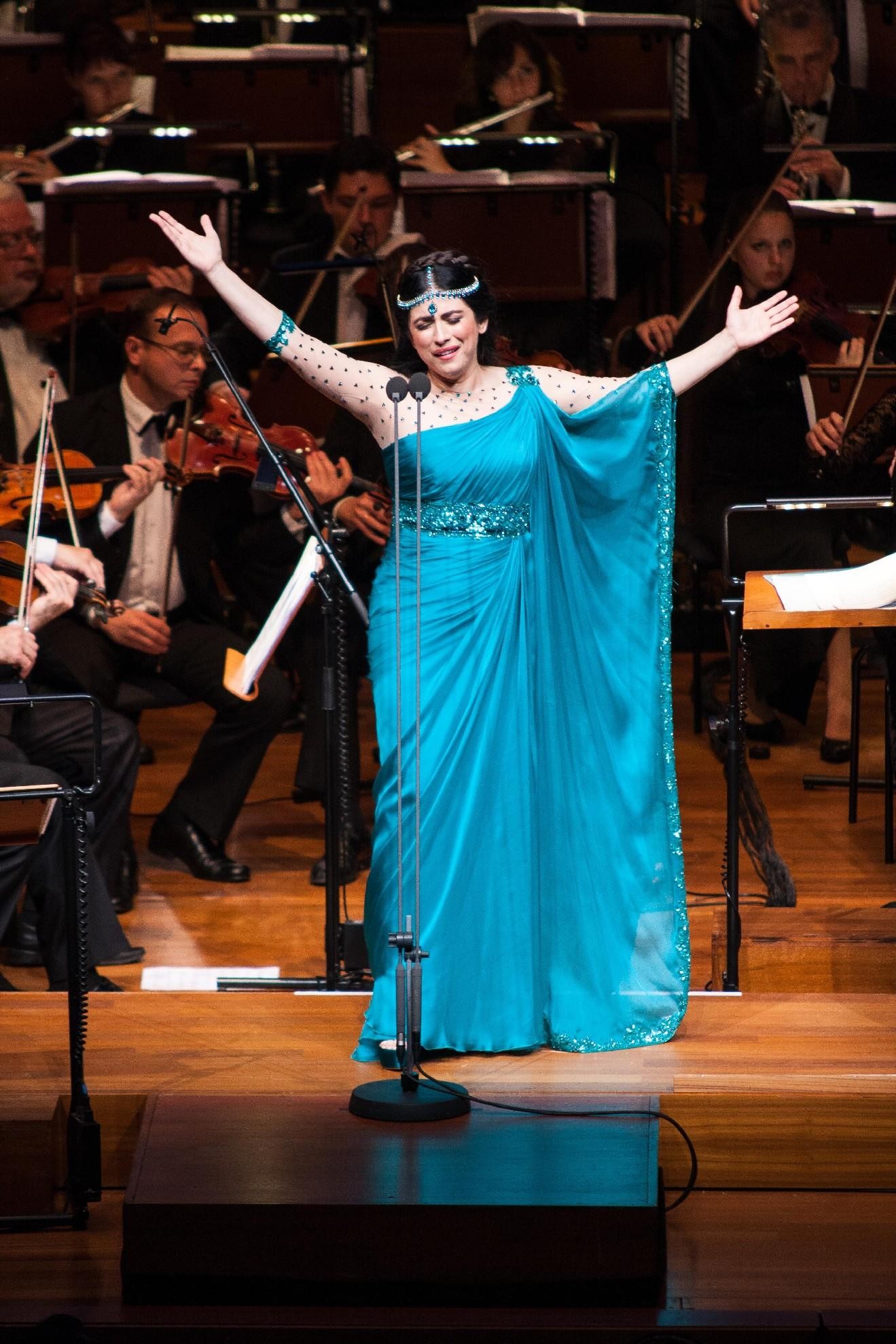
“期待黎中音乐人开展更多交流对话”
人民网-国际频道 原创稿· 2025-05-07 02:30
Core Viewpoint - The establishment of the Lebanese National Higher Music Institute, funded by China, symbolizes the importance of cultural exchange and friendship between China and Lebanon [1][5]. Group 1: Project Overview - The project is located in Beirut and is the first complete aid project from the Chinese government to Lebanon, covering an area of approximately 26,588 square meters [5]. - Key facilities include a concert hall with a capacity of 1,200 and a comprehensive teaching building for the music institute, which includes a smaller concert hall with 350 seats [5]. - The project is designed with elements inspired by the ocean, bubbles, beaches, and music, embodying the concept of "The Symphony of Music and the Sea" [5]. - As of now, the project is approximately 82% complete, having started in 2020, but is currently undergoing reassessment due to the impacts of war [5]. Group 2: Cultural Significance - The project is seen as a cultural bond that strengthens the relationship between China and Lebanon, enhancing Lebanon's cultural education infrastructure and promoting mutual understanding [5]. - The Lebanese government places high importance on cultural arts, and the music institute is expected to receive more funding to support music diplomacy and economic activities [4]. - The director, Heba Kawas, emphasizes that music is a universal language and expresses the desire for future collaborations, including Chinese language education and Peking opera studies [7]. Group 3: Leadership and Vision - Heba Kawas, a prominent conductor and composer, has been leading the music institute since 2020, focusing on its recovery and development [4]. - She highlights the need for talent, education, patience, and resilience in music, noting that losing a musician could take decades to replace [4]. - The project is viewed as a means to create a more positive and approachable image for Lebanon during its ongoing reconstruction [4].