
文化生态保护区建设

Search documents
一座“没有屋顶的博物馆”如何炼成?
Xin Lang Cai Jing· 2025-12-20 11:52
Core Perspective - The "Hui Yun Liu Fang" National Cultural Ecological Protection Area exchange and display event highlights the achievements in the protection of Huizhou culture and emphasizes the dialogue on how intangible cultural heritage can be integrated into daily life [1][2]. Group 1: Cultural Protection and Development - The Huizhou Cultural Ecological Protection Area, established in December 2019, is the first cross-provincial national cultural ecological protection area in China, encompassing regions in Anhui and Jiangxi provinces [2]. - The protection area currently includes 5 items of human intangible cultural heritage, 26 national-level representative projects, and over 2,600 intangible cultural heritage inheritors, along with 2 World Cultural Heritage sites and 341 traditional Chinese villages [2]. - The approach to cultural protection has evolved from a single project focus to constructing an overall cultural ecological system, integrating heritage into contemporary life through community and educational initiatives [2][3]. Group 2: Community and Social Engagement - The event gathered various associations, enterprises, and volunteers to discuss the safeguarding and innovation of intangible cultural heritage, showcasing a collaborative approach to cultural preservation [5]. - Initial cooperation agreements were reached between Huizhou's intangible cultural heritage projects and ten well-known scenic spots, focusing on regular performances, craft workshops, and co-development of cultural products [5]. - The establishment of the first batch of "Intangible Cultural Heritage Aesthetic Consumption Spaces" in Anhui demonstrates how traditional aesthetics can be integrated into modern consumer contexts [5]. Group 3: Market Integration and Innovation - The "Hui Brand" serves as a model for the commercialization of intangible cultural heritage, transforming traditional wood carving designs into contemporary products and connecting with modern lifestyles [8]. - The Cao Family Residence in Shexian County utilizes a "minimal intervention" principle to revitalize historical buildings, incorporating Huizhou opera and folk songs into experiential activities [8]. - The vitality of the Huizhou Cultural Ecological Protection Area is reflected in market-driven practices that break traditional boundaries and foster innovation [8]. Group 4: Future Directions - The focus will be on enhancing the Huizhou Cultural Ecological Protection Area by creating distinctive cultural streets and villages, and promoting cultural festivals to spread local heritage domestically and internationally [11]. - The government aims to encourage social participation through policy support and platform development, allowing various stakeholders to become guardians and creators of Huizhou culture [11]. - The transition from government-led initiatives to community co-creation signifies a shift towards dynamic heritage transmission, exploring the integration of cultural protection with contemporary development [11].

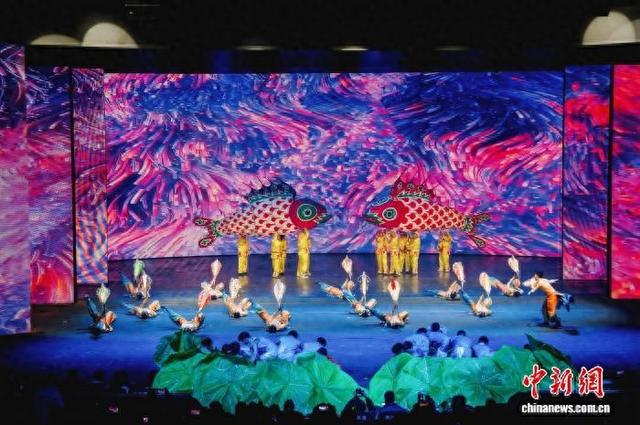
全域保护 融合发展
Ren Min Ri Bao· 2025-10-27 22:38
Core Points - The Jinzhong Cultural Ecological Protection Zone has been designated as a national-level cultural ecological protection area, encompassing 19 counties in Jinzhong, Taiyuan, and Lüliang cities by June 2025 [1] - The protection zone features a unique cultural landscape characterized by a "cultural farming belt," "Jin merchant cultural corridor," "dialect art zone," and "festival cultural circle" [1] - The initiative emphasizes a human-centered approach, focusing on holistic and dynamic protection of the cultural ecosystem that nurtures intangible cultural heritage [1] Summary by Categories Cultural Heritage - The area is rich in intangible cultural heritage, including traditional vinegar and wine brewing, the spirit of integrity from the ancient Jin merchant roads, and the art of flower dough made by local mothers [1] - These cultural elements are closely tied to the daily lives of local residents, reflecting diverse wisdom, aesthetics, and emotions from different eras [1] Development Strategies - The protection zone aims to explore integrated development paths such as "intangible cultural heritage + tourism," "intangible cultural heritage + industry," and "intangible cultural heritage + rural revitalization" [1] - The ongoing efforts in the protection zone are leading to a harmonious coexistence of historical relics, diverse intangible cultural heritage projects, and a beautiful ecological environment [1] Ecological and Cultural Integration - The initiative promotes a multi-faceted cultural ecology in Jinzhong, revitalizing the area with new vibrancy through the integration of cultural and ecological elements [1]
为文化生态保护区注入新能量
Jing Ji Ri Bao· 2025-07-21 22:14
Core Points - The establishment of national cultural ecological protection zones aims to protect intangible cultural heritage as a holistic practice, integrating cultural and natural ecosystems [1][2] - These protection zones enhance the integration of culture and tourism, creating vibrant regional development opportunities and attracting tourists through immersive cultural experiences [2] - Challenges remain in balancing cultural protection with economic development, raising public awareness, and cultivating professional talent for cultural preservation [3] Summary by Sections Cultural Ecological Protection Zones - Recent additions to the list of national cultural ecological protection zones include Hakka Culture (Western Fujian), Wuling Mountain Area (Southwestern Hubei) Tujia and Miao Culture, and Jinzhong Cultural Ecological Protection Zone, among others [1] - The approach shifts from protecting individual intangible cultural heritage projects to a comprehensive system that includes the cultural and ecological environment [1] Economic and Tourism Development - Cultural ecological protection zones serve as quality destinations for cultural tourism, leveraging unique cultural resources and natural beauty to attract visitors [2] - The Jinzhong Cultural Ecological Protection Zone has developed various cultural tourism products based on its rich historical heritage, significantly boosting local tourism and economy [2] Challenges and Future Directions - The construction of cultural ecological protection zones faces challenges such as the need to balance cultural preservation with economic growth and to engage the younger generation in cultural transmission [3] - Effective cultural protection requires active participation from the community, particularly the youth, to ensure that cultural heritage remains a living practice rather than a static display [3]