
酒

Search documents
单霁翔:习酒持续投身公益,将良好企业形象注入酒里
新浪财经· 2026-03-25 09:46
Group 1 - The core viewpoint of the article emphasizes that Xijiu Group is committed to public welfare, which enhances its corporate image and integrates this positive perception into its products [2] Group 2 - The article highlights the ongoing efforts of Xijiu Group in social responsibility initiatives, showcasing its dedication to community support and development [2] - It mentions the strategic importance of maintaining a good corporate image in the competitive liquor industry, which can lead to increased consumer trust and brand loyalty [2]


税事秒懂丨日常消费购物是否需要缴纳消费税?
蓝色柳林财税室· 2026-03-14 02:29
Group 1 - The article discusses the categories of goods subject to consumption tax in China, including non-essential items and high-energy or high-pollution products such as tobacco, alcohol, luxury cosmetics, and motor vehicles [5][12][18] - It explains that consumption tax is primarily paid by manufacturers, importers, and specific wholesale and retail enterprises, and is typically included in the product price, meaning consumers do not need to file separately [5][12] - The article outlines the criteria for whether a product is subject to consumption tax, such as the price thresholds for luxury cosmetics and the retail price for certain high-value items [5][12] Group 2 - The article highlights that certain industries, including tobacco manufacturing, real estate, and entertainment, are specifically mentioned in the context of consumption tax regulations [12][13] - It details the research and development (R&D) tax deduction policies, indicating that failed R&D activities do not qualify for tax deductions, while successful R&D expenses can be deducted [14][16][21] - The article specifies that companies with sound accounting practices and accurate expense tracking can benefit from R&D tax deductions, while certain activities, such as routine upgrades or market research, do not qualify [18][19][21]

叶歌观评:密集的商品展会还是我们需要的吗?
Sou Hu Cai Jing· 2026-02-28 03:56
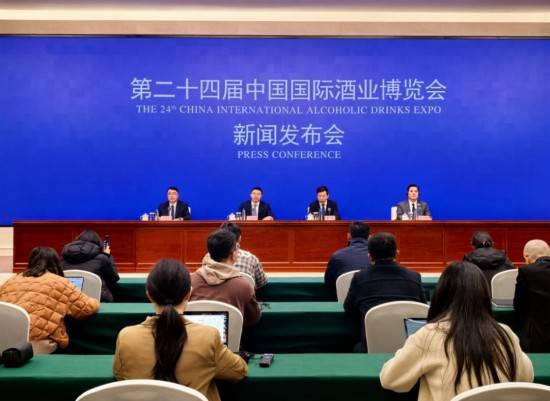
Group 1 - The 24th China International Wine Industry Expo will be held in Luzhou from March 19 to 22, 2026, featuring ten exhibition areas and 51 activities to showcase global core production techniques and ecological achievements [1] - The event will highlight the Langjiu Longma Winery consumer landmark project and the continued success of Luzhou Laojiao's "Jiao Master Festival" [1] Group 2 - The 114th National Sugar and Wine Products Trade Fair will take place from March 26 to 28 in Chengdu, with a month-long promotional activity called "Spring Sugar Season" [6] - The industry faces challenges in integrating traditional and modern exhibition methods in the context of advanced information technology, prompting a need for innovative approaches to meet the demands of consumers, businesses, and local economic development [8]
不止头孢 吃完这些药也不能喝酒
Yang Shi Xin Wen· 2026-02-27 22:38
Core Viewpoint - The article emphasizes the dangers of consuming alcohol while taking various medications, highlighting specific drug categories that can have severe adverse reactions when combined with alcohol. Group 1: Antibiotics - Most cephalosporin antibiotics contain a chemical structure similar to disulfiram, which can lead to disulfiram-like reactions when alcohol is consumed, resulting in symptoms such as facial flushing, nausea, and even death [2] - Other antibiotics that interact negatively with alcohol include fluoroquinolones (e.g., levofloxacin, moxifloxacin), macrolides (e.g., erythromycin), nitroimidazoles (e.g., metronidazole), nitrofuran derivatives (e.g., nitrofurantoin), antifungals (e.g., ketoconazole), antituberculars (e.g., isoniazid), and sulfonamides (e.g., trimethoprim-sulfamethoxazole) [3][4][5][6][7][8] Group 2: Non-Steroidal Anti-Inflammatory Drugs (NSAIDs) - NSAIDs such as acetaminophen, ibuprofen, and aspirin can increase liver toxicity and the risk of gastrointestinal bleeding when taken with alcohol [9][10] Group 3: Antidiabetic Medications - Alcohol can cause severe reactions when combined with antidiabetic drugs like insulin and metformin, leading to symptoms such as sweating, rapid heartbeat, and even coma [11][12] Group 4: Sedatives and Hypnotics - Alcohol accelerates the absorption of sedatives and hypnotics, enhancing their effects and potentially leading to serious consequences [13][14] Group 5: Antihypertensive Drugs - Consuming alcohol while on antihypertensive medications can lead to excessive vasodilation and a significant drop in blood pressure, increasing the risk of fainting [15] Group 6: General Recommendations - It is advised to avoid alcohol for three days after taking medication and to refrain from taking medication for seven days after drinking alcohol. Additionally, products containing alcohol, such as certain foods and medications, should also be avoided [17] - Specific drinking tips include eating before drinking, avoiding mixing different types of alcohol, limiting alcohol intake to a maximum of 15 grams per day, and staying hydrated [18][19][20]

春晚流量之王 DM CAFE:商业价值全解析,咖啡赛道的下一个风口
Jiang Nan Shi Bao· 2026-02-27 12:14
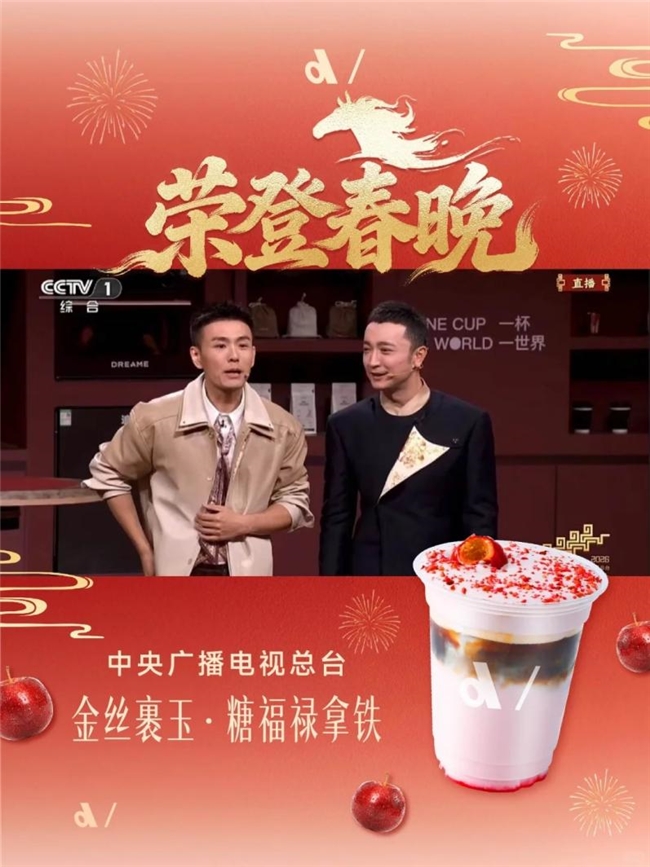
Core Insights - DM CAFE has emerged as a significant player in the Chinese coffee market, leveraging its unique positioning and innovative business model to stand out amidst intense competition and price wars [1][3] - The brand's participation in the Spring Festival Gala has elevated its visibility and credibility, allowing it to transition from a new brand to a potential national contender [1][3] Industry Overview - The Chinese coffee market is experiencing growth, but the era of widespread benefits is over, with increasing competition leading to a "low-price" battle among brands [3][5] - Despite the growth in per capita coffee consumption, it remains below the global average, indicating substantial room for development [3] DM CAFE's Business Model - DM CAFE targets the mid-price coffee segment, which is currently underserved, with an average transaction value around 80 yuan, focusing on high quality and strong customer experience [6][10] - The brand employs a profit-sharing model with franchisees, only taking a cut from profits, which fosters a collaborative relationship and reduces risks for franchisees [7][10] - DM CAFE has diversified its revenue streams through a "coffee + ecosystem + day-night bar" approach, enhancing profitability and resilience against market fluctuations [8][10] Store Design and Expansion Strategy - The company has introduced two store formats: quick-service stores for community and office areas, and flagship stores in prime locations, allowing for efficient scaling and brand presence [9][10] - This modular approach to store design supports standardized operations while lowering entry barriers for franchisees, facilitating rapid expansion [9] Long-term Investment Potential - DM CAFE's unique positioning in the mid-price coffee market presents a structural opportunity for profit and growth, appealing to investors seeking sustainable business models [10][11] - The brand's innovative profit-sharing model, diverse revenue sources, and technological integration position it favorably for long-term success in the competitive landscape [10][11] - DM CAFE's rise signifies a shift in the coffee industry towards innovation and value creation rather than mere price competition, making it an attractive investment opportunity [11]
甘肃成县:春潮涌动成州地 实干冲刺开门红
Zhong Guo Fa Zhan Wang· 2026-02-27 09:13
Group 1 - Gansu Cheng County is rapidly transitioning from holiday mode to work mode, focusing on resuming production and striving for a strong start in the new year [1] - Gansu Hongchuan Liquor Co., Ltd. has fully resumed production, aiming for a strong first quarter performance while ensuring production safety and product quality [1] - The company plans to refine its processes and actively explore markets to contribute to the county's economic development [1] Group 2 - Chengzhou Zinc Smelting Plant maintained a stable daily output of 290 tons during the Spring Festival, achieving a 100% grade rate for its main product [2] - The plant emphasizes equipment maintenance and efficient production management to ensure high-quality output [2] - The local walnut cooperative is processing over 50,000 walnut grafting branches to ensure high survival rates for grafting [2] Group 3 - The local government is focusing on modern industrialization, urbanization, and agricultural modernization, implementing various initiatives to enhance development momentum [3] - Investment in a drone training base in Cheng County is planned, with a budget of 13 million yuan, supported by favorable local policies [3] Group 4 - Cheng County is organizing an investment promotion conference to convert the influx of returning residents during the Spring Festival into investment projects, promoting 17 projects with a total investment of 2.358 billion yuan [4] - In the first quarter of 2026, 31 projects were signed with a total investment of 4.0818 billion yuan, including 14 projects from Fortune 500 companies [4] - The county is actively pursuing industrial economic growth and project development with a strong work ethic and determination [4]
工业旅游受热捧生产线变成风景线
Zhong Guo Zhi Liang Xin Wen Wang· 2026-02-27 03:06
Core Insights - Industrial tourism transforms consumers from passive recipients to active participants in the production process, enhancing trust in traditional brands like Dong'e Ejiao [1][2] - The authenticity of industrial tourism, as opposed to curated theme parks, allows visitors to connect with real historical narratives and technological evolution [2][3] - Innovative repurposing of industrial sites into cultural landmarks attracts younger audiences and revitalizes industrial heritage [3][4] Group 1: Industrial Tourism Appeal - Industrial tourism offers immersive experiences that reveal the craftsmanship and technological beauty behind products, making "Chinese manufacturing" tangible [2][3] - Visitors can engage in hands-on activities, such as traditional brewing or production processes, fostering a deeper understanding of the products [2][3] Group 2: Cultural and Historical Significance - Industrial heritage sites serve as unique cultural capital, showcasing the evolution of cities and industries, as seen in examples like the Ruhr area in Germany and Ironbridge Gorge in the UK [2] - The transformation of industrial sites into tourist attractions reflects a growing confidence and openness in China's industrial sector, allowing for a deeper appreciation of manufacturing history [4] Group 3: Future of Industrial Tourism - As more industrial sites become accessible, industrial tourism is expected to inject cultural vitality into cities and provide the public with greater insights into industrial processes [4] - The dialogue between the public and industry through tourism helps demystify technology and fosters a sense of shared industrial heritage [3][4]
贵州茅台在毕节成立销售公司
Mei Ri Jing Ji Xin Wen· 2026-02-24 07:01
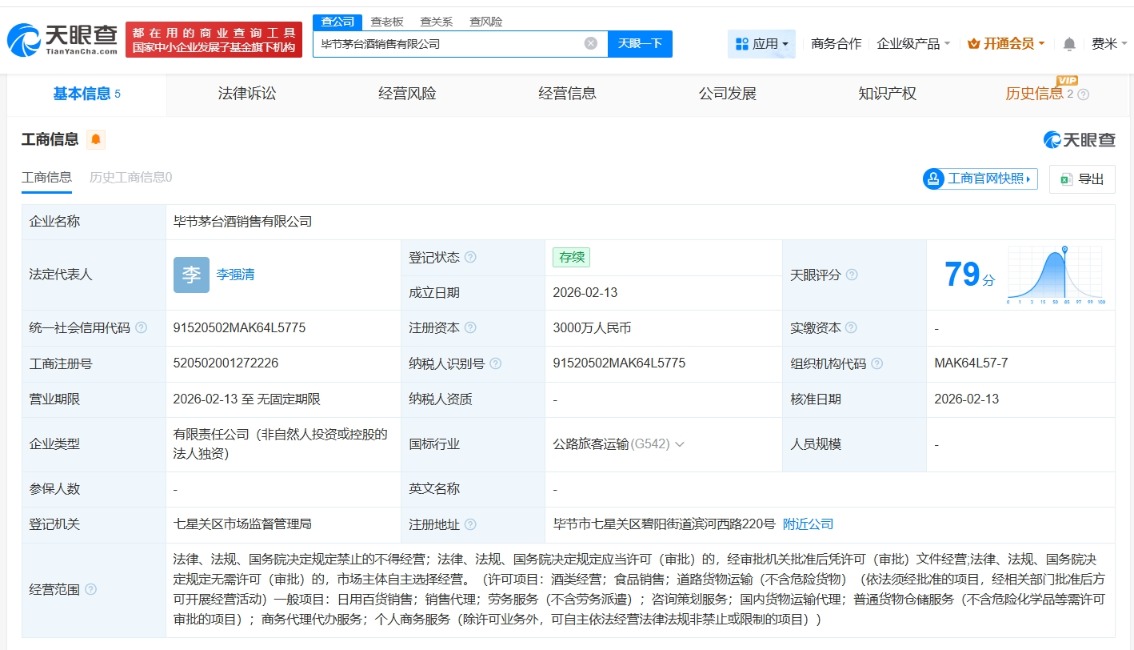
Core Insights - Bijie Moutai Wine Sales Co., Ltd. has been established with a registered capital of 30 million RMB, fully owned by Guizhou Moutai Wine Sales Co., Ltd. [1] Group 1: Company Information - The legal representative of Bijie Moutai Wine Sales Co., Ltd. is Li Qiangqing [1] - The company is registered with a capital of 30 million RMB and is involved in the sale of alcoholic beverages, food sales, and road cargo transportation [1] - The company is classified as a limited liability company and is registered under the jurisdiction of the Qixingguan District Market Supervision Administration [2] Group 2: Business Scope - The business scope includes the sale of alcoholic beverages, food sales, and road cargo transportation (excluding hazardous materials) [2] - The company is permitted to engage in various business activities, including daily necessities sales, sales agency, labor services (excluding labor dispatch), consulting and planning services, domestic cargo transportation agency, and ordinary cargo storage services [2]

中新健康|春节走亲戚,这几种食物千万别给孩子吃
Xin Lang Cai Jing· 2026-02-20 04:11
Core Viewpoint - The article highlights the potential dangers of certain foods for children during the Spring Festival, emphasizing the need for parents to be cautious about what they allow their children to consume [1][2]. Group 1: Alcohol and Alcohol-Containing Foods - Alcohol consumption in children can lead to acute alcohol poisoning, as their liver can only metabolize alcohol at one-third the rate of adults. Even a small amount, such as 50 milliliters of beer, can be harmful [3]. - There is no safe amount of alcohol for children, and foods containing alcohol, such as alcohol-infused candies and dishes, should be strictly avoided [3]. Group 2: Nuts - Nuts pose a choking hazard for children under five due to their hard texture and shape, which can easily lead to airway obstruction [4]. - If nuts are to be consumed, they should be prepared in small, manageable pieces, and children should be supervised to ensure they are sitting down while eating [4]. Group 3: Sticky Foods - Sticky foods like rice balls, glutinous rice cakes, and jelly can easily get stuck in a child's throat, leading to choking or intestinal blockage [5][6]. - It is advised that children under three years old should not consume these types of foods, and caregivers should ensure children chew thoroughly and avoid distractions while eating [6]. Group 4: Honey - Honey should not be given to infants under one year old due to the risk of botulism from bacteria that can thrive in their immature gut [7]. - Children over one year can consume honey in moderation, but parents should avoid giving them unverified wild honey [8]. Group 5: Ginkgo Nuts - Ginkgo nuts can cause food poisoning if consumed improperly, and their outer skin can cause skin irritation [9]. - It is recommended to remove the skin and thoroughly cook ginkgo nuts before consumption, with a limit of 15 nuts per day for adults and avoidance for children [10]. Group 6: Caffeinated Beverages - Caffeinated drinks like tea, coffee, and sodas can negatively impact children's nervous systems and sleep patterns, and they should be avoided [11]. - The best beverages for children and adolescents are plain water and milk, with a recommendation to limit the intake of functional and carbonated drinks [11]. Group 7: Pickled Foods - Pickled foods are high in salt and can strain children's kidneys, with excessive intake leading to health risks such as high sodium levels and potential cancer risks [12]. - It is advised that children avoid pickled foods, especially during festive occasions, to minimize health risks [13].
直通部委|市监总局约谈7家平台企业 三部门推动酿酒产业提质升级
Xin Lang Cai Jing· 2026-02-14 10:20
Group 1: Regulatory Actions - The State Administration for Market Regulation (SAMR) has summoned seven platform companies including Alibaba, Douyin, Baidu, Tencent, JD.com, Meituan, and Taobao Shanguo to enforce compliance with various laws and regulations, aiming to standardize promotional activities and eliminate "involution" competition [1] - The People's Bank of China and other financial regulatory bodies have issued guidelines to establish a regular financial support mechanism to prevent poverty and promote rural revitalization, focusing on optimizing small loans for impoverished populations and enhancing financial resources for underdeveloped areas [1] Group 2: Water Resource Management - The Pearl River Basin has dispatched nearly 9 billion cubic meters of water to ensure water supply for the Guangdong-Hong Kong-Macao Greater Bay Area, significantly improving the average flow rate at key monitoring stations [2] Group 3: Elevator Safety Standards - The National Market Supervision Administration is seeking public opinion on the draft of the "Elevator Safety Technical Regulations," which aims to enhance safety standards for elevators across their entire lifecycle, addressing issues like manufacturing quality control and maintenance management [3] Group 4: Renewable Energy Certificates - In January 2026, China issued 196 million green certificates related to renewable energy projects, with 151 million being tradable, indicating a significant increase in the development and utilization of renewable energy [4] Group 5: Tax Incentives for Agriculture - From January 1, 2026, to December 31, 2030, there will be a tax exemption on the import of seeds and military working dogs to enhance agricultural quality and competitiveness [5] Group 6: Wine Industry Development - The Ministry of Industry and Information Technology has released guidelines for the wine industry, aiming for significant improvements in product quality, brand reputation, and the establishment of large-scale production areas by 2030 [6] Group 7: Tea Industry Growth - The tea industry aims to reach a total scale of 1.5 trillion yuan by 2030, with significant growth in revenue from refined tea processing and the establishment of a modernized tea industry system [7]