
新寿险

Search documents
回归保障本源 向“新寿险”转型
Jin Rong Shi Bao· 2026-02-25 02:46
Group 1 - The core function of insurance is to provide compensation for losses and manage risks, with a focus on life insurance evolving to cover the entire life cycle, including personal pensions and long-term care insurance as key areas [1] - The insurance industry is encouraged to transition towards "new life insurance" by innovating products and services, integrating insurance with health services and wealth management, while emphasizing the importance of resource selection and service integration [1] - The insurance sector must align its core functions with societal needs and economic development, moving away from insular industry perspectives to better reflect public expectations and demands [1] Group 2 - Current challenges in the insurance industry include uneven coverage, particularly for new economy workers and emerging sectors, as well as a lack of depth in product design [2] - Recommendations for enhancing insurance functions include expanding coverage for underserved areas, optimizing product offerings focused on chronic disease management, upgrading service systems, and fostering collaborative ecosystems for inclusive insurance development [2] - The development of the insurance industry is seen as crucial for high-quality economic growth and addressing aging population challenges, with insurance uniquely positioned to serve both social security and economic stability [2] Group 3 - As a Sino-French joint financial institution, the company has achieved significant growth, with a projected net profit increase of 46% in 2024 and 160% in 2025, alongside a 20% increase in revenue for two consecutive years [3] - The company aims to enhance its brand value and has updated its brand slogan to reflect its mission as a stabilizing force in the economy and society [3]
泰康保险集团创始人、董事长兼CEO陈东升发表新春畅想
Xin Lang Cai Jing· 2026-02-11 12:31
Core Viewpoint - The company aims to leverage "new life insurance" to drive high-quality development and contribute to national strategies and the real economy, particularly in the context of an aging population [4][10]. Group 1: Financial Performance - The company achieved positive growth in annual operating revenue, new business value, and net profit, maintaining industry-leading solvency [4][10]. - Cumulative tax contributions exceeded 100 billion yuan [4][10]. Group 2: Pension and Elderly Care Services - The company manages nearly 1.3 trillion yuan in first and second pillar retirement funds, retaining its position as the largest retirement fund manager in the market [5][11]. - The "Happiness Appointment" series of innovative products has assisted over 250,000 clients in pension and health funding, receiving high market recognition [5][11]. - Long-term care insurance trials are progressing well, covering 33 cities, with over 2 million beneficiaries [5][11]. Group 3: Investment in Elderly Economy - The company has invested over 70 billion yuan in building and operating medical and elderly care entities [5][11]. - The company operates five hospitals under its medical division, with ongoing improvements in quality and efficiency [5][11]. - The company has established a presence in 37 cities with 47 projects, totaling nearly 90,000 beds, leading the industry [5][11]. Group 4: Future Outlook - The company will celebrate its 30th anniversary in 2026, reflecting on its evolution from a single life insurance company to a large insurance financial service group [6][12]. - The company plans to continue integrating traditional insurance with medical and elderly care services, aiming for innovation and leadership in the health sector [6][12]. - The company is committed to the values of respecting, caring for, and celebrating life, while pursuing market-oriented, professional, and standardized development [6][12].

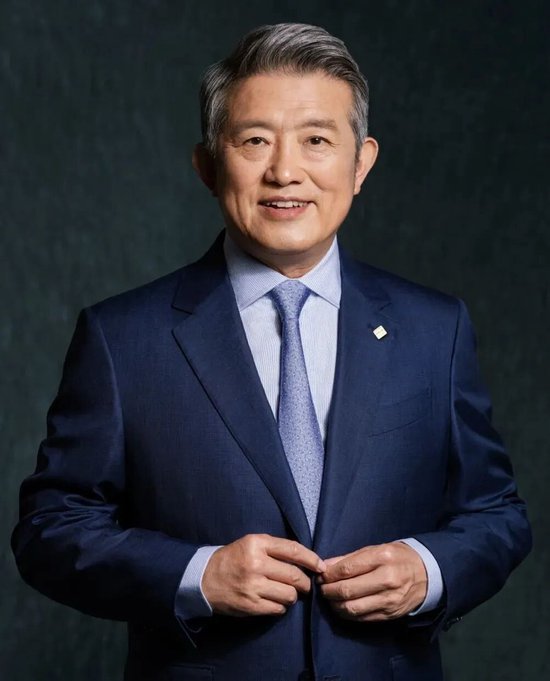
股价上涨、保费回升, 保险业未来增长动能在何处?
Xin Lang Cai Jing· 2026-02-06 02:35
Core Viewpoint - The insurance sector has seen a rebound in stock prices and premium growth, but future growth drivers remain uncertain as the industry shifts focus towards risk management and long-term stability [1][6]. Group 1: Industry Trends - The insurance industry is experiencing a recovery in premium growth during the "opening red" period, with banks and individual insurance channels accelerating sales [1][6]. - The emphasis on the insurance protection function is being reinforced, as the industry adapts to complex lifecycle risks such as longevity, health, and long-term care [1][4]. Group 2: Regulatory and Market Insights - Former China Insurance Regulatory Commission Vice Chairman Wei Yingning highlighted the importance of maintaining the essence of insurance, warning against products that lack substantial protection and are merely for capital absorption [7][9]. - The rapid growth of products like investment-linked and universal life insurance, which saw annual growth rates exceeding 50%, has been linked to market volatility, raising concerns about risk exposure for consumers and the industry [4][9]. Group 3: Demographic and Strategic Shifts - The aging population is an irreversible trend, prompting the government to prioritize strategies for addressing aging and developing pension finance, positioning life insurance as a crucial component of the pension system [4][9]. - The life insurance sector is transitioning towards "new life insurance" models, integrating insurance with services like elder care and health management to provide comprehensive solutions throughout the lifecycle [5][9]. Group 4: Investment and Economic Impact - Insurance funds are characterized by long durations and strong stability, with diversified investment strategies across various asset classes, which can effectively support the real economy and promote innovation [10]. - The current bull market is expected to be one of the longest in Chinese capital market history, providing a significant opportunity for insurance companies to enhance profitability and transform their product structures [10].

三十而立,向善而新:泰康用“新寿险”解答长寿时代民生题
Huan Qiu Wang· 2026-02-05 06:31
Core Viewpoint - The article emphasizes the importance of "investing in people" as a manifestation of a people-centered development philosophy, aligning with the government's focus on enhancing employment, increasing residents' income, and improving consumption incentives to create a virtuous cycle of economic development and livelihood improvement [1][4]. Group 1: Company Overview - Taikang, a leading enterprise in the health industry covering insurance, asset management, and medical care, adheres to a people-oriented approach and aims to enhance the livelihood attributes of the life insurance industry [1][4]. - The company has achieved positive growth in annual operating income, new business value, and net profit, maintaining industry-leading solvency [5]. Group 2: Strategic Initiatives - In response to the aging population, Taikang is committed to developing a comprehensive pension financial system and enhancing support for the silver economy, aligning with national strategies and providing historical opportunities for insurance companies [4][10]. - Taikang's innovative "new life insurance" model integrates payment, service, and investment, creating a seamless service system for high-quality life cycle health and wellness [10]. Group 3: Financial Performance and Contributions - As of January 2026, Taikang has paid over 102.1 billion yuan in taxes and created 345,000 jobs, with over 2.4 billion yuan allocated to public welfare [5]. - The company has established a significant presence in the pension management sector, with assets under management exceeding 1.3 trillion yuan, positioning itself as one of the largest pension managers in the domestic market [6]. Group 4: Community and Service Development - Taikang has expanded its community services, operating 47 projects across 37 cities, with over 20,000 residents and nearly 90,000 total bed capacities [6]. - The company is advancing its "city care community" strategy, supporting home-based elderly care through embedded community rehabilitation service centers [6]. Group 5: Future Vision - As Taikang approaches its 30th anniversary, it aims to continue its commitment to innovation and the "new life insurance" model, addressing the challenges of the longevity era and contributing to the modernization of China [9][10].

程康平官宣离任 泰康“新寿险”战略将如何前行?
经济观察报· 2025-12-31 11:02
Core Viewpoint - The recent leadership change at Taikang Life Insurance may indicate a strategic optimization in response to the evolving market environment as the company approaches its 30th anniversary in 2026 [1][3]. Leadership Transition - On December 26, 2025, Taikang Life announced that Xue Jihao would take over as the interim head, replacing Cheng Kangping, who had served as general manager for nearly 10 years [2][3]. - This marks the third significant executive change within Taikang Insurance Group's subsidiaries in the past two years, highlighting a period of transition in the insurance industry [3]. Executive Background - Cheng Kangping, who has been with Taikang for 27 years, oversaw significant growth during his tenure, with total assets increasing from approximately 566 billion yuan at the end of 2016 to nearly 1.92 trillion yuan by Q3 2025 [5]. - Under Cheng's leadership, insurance revenue rose from about 118.3 billion yuan in 2017 to approximately 196.8 billion yuan by Q3 2025, and net profit grew from around 9.3 billion yuan to about 24.8 billion yuan in the same period [5][6]. Strategic Focus - Cheng was a key executor of the "New Life Insurance" strategy, which integrates life insurance with medical and elderly care services, creating a closed-loop ecosystem of "payment + service + investment" [6]. - The strategy aims to adapt to the "longevity era" and has seen stable growth in core business metrics during the 14th Five-Year Plan period [6]. Market Challenges - The insurance industry is currently facing challenges such as declining interest rates and a shift towards dividend insurance, which has impacted the productivity of personal agent channels [6]. - Taikang Life has been promoting personal pension products to enhance customer service, reflecting difficulties in expanding new individual insurance policies [6]. Financial Performance - As of mid-2025, Taikang Life remains a key revenue pillar for the Taikang Insurance Group, with net profits of approximately 15.998 billion yuan, while other subsidiaries also reported profitability [8]. - The company has been optimizing its branch network, closing over 200 branches since 2025, particularly in third and fourth-tier cities [8]. Governance and Management Structure - The management committee of Taikang Insurance Group consists of 19 members, including key executives from various subsidiaries, indicating a structured approach to governance [10]. - The group has been actively pursuing governance structure optimization and organizational changes to enhance operational efficiency since 2025 [10]. Aging Population and Elderly Care Strategy - Taikang has been expanding its elderly care services, with 43 projects across 36 cities and over 20,000 residents, positioning itself as a leader in the industry [13][14]. - The company is adapting its elderly care strategy to include community and home-based services, reflecting the competitive landscape as other major insurers also enter the market [12][14]. Occupancy Rates and Sustainability - The overall occupancy rate of Taikang's elderly care communities is approximately 58.8%, with a target of 80% occupancy for sustainable operations [14].

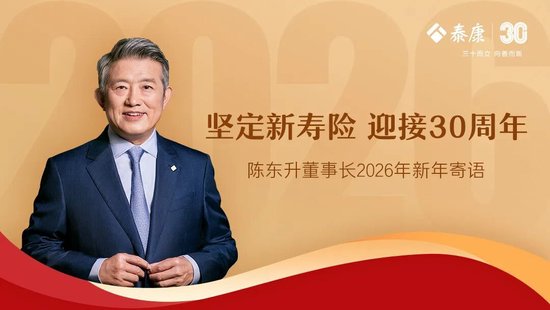
2026新年寄语 | 陈东升:坚定新寿险,迎接30周年
Xin Lang Cai Jing· 2025-12-31 03:53
Core Viewpoint - The company emphasizes its commitment to high-quality development through "New Life Insurance," focusing on serving national strategies and addressing the needs of the aging population while achieving positive growth in revenue, new business value, and net profit [2][3][19]. Group 1: Financial Performance - The company achieved positive growth in annual operating income, new business value, and net profit, maintaining industry-leading solvency and surpassing a cumulative tax payment of 100 billion yuan [2][3]. - The retirement fund managed by the company reached nearly 1.3 trillion yuan, solidifying its position as the largest retirement fund manager in the market [3][13]. Group 2: Pension and Elderly Care Services - The company is expanding its pension and elderly care financial services, with innovative products like the "Happiness Agreement" series helping over 250,000 clients with retirement and health funding [3][13]. - The long-term care insurance pilot program has been successfully implemented in 33 cities, benefiting over 2 million people [3][13]. Group 3: Healthcare Integration - The company has invested over 70 billion yuan in building and operating healthcare facilities, with five hospitals under its management improving quality and efficiency [3][13]. - A recent emergency case demonstrated the seamless integration of insurance and medical services, showcasing the company's ability to provide comprehensive care and support [5][15]. Group 4: Organizational Development - The company is focusing on optimizing its governance structure and promoting a professional and youthful workforce, with over 64,000 professional staff expected to grow by over 20% by 2025 [6][16]. - The average age of the caregiving team is 37, with a significant portion being from the post-90s and post-00s generations, bringing vitality to the elderly care sector [7][16]. Group 5: Technological Innovation - The company is leveraging technology to enhance its services, with initiatives like the Smart Medical Care Laboratory developing intelligent systems for community health management [17][18]. - The company is transitioning from traditional data-driven approaches to AI-driven strategies, aiming to innovate in sales, investment research, and management platforms [17][18]. Group 6: Future Vision - As the company approaches its 30th anniversary, it aims to integrate its operations into the national "14th Five-Year Plan," focusing on high-quality development and the construction of a comprehensive healthcare ecosystem [19][20]. - The company recognizes the challenges of the aging population and aims to provide high-quality health and retirement services as part of its long-term strategy [18][19].
泰康人寿聘任薛继豪为临时负责人,“新寿险”深化迎考验
Nan Fang Du Shi Bao· 2025-12-27 02:38
Core Viewpoint - The announcement of leadership changes at Taikang Life, with Xue Jihao appointed as the interim head and Cheng Kangping stepping down, marks a significant transition as the company approaches its 30th anniversary in 2026, raising questions about the continuation of the "New Life Insurance" model under new leadership [2][4][9]. Group 1: Leadership Transition - Cheng Kangping, who has served as president for nine years, is retiring due to reaching retirement age, with Xue Jihao expected to take over the role [4][5]. - The leadership change is part of a broader trend within Taikang Insurance Group, reflecting a pattern of internal promotions and the retirement of long-serving executives [4][8]. - Xue Jihao, the new interim head, has a strong background within the company, having held various positions and responsibilities, indicating a continuity in leadership philosophy [8]. Group 2: Company Performance - Under Cheng Kangping's leadership, Taikang Life's total assets grew to 19,197.59 billion yuan, more than tripling since 2016 [5]. - The company has experienced dual growth in scale and profitability, with insurance business revenue reaching 2,283.24 billion yuan in 2024, a year-on-year increase of 12.37% [5]. - By the third quarter of 2025, the net profit reached 247.72 billion yuan, a significant year-on-year increase of 168.92%, positioning Taikang Life at the top among non-listed life insurance companies [5]. Group 3: Market Position and Challenges - Taikang Life's solvency ratios are robust, with a core solvency adequacy ratio of 195.24% and a comprehensive solvency adequacy ratio of 284.16%, both exceeding industry averages [6]. - The company's market share has shown volatility, increasing from 5.89% in 2022 to 6.30% in 2023, but then declining to 5.85% in 2024, indicating challenges in maintaining competitive positioning [6]. - The "New Life Insurance" model, which aligns with national strategies such as "Healthy China" and addressing aging populations, is expected to be further developed under the new leadership, highlighting the need for innovative management approaches [7][9]. Group 4: Future Outlook - The upcoming 30th anniversary in 2026 presents a critical opportunity for Taikang Life to deepen its core strategies while addressing market share and profitability amidst industry changes [9]. - The transition in leadership comes at a time when the insurance industry is undergoing significant transformation, necessitating a shift in management strategies to support the evolving "New Life Insurance" model [9].

养老的“东方智慧”:看泰康“新寿险”如何回答一个世界性难题?
华尔街见闻· 2025-12-26 03:56
Core Viewpoint - The article discusses the evolving attitudes towards aging in society, particularly in Japan and China, highlighting the opportunities in the aging population market and the innovative approaches being taken by companies like Taikang Insurance in the eldercare and pension sectors [1][2][5][7]. Group 1: Demographic Changes and Aging Population - By the end of 2024, China's elderly population (aged 60 and above) is projected to reach 310 million, accounting for 22% of the total population, and is expected to rise to around 30% by 2035 [4]. - The average life expectancy in China is nearing 79 years, with a continuous increase of 2-3 years every decade [5]. - The aging population is anticipated to constitute one-third of society in the next 20 years, indicating a significant demographic shift [3]. Group 2: Market Opportunities in Elderly Care - The demand for "enjoying old age" is creating substantial market opportunities, as seen in developed countries where healthcare is recognized as a promising industry [6]. - China is establishing a multi-faceted pension system and various commercial pension products to address the needs arising from demographic changes [7]. - The insurance industry is increasingly competing in the eldercare market, with companies like Taikang Insurance leading the way by integrating healthcare resources [8]. Group 3: Taikang Insurance's Innovations - Taikang Insurance has been exploring the integration of insurance with eldercare services since 2007, positioning itself as a significant player in the eldercare market [9]. - The company has seen a notable rise in its global ranking, moving up 47 places to 334 in the Fortune Global 500, reflecting its growing influence [9]. - The "New Life Insurance" model proposed by Taikang emphasizes a triad of payment, service, and investment, aiming to enhance customer experience and financial stability [55]. Group 4: Global Perspectives on Elderly Care - The article references the global trend of increasing life expectancy, with half of the countries expected to have a life expectancy exceeding 75 years by 2024 [10]. - The U.S. and Japan have established robust pension systems, with the U.S. having over 90% of total pension assets in the second and third pillars [18]. - The article contrasts the U.S. approach to eldercare with China's, noting that many high-quality eldercare facilities in China are initiated by insurance companies, which have the financial capacity to integrate various resources [33]. Group 5: Challenges and Future Directions - The article highlights the challenges faced by the insurance industry, particularly in the U.S., where misjudgments about market demands have led to a decline in market position [36][39]. - It emphasizes the necessity for the insurance sector to seize the strategic opportunities presented by the aging population and to develop a complete financial mechanism for eldercare services [48]. - Taikang's long-term investments in healthcare and eldercare are positioned as a model for sustainable growth in the industry, with significant financial commitments planned for the future [59].

从保险销售到人生规划师 和我的客户一起慢慢变老
Jin Rong Shi Bao· 2025-12-17 04:41
Core Insights - The article discusses the emergence of Health Wealth Planners (HWP) in response to the aging population in China, highlighting the need for dignified aging planning as the elderly population is projected to reach 310 million by the end of 2024 [1][5] - The traditional insurance model is evolving into a new business model that integrates insurance with health and wellness services, creating a more comprehensive approach to client needs [2][3] Group 1: Industry Transformation - The insurance industry is transitioning from a "quantity-driven" model to a "quality-driven" model, with the HWP role emerging as a new profession that addresses the uncertainties of aging through professional planning [5] - The new model combines insurance, health care, and wealth management, allowing agents to provide a more holistic service to clients [3][5] Group 2: HWP Development and Support - There are over 30,000 HWPs at Taikang Life, who are reshaping the insurance sales model and driving the overall upgrade of the insurance agent workforce [3] - Taikang Life offers comprehensive support for HWP development, including recruitment, training, and incentives, focusing on ten core dimensions for deep empowerment [3] Group 3: Client-Centric Services - HWPs provide clients with not just insurance policies but also access to health and wellness facilities, enhancing the client experience and creating long-term relationships [3][4] - The innovative "1+N" multidisciplinary care model at Taikang's retirement communities addresses the dual challenges of healthcare and aging, ensuring that elderly clients receive both medical care and quality of life improvements [4]

程康平:以“新寿险”创新模式 解码中国养老金融
Jin Rong Shi Bao· 2025-11-12 02:29
Core Viewpoint - The article emphasizes the increasing importance of pension finance in response to the accelerating aging population in China, highlighting the government's strategic focus on developing "pension finance" and "silver economy" during the 14th Five-Year Plan period [1][8]. Group 1: New Life Insurance Model - The "New Life Insurance" model proposed by Taikang Life integrates insurance with medical and elderly care services, creating a comprehensive service approach that aligns with national strategies [2][3]. - This model combines payment, service, and investment, generating multiplier and value effects, thereby enhancing customer satisfaction and ensuring stable returns for the insurance company [2][3]. Group 2: Financial Services for Elderly Care - Taikang Life has established a robust presence in pension finance, focusing on three main areas: pension financial products, elderly service finance, and elderly industry finance, contributing to the national pension system [4][5]. - The company has actively participated in the development of third-pillar commercial pension insurance, with 1.89 million insured individuals and a total premium of 314.4 billion yuan by September 2025 [4]. Group 3: Health Management and Integration - The integration of medical and elderly care services has been strengthened, with Taikang Life developing a comprehensive service network that covers the entire lifecycle of users [6][7]. - The company has implemented a health management model that combines health insurance, management, and services, benefiting over 11 million individuals and providing significant claims support [6]. Group 4: Infrastructure Investment - Taikang Life has invested 56.7 billion yuan in the elderly care and health sectors, establishing a network of 47 medical and elderly care projects across 37 cities, accommodating over 86,000 elderly individuals [5][6]. - The company has opened five major medical centers, serving over 8.8 million patients, demonstrating its commitment to building a comprehensive elderly care infrastructure [5][6]. Group 5: Future Outlook - Looking ahead to the 15th Five-Year Plan, Taikang Life aims to continue aligning its development with social needs, leveraging the "New Life Insurance" model to address challenges posed by an aging population [8].
