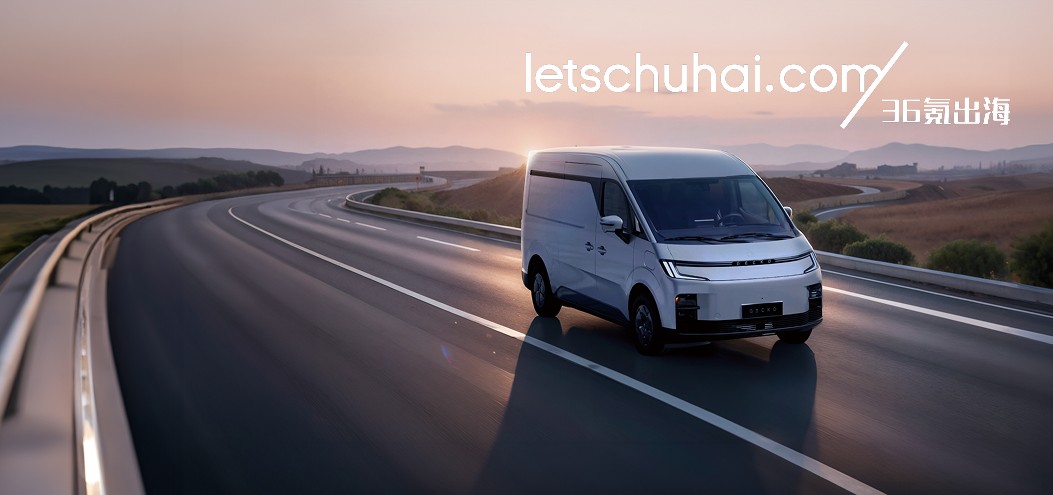
新能源商用车出海

Search documents
出海从“选修”变为“必修”,商用车新力量如何破局?| 头条
第一商用车网· 2025-11-26 13:45
Core Viewpoint - The commercial vehicle industry is focusing on overseas markets as a new opportunity for growth, particularly in the context of the green transition and the advantages of China's industrial chain [4][7][28]. Group 1: Opportunities - In the first ten months of this year, China's new energy commercial vehicle sales increased by 54%, with exports reaching 70,000 units, a year-on-year growth of 130% [4]. - The global demand for green transition, especially in commercial vehicles, is urgent, and Chinese brands are becoming preferred choices for international users [7]. - The rapid recognition of new energy trucks by overseas customers indicates a shift in market dynamics, pushing Chinese companies to explore international markets [5][7]. Group 2: Challenges - The export of new energy commercial vehicles faces significant challenges, including inadequate charging infrastructure and financial support, as well as uncertainties related to tariffs [13][17]. - The complexity of exporting new energy vehicles is highlighted, as it requires more than just selling vehicles; it involves establishing a comprehensive support system [9][13]. - The need for collaboration among various sectors, including energy, finance, and supply chain, is emphasized to overcome these challenges [19][21]. Group 3: Solutions - A consensus among participants is that collaboration across the entire supply chain is essential for successful international expansion [19]. - Localizing operations in foreign markets is crucial to navigate high tariff barriers and ensure product integration with local needs [21][23]. - The importance of product quality and technology is underscored as key factors for entering high-end markets in Europe and North America [25].


从传统出口到新能源出海,中国商用车的新一轮海外战事
3 6 Ke· 2025-07-09 10:43
Core Insights - The trend of expanding into overseas markets is becoming a definitive direction for the new energy commercial vehicle sector, especially as domestic sales decline while exports remain robust [2] - The new energy commercial vehicle market is still in an exploratory phase, providing opportunities for both traditional manufacturers and new entrants [2] - Companies like Wall Gecko Automotive are actively pursuing international markets, with a goal of achieving over 50% of revenue from overseas [4][6] Market Overview - In 2024, domestic sales of commercial vehicles in China are projected to decline by 9% to 2.969 million units, while exports are expected to grow by 17.5% to 904,000 units [2] - From January to May, exports of new energy commercial vehicles reached 41,000 units, marking a year-on-year increase of 230% [2] - The commercial vehicle market is categorized into trucks, buses, and special vehicles, with various subcategories based on usage, scenarios, and load capacity [2] Challenges and Opportunities - The new energy commercial vehicle sector faces challenges related to product reliability and operational service requirements, particularly in high-frequency usage scenarios like urban delivery and logistics [3] - The market is characterized by a lack of established patterns, allowing for coexistence and collaboration between traditional manufacturers and new players [2] Competitive Landscape - Wall Gecko Automotive focuses on whole vehicle exports and local assembly in markets with high tariffs and localization requirements [7] - The primary market for Wall Gecko is Europe, where the light commercial vehicle market is estimated at 4 million units, with a target market share of 5% [9] - Approximately 70% of customers in Europe are small to medium enterprises, while 20-30% are large clients like national postal services and logistics companies [12] Market Entry Strategies - Wall Gecko Automotive employs various strategies, including direct sales to large clients and participation in major trade shows to enhance brand visibility [14] - The company aims to penetrate the Latin American market, starting with Chile, which has supportive policies for electric logistics vehicles [17] Future Outlook - The new energy heavy-duty truck segment faces challenges such as battery weight affecting load capacity and high costs impacting total cost of ownership [19] - The company is observing potential markets like Australia, New Zealand, and Russia, while North America remains a complex and less prioritized option due to regulatory challenges [18]