
新能源汽车时代

Search documents
中国神秘大佬,坐拥5000亿矿产王国
创业家· 2026-02-08 10:00
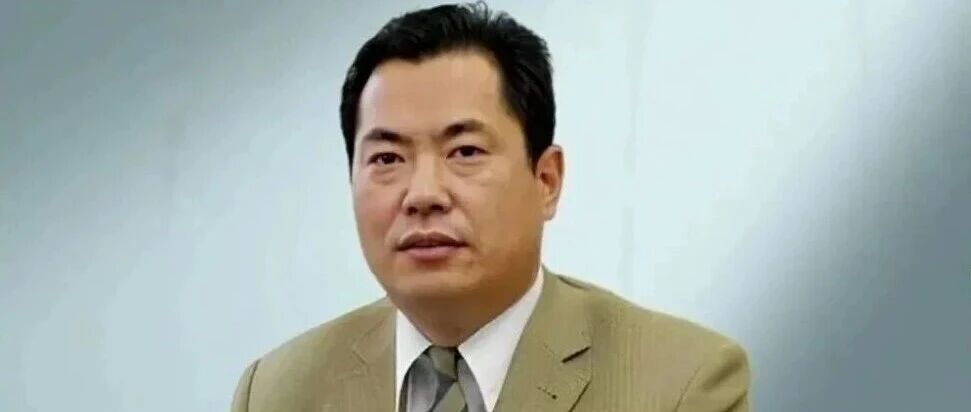
邱处机 . 专门研究商业牛人 豪赌新能源时代。 以下文章来源于邱处机 ,作者邱鑫浩 作者:邱鑫浩 来源:邱处机 河南栾川县的崇山峻岭间,洛阳钼业的三道庄矿区里,无人挖矿机正在有条不紊地作业,数十 辆无人驾驶矿卡在蜿蜒的矿道上川流不息。 这家全球最大的钴生产商、全球十大铜生产商、巴西领先的磷肥生产商,已成为中国矿企国际 化的典范,市值接近 5000 亿元。 作为洛阳钼业的实控人,于泳在胡润富豪榜最新数据里的身家高达 950 亿。 但有意思的是,这位矿产大佬是一位几乎不在公开场合露面的神秘富豪。他从不担任公司任何 职务,甚至缺席了公司两次上市仪式。 这里插播一条课程资讯: 报名 「 黑马·欧洲游学 」, 7天6晚, 我们将带您 回到品牌的"第一现场", 从 巴黎到米兰 ,直击 LV、欧莱雅、Prada 等顶流品牌的诞生地与核心工厂。 我们还将潜入IFM学院解密奢侈品管理逻辑,在蓝带学院领悟生活方式定义权,更能探访Loro Piana面料实验室,解锁产业链密码。 30席限量抢位, 带你用欧洲思维重构品牌壁垒,从"卖产品"到"卖梦想",用文化重新定义品 牌定价权! 扫码咨询报名 (翻到底部了解详情) 01 捡 漏 于 ...

畅通充电桩进小区
Jing Ji Ri Bao· 2025-08-17 21:55
Core Insights - The case of a homeowner suing a property management company over the installation of a charging pile highlights the ongoing conflict between urban governance capabilities and residents' needs in the era of electric vehicles [1] - Despite a compound annual growth rate of over 50% in China's new energy vehicle production and sales over the past five years, the installation rate of charging piles in residential areas has remained around 30%, leading to an increase in civil disputes related to charging pile installation [1] Group 1 - The need to reconcile "safety" and "convenience" in the context of charging pile installations is emphasized, suggesting that a higher-level institutional design is necessary to find common ground [2] - Establishing clear standards can define the boundaries of property management's "right to refuse" and the car owner's "right to apply," which is seen as a significant step in governance [2] - Cost-sharing mechanisms are proposed, including government funding, contributions from power companies, and dynamic adjustments through charging service fees from benefiting car owners [2] Group 2 - The introduction of market-based risk management mechanisms, such as comprehensive liability insurance for charging piles, is suggested to alleviate property management's safety concerns while promoting service growth [2] - The shift in governance philosophy is highlighted, moving from a "who decides" approach to a collaborative "how to get things done" mindset, emphasizing proactive measures over reactive ones [2]