
矿产开采

Search documents
贾国龙开新店
财联社· 2026-03-19 16:07
Core Viewpoint - The newly launched restaurant brand "Tianbian Claypot Noodles" by Jia Guolong, founder of Inner Mongolia Xibei Catering Group, has opened in Beijing's Chaoyang District, attracting significant attention and long queues during peak hours [1] Group 1: Restaurant Launch and Popularity - "Tianbian Claypot Noodles" has a per capita price of approximately 61 yuan, featuring various claypot noodle dishes such as lamb spicy noodles and rib green bean noodles [1] - The restaurant emphasizes that all noodles are made fresh on-site without pre-prepared ingredients [1] - The brand has gained popularity on social media, with discussions about the need to queue for up to 50 tables during peak times [1] Group 2: Business Strategy and Future Plans - Jia Guolong indicated that Xibei will close some of its locations while retaining core stores, with the new brand intended to absorb some of the employees and operations from Xibei [1] - Currently, "Tianbian Claypot Noodles" has only one location, and there are no confirmed plans for future expansions [2] Group 3: Investment and Ownership Changes - Recent changes in the registered capital of Inner Mongolia Xibei Catering Group include a new investor, Lin Lairong, who holds a 2.1626% stake, while Jia Guolong's ownership has decreased to approximately 25.6% [2] - Lin Lairong is the founder of Inner Mongolia Zhongxing Group and the actual controller of A-share listed company Dazhong Mining, with interests extending into lithium and other new energy minerals [2]


全球矿业巨头力拓,为什么选宁德时代?
鑫椤锂电· 2026-03-05 01:13
Group 1 - The core viewpoint of the article emphasizes the collaboration between Rio Tinto and CATL to explore opportunities in electrification, supply chain, and circular economy within the context of low-carbon transition [1][2][3] - The memorandum signed between the two companies focuses on advancing electrification applications in mining operations and exploring commercial pathways for battery material recycling and critical mineral resource circular development [2][3] - CATL will leverage its advantages in battery technology, system integration, and new energy solutions to help Rio Tinto enhance operational efficiency and promote carbon reduction and electrification processes [3] Group 2 - Rio Tinto is a leading global mining and metals company with over 150 years of history, involved in the exploration, extraction, and processing of minerals such as iron ore, copper, aluminum, and lithium [3] - The partnership aims to create globally demonstrative zero-carbon mining solutions to assist in the deep transformation of the global energy system [3]



高盛闭门会-美国关键矿产战略和政策解读-关键瓶颈在电力铝极度短缺
Goldman Sachs· 2026-03-01 17:22
Investment Rating - The report indicates a shift in U.S. critical mineral policy towards international cooperation, emphasizing a "comprehensive market approach" and "full supply chain perspective" to ensure the security of the U.S. industrial base and defense systems [1][2]. Core Insights - The VOLT project aims to establish critical mineral reserves through public-private partnerships, focusing on private sector-led commercial participation [1]. - The U.S. aluminum industry faces significant challenges, with primary aluminum production only meeting 16.16% of demand, highlighting the need for more efforts to reduce foreign dependency [1][12]. - The DEFY clause in the National Defense Authorization Act restricts procurement of rare earth permanent magnet materials from specific foreign entities, with compliance required by 2027 [8]. Summary by Sections U.S. Critical Mineral Policy Changes - The most notable change in U.S. critical mineral policy is the transition from a unilateral "America First" approach to a more international and cooperative strategy, as evidenced by the participation of 54 countries and the EU in a recent ministerial meeting [2]. Aluminum Industry Challenges - The new aluminum smelting plant project is significant, with a capacity 2.5 times that of the current largest smelter, representing a crucial step in technological innovation and domestic production growth [3][13]. - The U.S. aluminum sector's production is insufficient to meet demand, necessitating additional efforts to enhance domestic supply [12][14]. Strategic Initiatives - The VOLT project proposes a $12 billion public-private partnership plan to address challenges faced by U.S. manufacturers following the implementation of rare earth export controls [4][5]. - The report highlights the importance of enhancing the effective supply of recycled aluminum through improved sorting technology and export controls [15]. Supply Chain and Compliance - The report emphasizes the need for U.S. defense contractors to comply with the DEFY clause, which restricts reliance on foreign sources for critical materials [8]. - The inventory levels of critical materials are currently low, with concerns about supply chain disruptions due to export controls [9]. Future Directions - The U.S. strategy for diversifying the rare earth supply chain over the next 2 to 5 years focuses on midstream cooperation and the development of secondary materials [10]. - The report identifies the need for significant investment in new smelting capacity to achieve a domestic supply rate of approximately 40% to 50% [13][14].
被多国竞逐,中亚关键矿产家底有多厚?
Huan Qiu Shi Bao· 2026-02-26 06:47
Core Insights - The United States has signed an agreement with Uzbekistan to secure a more stable supply of critical mineral resources, highlighting the strategic importance of these resources in the global energy transition and technological revolution [1] Group 1: Strategic Importance of Critical Minerals - Critical minerals have evolved from mere industrial raw materials to key elements reshaping global industrial and geopolitical landscapes [1] - Central Asia is rich in various critical mineral resources, attracting global attention, with the region being described as "extremely wealthy" by former U.S. President Trump [2][3] Group 2: Mineral Resources in Central Asia - Central Asia has become a significant player in the global strategic resource production, with countries like Kazakhstan, Kyrgyzstan, and Uzbekistan holding substantial reserves of critical minerals [3] - Uzbekistan has identified over 30 types of mineral resources, ranking as the fifth-largest uranium supplier globally and the 11th in copper reserves [4] - Tajikistan's antimony production accounts for 10% of global supply, with the country producing approximately 21,000 tons in 2023 [2] Group 3: Challenges in Mineral Development - The mining sector is a crucial economic pillar for Kazakhstan and Uzbekistan, contributing approximately 17% and 8% to their GDP, respectively [5] - Central Asia faces challenges in mineral development, including outdated geological survey data and limited investment, which hinder resource exploitation [5][7] - The region's reliance on outdated power infrastructure and seasonal electricity shortages poses significant barriers to expanding mining operations [7] Group 4: Future Development Plans - Kazakhstan aims to modernize its mining sector, viewing critical mineral development as a priority, with plans for extensive geological exploration and investment in processing technologies [8][9] - Kyrgyzstan has approved a development plan for critical minerals, targeting an annual export increase to $1 billion by 2030 [9] - Uzbekistan plans to implement a $2.6 billion project for rare metal extraction and processing over the next three years [9]
【环时深度】被多国竞逐,中亚关键矿产家底有多厚?
Huan Qiu Shi Bao· 2026-02-25 22:55
Core Insights - The article discusses the strategic importance of critical mineral resources in Central Asia, highlighting the region's rich deposits and the geopolitical implications of their extraction and trade [1][10]. Group 1: Mineral Resources Overview - Tajikistan's antimony production accounts for 10% of global supply, with an estimated output of 21,000 tons in 2023, representing a quarter of the world's total [4]. - Central Asia is home to significant mineral reserves, with manganese, chromium, lead, zinc, titanium, aluminum, copper, and cobalt having substantial global shares [4]. - Kazakhstan is noted for having the largest chromium reserves globally, estimated at 230 million tons, and is the second-largest producer of chromium [5]. Group 2: Regional Developments - Uzbekistan is rapidly establishing itself as a regional mineral hub, identifying over 30 types of mineral resources, including lithium and molybdenum, and is the fifth-largest uranium supplier globally [6]. - Kazakhstan's geological surveys have revealed a new rare earth metal deposit estimated to exceed 20 million tons, potentially making it the third-largest in the world [5]. - Kyrgyzstan is gaining recognition for its lithium and antimony reserves, which are crucial for battery and electronic device manufacturing [7]. Group 3: Economic Impact and Challenges - The mining sector significantly contributes to the GDP of Kazakhstan (17%) and Uzbekistan (8%), reflecting the region's mining tradition and existing extraction conditions [8]. - Challenges include outdated geological data, limited investment, and a lack of local processing capabilities, which hinder the development of critical mineral resources [9][8]. - The region requires an estimated $20 billion investment by 2030 to upgrade infrastructure and integrate renewable energy for mining operations [9]. Group 4: Future Plans and Concerns - Kazakhstan aims to modernize its mining sector, with plans for extensive geological exploration and the introduction of advanced processing technologies [10]. - Kyrgyzstan's government has set a goal to increase critical mineral exports to $1 billion by 2030 and attract $700 million in foreign direct investment [11]. - Concerns exist regarding the potential for increased dependency on commodity exports and the associated socio-economic inequalities if investments remain focused solely on resource extraction [11].
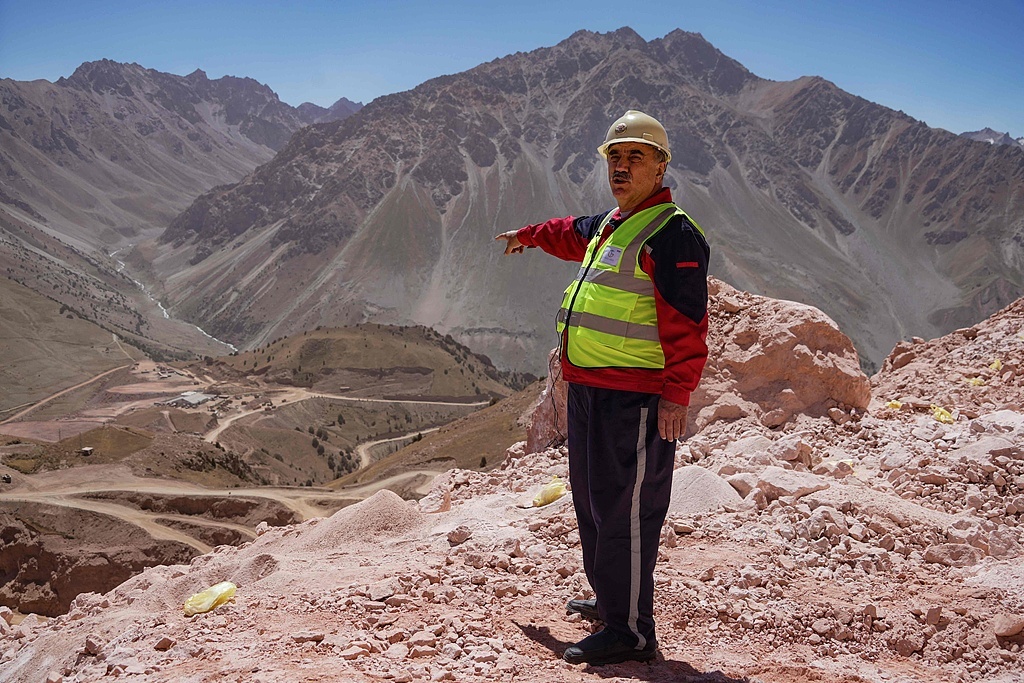
马拉维与美国签署的战略矿产协议面临质疑
Shang Wu Bu Wang Zhan· 2026-02-24 16:15
Core Viewpoint - The strategic mineral agreement between Malawi and Traxys North America is facing scrutiny due to concerns over transparency and long-term national benefits for Malawi, despite its potential to boost the economy [1] Group 1: Agreement Details - Malawi officials have signed a milestone mineral agreement with Traxys North America for the sale of graphite from the Kasiya project in Lilongwe, which is considered one of the largest natural rutile deposits in the world [1] - The United States has classified both graphite and rutile as essential minerals for defense systems, aerospace technology, and battery production [1] Group 2: Economic Implications - Analysts warn that while the agreement could enhance Malawi's economy, the lack of specific details raises concerns about the project's transparency and its long-term benefits for the country [1]
特朗普下通牒,宣称推动去中国化,并警告不愿配合的国家将面临美国加征关税的惩罚
Sou Hu Cai Jing· 2026-02-24 04:44
Core Viewpoint - The article discusses President Trump's ultimatum to countries supplying minerals to the U.S., demanding they establish a supply chain free from Chinese influence within 180 days, or face tariffs. This move is aimed at addressing U.S. dependency on critical minerals, which are essential for various technologies and industries [1][3]. Group 1: U.S. Policy and Actions - Trump signed an executive order requiring countries to agree on a non-China supply chain for critical minerals, threatening tariffs for non-compliance [1]. - The U.S. is heavily reliant on imports for critical minerals, with 12 minerals being 100% imported and 29 others over 50% dependent on foreign sources [1]. - The U.S. plans to invest $12 billion in a mineral alliance called FORGE, aiming to secure supply chains and reduce reliance on China [1]. Group 2: Global Reactions and Challenges - The EU is concerned about its green transition plans, as over 30% of high-performance electric motor materials come from China, risking factory shutdowns if supply chains are disrupted [3]. - Australia faces a dilemma as it is a major mineral exporter but also heavily reliant on China as a buyer for lithium and rare earths [3]. - Japan and South Korea are similarly dependent on Chinese rare earths for their high-tech industries while having significant investments in the U.S. [3]. Group 3: Economic Implications - Previous tariffs imposed by Trump have not reduced the trade deficit with China, which increased to $1.06 trillion by 2022 [3]. - The costs of tariffs have largely been borne by U.S. consumers and businesses, leading to increased prices for goods [3]. - The unpredictability of Trump's tariff threats has created market fatigue, raising doubts about the enforcement of the latest ultimatum [3]. Group 4: Legal and Political Constraints - Trump's authority to impose tariffs is being challenged, with the Supreme Court ruling against his previous tariff actions, leading to calls for legislative limits on presidential powers [5]. - The article notes that China's response includes managing its mineral resources and enhancing cooperation with resource-rich countries, indicating a strategic approach to counter U.S. pressures [5]. Group 5: Future Considerations - Countries must decide within 180 days whether to comply with U.S. demands, balancing geopolitical pressures against their own national interests and market realities [5].
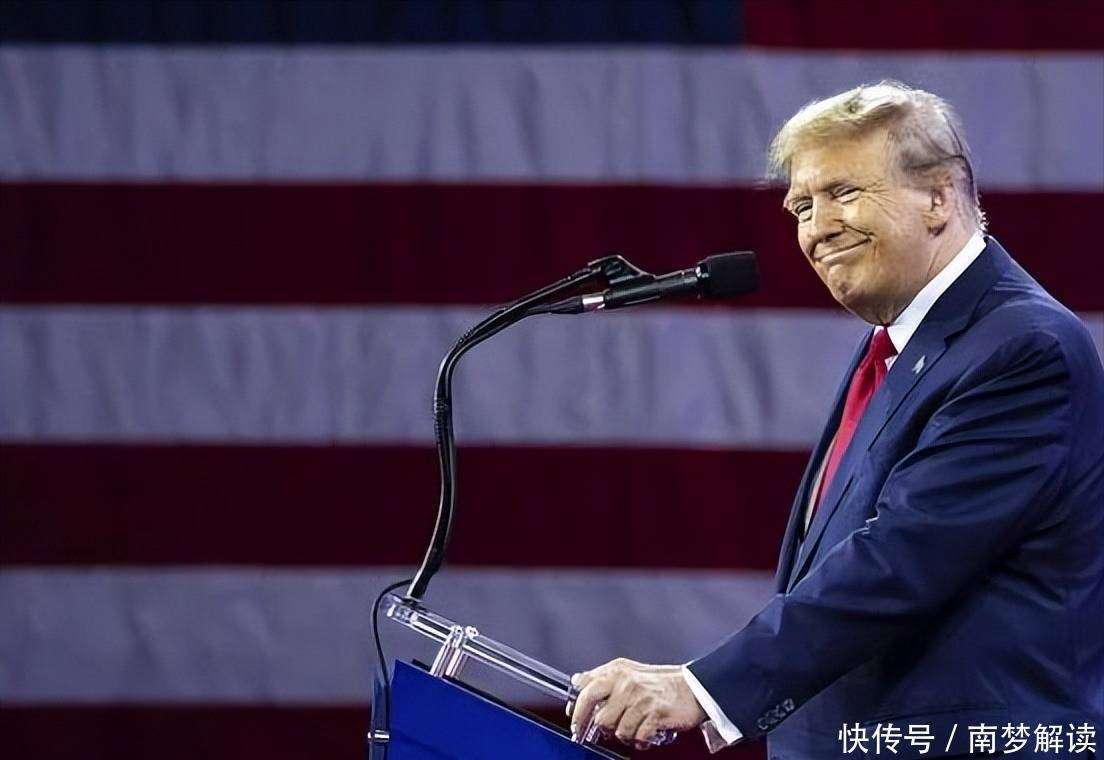
美国对非洲矿产战略注定失败?不是缺钱,是这三大短板无解
Sou Hu Cai Jing· 2026-02-19 18:47
Core Viewpoint - The article discusses the increasing competition between the U.S. and China for key mineral resources in Africa, highlighting the U.S.'s significant investments but also its fundamental shortcomings in effectively engaging with African nations [1][8]. Investment Comparison - In 2023, U.S. direct investment in Africa reached $7.8 billion, significantly surpassing China's $4 billion, suggesting a strong financial commitment [3]. Shortcomings of U.S. Strategy - **First Shortcoming**: The U.S. approach is characterized by "exclusive shackles," where investments come with conditions that African nations find unappealing. For instance, U.S. funding often requires minerals to be supplied directly to U.S. factories, which African leaders reject in favor of more inclusive partnerships [3][6]. - **Second Shortcoming**: The U.S. exhibits inefficiency in its operations, with companies like Cobold holding extensive mining rights but failing to act due to unclear ownership issues, while Chinese firms rapidly develop infrastructure and production capabilities [4][3]. - **Third Shortcoming**: The U.S. focuses solely on raw materials, neglecting the local value chain. In contrast, Chinese companies invest in local infrastructure and processing, allowing African nations to benefit from higher-value segments of the supply chain [6][4]. Operational Models - The U.S. relies on private enterprises with complex approval processes, leading to slower decision-making compared to China's government-business collaboration, which is more efficient and stable [4][6]. Perception of Africa - African nations are increasingly aware of their value and are seeking partners who respect their sovereignty and contribute to local development, rather than viewing them merely as resources to exploit [6][8].
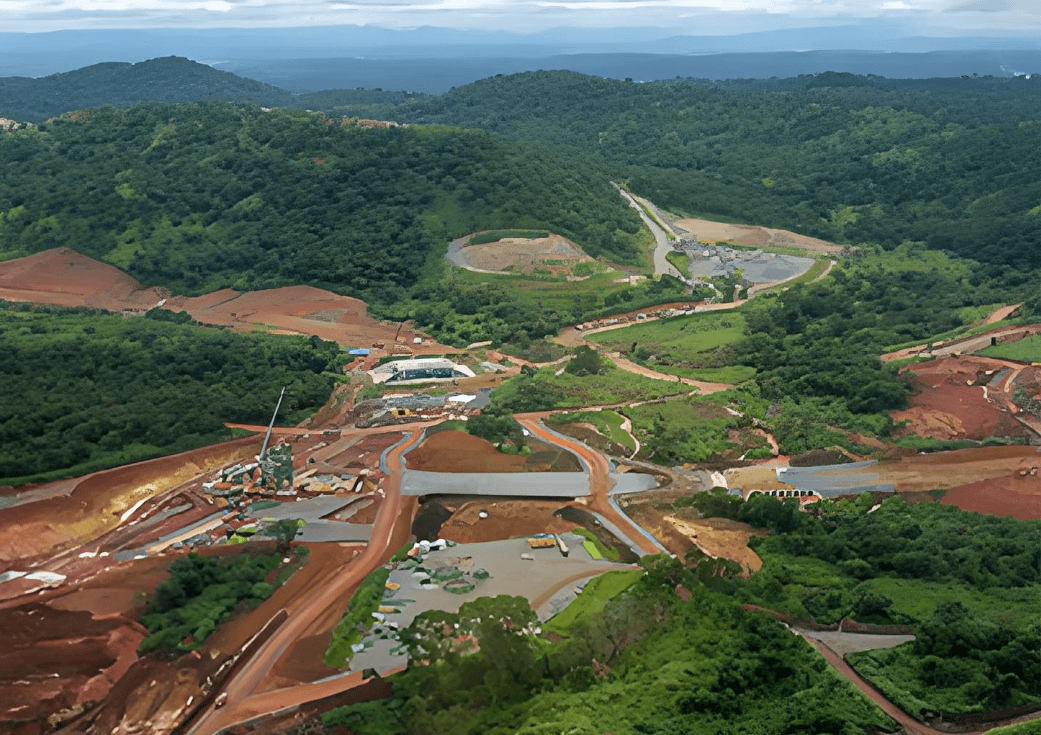
麦格理:必和必拓的铜业务计划达到重要里程碑
Xin Lang Cai Jing· 2026-02-18 03:25
Group 1 - The core viewpoint of the article is that Macquarie considers BHP's half-year performance as a significant milestone in the company's development process [1] - Macquarie highlights that BHP, as the world's largest mining company, has outlined a growth path for its copper business following several acquisitions [1] - The report indicates that BHP's long-term growth trajectory and financing avenues are evident, and the increased dividend rate meets the needs of income-focused investors [1] Group 2 - Macquarie raised BHP's target price by 2% to AUD 52 per share while maintaining a neutral rating [1] - Following the latest performance update, BHP's stock fell by 1.7% to AUD 51.86, despite a previous increase of 4.7% on Tuesday [1]

麦格理:必和必拓采取创新做法为铜业务增长提供资金
Ge Long Hui A P P· 2026-02-17 00:49
Group 1 - The core highlight from BHP's recent updates is the $4.3 billion silver streaming transaction, which reflects strong performance and innovative funding for future copper business growth while maintaining yield [1] - BHP's copper business has become its primary revenue source, contributing 51% to the EBITDA in the first half of the year [1] - Macquarie provided an update on BHP's copper growth project reserves, including the capital intensity of the Vicuna and Olympic Dam projects [1] Group 2 - Macquarie maintains a neutral rating on BHP with a target price of AUD 51.00 [1]