新能源汽车替代燃油车

Search documents
比亚迪二代刀片电池发布 产业链哪些企业将受益?
起点锂电· 2026-03-06 10:06
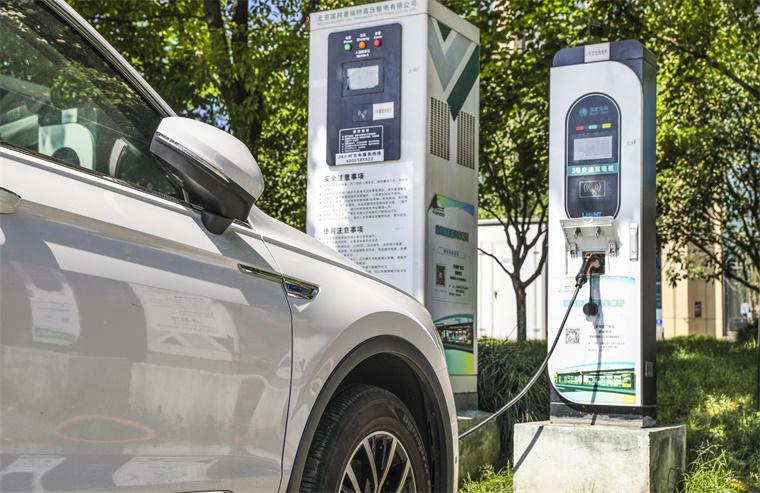
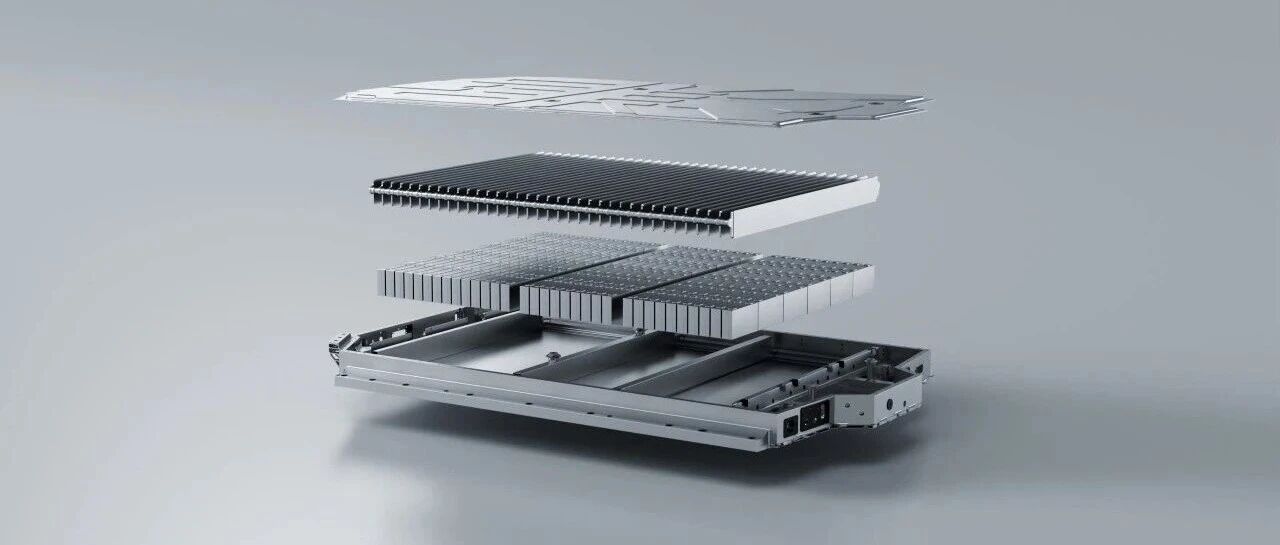
Core Viewpoint - The article discusses the advancements in BYD's second-generation blade battery technology, highlighting its performance improvements in safety, charging speed, and energy density, which are expected to reshape the electric vehicle battery landscape and enhance the competitiveness of China's battery industry globally [4][8]. Group 1: Event Details - The second "Starting Point Lithium Battery Cylindrical Battery Technology Forum" will be held on April 10, 2026, in Shenzhen, focusing on advancements in battery technology and the release of the top 20 cylindrical battery rankings [2][3]. Group 2: Second-Generation Blade Battery Features - The second-generation blade battery features a comprehensive redesign addressing key pain points in electric vehicle performance, including safety, range, fast charging, and low-temperature operation [4]. - The battery achieves a charging speed that allows it to go from 10% to 70% in just 5 minutes and from 10% to 97% in 9 minutes, significantly reducing charging anxiety for users [6]. - The energy density of the second-generation blade battery is reported to reach 190 Wh/kg, a 35% increase from the first generation's 140 Wh/kg, bringing it closer to high-end ternary lithium batteries [6][7]. Group 3: Market Impact and Industry Chain Benefits - The introduction of the second-generation blade battery is expected to lead to a redistribution of value within the industry chain, benefiting upstream raw material suppliers and core component manufacturers [9]. - Companies like Deyang Nano, which has the largest production capacity for manganese iron phosphate, are likely to see increased demand due to the new battery technology [10]. - Other suppliers, such as Fengyuan Co., Hunan Youneng, and Hubei Wanrun, are positioned to benefit from stable order growth as they supply key materials for the new battery technology [11][12]. Group 4: Supporting Technologies and Components - The development of high-performance silicon-carbon anode materials is crucial for enhancing battery performance, with companies like Bettery and Shanshan expected to see significant growth in production and market share [12]. - The electrolyte segment is also poised for growth, with companies like Tianci Materials leading in the production of high-rate additives that meet the demands of the new battery technology [12]. - The separator segment will benefit from increased demand for high porosity and thermal stability, with companies like Enjie and Xingyuan Materials expected to see order increases [13]. Group 5: Charging Infrastructure - BYD plans to establish a network of 20,000 fast charging stations by the end of 2026, which will enhance the accessibility of fast charging for electric vehicle users [8]. - Companies involved in the manufacturing of fast charging equipment, such as Shenghong Co. and XJ Electric, are likely to benefit from the expansion of BYD's charging network [14].


蔚来交出史上最好成绩单!三季度亏损收窄至34.8亿,李斌:有信心在今年四季度盈利【附新能源汽车行业市场分析】
Qian Zhan Wang· 2025-11-26 08:17
Group 1 - NIO reported its best-ever quarterly performance in Q3 2025, delivering 87,071 vehicles, a year-on-year increase of 40.8% and a quarter-on-quarter increase of 20.8% [2] - Revenue for Q3 reached 21.79 billion yuan, marking a year-on-year growth of 16.7% and a quarter-on-quarter growth of 14.7%, setting a new historical record [2] - The company achieved a comprehensive gross margin of 13.9% and a vehicle gross margin of 14.7%, both of which are the highest in nearly three years, indicating improved profitability [2] Group 2 - NIO's cash reserves increased to 36.7 billion yuan, a significant quarter-on-quarter growth of nearly 10 billion yuan, and the company achieved positive operating cash flow and free cash flow [2] - For Q4, NIO provided optimistic delivery guidance of 120,000 to 125,000 vehicles, representing a year-on-year increase of 65.1% to 72.0%, and revenue guidance of 32.76 billion to 34.04 billion yuan, indicating a year-on-year growth of 66.3% to 72.8% [2] - Despite a net loss of 3.48 billion yuan in Q3, this loss has significantly narrowed by over 30% compared to previous periods, suggesting that NIO is close to profitability [2] Group 3 - The Chinese electric vehicle industry is entering a highly competitive phase, with a year-on-year growth of 37% in production and sales from January to August 2025, but this is a sharp decline from the 159.5% growth seen in 2021 [3] - The market concentration is extreme, with the top ten companies holding 85.6% of the market share, leaving only 14.4% for hundreds of other brands, making survival difficult for mid-tier brands [4] - Policy changes, such as the adjustment of the new energy vehicle purchase tax from full exemption to half exemption starting in 2026, are intensifying market competition [5]