硅碳负极

Search documents
协鑫科技20230331
2026-04-01 09:59
Summary of GCL-Poly Energy's Conference Call Company Overview - **Company**: GCL-Poly Energy - **Industry**: Solar Energy and Materials Key Financial Performance - **2025 Revenue**: CNY 14.384 billion, a decrease of 4.5% from CNY 15.1 billion in 2024 [3] - **Net Loss**: CNY 2.868 billion, narrowed by 40% from CNY 4.75 billion in 2024 [3] - **Gross Profit**: CNY 1.331 billion, compared to a gross loss of CNY 2.5 billion in 2024, resulting in a gross margin of 9.3% [3] - **EBITDA**: CNY 2.82 billion, up from a negative CNY 1.4 billion in 2024 [3] - **Cash and Deposits**: CNY 9.3 billion, an increase of approximately 80% from CNY 5.1 billion in 2024 [3] Business Segment Performance - **Solar Materials**: Revenue of CNY 14.3 billion, down approximately 4%, with a loss of CNY 2 billion and a gross margin of 9.4% [4] - **Solar Power Stations**: Revenue of CNY 84 million, down 40% from CNY 140 million in 2024, with a loss of CNY 400 million and a gross margin of -22.5% [4] Debt and Liquidity - **Total Assets**: CNY 75.8 billion, up 1.3% from CNY 74.8 billion in 2024 [5] - **Total Liabilities**: CNY 32.4 billion, stable compared to CNY 32.5 billion in 2024 [5] - **Debt Ratio**: 42.8%, down 0.7 percentage points from 43.5% in 2024 [5] - **Short-term Debt**: CNY 12.4 billion, up 16% year-on-year [6] - **Non-restricted Cash**: CNY 9.3 billion, sufficient to cover short-term debts [6] Product and Cost Developments - **Silicon Cost**: Average cash cost for silicon in 2025 was CNY 25.12 per kg, down from CNY 33.52 per kg in 2024 [7] - **Silicon Sales Price**: Average selling price in 2025 was CNY 40 per kg, slightly up from CNY 38.65 per kg in 2024 [7] Technological Innovations - **Silicon Production**: Significant energy consumption reduction in the cold hydrogenation process, from 170 kWh to 55 kWh [8] - **Perovskite Technology**: 500 MW production line expected to ship in Q3 2026, with efficiency reaching 29.5% [9] - **AI Integration**: AI technology has improved R&D efficiency by nearly 100 times [15] Market Position and Strategy - **Market Share**: Silicon market share reached 23% in 2025 [11] - **Customer Base**: Strong relationships with top 5 global customers, increasing shipment volume [11] - **Strategic Focus**: Shift towards core areas of granular silicon, perovskite, and silicon-carbon anodes, halting expansion in photovoltaic materials [2] Sustainability Goals - **Emission Reduction Targets**: Short-term goal to reduce greenhouse gas emissions intensity by 12% by 2026, and 18% by 2030 [16] Future Outlook - **Perovskite Business Expansion**: Plans for IPO in Hong Kong by 2026, with ongoing development of 500 MW production capacity in the U.S. [21] - **Cost Management**: Focus on cash flow control and continuous cost reduction [18] - **International Expansion**: Exploring overseas production capacity, particularly in the U.S. [18] Challenges and Risks - **Market Volatility**: Anticipated fluctuations in silicon prices due to seasonal demand and policy changes [17] - **Competition**: Perovskite technology expected to compete with traditional silicon products, with efficiency improvements needed to reduce costs [23] This summary encapsulates the key points from GCL-Poly Energy's conference call, highlighting financial performance, business strategies, technological advancements, and future outlooks.

欧阳明高院士,固态电池产业最新研判
DT新材料· 2026-03-15 16:05
Core Viewpoint - The development of solid-state batteries is progressing in stages, with current electric vehicles already being effective without waiting for solid-state technology to mature [1][2]. Group 1: Solid-State Battery Development Stages - The industrialization of solid-state batteries is divided into three generations: - **2025-2027**: Focus on graphite and low-silicon negative electrode sulfide solid-state batteries, targeting energy densities of 200Wh/kg to 300Wh/kg, aiming to overcome challenges in sulfide composite electrolytes [2]. - **2027-2030**: Development of high-silicon negative electrode sulfide solid-state batteries, with goals of 400Wh/kg and 800Wh/L, optimizing high-nickel ternary composite positive electrodes and sulfide composite electrolytes for next-generation passenger vehicle applications [2]. - **2030-2035**: Advancements in lithium negative electrode sulfide solid-state batteries, targeting 500Wh/kg and 1000Wh/L, focusing on key negative electrodes and non-lithium alternatives, utilizing advanced sulfide composite electrolytes [2]. Group 2: Current Market Insights - Testing of solid-state batteries is expected to begin by the end of this year, but large-scale industrialization will likely take an additional 3 to 5 years [2]. - The initial energy density for the widespread adoption of solid-state batteries is projected to be between 300Wh/kg and 350Wh/kg, with higher densities presenting greater challenges in quality control [2]. - Currently, there are marketing efforts for solid-state batteries, but no products are available for sale, suggesting caution for potential buyers in the next two years [2].

璞泰来狂赚23亿!
起点锂电· 2026-03-07 10:52
Core Viewpoint - The article highlights the strong performance and strategic positioning of the company, Puketailai, in the lithium battery industry, emphasizing its robust supply chain management and innovative product development. Group 1: Financial Performance - Puketailai reported a revenue of approximately 15.7 billion yuan for 2025, representing a year-on-year growth of about 16.8% [1] - The net profit reached approximately 2.36 billion yuan, a significant increase of around 98%, while the non-recurring net profit was about 2.22 billion yuan, up approximately 108.7% [1] Group 2: Business Segments - The battery materials segment accounted for over 70% of the company's revenue, with notable performance in membrane materials such as coating diaphragm processing and wet diaphragm production [2] - The company is a leading player in the artificial graphite anode sector, with a broad customer base and applications in silicon-carbon anodes for consumer batteries [3] Group 3: Strategic Development - Puketailai aims to enhance its R&D and production capacity, focusing on breakthroughs in base membranes, high-capacity and fast-charging anode materials, and solid-state battery equipment [3] - The company has established a comprehensive supply chain ecosystem, significantly improving its gross margin to 32.9% through cost control and technological advancements [4] Group 4: Market Position and Competition - Despite intense competition in the lithium battery sector, Puketailai has maintained its market share while accelerating product upgrades and exploring the silicon-carbon anode field [5] - The company has achieved over 50% year-on-year growth in coated diaphragm processing volume, securing a global market share of over one-third [5] Group 5: International Expansion - Puketailai is pursuing a dual strategy of capacity expansion and technology licensing to penetrate overseas markets, including establishing a subsidiary in Malaysia and a North American branch for technology services [5][6] - The company is adapting its strategies to navigate complex international market conditions, leveraging domestic policy support while addressing challenges abroad [5] Group 6: Subsidiary Developments - The subsidiary, Jiatong Intelligent, plans to list on the Beijing Stock Exchange, with 53,486,500 shares issued to raise 621 million yuan for investment in projects and core technology R&D [7] - Jiatong Intelligent reported a revenue of approximately 4.5 billion yuan for 2025, with a year-on-year growth of about 22.5% [7]

比亚迪二代刀片电池发布 产业链哪些企业将受益?
起点锂电· 2026-03-06 10:06
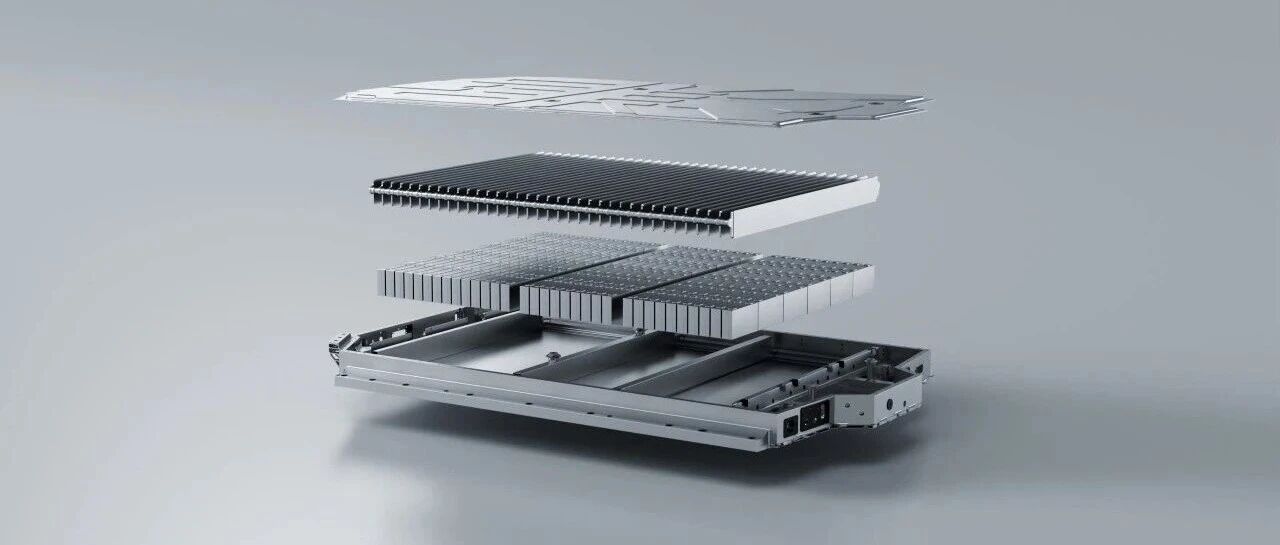
Core Viewpoint - The article discusses the advancements in BYD's second-generation blade battery technology, highlighting its performance improvements in safety, charging speed, and energy density, which are expected to reshape the electric vehicle battery landscape and enhance the competitiveness of China's battery industry globally [4][8]. Group 1: Event Details - The second "Starting Point Lithium Battery Cylindrical Battery Technology Forum" will be held on April 10, 2026, in Shenzhen, focusing on advancements in battery technology and the release of the top 20 cylindrical battery rankings [2][3]. Group 2: Second-Generation Blade Battery Features - The second-generation blade battery features a comprehensive redesign addressing key pain points in electric vehicle performance, including safety, range, fast charging, and low-temperature operation [4]. - The battery achieves a charging speed that allows it to go from 10% to 70% in just 5 minutes and from 10% to 97% in 9 minutes, significantly reducing charging anxiety for users [6]. - The energy density of the second-generation blade battery is reported to reach 190 Wh/kg, a 35% increase from the first generation's 140 Wh/kg, bringing it closer to high-end ternary lithium batteries [6][7]. Group 3: Market Impact and Industry Chain Benefits - The introduction of the second-generation blade battery is expected to lead to a redistribution of value within the industry chain, benefiting upstream raw material suppliers and core component manufacturers [9]. - Companies like Deyang Nano, which has the largest production capacity for manganese iron phosphate, are likely to see increased demand due to the new battery technology [10]. - Other suppliers, such as Fengyuan Co., Hunan Youneng, and Hubei Wanrun, are positioned to benefit from stable order growth as they supply key materials for the new battery technology [11][12]. Group 4: Supporting Technologies and Components - The development of high-performance silicon-carbon anode materials is crucial for enhancing battery performance, with companies like Bettery and Shanshan expected to see significant growth in production and market share [12]. - The electrolyte segment is also poised for growth, with companies like Tianci Materials leading in the production of high-rate additives that meet the demands of the new battery technology [12]. - The separator segment will benefit from increased demand for high porosity and thermal stability, with companies like Enjie and Xingyuan Materials expected to see order increases [13]. Group 5: Charging Infrastructure - BYD plans to establish a network of 20,000 fast charging stations by the end of 2026, which will enhance the accessibility of fast charging for electric vehicle users [8]. - Companies involved in the manufacturing of fast charging equipment, such as Shenghong Co. and XJ Electric, are likely to benefit from the expansion of BYD's charging network [14].

固态电池龙头,完成新一轮融资
DT新材料· 2026-03-03 01:07
Core Viewpoint - The article highlights the strategic investment by DaoDe Investment in QingTao (Kunshan) Energy Development Group, emphasizing its recognition in the solid-state battery sector and its significant market potential, as evidenced by its inclusion in the 2024 Hurun Global Unicorn List with a valuation of 20.5 billion yuan [1]. Group 1: Company Overview - QingTao Energy was established in 2016, led by a team from Tsinghua University and the Chinese Academy of Sciences, focusing on the research and production of solid-state batteries and their key materials [1]. - The company employs an "oxide + polymer" technology path for its first-generation semi-solid batteries and plans to adopt an "oxide + halide + polymer" approach for its second-generation solid-state batteries [1]. Group 2: Production Capacity and Technology - QingTao Energy has established solid-state battery and energy storage projects in multiple locations, with a total planned production capacity of 65 GWh [1]. - The company aims to achieve mass production of its third-generation solid-state batteries by 2027, targeting an energy density exceeding 500 Wh/kg and a cost reduction of approximately 40% compared to equivalent lithium iron phosphate or ternary batteries [1]. Group 3: Industry Partnerships - QingTao Energy has formed long-term partnerships with several major automotive companies, with its products already utilized in various vehicle models, including the Zhiji L6 and the new MG4 from SAIC [2].
枣庄“新春第一会”:护航企业发展 强工兴产谋转型
Zhong Guo Jing Ying Bao· 2026-02-27 08:30
Group 1 - The core theme of the meeting is "Service Year for Enterprises," focusing on "Strengthening Industry and Promoting Transformation" to enhance the business environment for resource-based cities [1][2] - Zaozhuang has set 2026 as the "Service Year for Enterprises," indicating a clear direction for its transformation from a resource-dependent economy to a modern industrial system [2][3] - The city has a total of 531,200 private enterprises and individual businesses, accounting for 97.64% of all market entities, significantly higher than the national average [2] Group 2 - Zaozhuang has introduced a "three batches" precise support system to ensure effective service delivery, including support for leading enterprises, specialized and innovative companies, and small and micro enterprises [2][3] - The city has launched nine service actions and allocated 247 million yuan to address issues like financing difficulties and high costs for enterprises, aiming to stabilize market expectations and boost business confidence [3] - The focus on "Service Year for Enterprises" is expected to enhance the business environment, aligning with national strategies to support the development of the private economy and the inherent rules of transformation for resource-based cities [4]
新能源电池新的未来新方向
Jin Tou Wang· 2026-02-27 02:43
Core Insights - The next five years in the new energy battery sector will be dominated by solid-state batteries, which are set to redefine the entire battery supply chain and present significant investment opportunities [1] - China has established itself in the leading tier of the global race for solid-state battery technology, with a surge in patents, supportive policies, and strategic corporate positioning [1] Industry Overview - Solid-state batteries are recognized for their ability to achieve energy densities exceeding 400Wh/kg, making them a focal point for global investment and technological advancement [1] - The period from 2025 to 2027 is identified as a critical window for industrialization, with major automotive and battery companies expected to complete pilot production lines and begin vehicle testing [1] Material Innovations - The electrolyte is considered the "heart" of solid-state batteries, with the sulfide route being the mainstream choice due to its superior ionic conductivity [3] - Lithium sulfide, the core raw material for sulfide electrolytes, presents significant production challenges, and companies that can achieve mass production and cost reduction will gain a competitive edge [4] Anode and Cathode Developments - The anode materials directly influence battery energy density, with pure lithium metal anodes being the ultimate goal due to their potential for nearly tenfold capacity improvement [5] - Silicon-carbon anodes are seen as a transitional solution, with advancements in technology addressing previous challenges related to expansion and consistency [6] - Cathode materials are evolving towards "high nickel + lithium-rich manganese" routes, with the latter being a new opportunity presented by solid-state technology [7] Supporting Materials and Equipment - Auxiliary materials and current collectors, while smaller segments, present substantial market opportunities, with significant demand for single-walled carbon nanotubes and other essential materials [8] - The transition to solid-state batteries necessitates a comprehensive upgrade of production equipment, with 60%-70% of existing machinery requiring replacement or modification [8] - Dry processing equipment is highlighted as a key area for innovation, enhancing battery density and energy efficiency while reducing operational costs [8][9] New Market Opportunities - Isostatic pressing equipment, previously unused in the lithium battery sector, is expected to create new market demands due to its role in enhancing battery density [9] - Leading companies are accelerating the development of complete solid-state battery production lines, indicating a shift towards more integrated manufacturing solutions [9]
固态电池——新能源电池新的万亿方向
Ge Long Hui A P P· 2026-02-25 09:16
Core Insights - The next five years are critical for solid-state batteries, which are set to revolutionize the battery industry and create significant investment opportunities in the trillion-dollar market [1] - China is positioned in the leading tier globally, with a surge in patents, policies, and corporate strategies aimed at solid-state battery development [1][10] - Solid-state batteries are the only technology currently capable of achieving energy densities above 400Wh/kg, making them a focal point for global investment and development [1][10] Industry Chain Explosion - The transition from traditional lithium batteries to solid-state batteries involves a complete overhaul of the material system and significant upgrades in production equipment, leading to numerous investment opportunities [3] - Sulfide electrolytes are recognized as the mainstream route for solid-state batteries, with lithium sulfide being a critical material that poses production challenges [4][5] - The production of lithium sulfide is currently limited, and companies like Shanghai Xiba and Tianci Materials are leading efforts to scale up production and reduce costs [5] Material Innovations - The negative electrode materials are crucial for battery energy density, with pure lithium metal being the ultimate goal, while silicon-carbon composites serve as a transitional solution [6][7] - Positive electrode materials are evolving towards high nickel and lithium-rich manganese-based compositions, which are expected to gain traction post-2025 [7] - Auxiliary materials and current collectors present significant growth opportunities, with companies like Tianwei Technology and Boyuan Co. focusing on essential components for solid-state batteries [8] Equipment Upgrades - The shift to solid-state batteries necessitates a 60%-70% upgrade or replacement of existing production equipment, particularly in dry processing and isostatic pressing [8][9] - Dry processing equipment is critical for enhancing battery density and energy efficiency, with companies like Honggong Technology and Naknor leading advancements [9] - Isostatic pressing equipment is a new market segment, requiring high pressure and safety standards, with traditional manufacturers adapting their products for the lithium battery sector [9] Investment Opportunities - The commercialization of solid-state batteries will benefit materials, equipment, and battery manufacturers, with a focus on leading companies and those positioned strategically in the supply chain [10] - Key material players include Shanghai Xiba and Tianci Materials for sulfide electrolytes, and companies like Zhongyi Technology and Tianqi Lithium for lithium metal anodes [11] - Equipment leaders such as Honggong Technology and Sichuan Lieneng are well-positioned to capture growth in the solid-state battery market [12] - Major battery manufacturers like CATL and BYD are leading the charge in solid-state battery development, while differentiated companies like Jinlongyu and Zhuhai Guanyu are also making significant investments [13]
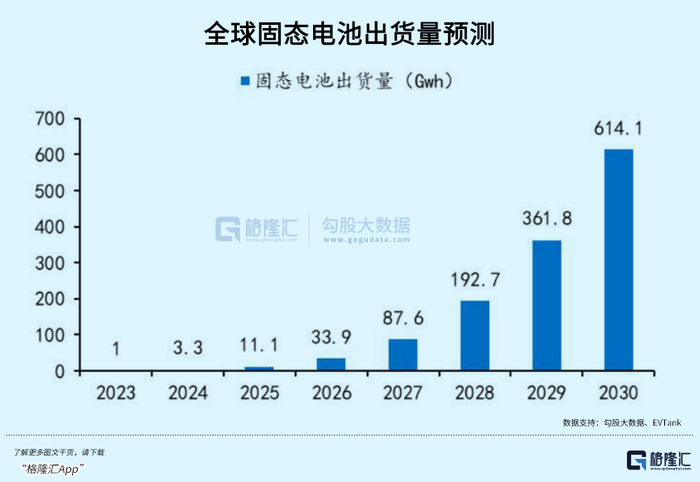
固态电池深度:电池变革重要赛点,设备材料全新颠覆
2026-02-25 04:13
Summary of Conference Call on Solid-State Battery Development Industry Overview - The focus of the conference call was on the solid-state battery industry, highlighting its significance in the global energy storage competition and the transition towards all-solid-state batteries as a consensus in the industry [2][3]. Key Points and Arguments 1. **Investment Focus**: The report emphasizes the need to invest in disruptive elements within the solid-state battery supply chain, particularly in sulfide electrolytes, high nickel, and lithium-rich manganese-based cathodes, as well as lithium metal and silicon-carbon anodes [2][3]. 2. **Energy Density Goals**: Future applications such as electric aircraft and long-range vehicles require energy densities exceeding 400 Wh/kg, achievable only through solid-state battery systems [3]. 3. **Patent Landscape**: China has significantly increased its patent filings in solid-state battery technology since 2022, indicating a competitive landscape alongside Japan, Korea, and the US [3][4]. 4. **Material Innovations**: The core innovation in solid-state batteries lies in the transition from liquid to solid electrolytes, with sulfide electrolytes being the most promising due to their high ionic conductivity [6][7]. 5. **Production Challenges**: The production of lithium sulfide, a key material, faces challenges due to its reactivity with air and moisture, making it expensive and difficult to scale [7][9]. 6. **Anode Developments**: The transition from graphite to lithium metal anodes could potentially increase energy density by nearly tenfold, although issues with dendrite formation remain a concern [10][12]. 7. **Cathode Materials**: There is a debate between high nickel and lithium-rich manganese-based cathodes, with the latter showing potential for higher voltage stability in solid-state applications [15]. 8. **Equipment Innovations**: The shift from wet to dry processing methods in battery production is highlighted as a significant advancement, improving battery density and reducing manufacturing costs [18][19]. 9. **Market Dynamics**: The report anticipates a surge in orders and revenue for equipment manufacturers in 2026, driven by increased production capacity and technological advancements [26][30]. Additional Important Insights - **Emerging Players**: New companies are expected to emerge in the solid-state battery space, particularly those focusing on innovative materials and manufacturing processes [14][15]. - **Collaborative Efforts**: There is a strong emphasis on collaboration between battery manufacturers and material suppliers to enhance performance and reduce costs [27][28]. - **Regulatory Support**: The Chinese government is investing significantly in solid-state battery research and development, which is expected to accelerate industry growth [4][30]. - **Potential Risks**: The industry faces risks related to production scalability, material costs, and technological maturity, which could impact the timeline for widespread adoption of solid-state batteries [20][24]. This summary encapsulates the critical insights from the conference call regarding the solid-state battery industry, focusing on investment opportunities, technological advancements, and market dynamics.
Carbontech2026 第十届国际碳材料产业展览会丨6月10-12日,上海再出发!
Sou Hu Cai Jing· 2026-02-12 16:49
Core Insights - The 10th International Carbon Materials Conference and Exhibition (Carbontech 2026) will take place from June 10-12, 2026, at the Shanghai New International Expo Center, reflecting the acceleration of strategic emerging industries and high-end manufacturing systems in China [1][2] - Carbon materials, including carbon fiber, carbon nanotubes, graphene, and silicon-carbon anodes, are becoming essential materials for future industries due to their unique physical and chemical properties [1][3] Group 1: Event Overview - Carbontech 2026 will merge with the iTherM2026 and AMTE2026 exhibitions to form the FINE2026, aiming to establish a benchmark exhibition in the new materials sector with a focus on future industries [2] - The exhibition will cover an area of 50,000 square meters, featuring over 800 participating companies, 200+ research institutions, and attracting more than 100,000 professional visitors [2] Group 2: Industry Significance - Carbon materials have maintained their strategic importance throughout various stages of industrial civilization, evolving from graphite and activated carbon to advanced materials like diamond semiconductors and carbon fiber [3] - The conference serves as a vital platform for academic exchange and industry collaboration, showcasing the strategic value and enduring vitality of carbon materials in energy, information, and advanced technology sectors [3] Group 3: Recent Developments - The 2025 Carbontech event attracted over 10,000 professional visitors and featured nearly 400 exhibitors, highlighting the industry's growth and the increasing interest in carbon materials [6][8] - The event included specialized areas focusing on diamond and superhard materials, as well as carbon materials for energy and equipment, demonstrating the innovative applications and solutions in strategic fields [8][11] Group 4: Future Trends - With the rapid development of emerging industries such as artificial intelligence, semiconductors, and new energy vehicles, carbon materials are expected to experience significant growth and application expansion [11] - The conference will feature a dedicated area for new product launches, allowing companies to showcase technological breakthroughs and connect with potential customers [14]