新能源汽车购置税兜底政策

Search documents
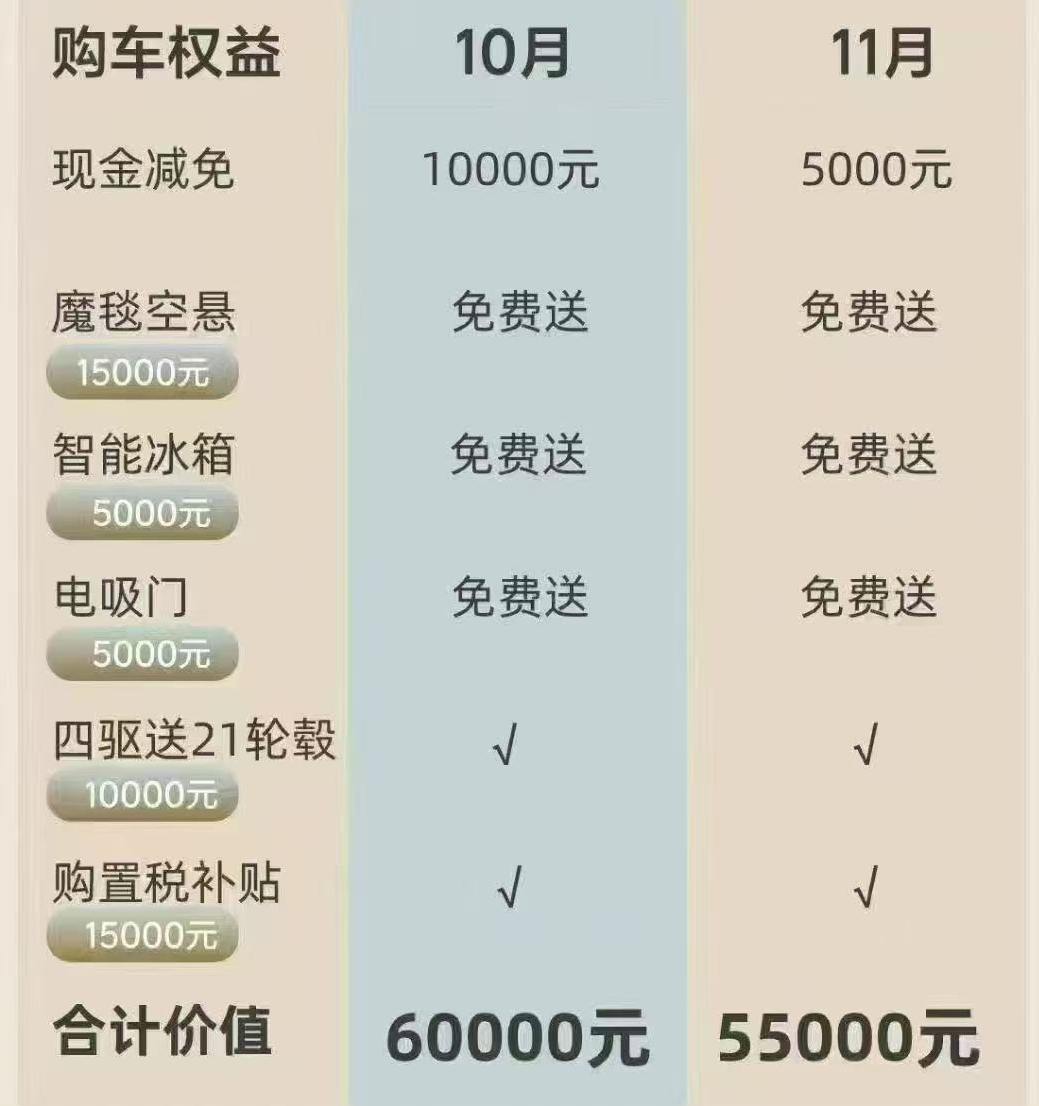
新能源免购置税倒计时:多家车企宣布税费“兜底”政策 ,年底抢单大战开始!
Mei Ri Jing Ji Xin Wen· 2025-11-03 03:00
Core Viewpoint - The upcoming reduction of the new energy vehicle purchase tax is expected to stimulate a surge in vehicle purchases before the end of the year, with many consumers eager to take advantage of the tax benefits before they expire [1][5]. Group 1: Purchase Tax Policies - Several automakers have introduced "guarantee" policies for the purchase tax, ensuring that if vehicles are delayed due to production or transportation issues, the companies will cover the tax difference, with subsidies reaching up to 15,000 yuan per vehicle [1][4]. - Ideal Auto has set a deadline for consumers to place orders by the end of November to qualify for the purchase tax guarantee, with additional cash subsidies for those who order earlier [2][3]. Group 2: Market Dynamics - The automotive market is currently in a sales push as companies aim to meet their annual targets, coinciding with the critical window of the purchase tax policy [5][7]. - Data from the China Passenger Car Association indicates that the retail sales of new energy vehicles reached 901,000 units from October 1 to 26, marking a 22% year-on-year increase, reflecting sustained consumer enthusiasm [7]. Group 3: Consumer Behavior - Consumers are encouraged to place orders quickly to avoid missing out on tax benefits, especially for vehicles priced over 200,000 yuan, where the purchase tax represents a significant cost [5][7]. - The competitive landscape is intensifying as various manufacturers, including Xiaomi and Chery, implement similar tax guarantee policies to attract buyers [4][5].


新能源购置税退坡倒计时 车企“自掏腰包”兜底政策汇总
Zhong Guo Zhi Liang Xin Wen Wang· 2025-10-29 05:23
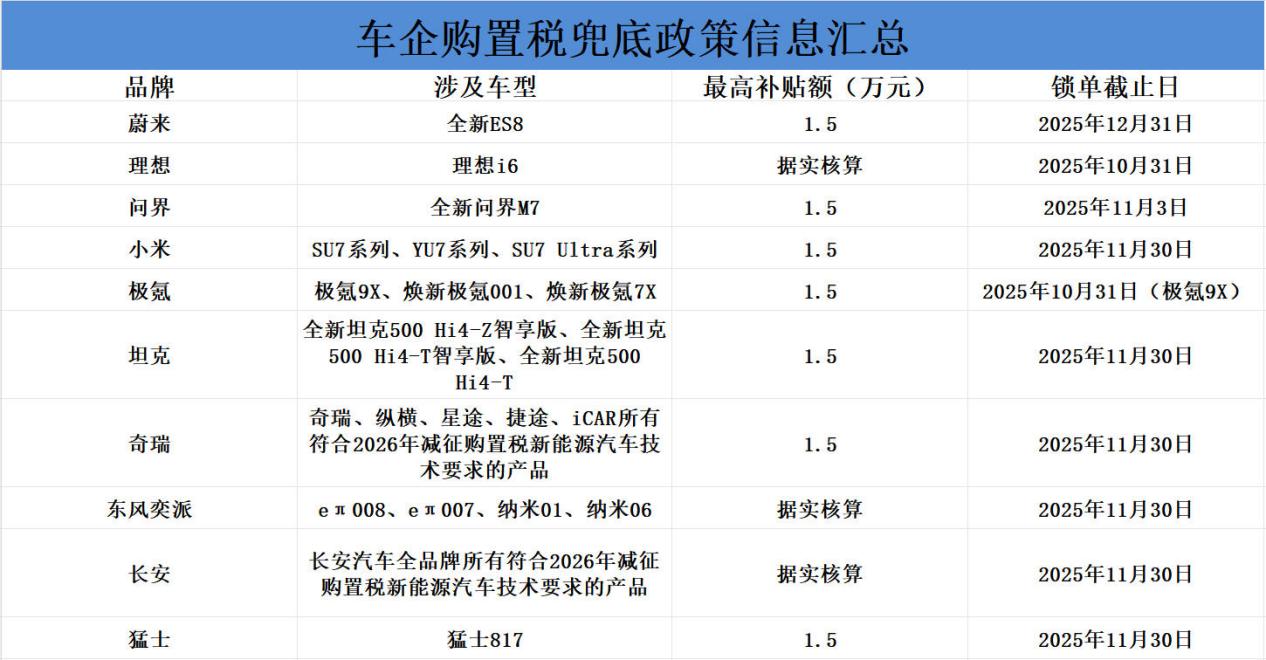
Core Viewpoint - The exemption policy for new energy vehicle purchase tax will end on December 31, 2025, transitioning to a half-tax collection starting January 1, 2026, prompting various automakers to implement "bottom-line" subsidy policies to attract orders before the policy change [1] Summary by Category Automaker Subsidy Policies - NIO offers a subsidy of up to 15,000 yuan for orders of the new ES8 locked by December 31, 2025, ensuring customers are not burdened by tax changes if delivery occurs in 2026 [4] - Li Auto's i6 model provides a tax subsidy based on actual calculations for orders locked by October 31, 2025, with cash reductions on final payments to cover tax differences [6] - Aito's new M7 model offers a similar subsidy structure, with a maximum of 15,000 yuan for orders locked by November 3, 2025 [6] - Xiaomi's SU7 series and others provide a subsidy of up to 15,000 yuan for orders locked by November 30, 2025 [8] - Zeekr offers a tax subsidy for orders of the 9X model locked by October 31, 2025, with a maximum of 15,000 yuan [8] - Tank SUV's new models provide a subsidy for orders locked by November 30, 2025, ensuring customers are covered if delivery is delayed to 2026 [9] - Chery announces a subsidy for all eligible models if orders are locked by November 30, 2025, covering tax differences for delayed deliveries [11] - Dongfeng Yipai offers cash subsidies for orders locked by November 30, 2025, applicable to specific models [13] - Changan announces a subsidy for all eligible models with orders locked by November 30, 2025 [13] - Haval's M817 model provides a subsidy for orders locked by November 30, 2025, with a maximum of 15,000 yuan [15] Market Dynamics and Implications - The impending tax policy change has triggered automakers to adopt subsidy policies to mitigate the risk of losing customers who may delay purchases due to increased costs [16] - The long delivery cycles for popular new energy vehicles exacerbate the issue, leading to potential order losses if customers face tax liabilities due to delayed deliveries [16] - The subsidy policies are not merely promotional tactics but are seen as trust-building contracts between brands and consumers, enhancing brand loyalty and competitive advantage in a rationalizing market [16] - Companies that prioritize customer interests through these policies are likely to gain a competitive edge in the evolving market landscape [16]