
旅游市场强制消费

Search documents
文旅部公布2026年第一批旅游市场强制消费典型案例
Xin Lang Cai Jing· 2026-02-20 09:21
Core Viewpoint - The Ministry of Culture and Tourism has released the first batch of typical cases of forced consumption in the tourism market to maintain order during the 2026 Spring Festival holiday, highlighting various issues faced by outbound tourists [1] Group 1: Cases of Forced Consumption - A total of 13 typical cases were announced, covering various situations such as forced consumption, "brainwashing" shopping, tour leaders receiving kickbacks, and travel agencies organizing illegal activities [1] - Specific cases include low-cost senior tourism groups "abandoning" tourists, organizing outbound tours without the necessary operating permits, and product descriptions containing gambling content [1]
打击旅游市场强制消费,不能只靠行政处罚
Sou Hu Cai Jing· 2025-09-26 13:29
Core Viewpoint - The Ministry of Culture and Tourism has reported typical cases of forced consumption in the tourism market, highlighting issues such as concealed shopping itineraries and coercive shopping practices, aiming to regulate the tourism market order [2][3] Group 1: Regulatory Actions - In 2025, the Ministry has announced the third batch of typical cases, totaling 48 cases reported this year, involving various forms of forced purchases and coercive shopping [2] - The government has implemented strict measures to combat forced consumption practices, with the disclosure of typical cases serving to reflect issues and warn industry practitioners [2][3] Group 2: Nature of Forced Consumption - The article describes a new form of coercive shopping termed "soft coercion," where tour guides pressure tourists to shop by restricting their activities and prolonging their stay in shopping venues [2][3] - Tourists have reported experiences where they were taken to jewelry and jade stores and were not allowed to leave until they had spent a certain amount of time there [2] Group 3: Enforcement Challenges - Despite the existence of regulations, enforcement remains inconsistent, with penalties often limited to the revocation of tour guide licenses and temporary business suspensions [3][4] - A notable case in Heilongjiang involved three tour guides being sentenced for coercive shopping, which sparked significant public interest, but such strict enforcement is not common [3][4] Group 4: Need for Improved Regulations - There is a call for clearer definitions of "forced shopping" in regulations to reduce enforcement costs and enhance deterrent effects [3] - The article suggests that collaboration between cultural and tourism departments and law enforcement agencies is essential to effectively address forced shopping issues and improve industry standards [4]

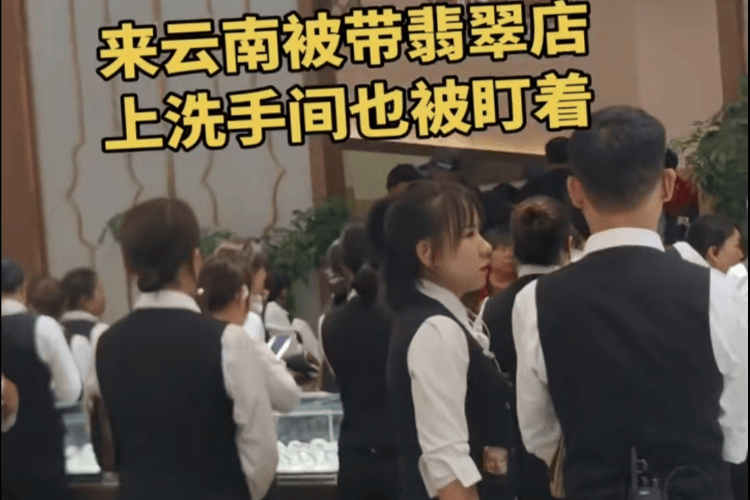
不消费不让走、不允许游客上车……文旅部重磅出击
券商中国· 2025-07-11 23:16
Core Viewpoint - The article highlights the increasing issue of forced consumption in the tourism market, particularly in low-cost travel packages, which has become a focus for regulatory scrutiny [1][2]. Group 1: Regulatory Actions - The Ministry of Culture and Tourism has released a new batch of typical cases of forced consumption in the tourism market, totaling 16 cases, many of which are linked to low-cost travel agencies and online customer acquisition through new media platforms [2][12]. - In the first half of 2025, over 142,000 cultural market enforcement personnel were deployed, inspecting more than 50,000 business units and concluding over 1,600 cases [3]. Group 2: Low-Cost Travel Issues - Low-cost travel groups are identified as a major area for forced consumption, with 11 out of the 16 cases related to these tours. Travel agencies often attract customers with "zero group fees" or prices below cost, compensating for losses through high commissions from shopping arrangements [4][12]. - Specific cases illustrate the issue, such as a travel agency in Xiamen that charged below actual costs and forced tourists to shop at six stores, and another agency in Guilin that required guides to pay upfront costs while coercing tourists into shopping [5][6]. Group 3: Coercive Tactics - Various coercive tactics have been reported, including guides using threatening language to force tourists into shopping activities, such as stating "no shopping means no exit" [7][8]. - Some guides have also been found to mislead tourists with inappropriate comments to encourage purchases, indicating a troubling trend in the industry [8]. Group 4: Unlicensed Guides - The rise of unlicensed guides operating under the guise of "travel companions" or "customized guides" on social media platforms poses a new risk to the tourism market. Several cases of unlicensed guiding have been documented, including one where a guide was fined for providing services without a license [9][10]. - The Ministry of Culture and Tourism has advised tourists to be cautious of these unlicensed operators and to verify the qualifications of guides through the national tourism regulatory service platform [10][11]. Group 5: Penalties and Industry Challenges - The 16 cases revealed significant penalties imposed by regulatory authorities, including fines ranging from 1,000 to 214,000 yuan, and operational restrictions on travel agencies lasting from 3 days to 3 months [13][14]. - Despite the increasing severity of penalties, underlying issues in the industry remain unresolved, particularly the survival logic of low-cost tours. There is a need for comprehensive reform in the tourism shopping market and continued education for consumers, especially older adults, about the dangers of unreasonable low-cost tours [15].

对旅游市场强制消费说“不”!文旅部出手
证券时报· 2025-07-11 14:58
Core Viewpoint - The article highlights the increasing issue of forced consumption in the tourism market, particularly in low-cost travel packages, which has become a focus for regulatory scrutiny [1][2]. Group 1: Regulatory Actions - The Ministry of Culture and Tourism has released a new batch of typical cases of forced consumption in the tourism market, totaling 16 cases, many of which are linked to low-cost travel agencies and online customer acquisition through new media platforms [2][3]. - In the first half of 2025, over 142,000 cultural market enforcement personnel were deployed, inspecting more than 50,000 business units and concluding over 1,600 cases [3]. Group 2: Low-Cost Travel Issues - Forced shopping is a core issue in low-cost travel packages, with 11 out of the 16 cases related to low-cost tours. Travel agencies often attract customers with "zero group fees" or prices below cost, compensating for losses through high commission from shopping arrangements [5]. - Specific cases include a travel agency in Xiamen that charged below actual costs and forced tourists to shop at six stores to collect kickbacks [5]. Group 3: Coercive Tactics - Various coercive tactics have been reported, such as tour guides using threatening language to compel tourists to participate in shopping activities, including statements like "you won't leave without spending" [6][7]. - In one instance, a guide used manipulative language suggesting that tourists could receive special services in exchange for purchases, further illustrating the aggressive sales tactics employed [8]. Group 4: Unlicensed Guides - The rise of unlicensed guides using social media to attract tourists poses a new risk in the tourism market. Several cases involve individuals providing services without proper licenses, leading to complaints from dissatisfied customers [10]. - The Ministry of Culture and Tourism has warned tourists to be cautious of unlicensed individuals operating under various titles, such as "travel companions" or "guides" [10]. Group 5: Penalties and Industry Challenges - The 16 cases revealed significant penalties imposed by regulatory authorities, including fines ranging from 1,000 to 214,000 yuan, and operational restrictions on travel agencies from 3 days to 3 months [14][15]. - Despite the increased penalties, underlying issues in the industry remain unresolved, particularly the survival logic of low-cost tours. A comprehensive overhaul of the tourism shopping market is necessary to eliminate the profit chain associated with unreasonable low-cost tours [15].

对旅游市场强制消费说“不”!文旅部出手
Zheng Quan Shi Bao Wang· 2025-07-11 13:34
Core Insights - The article highlights the increasing issue of forced consumption in the tourism market, particularly in low-cost travel packages, which has become a regulatory focus [1][2] Group 1: Forced Consumption in Low-Cost Tours - Forced shopping is a central issue in low-cost tours, with 11 out of 16 cases related to this problem [2] - Travel agencies often attract customers with "zero group fees" or prices below cost, compensating for losses through high commissions from shopping arrangements [2] - Specific cases include a travel agency in Xiamen that charged below actual costs and forced tourists to shop at six stores to receive kickbacks [2] Group 2: Methods of Coercion - Various coercive tactics are employed by tour guides, including threats and aggressive sales pitches [3][4] - Instances of guides using phrases like "you won't leave without shopping" and offering "special services" to entice purchases were reported [4] Group 3: Rise of Unlicensed Guides - The trend of using social media to find travel companions or private guides has led to an increase in unlicensed guides operating under various titles [5] - A case involved an unlicensed guide who was fined for providing services without a valid guide certificate [5] Group 4: Regulatory Actions and Penalties - The article details the penalties imposed on violators, including fines ranging from 1,000 to 214,000 yuan and operational restrictions for travel agencies [7][8] - Measures include temporary suspension of guide licenses and, in severe cases, criminal charges for unlicensed guides [8] Group 5: Industry Challenges and Recommendations - Despite stricter penalties, the underlying issues in the industry remain unresolved, particularly the survival logic of low-cost tours [8] - Recommendations include a comprehensive overhaul of the tourism shopping market and increased consumer education to protect vulnerable groups from unreasonable low-cost tours [8]