
协同监管

Search documents
我们需要缔造怎样的数字未来?
Xin Lang Cai Jing· 2026-02-20 23:49
Core Viewpoint - The recent meeting regarding the regulation of ride-hailing platforms, particularly focusing on issues like inadequate management, price suppression, and improper emergency responses, serves as a warning for the entire industry, highlighting the conflict between efficiency and social responsibility in the platform economy [1][2] Group 1: Industry Issues - The meeting with Gaode Dache (Gaode Taxi) is not an isolated administrative intervention but reveals deeper contradictions within the platform economy as it prioritizes efficiency over social responsibility [1] - The rise of aggregation platforms has made them a crucial choice for users, but their role as neutral intermediaries is undermined by their actual power in rule-making, traffic distribution, and pricing models, leading to issues like order reselling and chaotic commission structures [1] - The five requirements outlined in the meeting directly address industry pain points, emphasizing the need for reasonable income guarantees and advance compensation measures to ensure healthy industry development [1] Group 2: Regulatory Evolution - The event reflects an ongoing upgrade in regulatory thinking, transitioning from an early "inclusive and prudent" approach to a current "coordinated regulation," indicating a deepening of governance [2] - Challenges remain in balancing innovation stimulation with necessary social safeguards, and in transforming administrative effectiveness into intrinsic governance mechanisms within platforms [2] - The meeting serves as a reminder for the entire industry that technological rationality should not expand unchecked, and that human value and social welfare must be central to business logic [2] Group 3: Future of the Industry - The rectification of Gaode Dache highlights the importance of respecting individuals, adhering to rules, and taking responsibility, as neglecting these aspects can lead to the downfall of even the largest commercial empires [2] - For the ride-hailing industry to thrive sustainably while serving public transportation needs, it must root technological advancements in social responsibility, ensuring that platforms are accountable and drivers feel valued [2] - The vitality of the digital economy ultimately depends on its ability to find a lasting balance between efficiency and fairness, as well as innovation and responsibility [2]
多人违反“限高令”乘机被拘留,他们是如何坐上高铁和飞机的?
Xin Lang Cai Jing· 2026-01-25 05:55
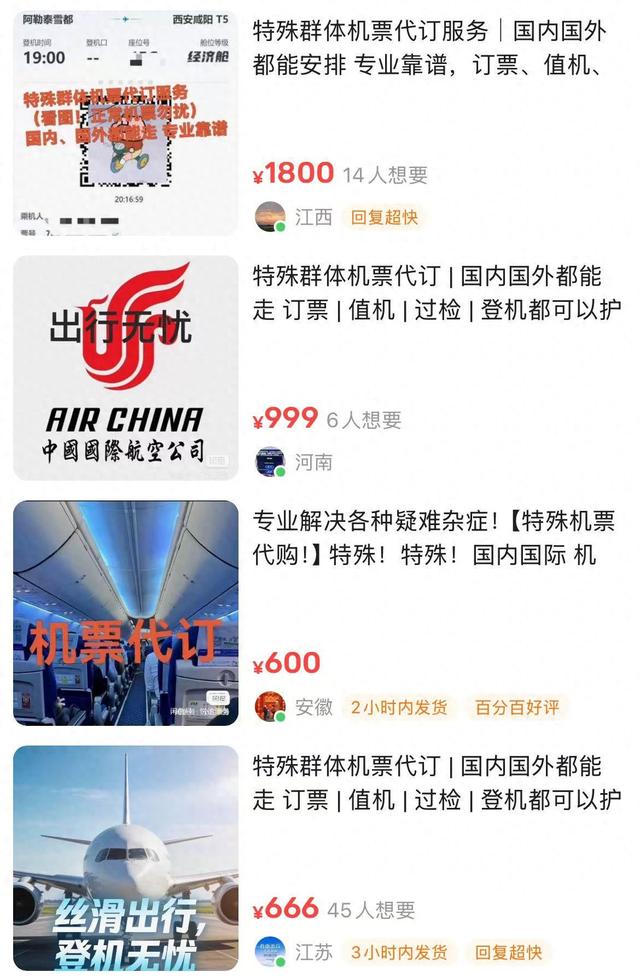
Core Viewpoint - The article discusses the enforcement of "consumption restriction orders" by courts in China, aimed at preventing high consumption behaviors of individuals who have not fulfilled their legal obligations, highlighting recent violations and the emergence of a gray market for circumventing these restrictions [1][2]. Group 1: Legal Framework and Enforcement - Courts issue "consumption restriction orders" to limit high spending behaviors of individuals who fail to comply with legal obligations, including actions like flying, staying in luxury hotels, and purchasing real estate [1]. - The Supreme People's Court has outlined nine high consumption behaviors that are restricted, with the primary focus on travel by air or high-class train services [1]. - Recent cases reveal that individuals, such as Hu, have violated these orders, prompting courts to impose fines and other penalties [2]. Group 2: Circumvention Methods - Reports indicate that individuals are finding ways to bypass these restrictions, including using old passports or third-party intermediaries to book flights [11][12]. - Some intermediaries claim to exploit time gaps in the updating of passport information to facilitate ticket purchases without detection [11]. - There are also methods involving the use of friends' identification to board trains while circumventing restrictions [11][12]. Group 3: Regulatory Challenges - The ability of individuals to bypass consumption restrictions highlights significant gaps in the regulatory framework, particularly in information sharing between courts, police, and transportation authorities [13]. - Experts suggest that improving inter-departmental collaboration and enhancing legal penalties for those who assist in circumventing these orders is essential for effective enforcement [12][13].

南京建邺城管面对面服务,护航新交付小区业主安居
Xin Lang Cai Jing· 2026-01-05 15:37
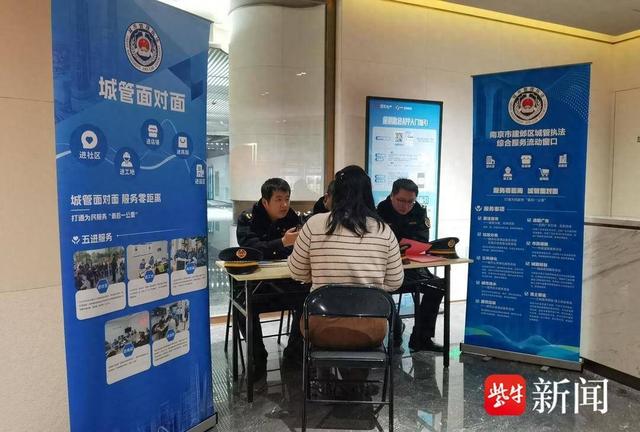
Core Viewpoint - The recent community service event in Nanjing's Jianye District aims to enhance urban management and provide support to homeowners during the key phase of property handover, focusing on issues such as waste disposal and property management [2][5]. Group 1: Event Overview - The event was organized by the Jianye District Urban Management Comprehensive Law Enforcement Team in collaboration with the Shuangzha Street, integrating multiple enforcement forces to address urban management issues [2]. - It provided a one-stop service to homeowners, addressing potential concerns related to renovation waste, illegal constructions, and community green space protection [2][5]. Group 2: Training and Support for Property Management - Targeted training was conducted for property staff, focusing on key points of waste classification and the logistics of renovation waste disposal [3]. - The event promoted a "clearing service card" to facilitate homeowners' access to compliant waste disposal services [3]. Group 3: Collaborative Governance Model - The event exemplified a governance model of "source control, proactive service, and collaborative supervision," establishing a communication mechanism between urban management, local streets, and property management [5]. - A commitment was made to respond quickly to issues raised by homeowners, ensuring effective urban management and environmental order [5]. Group 4: Impact and Future Plans - The event served over 80 homeowners and property staff, distributing over 100 informational materials, thereby enhancing compliance awareness [5]. - Future plans include regularizing proactive urban management services and expanding the "face-to-face urban management" initiative to address community needs effectively [5].
打击旅游市场强制消费,不能只靠行政处罚
Sou Hu Cai Jing· 2025-09-26 13:29
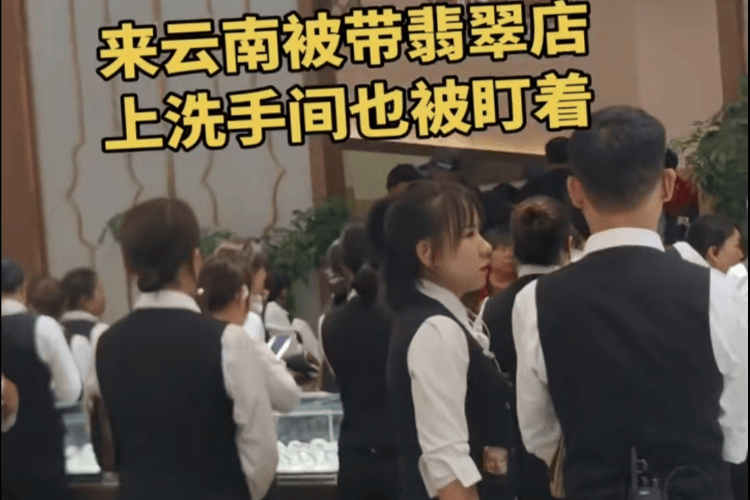
Core Viewpoint - The Ministry of Culture and Tourism has reported typical cases of forced consumption in the tourism market, highlighting issues such as concealed shopping itineraries and coercive shopping practices, aiming to regulate the tourism market order [2][3] Group 1: Regulatory Actions - In 2025, the Ministry has announced the third batch of typical cases, totaling 48 cases reported this year, involving various forms of forced purchases and coercive shopping [2] - The government has implemented strict measures to combat forced consumption practices, with the disclosure of typical cases serving to reflect issues and warn industry practitioners [2][3] Group 2: Nature of Forced Consumption - The article describes a new form of coercive shopping termed "soft coercion," where tour guides pressure tourists to shop by restricting their activities and prolonging their stay in shopping venues [2][3] - Tourists have reported experiences where they were taken to jewelry and jade stores and were not allowed to leave until they had spent a certain amount of time there [2] Group 3: Enforcement Challenges - Despite the existence of regulations, enforcement remains inconsistent, with penalties often limited to the revocation of tour guide licenses and temporary business suspensions [3][4] - A notable case in Heilongjiang involved three tour guides being sentenced for coercive shopping, which sparked significant public interest, but such strict enforcement is not common [3][4] Group 4: Need for Improved Regulations - There is a call for clearer definitions of "forced shopping" in regulations to reduce enforcement costs and enhance deterrent effects [3] - The article suggests that collaboration between cultural and tourism departments and law enforcement agencies is essential to effectively address forced shopping issues and improve industry standards [4]
新疆乌苏市市场监管局编织协同监管网 让企业轻装上阵谋发展
Zhong Guo Shi Pin Wang· 2025-08-21 09:57
Group 1 - The core viewpoint emphasizes the efforts of the Urumqi Municipal Market Supervision Bureau to optimize the business environment and reduce interference in normal production and operations through innovative regulatory models and cross-departmental collaboration [1][2] - The bureau has established a joint inspection communication mechanism with various departments, allowing for a comprehensive approach to regulatory checks, thereby reducing the frequency of inspections for businesses [1] - The implementation of a "one enterprise, one policy" joint inspection plan has streamlined the inspection process, ensuring that multiple regulatory requirements are met in a single visit, thus alleviating the burden on enterprises [1] Group 2 - The establishment of a work mechanism that promotes pre-communication, in-process collaboration, and post-feedback has enhanced the efficiency of regulatory checks across different business lines [2] - The integration of regulatory services under the "regulation is service" philosophy allows for simultaneous policy consultations during inspections, addressing enterprises' needs in quality improvement and intellectual property protection [2] - The Urumqi Municipal Market Supervision Bureau is transitioning from post-event regulation to a comprehensive service model that includes pre-guidance, in-process support, and post-follow-up, thereby fostering high-quality development for enterprises [2]
南方能源监管局局长郑毅解读“获得电力”新政
Zhong Guo Dian Li Bao· 2025-06-17 02:38
Core Viewpoint - The National Development and Reform Commission and the National Energy Administration have issued a new opinion to enhance the "access to electricity" service level and create a modern electricity business environment, building on previous guidelines to adapt to new economic and social development requirements [1][3]. Group 1: Reform Measures - The new opinion outlines 14 tasks and 38 specific measures aimed at improving the "access to electricity" service level during the 14th Five-Year Plan period, focusing on convenience, quality, sustainability, inclusivity, and regulatory collaboration [3][4]. - The document emphasizes the need for a robust regulatory framework to support the sustainable development of the energy sector and the economy [4]. Group 2: Regulatory Responsibilities - The opinion stresses the importance of local regulatory responsibilities, with provincial energy departments leading the efforts to enhance service levels and address public concerns regarding electricity access [5]. - It highlights the need for central-local collaboration in regulatory practices, ensuring that common issues are addressed effectively through joint efforts [6]. Group 3: Service Improvement Initiatives - The opinion aims to support the high-quality development of the private economy by expanding the "three zeros" service model to include all private enterprises with a power capacity of less than 160 kW [8]. - It proposes significant reductions in the time required for electricity connection processes, with specific timelines for different user categories, enhancing the overall customer experience [9]. Group 4: Quality and Reliability of Supply - The document outlines strategies to improve the reliability of electricity supply, including a focus on addressing frequent power outages and enhancing the management of distribution networks [11][12]. - It emphasizes the need for a systematic approach to managing power supply quality, including the establishment of a reliability reward and penalty mechanism [11]. Group 5: Green Energy Transition - The opinion supports the transition to green energy by promoting distributed photovoltaic construction and enhancing the integration of renewable energy sources into the grid [13]. - It encourages energy efficiency services for enterprises, aiming to reduce energy costs and improve efficiency through targeted support [14]. Group 6: Public Service Enhancement - The document addresses the need to improve electricity services for underserved areas, particularly non-grid-connected communities, and outlines strategies for local governments to enhance service delivery [15]. - It calls for a collaborative approach between government and enterprises to ensure timely and effective responses to electricity supply issues, particularly during peak demand periods [16]. Group 7: Implementation and Monitoring - The regulatory body plans to ensure the effective implementation of the new opinion by organizing training and outreach programs for stakeholders [17]. - It emphasizes the importance of tracking the impact of the new policies on energy transition and service delivery, promoting inter-agency collaboration for effective oversight [18].