旗舰品牌+超级平台

Search documents
百威“双轮驱动”激活城市夜经济,国际IP与本土生态共舞
Jing Ji Guan Cha Wang· 2025-12-10 05:06
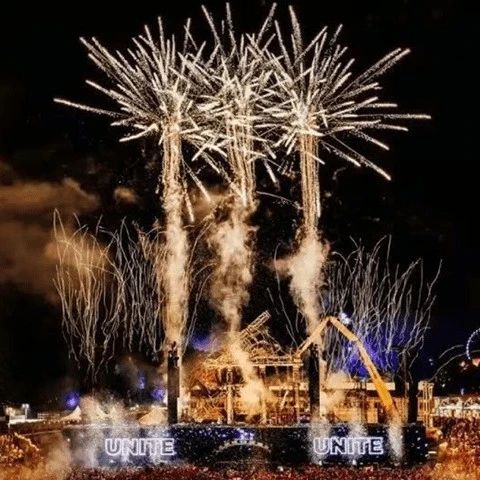
Core Viewpoint - Budweiser Group is actively engaging in China's night economy through its "Megabrands & Mega Platforms" strategy, redefining the nighttime consumption ecosystem in the country [1][3][10]. Group 1: Night Economy and Beer's Role - The night economy is a significant driver of urban economic growth, with nearly 60% of global consumption occurring after 6 PM, and cities with active night economies experiencing GDP growth rates approximately 4 percentage points higher than those without [2]. - In Shanghai, the night economy is projected to see 4.03 million active trips in 2024, positioning the city as a benchmark for nighttime economic activity in China [2]. - Beer, unlike liquor which is often associated with business banquets, has a "social gene" that fits naturally into nighttime scenarios, evolving from a mere beverage to an "emotional carrier" in various social settings [2][3]. Group 2: Strategic Initiatives by Budweiser - Budweiser China is strategically focusing on the "music + sports" night economy scene, enhancing brand visibility and emotional connection through immersive experiences at major music festivals and sports events [3][8]. - The company is actively establishing brand experience stores and hosting pop-up events in vibrant nightlife areas to deepen consumer interaction and make beer an integral part of urban nightlife [3][5]. Group 3: Collaboration and Local Adaptation - The successful introduction of the Tomorrowland festival in Shanghai involved nearly two years of preparation, showcasing the importance of government and corporate collaboration to adapt global IP to local markets [4]. - Budweiser's understanding of both global operational logic and local consumer needs has enabled it to effectively integrate international IPs into the Chinese market, enhancing nighttime cultural consumption [4]. Group 4: Financial Performance and Market Position - In 2024, Budweiser's flagship brands contributed 57% of its revenue, with a growth rate of 4.6%, underscoring its dominance in the global beer market [7]. - The company's focus on high-end market positioning and deep penetration into consumption scenarios has driven significant sales growth, particularly through innovative product offerings [7][9]. Group 5: Future Outlook - Budweiser Group remains optimistic about the long-term potential of China's night economy, planning to deepen its "Megabrands & Mega Platforms" strategy by introducing more international top-tier IPs and developing local "beer + cultural tourism" projects [10][11]. - The company aims to enhance the international visibility of China's nighttime activities and cultural landscapes, contributing to the growth of the night economy [10][11].

当一场国际音乐节落地,百威中国如何把握潮流密码?
36氪· 2025-08-01 13:34
Core Viewpoint - The beer industry is adapting to an emotion-driven consumption era, aiming to connect with each generation of young adults through cultural experiences and events [2][12]. Group 1: Cultural Engagement and Consumer Trends - The upcoming Tomorrowland music festival in Shanghai, initiated by Budweiser, highlights the brand's commitment to engaging with young consumers through cultural events [4][5]. - A McKinsey report indicates that 64% of consumers prioritize emotional consumption, with younger consumers placing even greater emphasis on the emotional value of products [8]. - Brands must create deeper cultural connections and experiential systems rather than relying solely on price competition to resonate with consumers [9]. Group 2: Budweiser's Strategic Approach - Budweiser's strategy focuses on "Megabrands & mega platforms," targeting global young adults' favorite IPs to foster connections [12][15]. - The brand's involvement in Tomorrowland is not just sponsorship but a key part of creating a "beer + scene + culture + social" experience [14]. - Budweiser has successfully established its flagship brands, such as Harbin Beer and Budweiser, with a 40% market share in the premium segment, according to Euromonitor [16]. Group 3: Market Performance and Innovations - Harbin Beer has seen a 70% sales increase in the young consumer segment due to its innovative zero-sugar products linked to NBA events [18]. - The "flagship brand + super platform" strategy has proven effective, allowing Budweiser to enhance its market presence and consumer engagement [19][23]. - The brand's partnerships with major cultural events like the FIFA World Cup and Tomorrowland are essential for amplifying its market influence and connecting with consumers [21][23].