
无废城市建设

Search documents
更大力度推进固体废物综合治理
Xin Hua Ri Bao· 2026-02-04 23:12
Core Viewpoint - The provincial government emphasizes solid waste management and promotes "waste-free city" initiatives, achieving significant results in recent years [1] Group 1: Source Control and Reduction - Systematic promotion of source control and reduction is recommended, including the elimination of outdated production capacity and the implementation of green design [1] - The establishment of a solid waste source control system throughout planning, construction, and operation processes is essential [1] - Development of circular ecological agriculture to reduce agricultural input packaging waste generation is encouraged [1] Group 2: Resource Utilization Improvement - A comprehensive solid waste resource recycling system is to be developed, focusing on large-scale recycling, refined sorting, and high-value utilization [1] - Establishment of a solid waste disposal technology upgrade system and support for national-level innovation centers in solid waste resource utilization [1] - Promotion of the large-scale application of mature technologies is a priority [1] Group 3: Collaborative Governance - Continuous special rectification of illegal solid waste disposal is necessary [1] - Strengthening of information-based supervision throughout the entire lifecycle of various solid wastes is crucial [1] - Development of a cross-regional joint prevention and control system, including a risk prevention checklist for key industries, parks, and enterprises [1] Group 4: Implementation Support - Acceleration of the improvement of legal regulations and standards related to solid waste management is required [1] - Increased investment in solid waste management and the development of green finance options, such as green credit and green bonds, are essential [1] - Establishment of a provincial special fund to support local initiatives for "waste-free city" construction and the "urban mining partner" program [1]
推动末端治理向全过程防控转变
Xin Lang Cai Jing· 2026-01-16 18:01
Core Viewpoint - The Chinese government has launched a comprehensive solid waste management action plan aimed at promoting green transformation and addressing the challenges of solid waste disposal and recycling in various sectors. Group 1: Action Plan Overview - The action plan outlines the overall strategy, work objectives, key tasks, and support measures for solid waste management in the coming period, addressing prominent issues in solid waste governance [6][8] - It emphasizes a problem-oriented approach, integrating existing management methods across various fields to enhance comprehensive governance throughout the waste management process [6][8] Group 2: Key Principles and Goals - The principles of "reduction, resource utilization, and harmlessness" will guide solid waste management efforts, with a focus on improving resource utilization efficiency [7] - The plan aims to achieve a comprehensive utilization rate of industrial solid waste, which currently stands at 57% [10] Group 3: Specific Initiatives - The plan includes a three-year special rectification action against illegal dumping of solid waste, with a target to identify and rectify 27,000 issues by the end of 2025 [8] - The initiative to build "waste-free cities" will be expanded to around 200 cities, focusing on regions like the Beijing-Tianjin-Hebei area and the Yangtze River Delta [8] Group 4: Sector-Specific Strategies - In agriculture, the focus will be on improving the management of agricultural solid waste, including the promotion of biodegradable materials and better recycling of pesticide packaging [9] - For construction waste, the strategy includes enhancing source management, promoting green construction practices, and implementing comprehensive monitoring mechanisms [9] Group 5: Industrial Waste Management - The industrial sector will see efforts to reduce the generation of industrial solid waste through green design and manufacturing practices, alongside the promotion of advanced recycling technologies [10] - The government will work with relevant departments to ensure the effective implementation of the action plan and the achievement of its objectives [10]

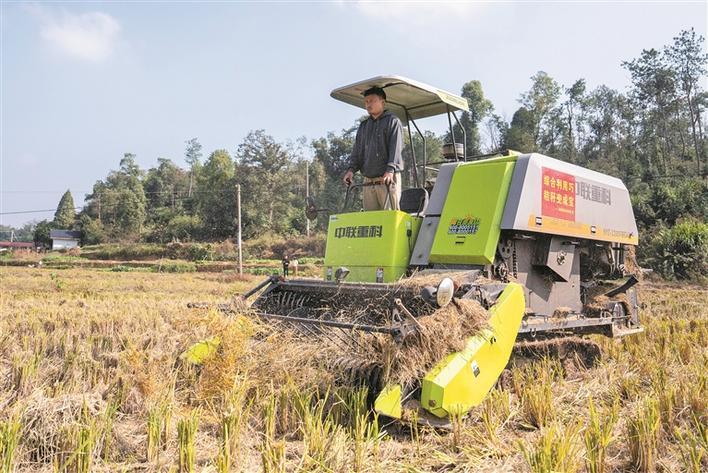
2035年无废城市建设将实现全覆盖 5600亿元投入无废城市建设
Xin Lang Cai Jing· 2026-01-13 15:24
Core Viewpoint - The construction of "waste-free cities" in China is set to expand significantly, with an investment of approximately 560 billion yuan during the 14th Five-Year Plan period, aiming for full coverage by 2035 [1] Group 1: Investment and Projects - The Ministry of Ecology and Environment is promoting the development of "waste-free cities" in 113 cities and 8 special regions, implementing over 3,000 solid waste management projects [1] - An investment of around 560 billion yuan is allocated for the construction of these "waste-free cities" [1] Group 2: Future Plans - During the 15th Five-Year Plan period, the scope of "waste-free city" construction will be expanded to approximately 200 cities [1] - The initiative will focus on regional collaboration in areas such as Beijing-Tianjin-Hebei, the Yangtze River Delta, the Guangdong-Hong Kong-Macao Greater Bay Area, the middle reaches of the Yangtze River, and the Chengdu-Chongqing area [1] Group 3: Goals and Timeline - By 2027, the proportion of "waste-free cities" in China is expected to reach 60% [1] - The ultimate goal is to achieve full coverage of "waste-free cities" by 2035 [1]
评论:为什么越来越多的人,开始主动参与循环经济
Xin Lang Cai Jing· 2026-01-10 13:18
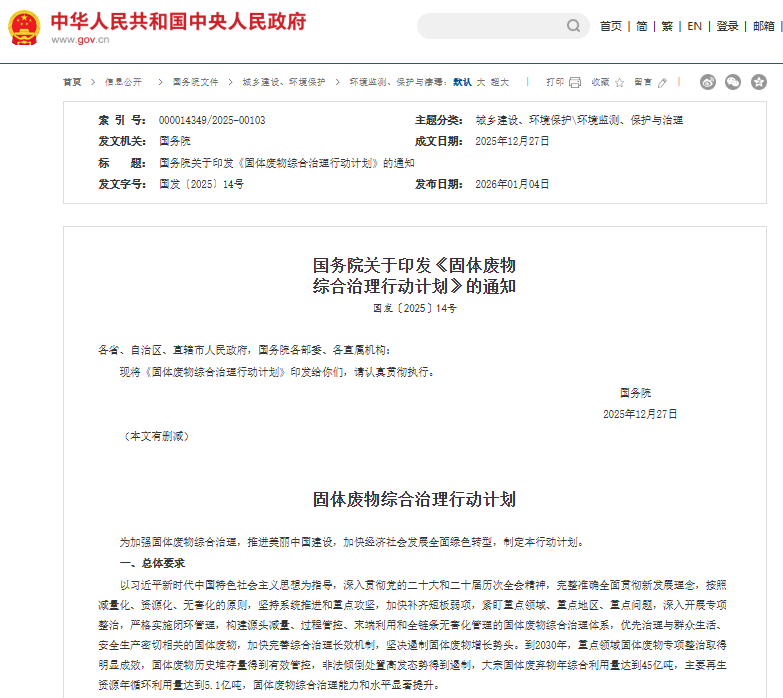
Core Insights - The rise of second-hand goods stores in Hangzhou reflects a growing interest in the circular economy among young people, who prioritize the experience and utility of items over their monetary value [1] Group 1: Circular Economy and Environmental Awareness - The concept of a "zero waste city" has gained traction, with Hangzhou being recognized as one of the global "20 zero waste cities," promoting green initiatives and waste reduction [3] - Over 3,200 "zero waste cells" have been established in Hangzhou, showcasing various projects that repurpose waste materials into art and community events [3] - The circular economy is not just about resource conservation but also about creating value through the recognition and repurposing of old items, as seen in local initiatives that integrate cultural heritage with modern consumption [3][4] Group 2: Social Dynamics and Community Engagement - The practice of exchanging items in second-hand stores fosters trust and social connections among participants, addressing emotional needs often overlooked in a fast-paced consumer culture [4] - The slow-paced, non-standardized nature of these exchanges allows for deeper social interactions, enhancing the community's resilience and reducing anxiety associated with overconsumption [4][5] - The increasing participation in circular economy practices signifies a shift towards a lifestyle that values sustainability and community, rather than merely complying with external demands [5]
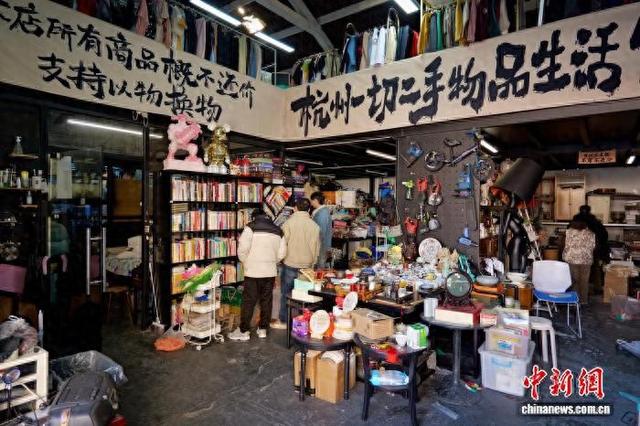
国务院重磅定调,固废治理迎纲领性文件
Huan Qiu Wang· 2026-01-05 05:02
Core Viewpoint - The "Comprehensive Solid Waste Management Action Plan" marks a significant step towards systematic governance of solid waste in China, aiming for a full-chain management system that promotes green transformation in economic and social development [1][2]. Group 1: Goals and Targets - By 2030, the plan aims to significantly enhance solid waste management capabilities, with specific targets including the comprehensive utilization of 4.5 billion tons of major solid waste and 510 million tons of recycled resources annually [1][2]. - The plan also emphasizes effective control of historical waste storage and aims to curb illegal dumping practices [1]. Group 2: Source Reduction Strategies - In the industrial sector, the plan mandates strict adherence to environmental policies, the elimination of outdated production capacities, and the promotion of green design [1]. - In urban areas, the focus will be on classifying construction waste, promoting prefabricated buildings, and integrating construction waste disposal costs into project budgets [1]. Group 3: Resource Utilization - The plan highlights the importance of resource utilization, proposing comprehensive use of major solid waste such as smelting slag and construction waste, while also expanding the utilization of agricultural waste [2]. - It encourages the establishment of "urban mining" demonstration bases and the implementation of extended producer responsibility systems, particularly for automotive and battery manufacturers [2]. Group 4: Historical Issues and Technological Support - The plan includes special rectification actions to address historical waste storage issues, with a goal of managing over 60% of these sites by 2030 [2][3]. - It emphasizes the need for technological innovation to support solid waste recycling and heavy metal pollution control [3]. Group 5: Market Opportunities - Analysts suggest that the action plan represents a new starting point for the circular economy, with a potential market space worth trillions behind the set targets [3]. - The policy is expected to benefit three key sectors: recycling of renewable resources, industrial solid waste and construction waste management, and environmental technology and equipment manufacturing [3].
研究部署2026年元旦春节期间有关工作等事项
Xin Lang Cai Jing· 2025-12-24 22:53
Group 1 - The city government emphasizes the need for comprehensive service guarantees during the New Year and Spring Festival, ensuring smooth market supply and safe travel for citizens [1] - There is a focus on enhancing cultural and recreational offerings while combating illegal ticket scalping and unauthorized tours to maintain order in the cultural tourism market [1] - The government plans to strengthen the management of essential services such as water, electricity, gas, and heating, while also ensuring safety measures are in place for high-traffic areas [1] Group 2 - The meeting highlights the importance of safety production and fire prevention, urging continuous inspections and risk management in key sectors such as construction, transportation, and gas [2] - There is a commitment to ecological civilization construction, promoting green development and addressing environmental protection responsibilities in line with central government directives [2] - The city aims to advance the "zero waste city" initiative by focusing on the management of construction and household waste, enhancing recycling efforts, and improving public awareness of waste sorting [3]
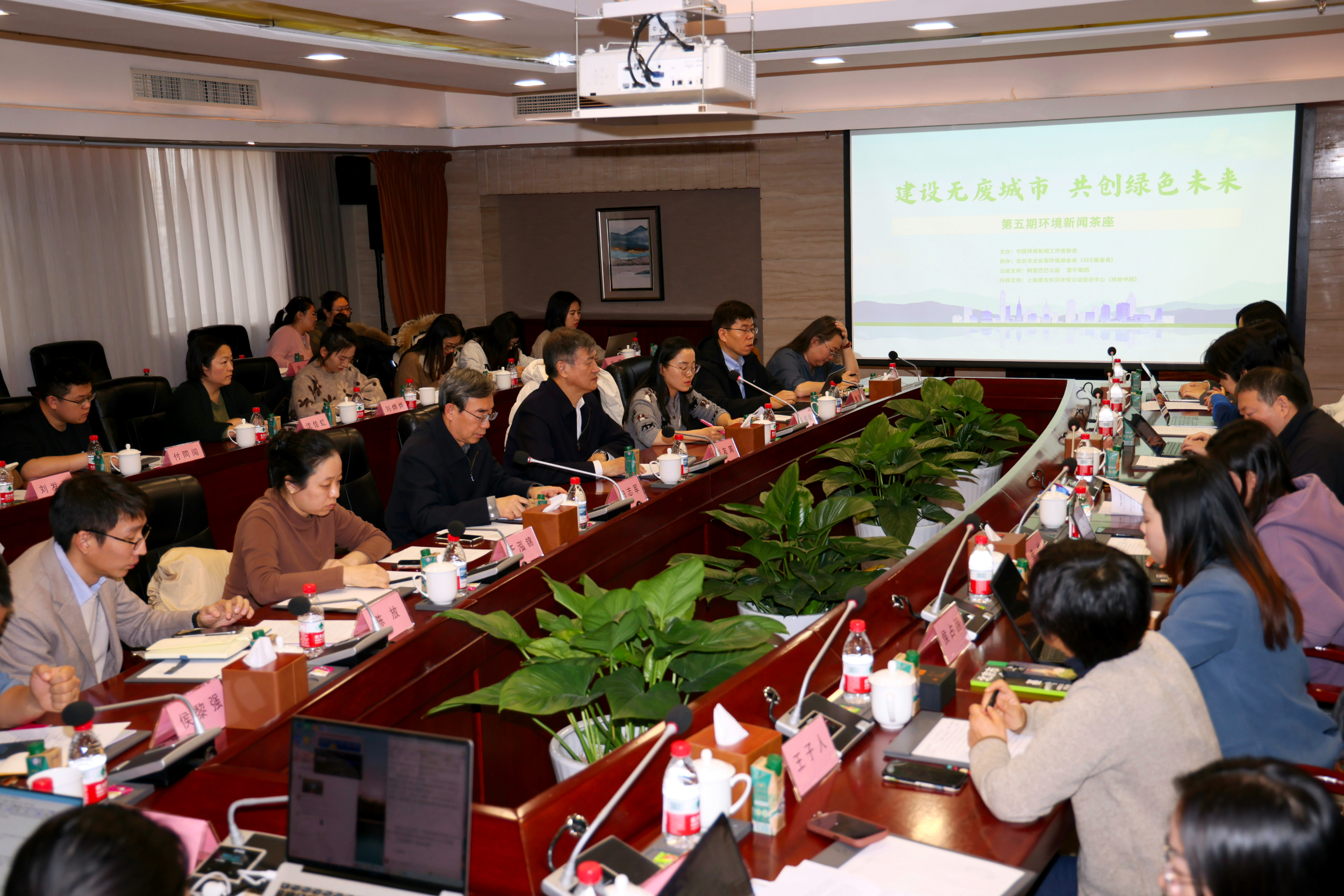
第五期环境新闻茶座在京举办
Zhong Guo Huan Jing Bao· 2025-12-22 12:54
Core Insights - The event titled "Building a Waste-Free City, Creating a Green Future" focused on solid waste pollution prevention and the construction of waste-free cities, highlighting significant progress and ongoing efforts in China since the 14th Five-Year Plan [3][4] Group 1: Government Initiatives - The Ministry of Ecology and Environment reported on the progress of waste-free city construction, emphasizing advancements in urban exploration, provincial and regional collaboration, solid waste governance capabilities, and the promotion of waste-free concepts [3] - The report outlined four key areas: urban exploration development, solid waste governance capacity enhancement, improvement of solid waste management support capabilities, and the promotion of waste-free concepts [3] Group 2: Local Practices - The case study from Beijing's Miyun District showcased practical measures in waste-free city construction, including improved industrial solid waste management, resource utilization of agricultural waste, creation of a green and healthy living environment, and enhanced public education [3] Group 3: Corporate and NGO Contributions - Various companies and NGOs shared their innovative practices aimed at sustainable development and social participation, including initiatives to reduce plastic use and carbon emissions through public platforms and the development of more environmentally friendly packaging solutions [3] Group 4: Media's Role - Media representatives discussed their responsibilities in supporting waste-free city initiatives, emphasizing the importance of being active communicators, constructive supervisors, and multi-faceted communicators in environmental governance [4]
大地海洋(301068) - 301068大地海洋投资者关系管理信息20251203
2025-12-03 11:42
Group 1: Acquisition Strategy - The acquisition of Zhejiang Tiger Waste Management Co., Ltd. is aimed at enhancing the company's industrial layout and core competitiveness, extending its business into the residential recycling sector, and aligning with national policies for "waste-free cities" [1] - The acquisition of Veolia's Hangzhou project (now Sheng Tang Ring Chuang) is intended to deepen the main business and strengthen regional leadership, increasing dismantling capacity and market share in electronic waste [3] Group 2: Synergy Effects - The acquisition brings synergy in three areas: business collaboration through a stable supply of raw materials, operational efficiency via resource sharing, and strategic integration to provide comprehensive waste management solutions [2] - Sheng Tang Environmental Protection, a subsidiary, holds approximately 40% of the total dismantling volume in Zhejiang Province, enhancing the company's market influence post-acquisition [4] Group 3: Financial Performance and Challenges - The company faced losses in the first half and third quarter of 2025 due to changes in electronic waste processing subsidy policies, with a total of 5 billion CNY allocated for the new funding model [4] - The company received approximately 139 million CNY in special funding, which differed from expected amounts, impacting financial performance [4] Group 4: Future Outlook - The company aims to focus on hazardous waste collection, resource utilization, and recycling of household waste and electric bicycles, responding to national initiatives for "waste-free cities" [6] - The company plans to enhance operational efficiency and profitability while exploring new business growth points, striving to become a competitive service provider in the "waste-free city" initiative [6]

吉林省生态质量状况连续21年保持良好
Zhong Guo Xin Wen Wang· 2025-12-02 11:55
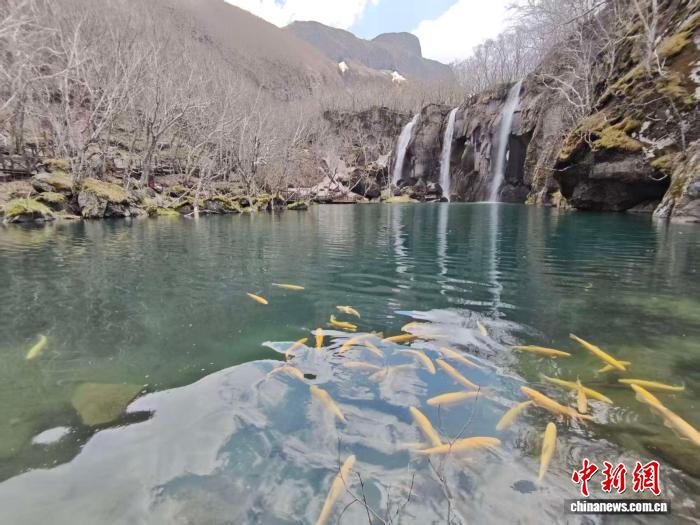
Core Viewpoint - Jilin Province has maintained good ecological quality for 21 consecutive years, with continuous improvements in environmental quality since the "14th Five-Year Plan" period [1][2]. Group 1: Environmental Quality Improvements - Air quality in Jilin Province remains among the best in the country, with the proportion of good air quality days increasing from 89.8% at the beginning of the "14th Five-Year Plan" to 92.9% by 2024 [1]. - PM2.5 concentration has decreased from 31 micrograms per cubic meter to 26.9 micrograms per cubic meter [1]. - The proportion of good water bodies at national control sections has risen from 73.8% to 89%, with the complete elimination of inferior water bodies over the past four years [1]. Group 2: Future Environmental Strategies - The "15th Five-Year Plan" will focus on coordinated control of multiple pollutants and regional governance, including the elimination and transformation of coal-fired boilers and the promotion of clean alternatives to scattered coal [2]. - There will be an emphasis on the management of mobile source pollution, the promotion of new energy vehicle replacements, and the control of dust and cooking oil fume issues [2]. - Jilin Province aims to strengthen the protection of key water bodies and improve environmental infrastructure, including comprehensive inspections and remediation of pollution sources [2]. Group 3: Soil and Waste Management - The province will enhance the systematic prevention of soil pollution, control agricultural land pollution sources, and promote the green remediation of contaminated construction land [2]. - Efforts will be made to manage hazardous waste, industrial solid waste, construction waste, and household waste, aiming for a "waste-free city" across the region [2]. - The governance of new pollutants and noise pollution will be gradually improved, alongside initiatives to enhance public environmental and health literacy [3].
军信股份(301109) - 2025年10月30日投资者关系活动记录表
2025-10-30 10:40
Financial Performance - The company achieved a revenue of 2.163 billion yuan in the first three quarters of 2025, representing a year-on-year growth of 23.21% [2] - The net profit attributable to shareholders reached 605 million yuan, with a year-on-year increase of 48.69% [2] - The volume of household waste processed reached 270,040 tons, up 7.89% year-on-year [2] - The electricity generated from waste was 1.294 billion kWh, reflecting a growth of 17.53% [2] - The electricity generated per ton of waste was 479.10 kWh, an increase of 4.72% [2] Overseas Projects - The Bishkek waste-to-energy project in Kyrgyzstan is expected to be completed by the end of 2025, with a planned processing capacity of 3,000 tons per day [3] - Framework agreements for waste disposal projects have been signed in Osh and Issyk-Kul, with each project planned for 2,000 tons per day [3] - An investment agreement for a waste disposal project in Almaty, Kazakhstan, has also been established [3] Dividend Policy - The company has maintained a stable cash flow, with dividends in the last two years exceeding 70% of the net profit attributable to shareholders [3] - A long-term dividend plan has been established, ensuring at least 50% of the net profit will be distributed in cash annually [3] Accounts Receivable - Accounts receivable primarily stem from service fees owed by local governments and national subsidies for waste-to-energy projects [4] - Approximately 81 million yuan in national subsidies was collected in the first three quarters, with expectations for improved collection in the future [4] Energy Efficiency - The company maintains a leading position in electricity generation per ton of waste due to advanced equipment and continuous technological innovations [4][5] - Future improvements in energy efficiency are anticipated through ongoing technological upgrades and operational optimizations [5] Hong Kong Listing Progress - The company submitted an application for H-share listing on the Hong Kong Stock Exchange on August 13, 2025 [5] Synergy and Future Growth - The acquisition of Hunan Renhe Environmental Technology has led to significant operational synergies and exceeded performance commitments for 2023 and 2024 [5] - Future growth is expected from increased capacity utilization, technological innovations, and the development of overseas projects [5] - Strategic cooperation agreements have been signed to explore new areas such as "waste-free cities" and digitalization in the environmental industry [5]