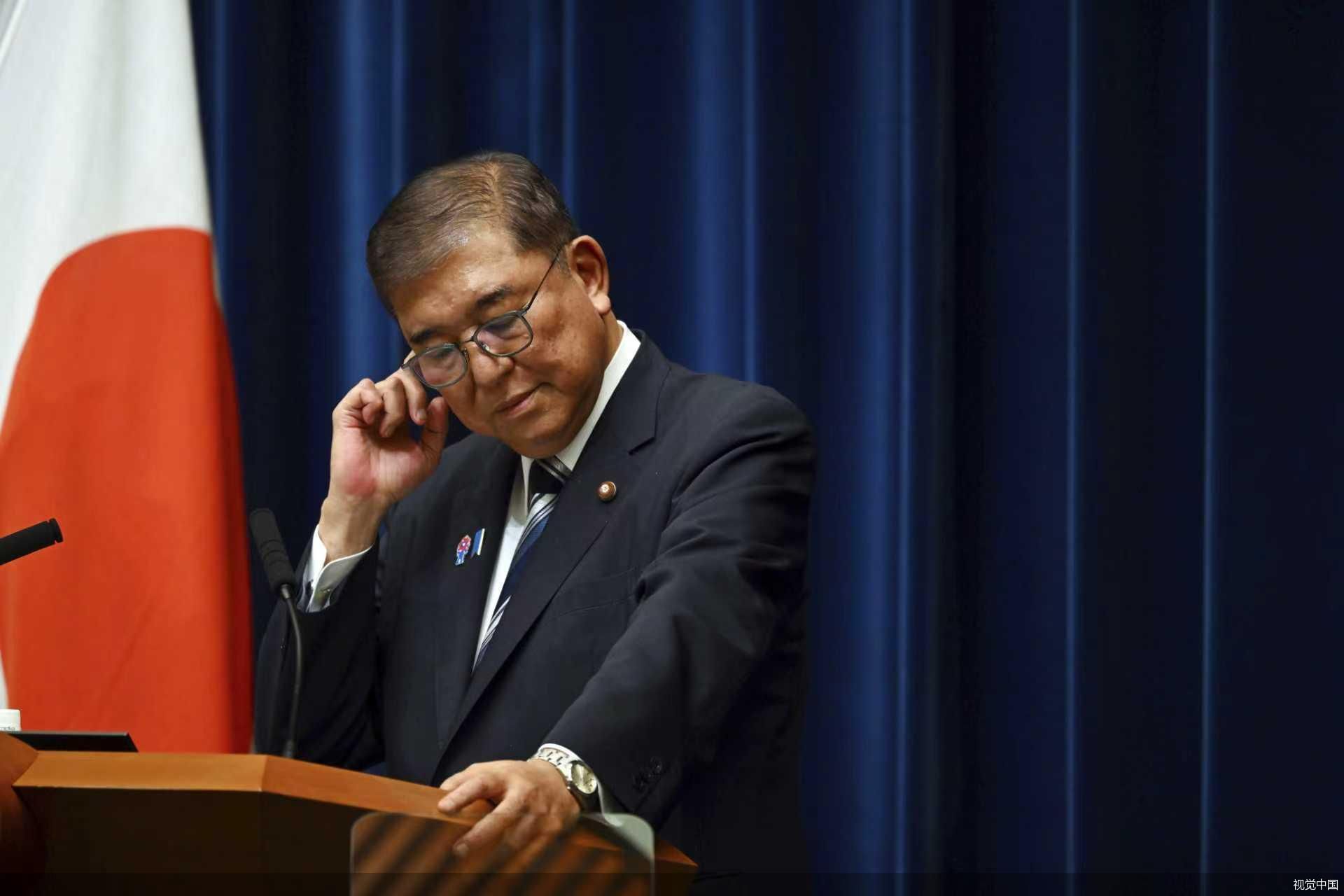
日本政局动荡

Search documents
日本政局动荡给经济带来更多不确定性
Xin Lang Cai Jing· 2026-01-19 12:58
Core Viewpoint - The political turmoil in Japan, marked by Prime Minister Kishi's decision to dissolve the House of Representatives, is creating significant economic uncertainty, impacting capital markets and delaying critical legislative processes [1][2]. Group 1: Political Developments - Prime Minister Kishi announced the dissolution of the House of Representatives on January 19, with elections scheduled for October 2024, raising concerns about the stability of the government [1][4]. - The ruling Liberal Democratic Party (LDP) currently does not hold a majority in the House, leading to fears that a potential victory could exacerbate aggressive fiscal policies [2][4]. Group 2: Market Reactions - Following the announcement, there was a notable sell-off in the Tokyo bond market, with the yield on newly issued 10-year government bonds reaching 2.23%, the highest level since February 1999 [1][4]. - The Japanese yen depreciated sharply against the US dollar, hitting a low of 159.45 yen, prompting intervention from the Finance Minister to stabilize the currency [1][4]. Group 3: Economic Implications - The rise in long-term interest rates above 2% is expected to increase corporate financing costs, negatively affecting economic recovery [2][4]. - The dissolution of the House of Representatives is likely to delay the approval of the new fiscal year's budget and tax reforms, which could impact public services and consumer spending starting from April 1, 2026 [5]. - A budget of 617.4 billion yen has been allocated to expand high school tuition subsidies, but its implementation is uncertain if the budget is not approved in time [5].
执政未满一年,连遭选举挫败,石破茂宣布辞任自民党总裁
Huan Qiu Shi Bao· 2025-09-07 22:33
Core Viewpoint - Japanese Prime Minister and ruling Liberal Democratic Party (LDP) President Shigeru Ishiba announced his resignation due to significant electoral defeats, indicating potential political instability in Japan [1][3][4] Group 1: Resignation Announcement - Ishiba stated that he would not participate in the upcoming LDP presidential election and expressed that the decision to resign was difficult, taking responsibility for the party's poor performance in the July Senate elections [3][4] - The LDP has faced internal pressure for Ishiba to resign, with over 40% of party members supporting an early presidential election as of July 7 [4][5] Group 2: Political Implications - Ishiba's resignation may lead to a turbulent political landscape, as the new LDP president will influence domestic policies and Japan's international relations, particularly with China and the U.S. [1][8] - The upcoming presidential election will focus on key issues such as inflation, U.S. tariff negotiations, and potential cooperation with opposition parties [8][9] Group 3: Potential Successors - Potential candidates for the next LDP president include former Minister Sanae Takaichi, Minister of Agriculture, Forestry and Fisheries Yoshikazu Koizumi, and former Minister of Economic Security Takayuki Kobayashi, among others [8][9] - The new leader will need to address the public's trust issues stemming from the LDP's past scandals and current economic challenges [9]

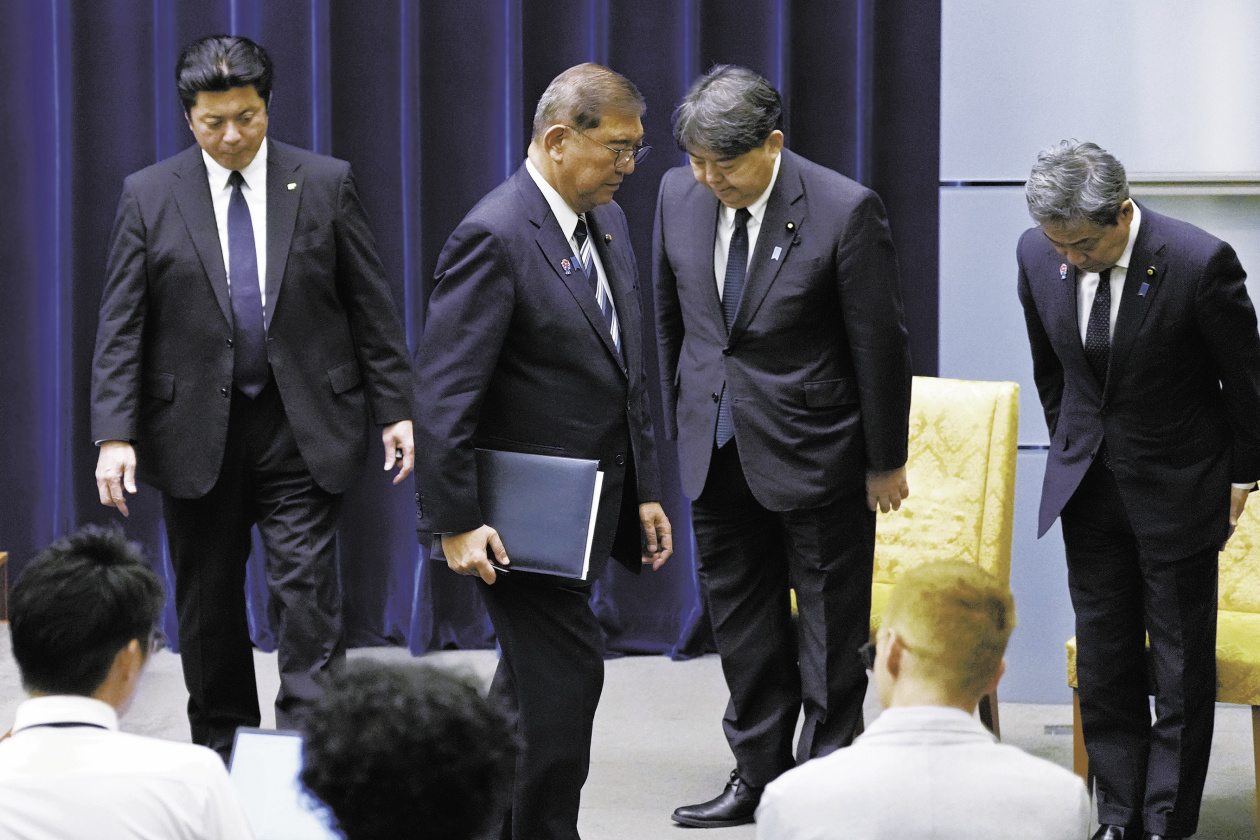
执政未满一年 日本首相石破茂辞职
Bei Jing Shang Bao· 2025-09-07 13:56
Group 1 - The resignation of Japanese Prime Minister Kishida Fumio marks a significant political shift, as he steps down amid internal conflicts within the ruling Liberal Democratic Party (LDP) and a loss of majority in both houses of the Diet [2][3] - Kishida's government faced challenges such as rising prices and U.S. tariff policies, leading to increased calls for his resignation from within the party [3][4] - The upcoming leadership election within the LDP is expected to be complex, with potential candidates including prominent figures like Kono Taro and Koizumi Shinjiro, who are seen as possible successors [5][6] Group 2 - The political landscape in Japan is likely to become more unstable, with analysts predicting a return to a pattern of short-term prime ministers, often referred to as "one-year prime ministers" [7] - Public sentiment is mixed, with a significant portion of the population believing that Kishida should not resign, fearing that the next leader may be worse [7] - The potential for a more right-leaning coalition government could emerge, which may lead to increased fiscal pressure and uncertainty in Japan's economic policies [7][8]