日美投资协议

Search documents
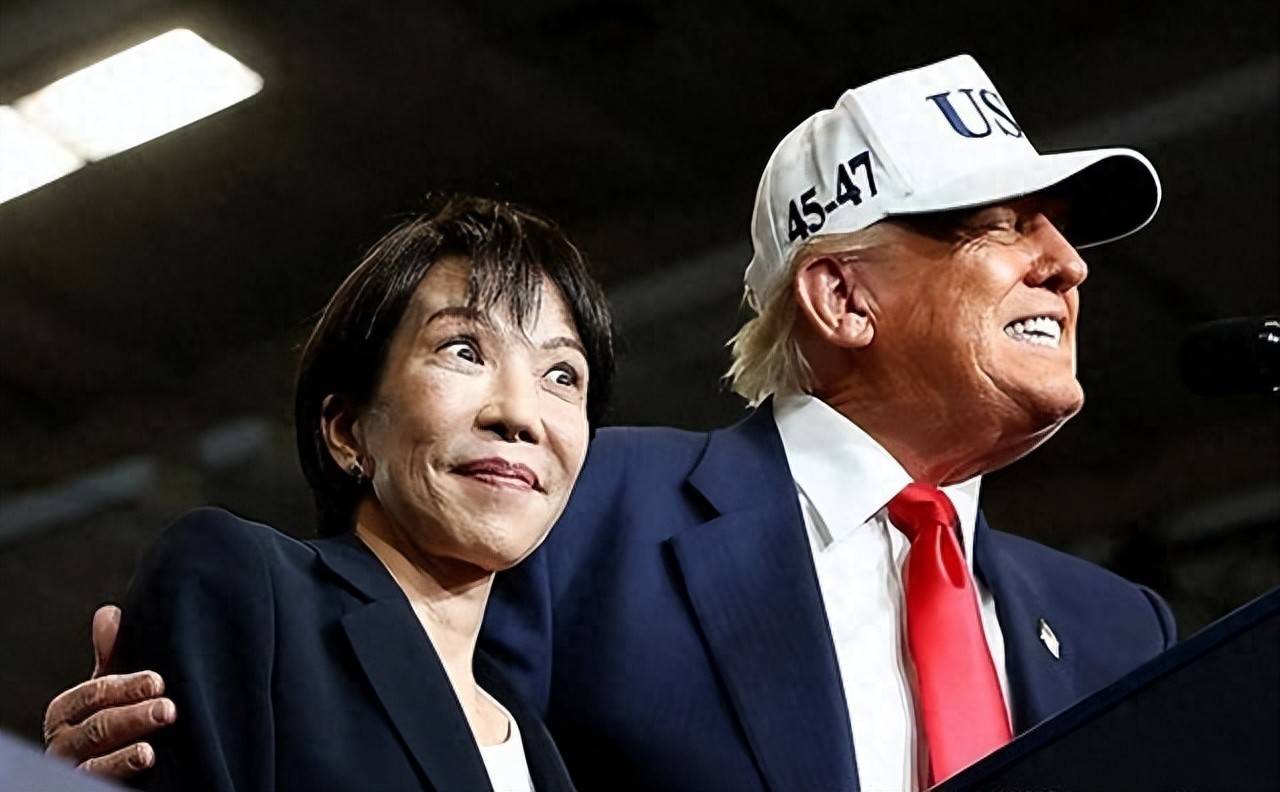
特朗普遭遇重大打击,日本面临天赐良机,却不敢动手?
Sou Hu Cai Jing· 2026-02-25 07:42
Group 1 - The U.S. Supreme Court's ruling invalidating the tariffs imposed by the Trump administration has not led Japan to terminate the U.S.-Japan investment agreement, which was signed at a cost of $550 billion [1][3] - Japan's automotive industry, which accounts for over 30% of its total exports and supports approximately 5.5 million jobs, remains under pressure due to the potential for tariffs under Section 232, which is still in effect [3][5] - The investment agreement is seen as a means for Japan to maintain U.S. support, which is crucial for political stability and military cooperation, especially in light of Japan's reliance on U.S. technology for its defense capabilities [7][9] Group 2 - Japan's cautious approach is influenced by its historical relationship with Trump and the need to avoid political backlash, as any move to terminate the agreement could be perceived as undermining U.S. relations [5][9] - The $550 billion investment is viewed as a "toll" that Japan pays to ensure U.S. leniency in its military and economic endeavors, highlighting the intertwined interests of both nations [7] - Japan's political landscape has shifted towards the right, but any significant changes in military policy require U.S. approval, making the investment agreement a critical factor in Japan's defense strategy [7][9]

被英媒说中了!美国这次够狠,日本毫无招架之力,被拿捏也只能忍
Sou Hu Cai Jing· 2026-02-23 11:21
Group 1 - Japan's investment of $550 billion in the U.S. is a result of pressure from the U.S. to lower tariffs, leading to a situation where Japan has limited options [1][3][9] - The U.S. controls the allocation of funds through a special entity, and Japanese companies must respond quickly to avoid tariff reinstatement [1][3][11] - The negotiations are complex, with Japan's Minister of Economy, Trade and Industry acknowledging the difficulty in reaching a final agreement [3][9][11] Group 2 - Japanese companies face high risks and profit-sharing arrangements that favor the U.S., with initial profits split 50/50 and later shifts to 90% for the U.S. [3][6][13] - The first projects include significant investments in energy and mineral sectors, but Japanese firms must navigate U.S. investment reviews [4][11][14] - The political dynamics between Japan and the U.S. are intertwined with the investment agreement, as U.S. President Trump publicly supports Japanese Prime Minister Kishida [9][13] Group 3 - The investment is seen as a strategic retreat for Japan, with concerns about long-term impacts on domestic competitiveness [6][14] - Japanese firms like SoftBank are involved in large-scale projects, but must weigh the risks of U.S. economic security requirements [4][11][13] - The agreement is positioned as a win-win, but the reality may lead to significant costs for Japan in the long run [6][14]